A large study of nearly 80,000 primarily low-income and Black Americans found that just 15 minutes of brisk walking daily can reduce overall mortality by nearly 20%, emphasizing the importance of walking pace for health, especially in underserved communities.
Amazon is facing a lawsuit alleging that the company provides slower delivery services to low-income areas compared to more affluent neighborhoods. The lawsuit claims this practice is discriminatory and seeks to address the disparity in service quality based on geographic and economic factors.
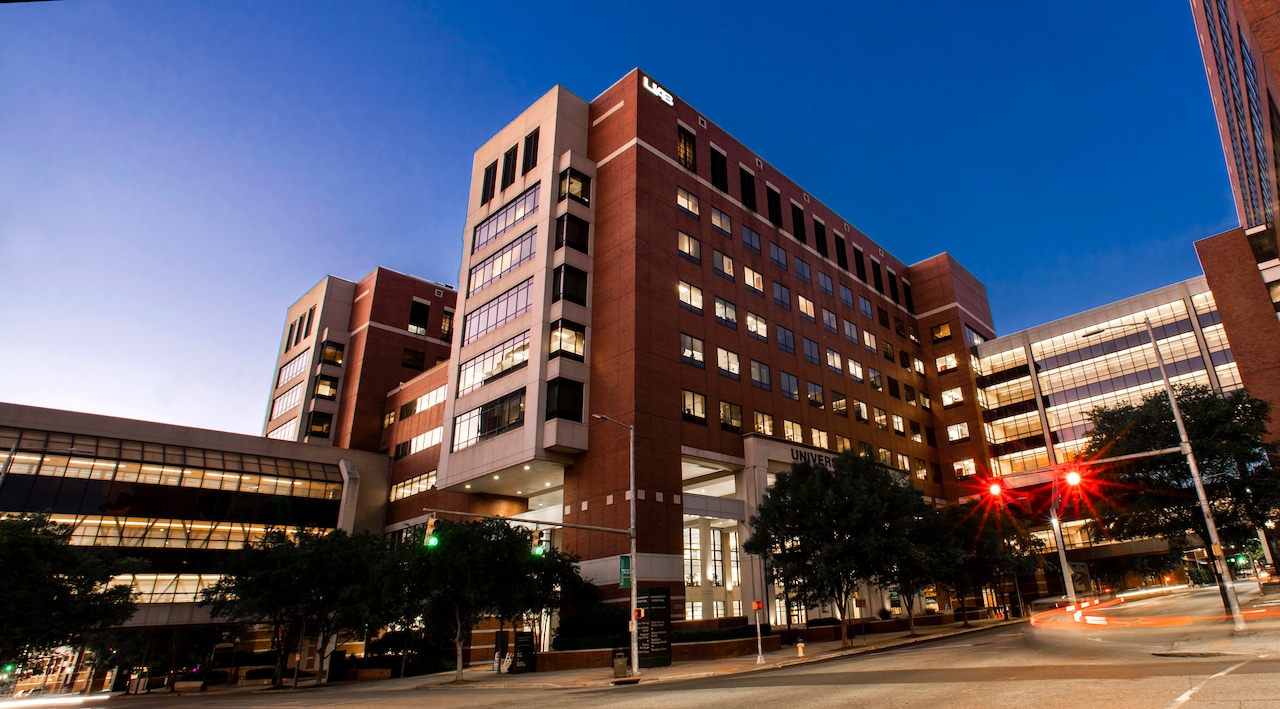
UAB is offering free colonoscopies to low-income and underinsured residents in Jefferson County through September 2024, funded by a $120,000 state grant aimed at reducing health disparities in colorectal cancer. The initiative, which has already screened 100 patients, focuses on those from federally qualified health centers and has successfully identified and treated early-stage cancers.
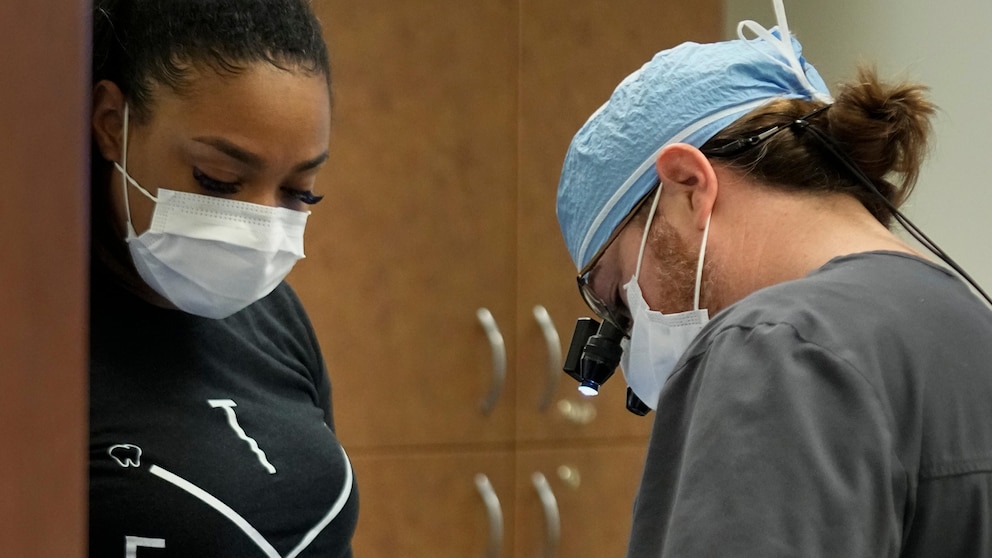
Several states, including Tennessee, Kentucky, Michigan, Maryland, New Hampshire, and Hawaii, have expanded their Medicaid programs this year to provide dental coverage for low-income adults. Medicaid, the federal and state health insurance program for the poor, previously only required states to provide dental coverage for children. However, recognizing the economic and health costs of poor dental health, as well as the availability of federal pandemic funds, these states have taken steps to address the issue. Despite the expansion, access to dental care remains challenging in many areas, with limited participation from dentists and low reimbursement rates. The expansion of dental coverage is seen as crucial for improving overall health outcomes and employment prospects for low-income individuals.
Programs like DC Greens' Produce RX, which provides prescriptions for healthy foods to low-income individuals with diet-related chronic illnesses, are helping improve access to nutritious food and overall health outcomes. A recent study found that participants in such programs experienced increased consumption of fruits and vegetables, as well as improvements in blood pressure, obesity, and blood sugar. By providing prepaid debit cards for purchasing fresh produce, these programs not only address affordability barriers but also alleviate financial stress for families. The approach of prescribing fresh food as medicine is proving to be more effective and appealing to patients than traditional medications.
Estudiantes House, designed by BRUTAL Taller de Arquitectura, is a residential building located in Rancho Santa Martha that provides accommodation for university students from low-income backgrounds. The building features separate men's and women's rooms, high ceilings, independent terraces, and gardens to maintain clean and fresh air. The design incorporates passive ventilation through a central staircase and emphasizes safety and interaction among residents. Built through donations, the building utilizes simple construction techniques and materials, including Adblock and common blocks, with minimal maintenance requirements. The facades are adorned with garden areas, adding color and protecting the walls from the sun. The project aims to integrate into its surroundings and promote sustainable living.
A new statewide study by the California Department of Housing and Community Development found that a single person in Los Angeles making around $70,000 a year is considered low-income. Income limits have increased in most counties across California, and they are calculated annually based on federal guidelines to determine eligibility for certain programs, such as affordable housing. The study also showed that single-person households in San Francisco, Marin, and San Mateo counties who made $104,000 were also considered low-income.
The California Department of Housing and Community Development has released new income limits that determine eligibility for affordable housing programs. In Los Angeles County, a single-person household making just under $71,000 is considered low income, while San Francisco, Marin, and San Mateo counties consider single-person households making $104,000 a year as low income. The income limits vary by county and are based on federal guidelines.
New Mexicans who previously filed taxes could get up to $1,000 in rebates as part of a second round of economic relief. Single tax filers will get $500, while married couples are eligible for $1,000. Rebate checks will be automatically sent via direct deposit to those who used it when filing their 2021 tax returns. Low-income New Mexicans who do not file income tax returns can also apply for an economic relief payment on a first-come, first-served basis. More than $15 million is available for this round of payments.
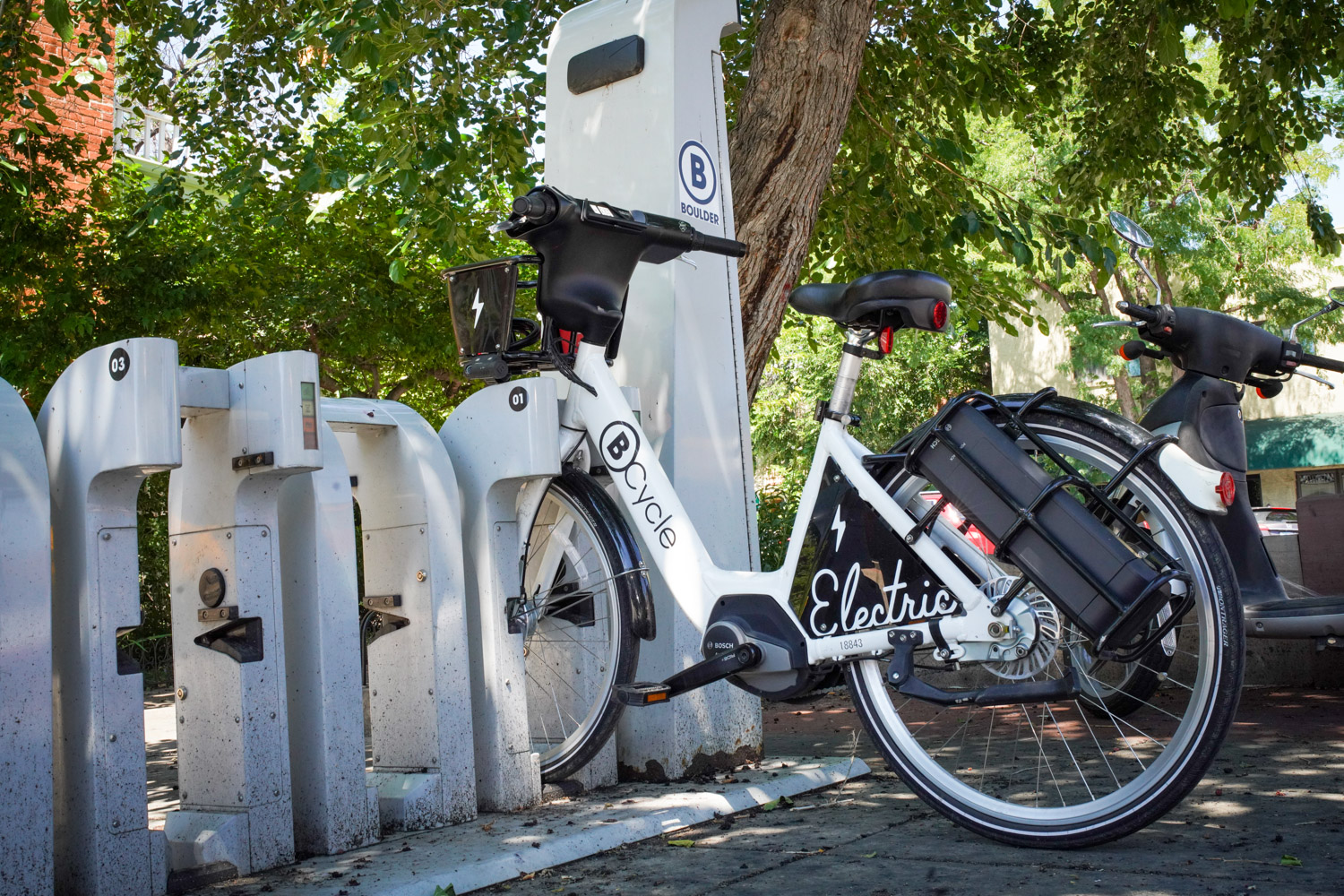
Colorado will launch one of the largest statewide e-bike rebate programs in August, offering a $1,100 discount for low-income residents and a $500 rebate for moderate-income residents. The program, with $6.6 million in funding, is the biggest statewide e-bike program outside of California and aims to reduce greenhouse gas emissions. The state hopes to award enough vouchers to fund about 1,000 e-bike purchases each month until funding runs out. The program is part of a range of new programs to help reduce local air pollution and build a vocal constituency of riders pushing local governments to construct new bike lanes and trails.