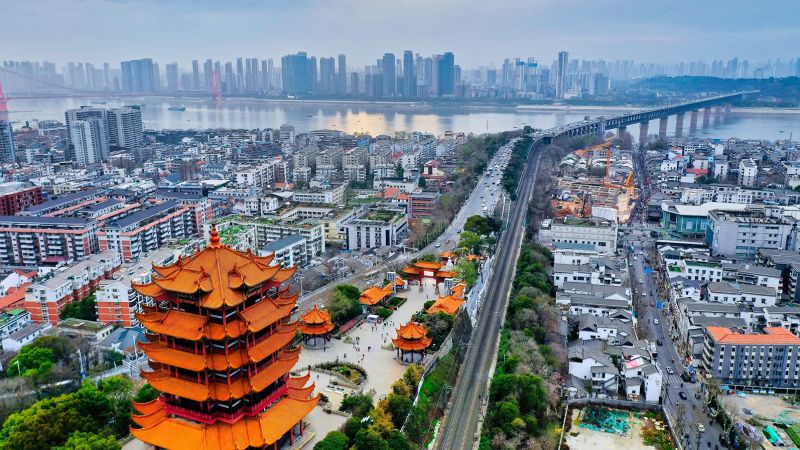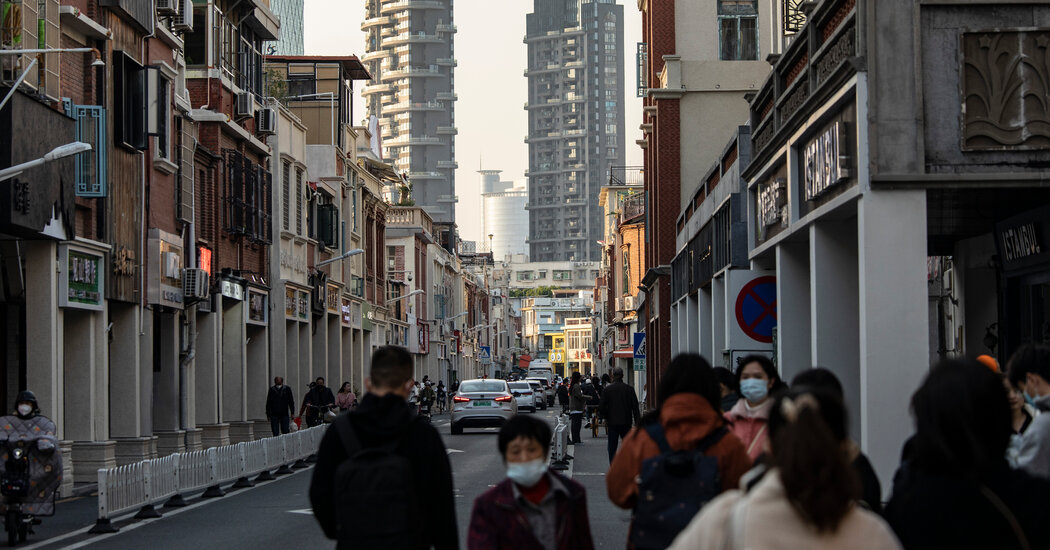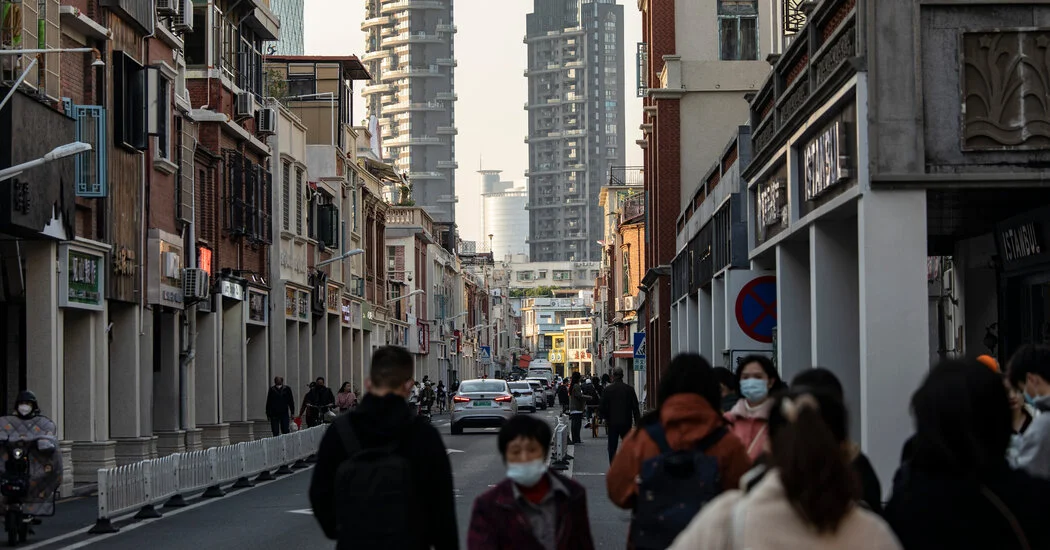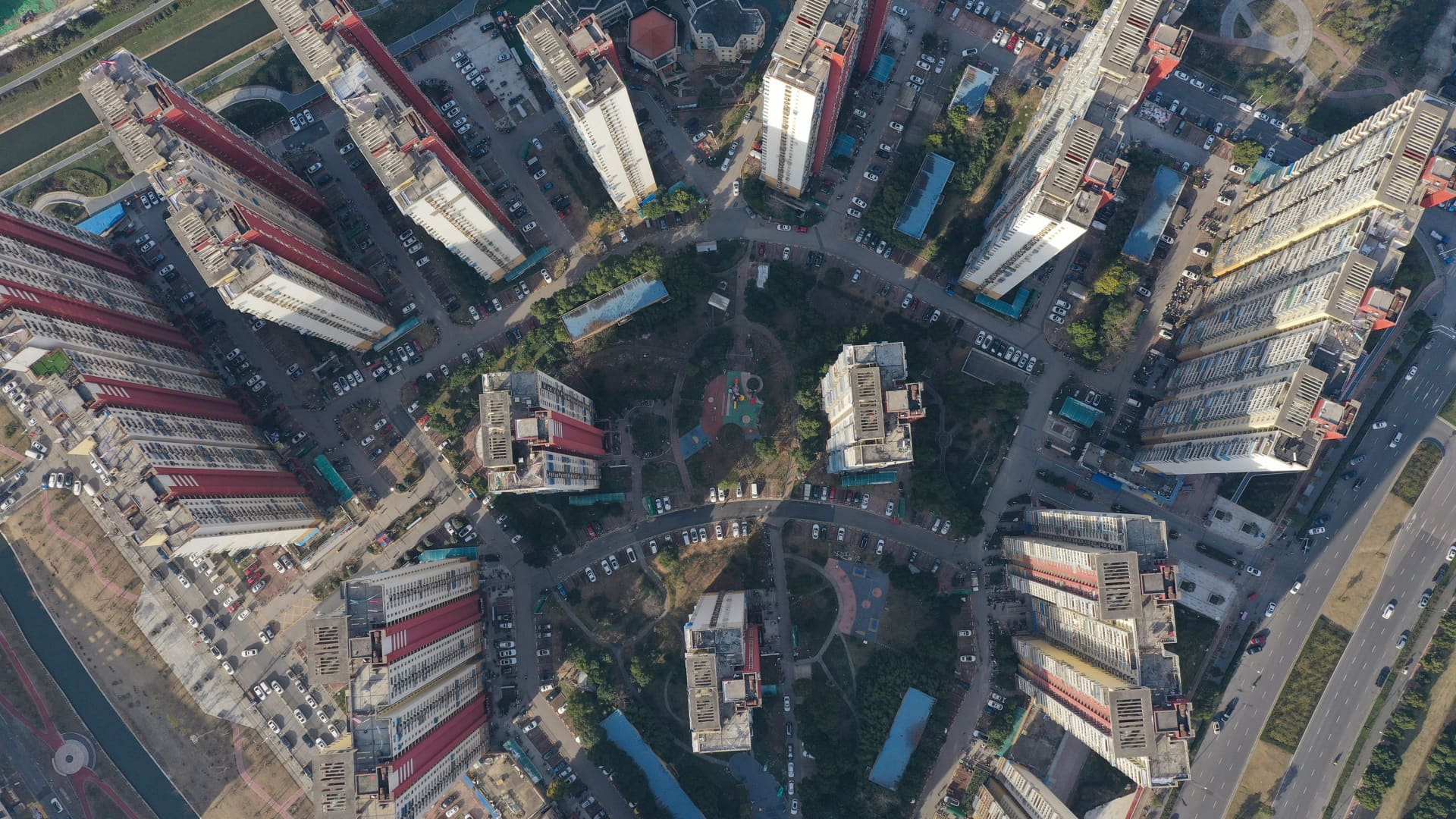
China has announced a $1.4 trillion plan to support its local governments, aiming to stabilize the economy and address financial challenges at the municipal level. This initiative is part of a broader effort to boost investment and ensure economic growth amid global uncertainties.
Former President Donald Trump's campaign has left numerous cities with unpaid bills for public safety costs incurred during his rallies, totaling hundreds of thousands of dollars. Cities like Albuquerque, Green Bay, and Erie have struggled to recover these expenses, which include overtime for police and first responders. While some cities have opted not to pursue reimbursement, others have hired collection agencies or required upfront payments for future events. The issue highlights the financial strain on local governments hosting large political events without guaranteed compensation.
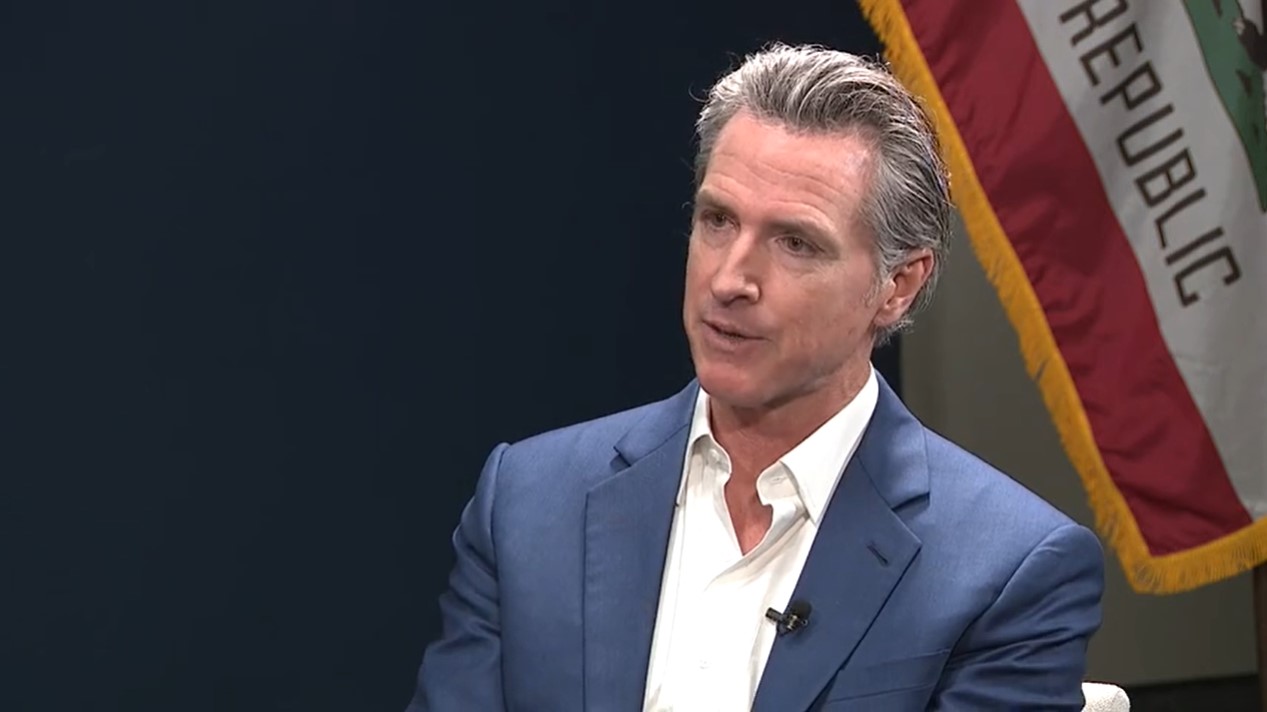
California Governor Gavin Newsom expressed frustration with local governments for not taking sufficient action to address the crises of homelessness and behavioral health in the state. Newsom signed off on reforms that would allow counties to designate caretakers for individuals with serious mental illness or substance abuse disorders, but some counties claim they lack the resources to implement the law. Newsom emphasized the need for accountability and urgency, stating that people are dying on the streets and sidewalks. He called on local governments to deliver on their responsibilities and warned of consequences, including redirecting resources to counties and cities that are producing results. The California State Association of Counties responded by highlighting the efforts made by counties and the ongoing need for funding and infrastructure support.
The New Mexico Supreme Court is set to hear oral arguments in a lawsuit challenging local ordinances aimed at restricting access to abortion. While abortion is legal in the state, several local governments have passed ordinances to limit access. The lawsuit, filed by the state Attorney General, argues that these ordinances violate the New Mexico Constitution, which guarantees a woman's right to choose. The court's decision could have implications for other states facing similar debates and may impact the authority of local governments on other issues as well.
China has instructed local governments to suspend public-private partnership (PPP) projects deemed "problematic" and replace the 10% budget spending allowance for these ventures with a vetting mechanism by Beijing in an effort to curb municipal debt risks. The move comes as concerns grow over the impact of rising local government debt on the economy. China's local government debt reached 92 trillion yuan ($12.6 trillion) in 2022, or 76% of the country's economic output. The State Council has issued detailed guidelines to reform the PPP model for the first time since its launch in 2014, aiming to constrain further debt accumulation and address irregularities in project financing.
Nearly one in four cities and counties in the United States have reported no expenditures from the pandemic relief funds they received, according to an analysis of data released by the U.S. Treasury Department. Critics argue that the publicly available data is misleading and fails to account for preliminary planning and differing interpretations of reporting requirements. Federal officials estimate that governments have spending commitments for over 80% of the funds, but Republicans and fiscal conservatives question the necessity of the spending. Some governments categorized their entire federal allotment as "revenue replacement," allowing them to report it as one project without providing specific details. There are no immediate penalties for incorrect or non-reporting, but calls for accountability and transparency persist.
China is facing a significant debt crisis at home, with trillions of dollars owed by local governments, their financial affiliates, and real estate developers. While China has lent nearly $1 trillion to developing countries, it has been reluctant to cancel large debts owed by struggling nations. China's state-controlled banking system is wary of accepting losses on foreign loans when it faces greater losses on loans within China. Official data on China's debt is limited, but researchers estimate that overall debt within China has reached 282 percent of the country's annual economic output. The rapid accumulation of debt relative to its economy makes managing it more challenging. The debt troubles have also made it difficult for Chinese banks to accept losses on their loans to lower-income countries, which now face considerable economic difficulties.
Local governments in the US are receiving settlement money from companies that made, distributed, or sold opioid painkillers, with more than $50 billion total in settlements from national lawsuits. KFF Health News has obtained documents showing the exact dollar amounts that local governments were allocated for 2022 and 2023, which is a crucial step in ensuring the settlements fulfill the goal of saving lives and remediating this crisis. The national opioid settlements are the second-largest public health settlement of all time, following the tobacco master settlement of the 1990s.
Wuhan, the largest city in central China, has publicly demanded that hundreds of local companies repay their debts, as the city faces dire financial challenges due to the Covid-19 pandemic and a real estate crash. The city's finance bureau said that a total of 259 companies and entities owed it more than $14 million combined. The debtors include state or privately owned companies, government departments, and think tanks. The announcement highlights the fiscal challenges facing China's local governments, with some cities already slashing medical benefits to seniors and other vital services at risk.
Despite local governments in China sinking further into debt, officials have yet to introduce a real estate tax due to public resistance and political obstacles. China relies on selling long-term leases to real estate developers, but revenue from these land sales has plunged in the past year. The obstacles range from the technical to the economic to the political. Although China calls itself a socialist country, it has practically no taxes on investment gains, inheritances or personal wealth.
China's local governments are facing insolvency, but they have yet to introduce a property tax to support services like schools. Instead, cities rely on selling long-term leases to real estate developers, but revenue from these land sales has plunged in the past year. Public resistance to a property tax is strong, and local officials have a lot to lose from one. Although China calls itself a socialist country, it has practically no taxes on investment gains, inheritances or personal wealth.
Gov. Kathy Hochul is examining the constitutionality of local governments blocking New York City from sending migrants into their communities. Hochul issued an executive order to deploy 500 more members of the National Guard while speeding up the delivery of $1 billion in new state aid to help the city. The number of counties resisting the arrival of migrants grew on Wednesday when upstate Oneida County joined the Hudson Valley counties in barring accommodations for migrants. The migrant situation is expected to worsen following the scheduled end of a federal immigration rule on Thursday that has allowed officials to immediately expel people who crossed the border illegally.
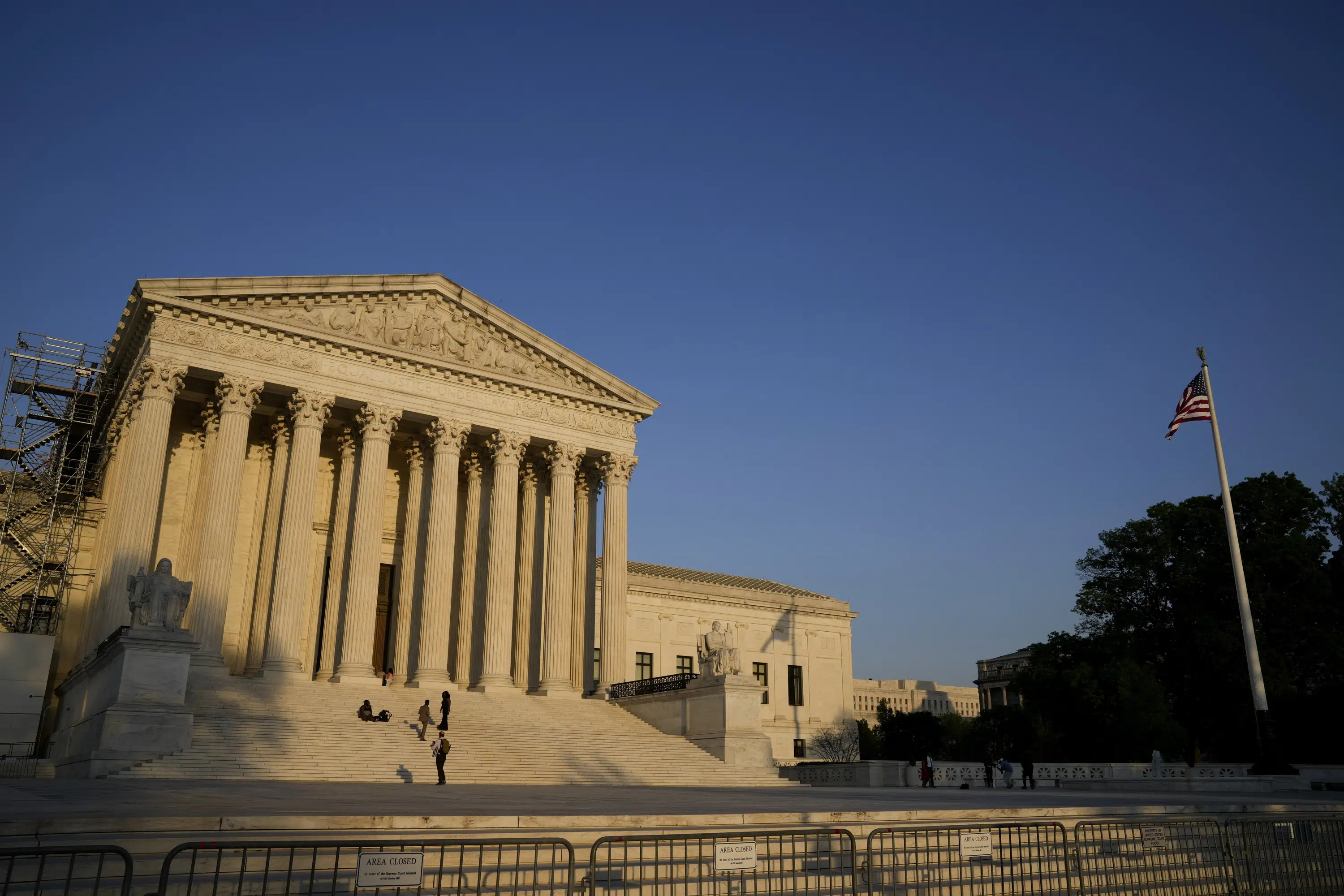
The Supreme Court is hearing arguments in a case involving a 94-year-old woman who lost her condo over unpaid taxes, with the county keeping all the proceeds from the sale. The case raises questions about whether local governments can keep excess money from such sales, violating constitutional protections against having property taken without "just compensation" and excessive fines. Roughly a dozen states, including Minnesota, allow local jurisdictions to keep the excess money. The decision is expected by late June.
Local governments in China, burdened with debt, are seeking new ways to raise money as the central government prioritizes reducing financial risks. Direct debt of local governments exceeded 120% of revenue in 2022, and China's explicit local government debt nearly doubled over five years to $5.14 trillion last year. Local governments are turning to taxes, asset sales, and transfers to boost revenue, as property-related revenue remains under stress due to the real estate slump. The central government is increasing transfers to local governments and plans to boost support by another 3.6% this year. Some local governments are trying to generate extra income by restricting bike-sharing companies to a handful of bike share quotas, sold for a multi-year period.