A former In-N-Out Burger employee is suing the chain for at least $3 million, claiming discrimination based on his hairstyle and cultural identity, which he argues violates the CROWN Act. He was fired after refusing to shave his sideburns, which he says are part of his cultural expression, and alleges the dress code policies are unfair to Black workers.
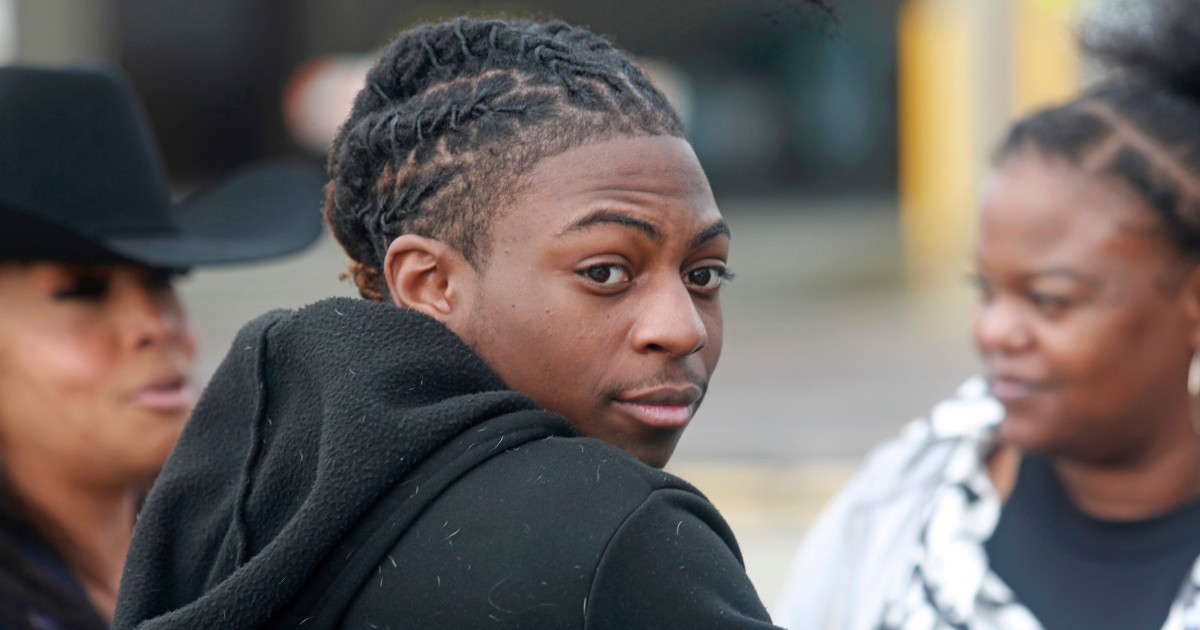
A federal judge is deliberating on whether to dismiss a lawsuit filed by Darryl George, a Black Texas student, who claims racial and gender discrimination after being punished for his hairstyle by his school district. The lawsuit, which also cites the CROWN Act and First Amendment rights, challenges the district's hair length policy. The judge has not yet issued a ruling.
Republican lawmakers in West Virginia have rejected the CROWN Act, which would have banned discrimination against Black hairstyles, citing potential costs for hair discrimination lawsuits. Advocates, including those who have experienced hair discrimination, expressed disappointment and frustration with the decision, while Democratic Sen. Mike Caputo criticized the move as a step backward. Despite efforts to address concerns about costs, the bill was removed from the Senate floor, leading to disappointment among advocates who had hoped for progress in the state.
A judge ruled that the punishment faced by a Black high school student in Texas for his dreadlocks does not violate the state's CROWN Act, which prohibits race-based hair discrimination. The student has been banned from regular classes and faces in-school suspension due to the length of his dreadlocks, which the school claims violates their dress code. The family filed a federal lawsuit against the governor and attorney general for allegedly not enforcing the CROWN Act, alleging improper discipline and abrogation of constitutional and state rights.
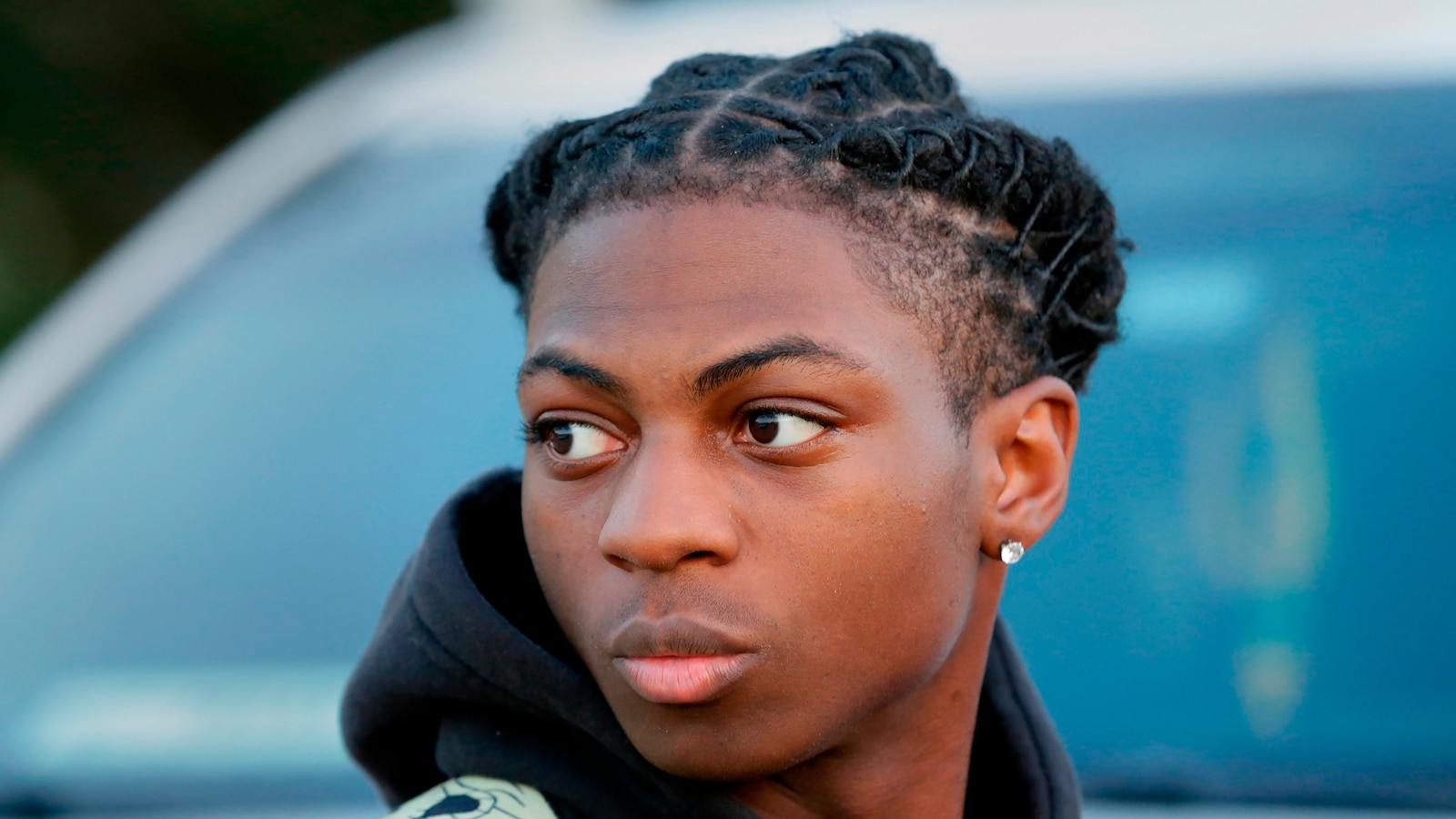
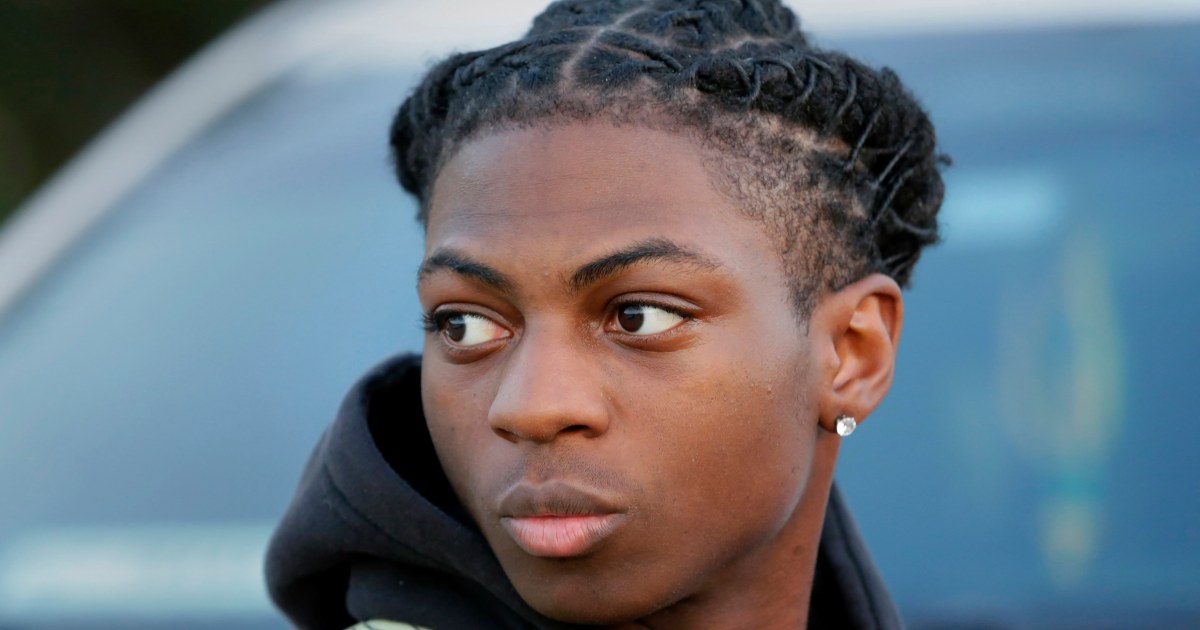
A Texas judge ruled in favor of Barbers Hill ISD, stating that the school did not violate the state's CROWN Act by suspending 18-year-old Darryl George for the length of his locs hairstyle. The judge's decision came after the school district removed George from regular classes, citing non-compliance with the dress code. The Texas CROWN Act, which prohibits race-based hair discrimination, went into effect just one day after George's suspension. The George family's attorney plans to seek an injunction from a federal court, and they also have a federal civil rights lawsuit pending against Texas Gov. Greg Abbott and Attorney General Ken Paxton for not enforcing the law. This case follows previous clashes between the district and two other Black male students over the dress code, which led to a federal judge ruling the district's hair policy as discriminatory.
A Texas judge ruled that the Barbers Hill Independent School District can punish a Black student for wearing long locs, despite the Texas CROWN Act's protection of such hairstyles. The student, Darryl George, has been in in-school suspension since August for his hairstyle, which the district argues violates its policy against male hairstyles extending beyond certain lengths. The ruling has sparked emotional reactions and raised questions about the interpretation of the CROWN Act and its legislative intent.
A Texas judge ruled that a Black high school student's suspension over his hairstyle does not violate the state's new law prohibiting race-based hair discrimination. The student, Darryl George, has been out of his regular classes since August for refusing to change his tied and twisted locs, which the school district says violate its hair length policy. The judge ruled in favor of the school district, stating that its ongoing discipline of George is legal under the CROWN Act. George's family has filed a federal civil rights lawsuit against the school district, Governor Greg Abbott, and Attorney General Ken Paxton, alleging they failed to enforce the CROWN Act.
A Texas judge ruled that a high school's dress and grooming policies, which led to the punishment of a Black teen over the length of his dreadlocks, do not violate the state's CROWN Act, which prohibits race-based hair discrimination. The decision has sparked disappointment and plans for appeal from the teen's family and supporters, who argue that the policy infringes on his education and rights. This ruling comes after a monthslong battle between the student's family and the school district, and is the latest in a series of disputes over the district's hair policies.
The trial begins to determine if the Texas school district's dress code, which restricts the length of male students' natural hair, violates the state's CROWN Act. Darryl George, a teen suspended for his locs hairstyle, and his family argue that the CROWN Act prohibits such policies. The district's superintendent looks forward to the issue being legally resolved, while George and his family express hope for justice and criticize the ongoing battle for cultural acceptance.
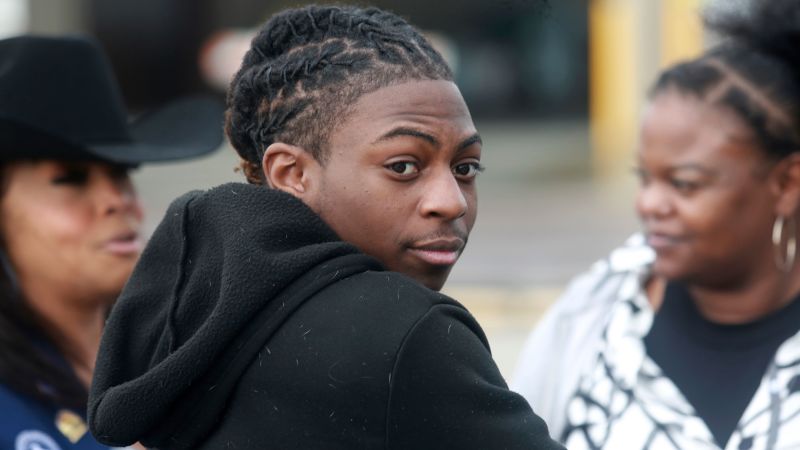
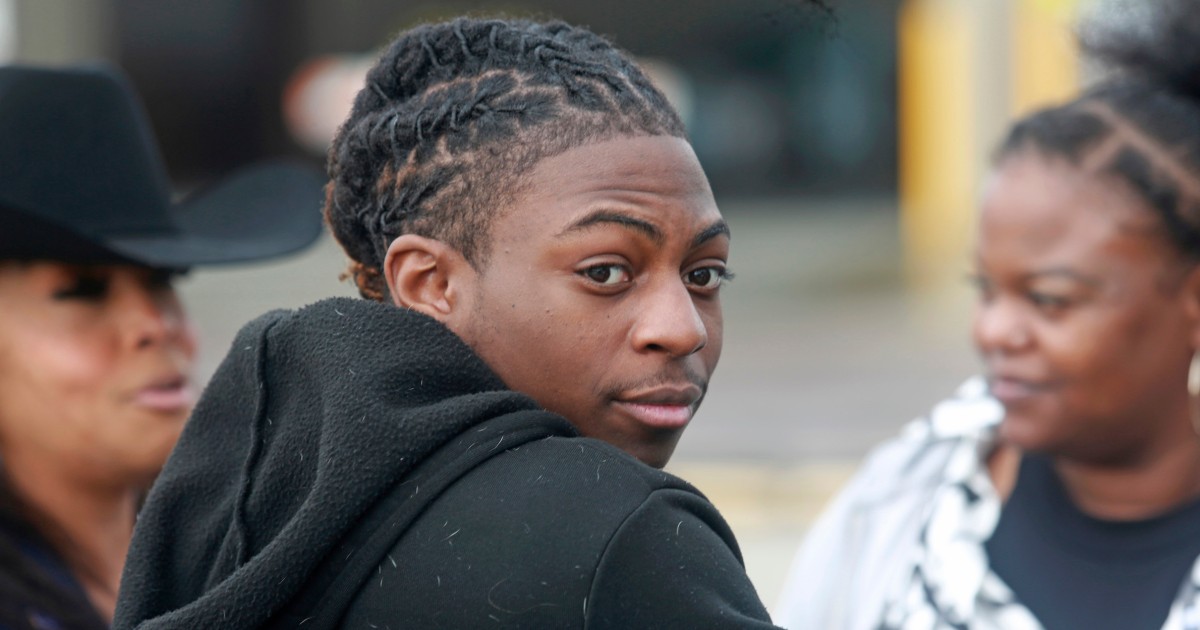
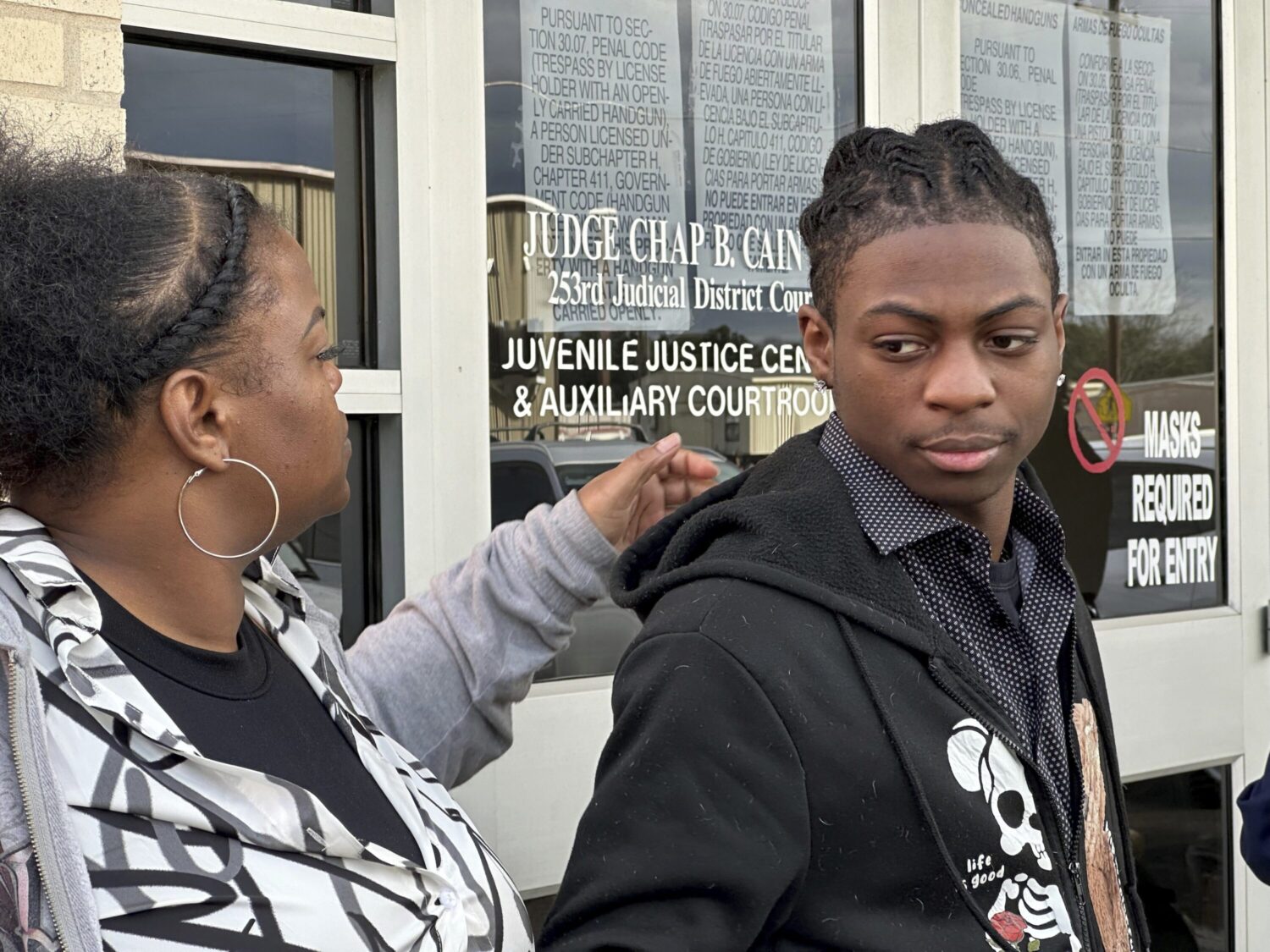
A Black student at Barbers Hill High School in Texas has been punished for months for wearing long locs, leading to a legal standoff with school officials. The student and his mother argue that the school's dress code violates the CROWN Act, a new state law prohibiting discrimination based on hairstyles. A trial is set to determine whether the district's policy violates the CROWN Act, with the student's hairstyle being at the center of the dispute. The case has reignited a fight over hair discrimination in Texas and drawn attention to similar issues in other school districts across the state.
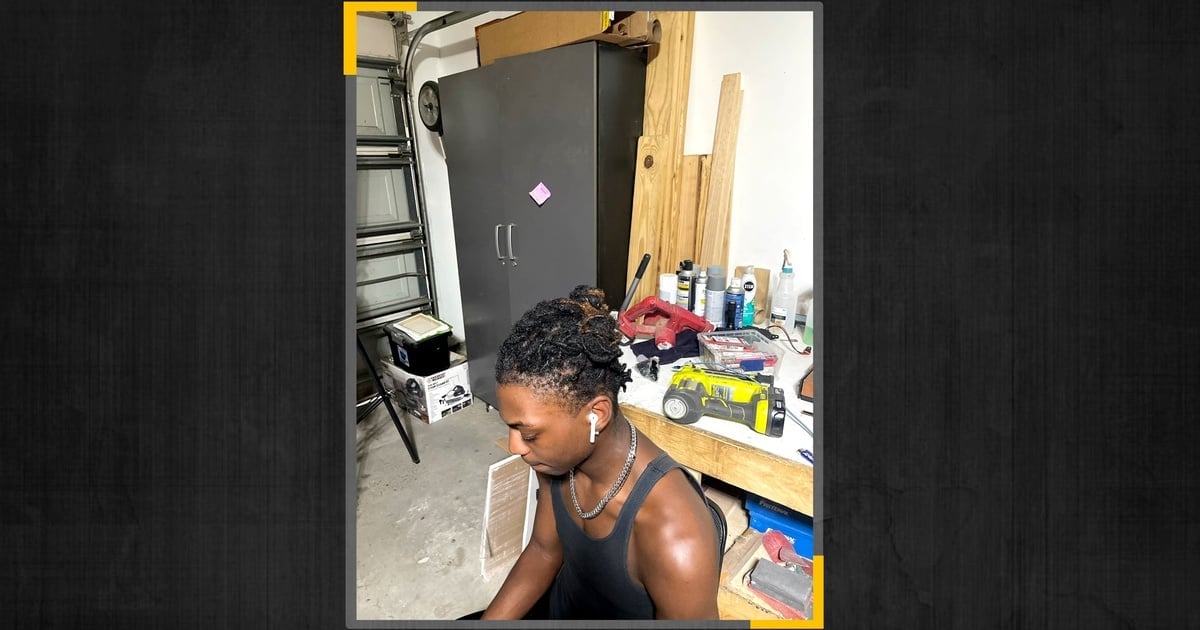
A trial is underway to determine if a Black high school student in Texas can be punished for refusing to change his hairstyle, which he and his family argue is protected by the CROWN Act, a new state law prohibiting race-based hair discrimination. The student's long hair, worn in tied and twisted locs, violates the school district's dress code policy, leading to months of punishment. The district claims the policy does not violate the CROWN Act, while the student's attorney argues that the law protects hair length as many of the hairstyles it covers require long hair. The student's family has also filed complaints and a federal civil rights lawsuit, alleging failure to enforce the CROWN Act.
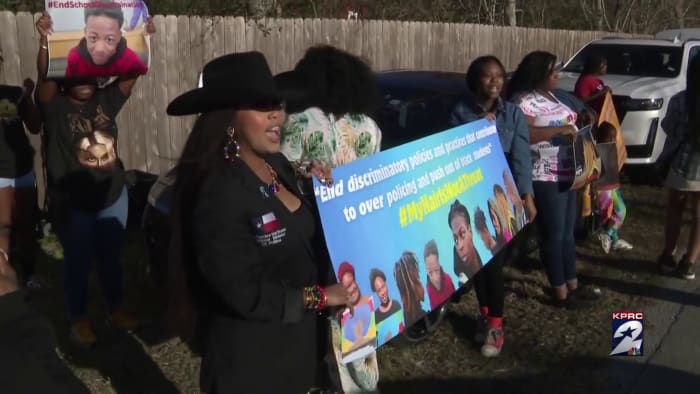
Community leaders and civil rights activists protested in the neighborhood of Barbers Hill ISD Superintendent Dr. Greg Poole ahead of the trial for high school student Darryl George, who has faced disciplinary actions for wearing locs, a hairstyle deemed non-compliant with the school's handbook. George and his family argue that the district's actions violate the CROWN Act, a law passed to prevent hair-based discrimination, and have filed a federal civil rights lawsuit against the state's Governor, Attorney General, and the school district. The school district has filed a lawsuit seeking clarification on whether its dress code restrictions for boys' hair length violate the CROWN Act.
A Texas school district is facing a trial over its punishment of a Black teen for refusing to change his dreadlocks, which the district claims violates its dress code. The teen's family argues that the punishment violates the state's CROWN Act, which prohibits race-based hair discrimination. The trial, scheduled for Thursday, will determine whether the district's policy is in violation of the law. This is not the first time the district has faced controversy over its hair policies, and the family is hopeful for a positive outcome that will allow the teen to return to school without facing discrimination.
A trial has been set for February 22 to determine whether Barbers Hill ISD in Texas is violating the CROWN Act by disciplining 18-year-old Black student Darryl George for wearing dreadlocks, which he and his family argue are protected by the new state law. The CROWN Act prohibits race-based hair discrimination in public schools and was passed to protect students like George. The school district claims George is violating a hair-length policy not covered by the CROWN Act, while state legislators who authored the law argue otherwise. Multiple lawsuits have been filed in relation to this dispute, and tensions remain high as the trial date approaches.
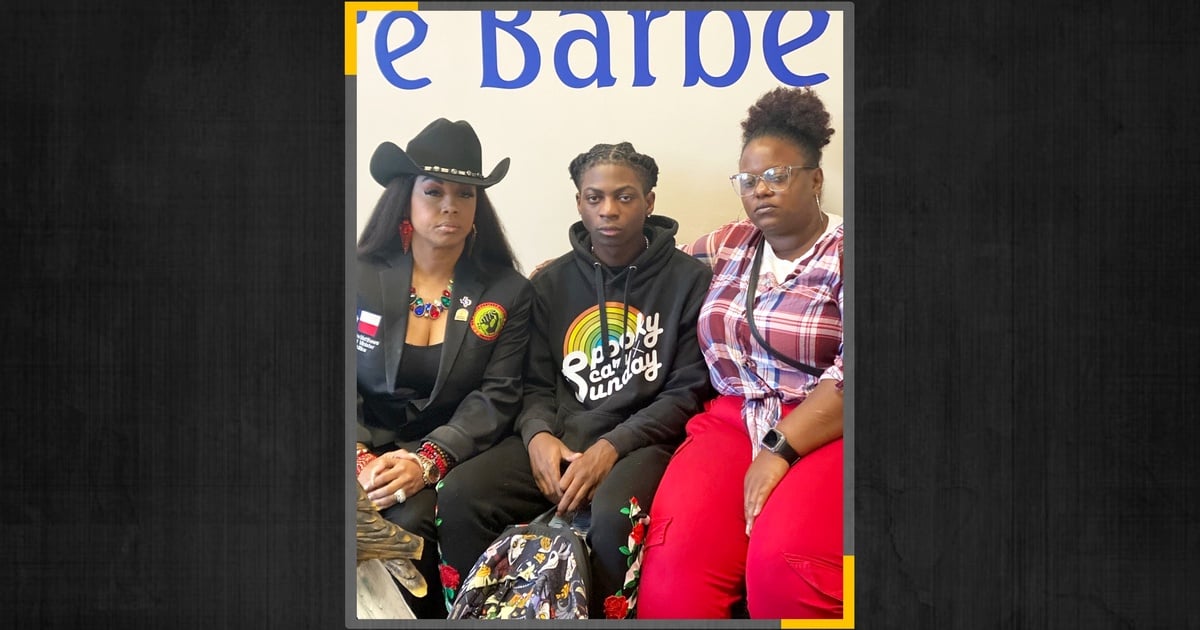
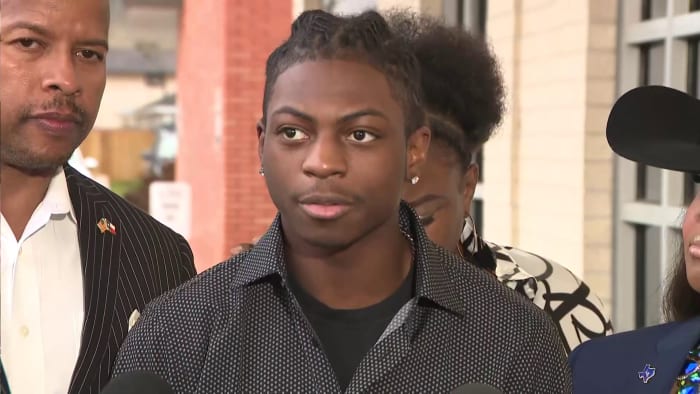
A Barbers Hill High School student and his family, along with community leaders and elected officials, are standing firm in their fight against the school district's disciplinary actions over the student's locs hairstyle, which they believe violate Texas' CROWN Act. The family's attorney and legislators have joined the cause, emphasizing the need to combat hair discrimination and uphold the law. The trial is set to begin on Feb. 22, and the family remains resolute in seeking justice for the student.