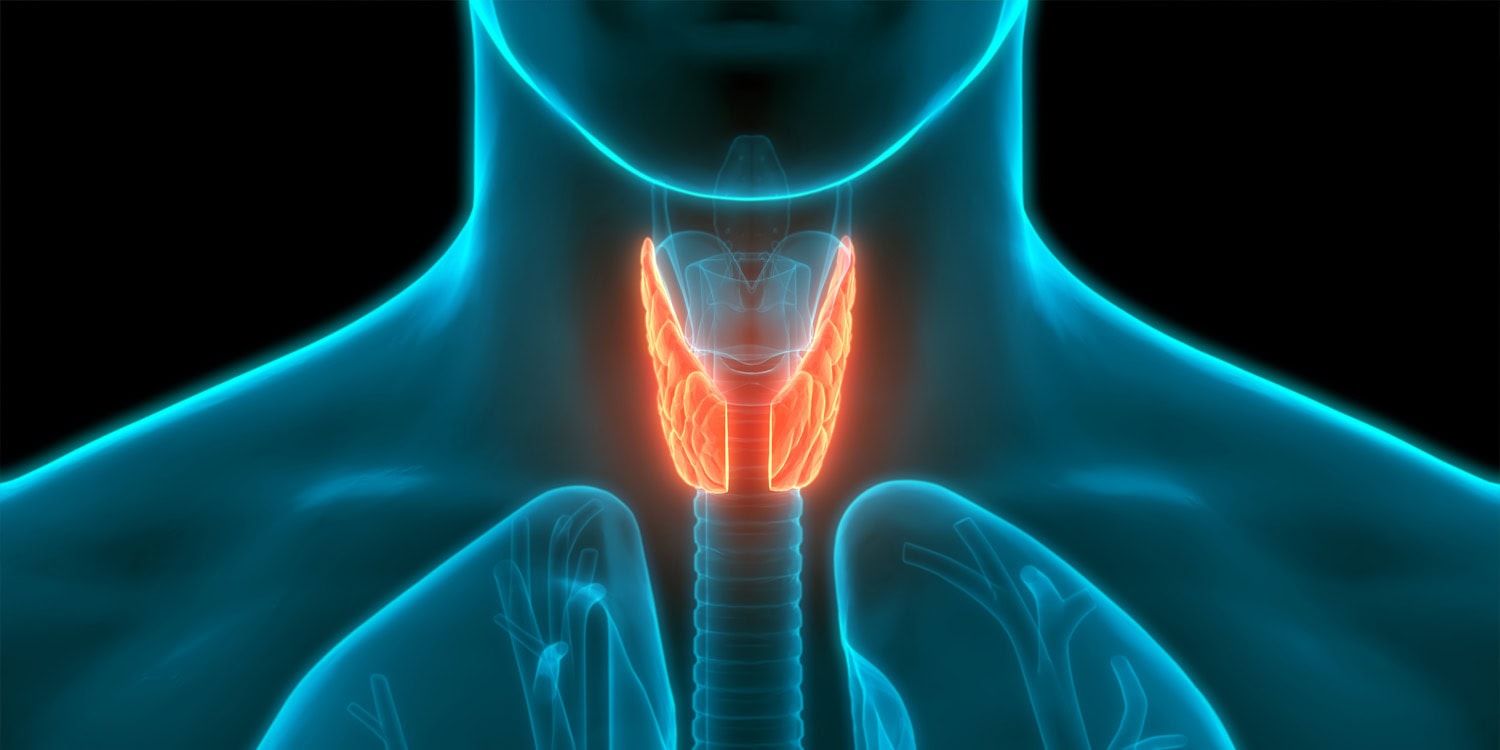
A study reveals that thyroid hormones in the brain, particularly in the amygdala, play a crucial role in fear memory formation, with potential implications for treating trauma-related disorders like PTSD. Enhancing or blocking thyroid hormone activity affects fear memory strength, and these effects are linked to specific gene regulation, suggesting new avenues for therapeutic intervention.
Researchers have discovered the pivotal role of RNA in fear-related learning and memory. Noncoding RNA Gas5 influences neuronal excitability, impacting learning and memory processes, while m6A-modified RNAs regulate synaptic plasticity crucial for fear extinction memory, a key factor in PTSD. These findings provide new insights into RNA's role in the brain and potential RNA-based therapies for PTSD and phobias.
Researchers have used innovative optical and machine-learning methodologies to decode the neural networks involved in traumatic memory formation. They identified a neural population encoding fear memory and discovered the crucial role of the dorsal part of the medial prefrontal cortex (dmPFC) in associative fear memory retrieval in mice. The study also revealed a novel associative connection between distinct networks involved in fear conditioning, shedding light on the mechanisms of information processing that trigger a fear response. This research not only advances our understanding of memory formation but also demonstrates the potential of combining optics and machine learning to study neural dynamics.
Researchers have discovered that K-63 ubiquitin, a variant of the protein ubiquitin, is involved in forming fear memories in the female brain, potentially contributing to post-traumatic stress disorder (PTSD). This discovery sheds light on why women are more likely to suffer from PTSD and paves the way for developing female-specific therapeutic treatments. The research was led by Ph.D. candidate Kayla Farrell and Associate Professor Tim Jarome at Virginia Tech’s School of Animal Sciences, and supported by the National Institute of Mental Health.