New Study Unravels the Science Behind Will-o'-the-Wisps
The flickering blue flames known as will-o'-the-wisps, often mistaken for spirits, are caused by the ignition of methane gases in swamps, though the exact mechanism of ignition remains unknown.

All articles tagged with #ignition
The flickering blue flames known as will-o'-the-wisps, often mistaken for spirits, are caused by the ignition of methane gases in swamps, though the exact mechanism of ignition remains unknown.
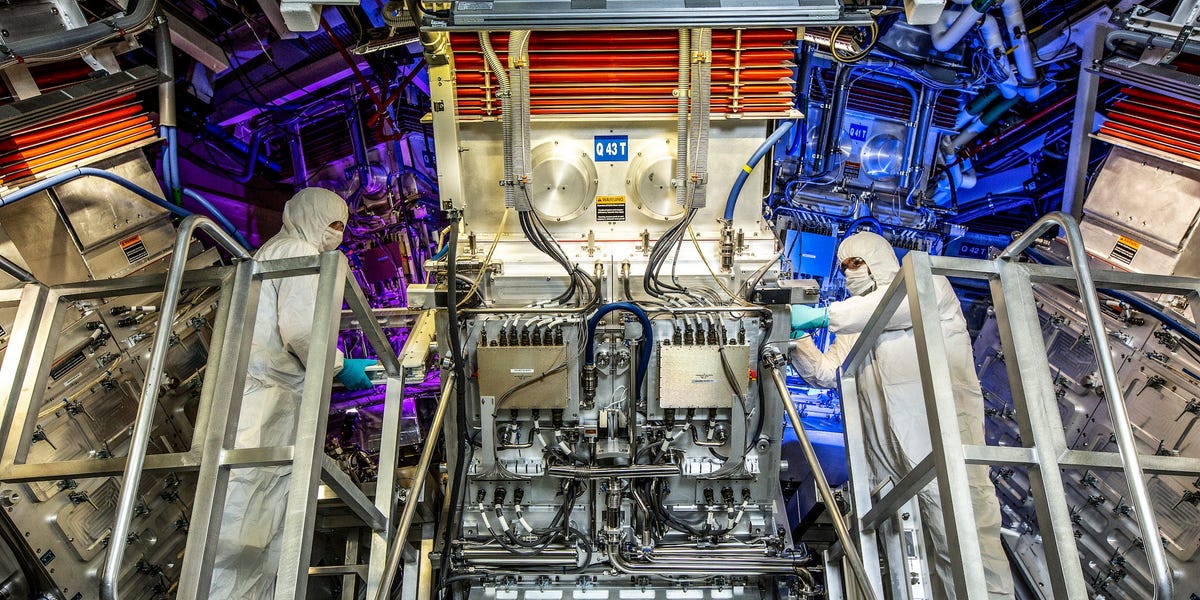
The National Ignition Facility (NIF) at Lawrence Livermore National Lab has achieved fusion ignition multiple times since its breakthrough in 2022. NIF uses lasers to create extreme temperatures and pressure, generating more energy from nuclear fusion than it consumes. Fusion power is considered a clean and abundant energy source, but there are still challenges to overcome before it can be widely implemented. Private companies and investors are also entering the fusion research race, hoping to provide commercial electricity within a decade. However, there are still scientific, engineering, and cost-related obstacles to overcome before fusion power becomes a reality.
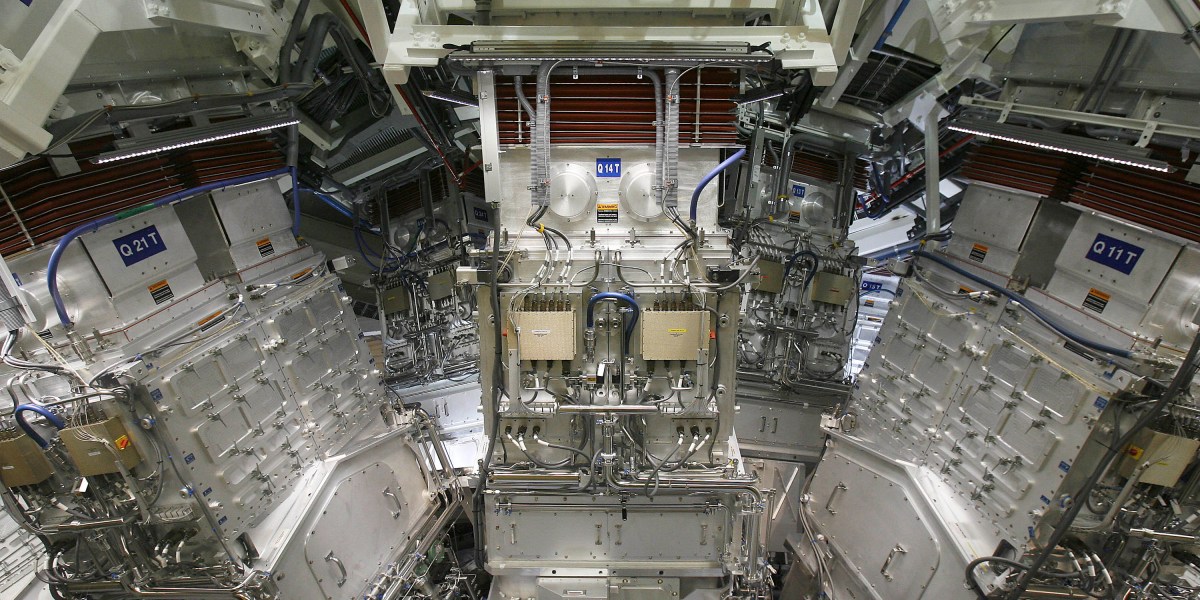
The Lawrence Livermore National Laboratory in the US has successfully replicated its breakthrough achievement in nuclear fusion, where a controlled reaction yielded more energy than it took to produce. The lab conducted a series of tests this spring and summer, with one experiment achieving breakeven in June. They finally reached ignition again last week, bringing the world one step closer to using fusion as a clean and abundant source of energy. However, the practical application of fusion as a power source still faces significant challenges.