
linguistics3.835 min read
Decoding the World's Most Understood Word
1 year ago•Source: The Daily Galaxy --Great Discoveries Channel

The latest linguistics stories, summarized by AI

Zipf's Law, a statistical principle where word frequency inversely correlates with its rank, applies to nearly all languages, including undeciphered ones like the Voynich Manuscript. Despite its widespread occurrence, the reason behind this pattern remains unclear, with theories ranging from cognitive efficiency to language evolution. The law suggests a surprising predictability in human language use, challenging notions of linguistic unpredictability.

Bored Panda•2 years ago
Phys.org•2 years ago
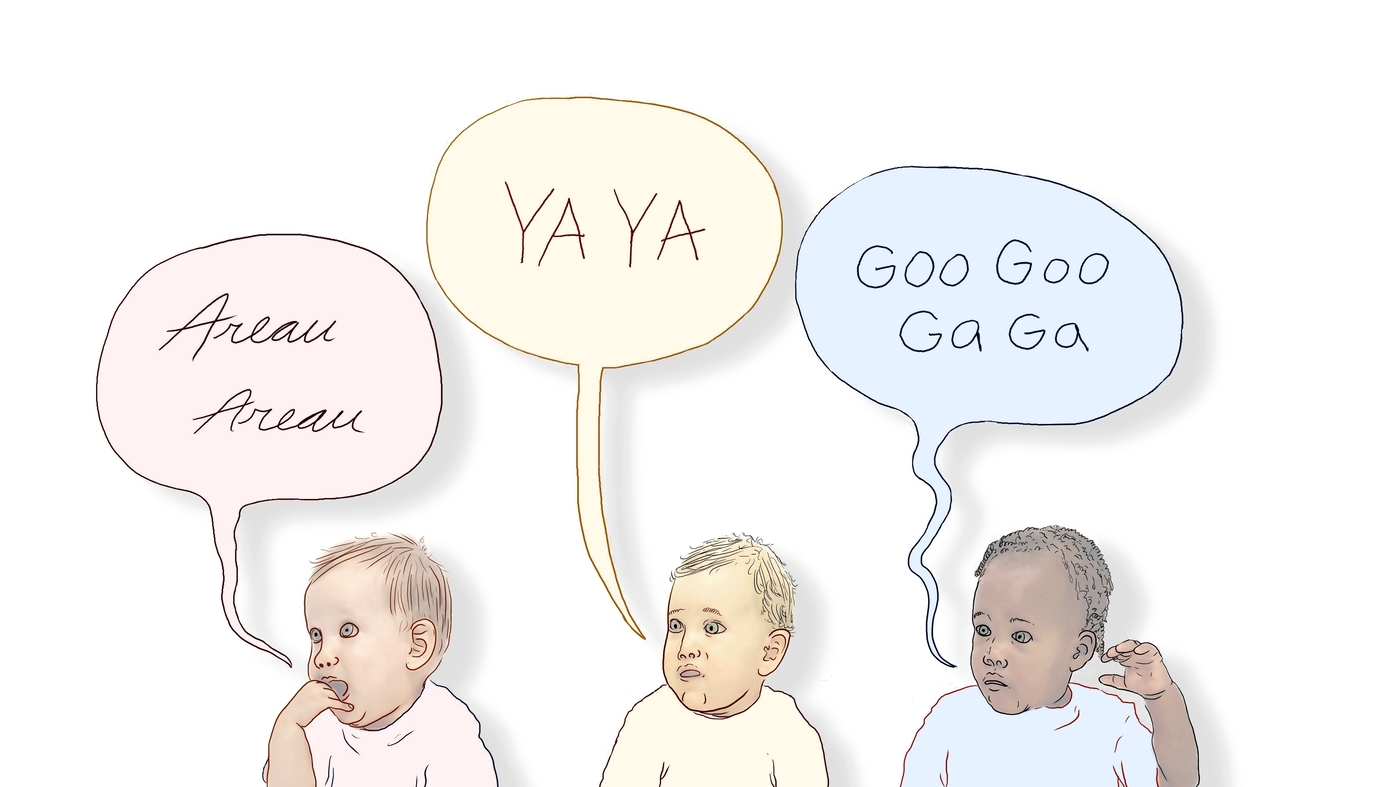
Babies babble with different sounds depending on the language they are exposed to, indicating their ability to imitate the rhythm and intonation of the language they hear. Research shows that babies raised in bilingual households adapt their babbling patterns to match the languages they are exposed to. This ability is attributed to enhanced neuroplasticity, which allows babies to learn and distinguish all sounds and languages. Contrary to the belief that learning multiple languages simultaneously would confuse babies, studies suggest that it actually enhances brain flexibility and maximizes neuroplasticity. The heightened ability to learn language lasts until around 5 years old, with some language superpowers lingering until age 12.

A study conducted by researchers at the Max Planck Institute for Evolutionary Anthropology challenges the assumption that the complexity of a language's grammar is influenced by societal size and the presence of non-native speakers. The study analyzed data from 1,314 languages and found that grammatical complexity accumulates slowly and is not significantly affected by social environments. The research highlights the importance of large-scale data and considering factors such as genealogical inheritance and contact when studying the evolution of languages.

Scientists have observed the development of a new accent in Antarctica among the rotating population of scientists and support staff. A study conducted by researchers from the Ludwig Maximilian University of Munich found that the close contact and isolation in the extreme living environment of Antarctica led to subtle but significant changes in the accents of the participants. The study suggests that isolation and close contact create ideal conditions for a new accent to rapidly evolve, and raises the possibility of a Martian accent developing if humans establish a colony on Mars in the future.
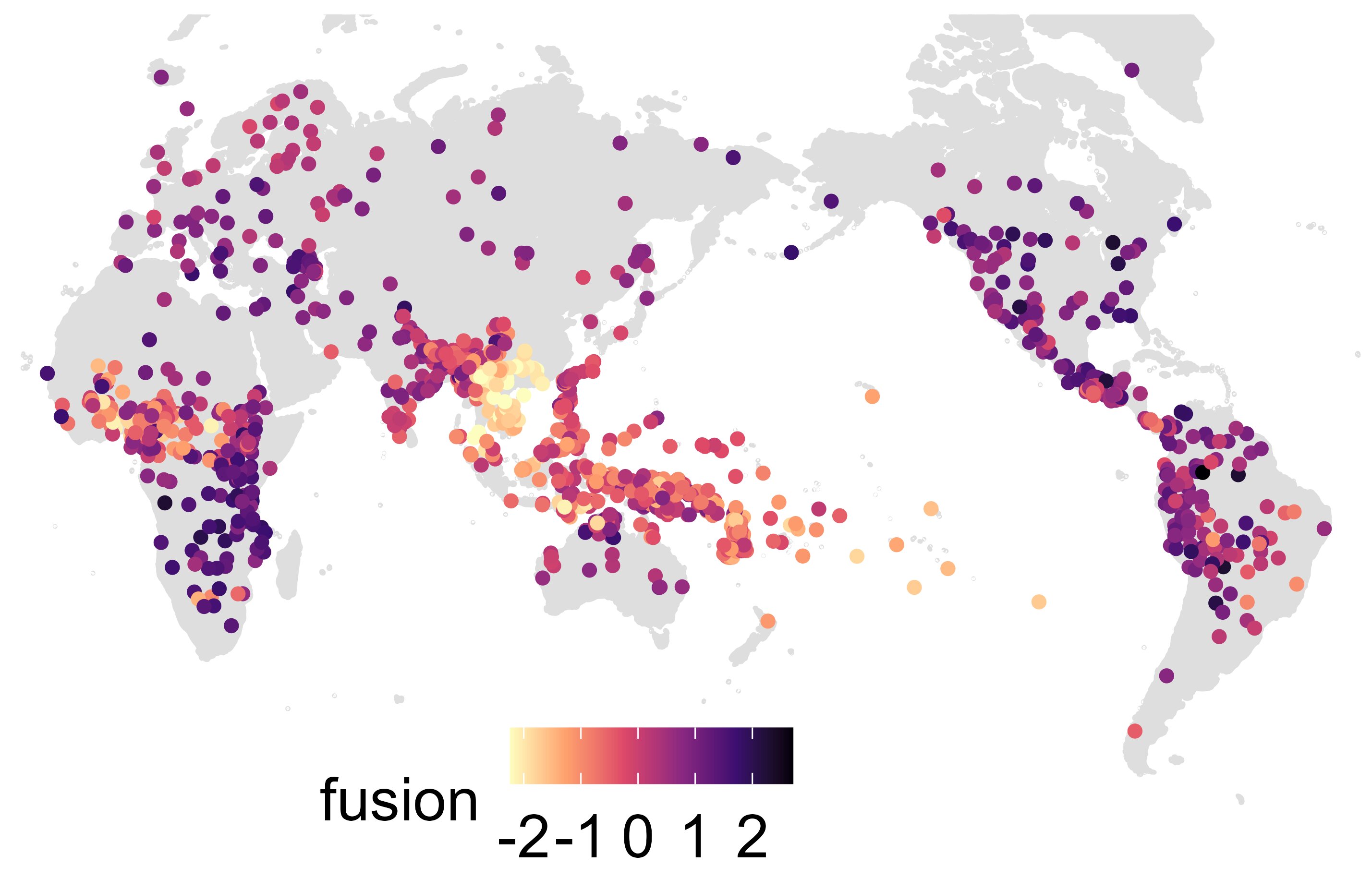
A study conducted by researchers at the Max Planck Institute for Evolutionary Anthropology measured the grammatical complexity of 1,314 languages and examined the influence of social environments on language evolution. Contrary to previous claims, the study found that societies of strangers, characterized by larger populations and more non-native speakers, do not speak less complex languages. The research highlights the importance of using large-scale data and considering factors such as genealogical inheritance and contact when studying the evolution of languages.

A team of linguists and geneticists from the Max Planck Institute for Evolutionary Anthropology has shed new light on the origins of the Indo-European languages, spoken by nearly half of the world's population. By analyzing a comprehensive dataset of core vocabulary from 161 Indo-European languages, including ancient and historical languages, the researchers estimated the age of the language family to be around 8,100 years old. Their findings suggest a hybrid hypothesis, with an ultimate homeland south of the Caucasus and subsequent migrations to the Pontic-Caspian Steppe and Europe. This new model integrates genetic and linguistic evidence, providing a more plausible explanation for the origin of Indo-European languages.

Linguistics professor Phillip M. Carter argues that Miami English, heavily influenced by Spanish, is a distinct regional dialect of American English. Decades of exposure to Spanish have resulted in phrases spoken and understood even by native English speakers who are not fluent in Spanish. These phrases, known as calques, are direct translations from Spanish. While some linguists believe Miami English is currently more of a sociolect, specific to certain social groups, there is a possibility that it may expand and become a recognized dialect. The influence of Spanish on Miami English is seen in its vowel system, grammatical structure, and lexicon.

A study conducted by researchers from Lund University and the Russian Academy of Sciences found that a language's beauty is not intrinsic, but rather exists in the ear of the listener. The study recruited 820 participants from different language backgrounds to listen to 50 spoken recordings from 228 languages and rate them on a scale ranging from "not at all" to "very much." The researchers found that familiarity with a language had a strong effect on how it was rated, but controlling for familiarity, most languages scored within 2% to 3% of each other in pleasantness. The study also found that nontonal languages were slightly preferred, and a "breathy female voice" was rated as much more pleasant.
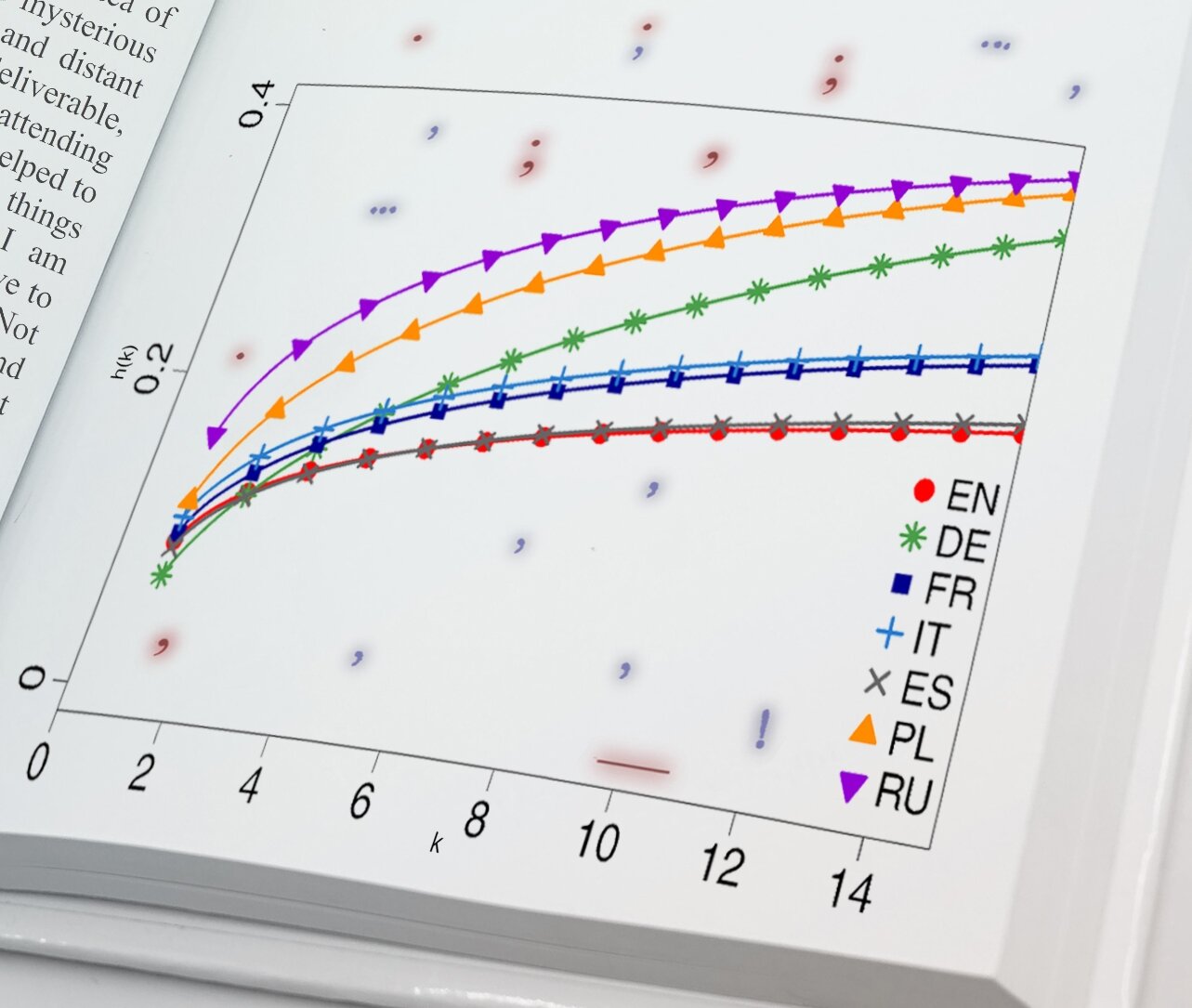
Recent statistical analyses of literature written in seven major Western languages reveal that punctuation is a universal and indispensable complement to the mathematical perfection of every language studied. The statistical features of punctuation usage patterns have been observed in several hundred works, and the same distribution of punctuation marks was found in all the languages studied. The Weibull distribution was used to describe the statistical distribution of the distance between consecutive punctuation marks, and German punctuation was found to combine the punctuation features of many languages, making it a kind of Esperanto punctuation.