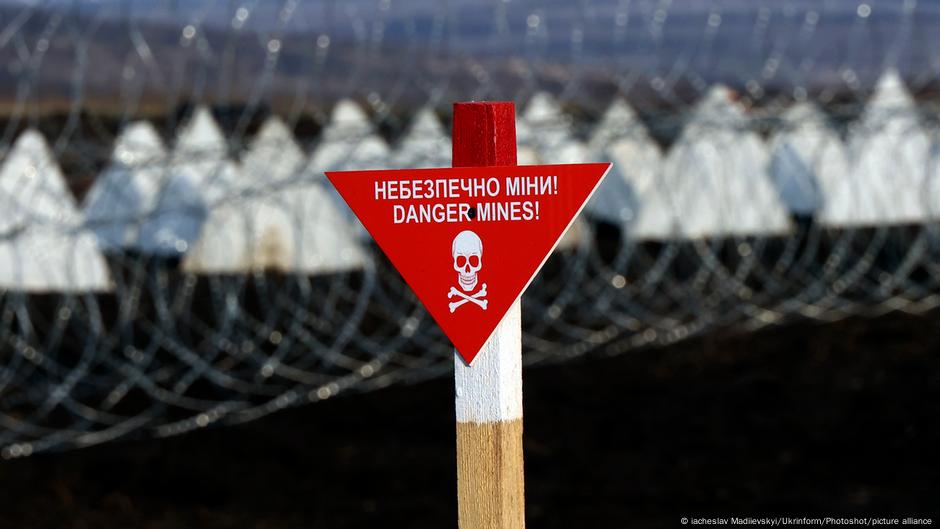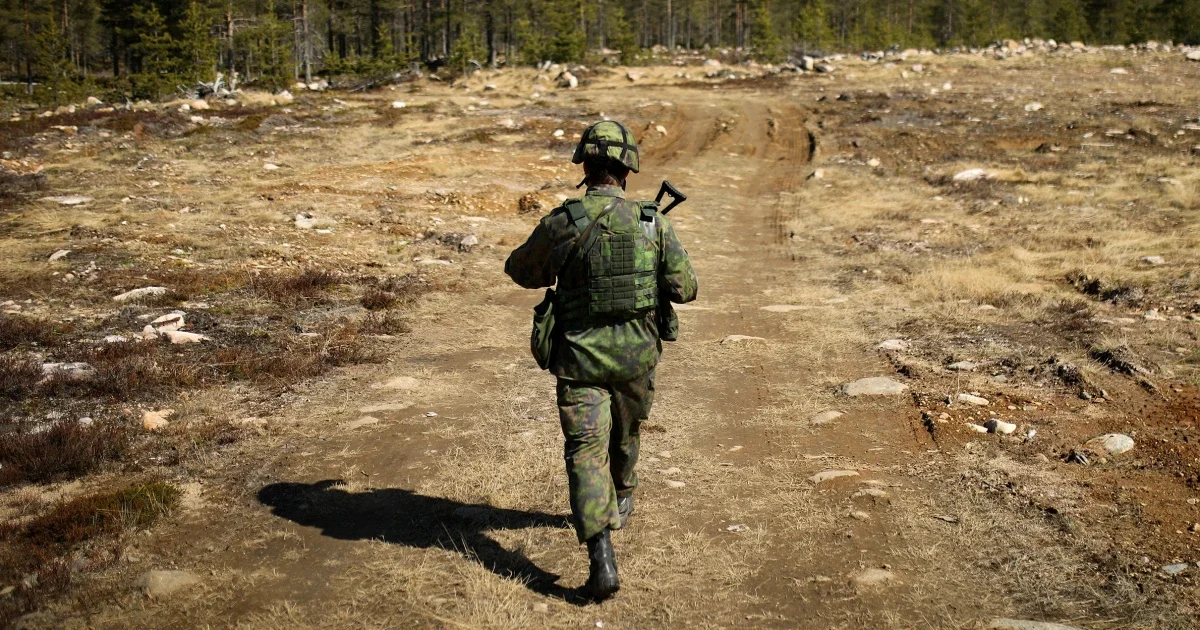
Eastern NATO countries are planning to reintroduce land mines along their borders with Russia and Belarus to enhance deterrence amid ongoing security concerns, despite the controversy and risks associated with land mines, and are withdrawing from the Ottawa Convention which bans their use.
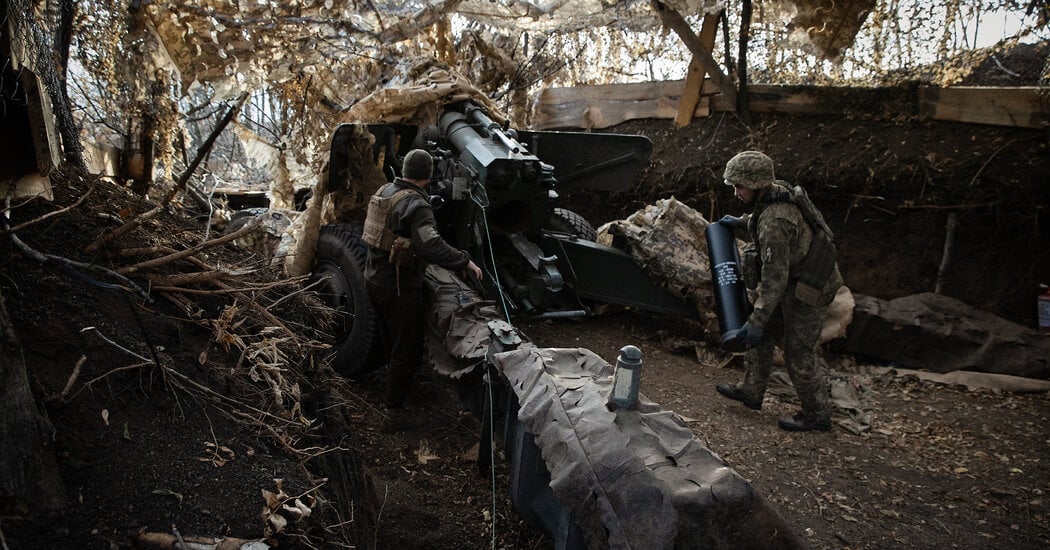
The United States is sending an additional $725 million in military aid to Ukraine, which includes more land mines, as part of ongoing support in its conflict with Russia.
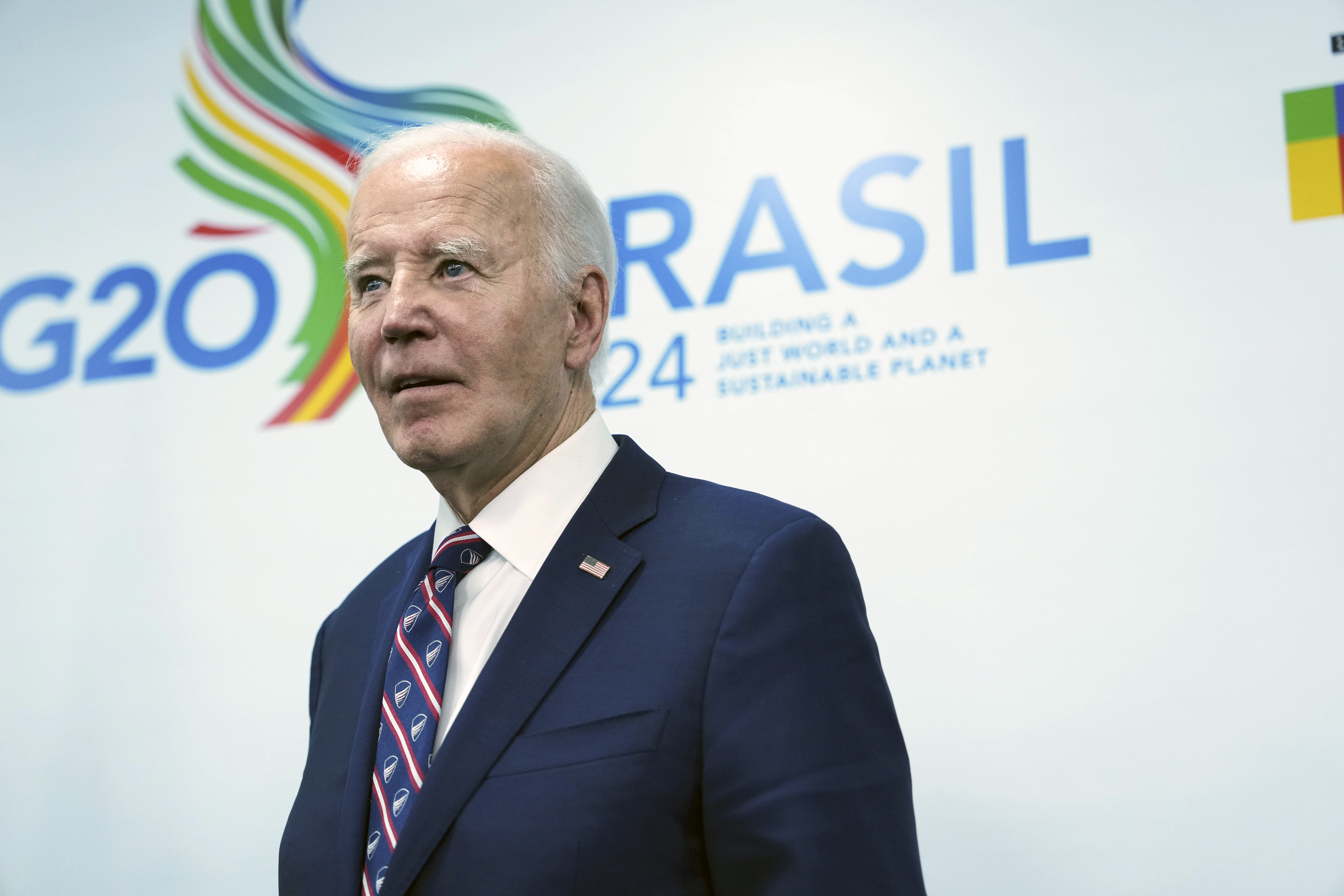
The Biden administration is ramping up military aid to Ukraine, including the provision of non-persistent anti-personnel land mines, to bolster its defense against Russian advances, particularly in the eastern regions. This move reverses a previous policy banning such mines, amid concerns over their long-term risks to civilians. The aid surge comes as President-elect Trump prepares to take office, raising concerns about potential shifts in U.S. policy towards the conflict.
Human rights groups are criticizing President Joe Biden's decision to send anti-personnel land mines to Ukraine, reversing his previous policy to limit their use. The move, intended to counter Russian advances, has been defended by the Biden administration as the mines provided are "non-persistent" and become inert over time. However, critics argue that these weapons pose long-term dangers to civilians, violating international humanitarian law. The decision reflects growing U.S. concerns over Russia's gains in eastern Ukraine.
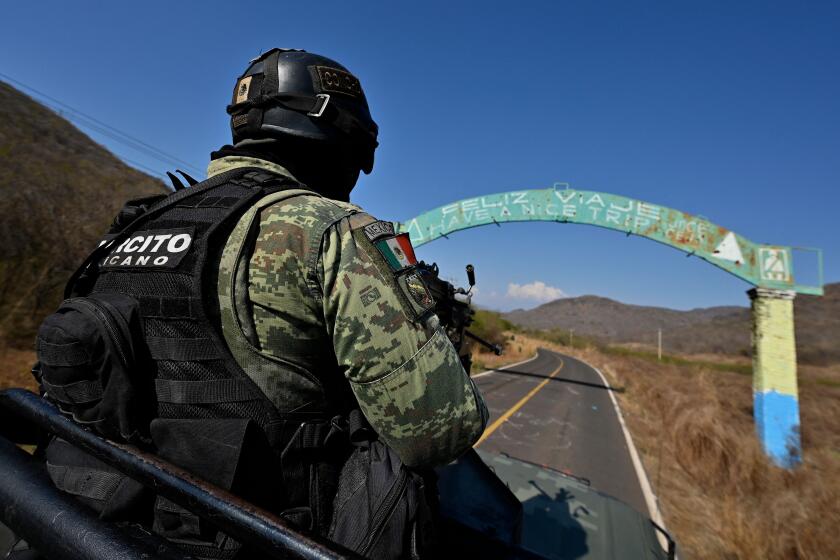
Mexican drug cartels are increasingly using improvised land mines in their warfare, resulting in deaths and injuries to both soldiers and civilians in the Tierra Caliente region. The use of land mines, along with other sophisticated weaponry such as drones and grenade launchers, marks an alarming escalation of violence in Mexico. Experts attribute the rise of land mines to an influx of mercenary fighters from Colombia, who bring bomb-making technology to rural Mexico. The widespread use of land mines has turned the region into a literal minefield, causing fear and displacement among residents. The Mexican government and the U.S. have increased support to combat the use of explosives, but the conflict continues to pose a significant threat to the local population.
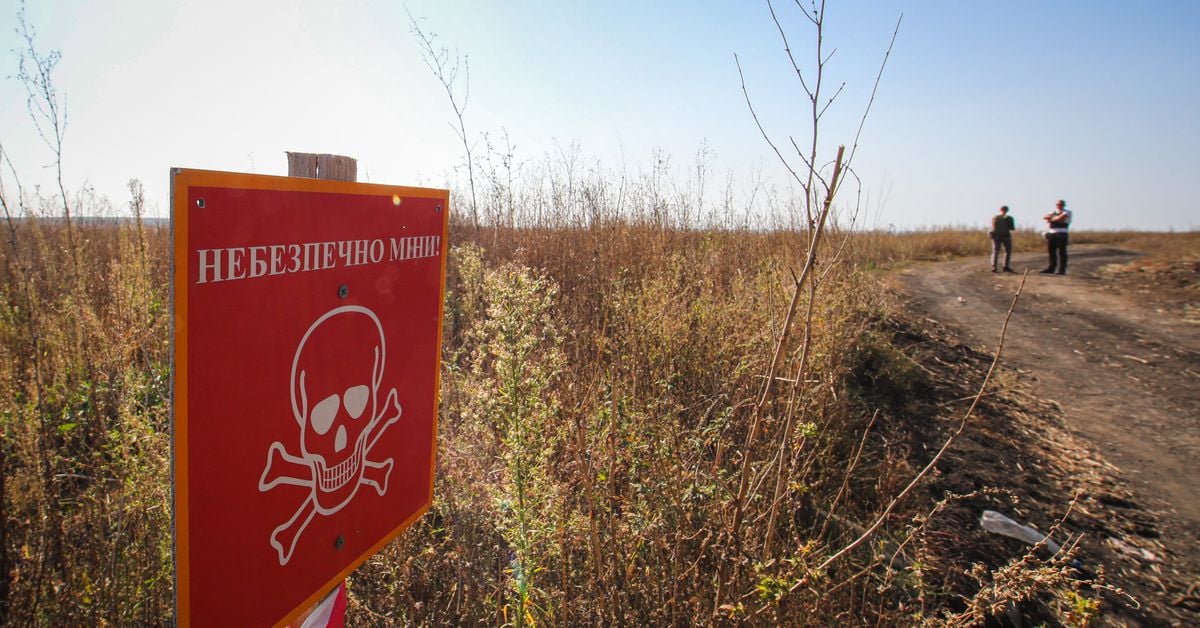
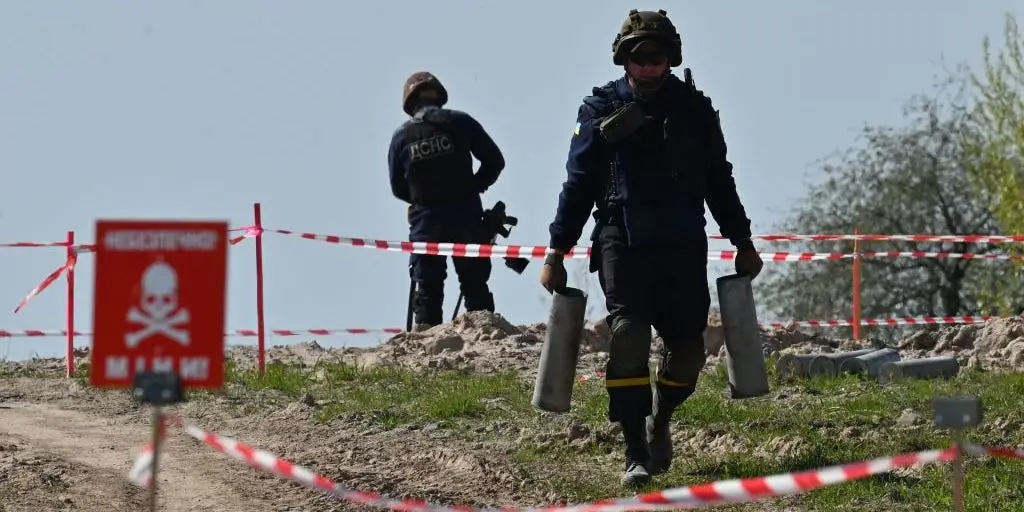
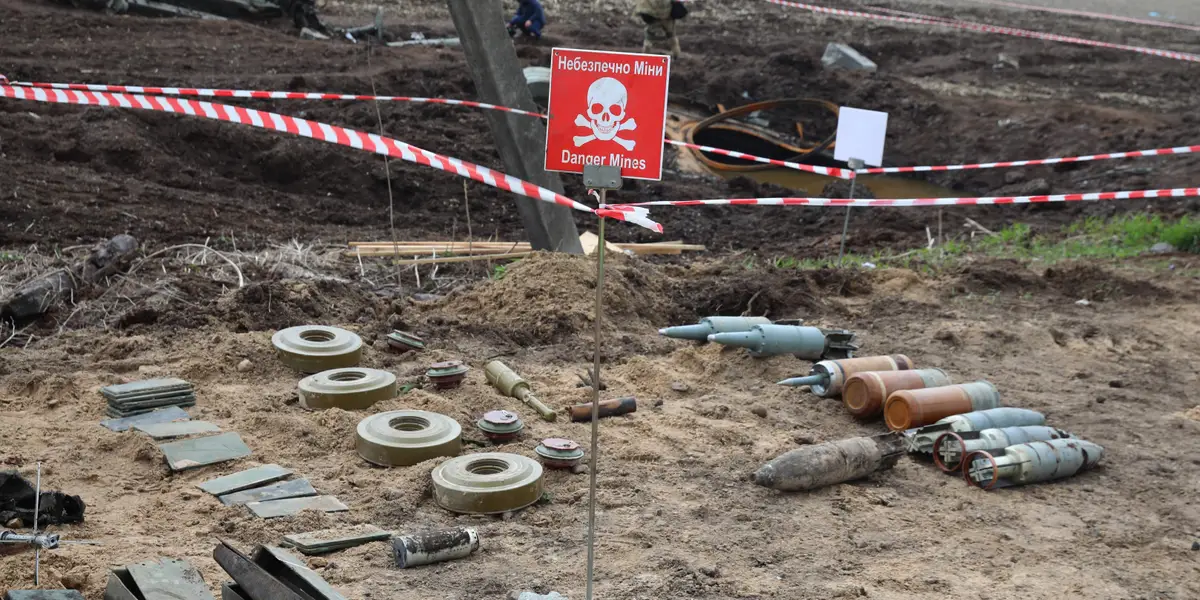
Ukraine has become one of the most heavily mined countries in the world due to Russia's full-scale invasion, with an estimated 174,000 square kilometers of land contaminated with mines and unexploded ordnance. The demining challenge is one of the largest since World War II, posing a significant humanitarian and economic impact. The risks of land mines and other explosives remain even after the fighting ends, hindering rebuilding efforts and endangering civilians. Ukraine's demining efforts prioritize critical infrastructure and civilian safety, but the scale of the problem and limited resources make full clearance unfeasible at the moment. The World Bank estimates that it will cost about $37 billion to demine Ukraine.
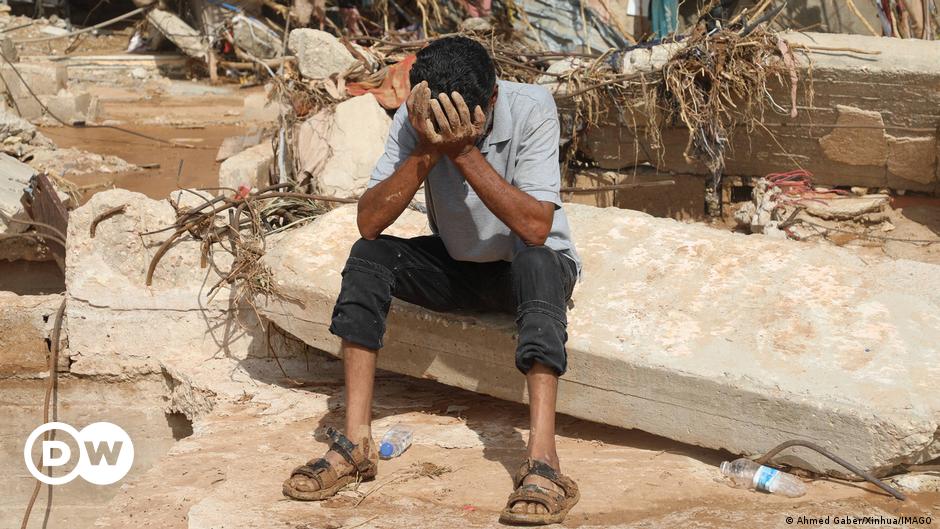
The death toll continues to rise in the eastern Libyan city of Derna following devastating floods, with thousands reported dead and over 10,000 missing. Survivors now face the additional threat of displaced land mines in the surrounding areas, as they navigate through contaminated water sources. Rescue efforts are ongoing, but the scale of destruction and political divisions in the country have hampered aid delivery. Concerns of shortages and disease outbreaks persist, while an investigation has been launched into the collapse of two dams that caused the catastrophic flooding.
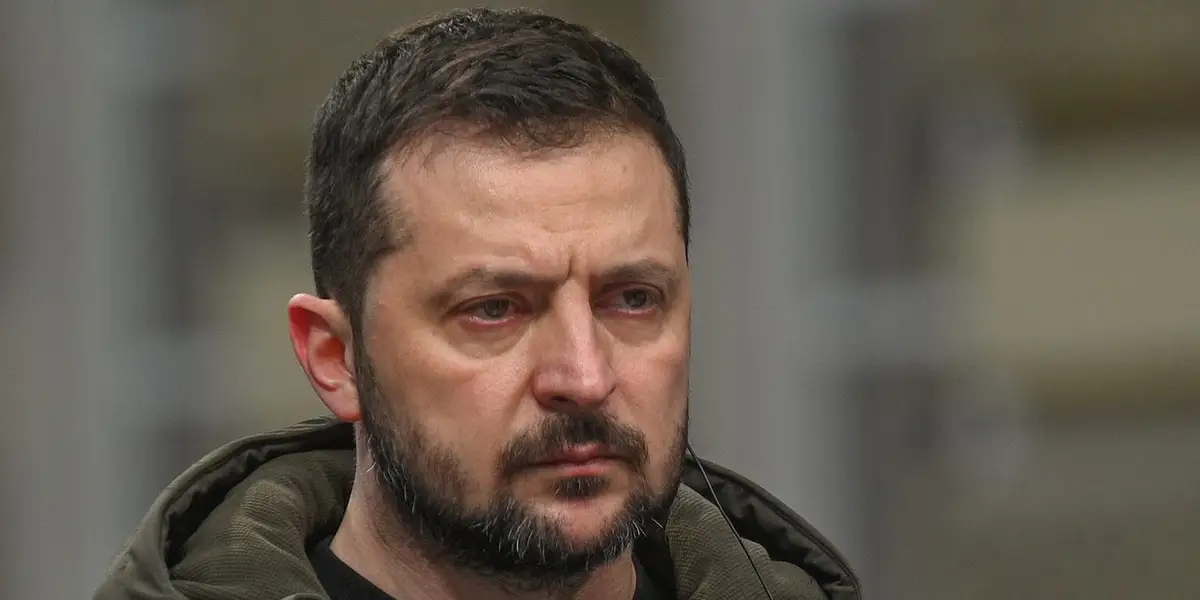
Ukrainian President Volodymyr Zelenskyy admitted that Ukraine started its counteroffensive against Russia too late, allowing Russia to plant numerous land mines across Ukrainian territory. Zelenskyy acknowledged that the delay gave the Russians ample time to prepare and mine the fields. The counteroffensive, launched in June, has been slow-moving as Ukraine awaited deliveries of Western weaponry. The use of land mines by Russia has made Ukraine the most mined country in the world, with an area the size of Florida now riddled with explosives. Despite criticism of the slow progress, Zelenskyy stated that the counteroffensive is still ongoing, while US Secretary of State Antony Blinken noted that Ukrainian troops have made tangible progress in recent weeks.
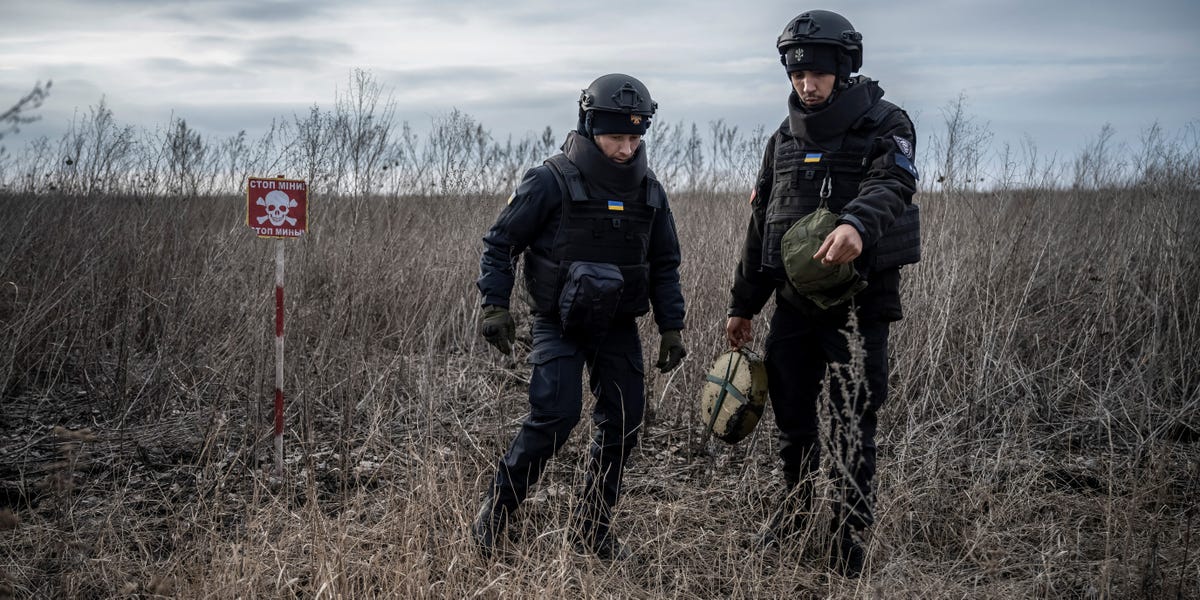
Ukrainian military engineers have revealed that Russian soldiers, who previously occupied Ukrainian territory, have left behind a dangerous legacy of land mines and booby traps. These explosives have been hidden in everyday items such as fridges, toys, and even children's books. The widespread deployment of land mines and traps has made Ukraine the most mined country in the world, with over 40% of its territory potentially contaminated. Demining efforts are underway, but the process is painstaking and deadly, requiring sappers to manually clear the area using metal detectors and other equipment. The removal of these explosives could take centuries and cost tens of billions of dollars.
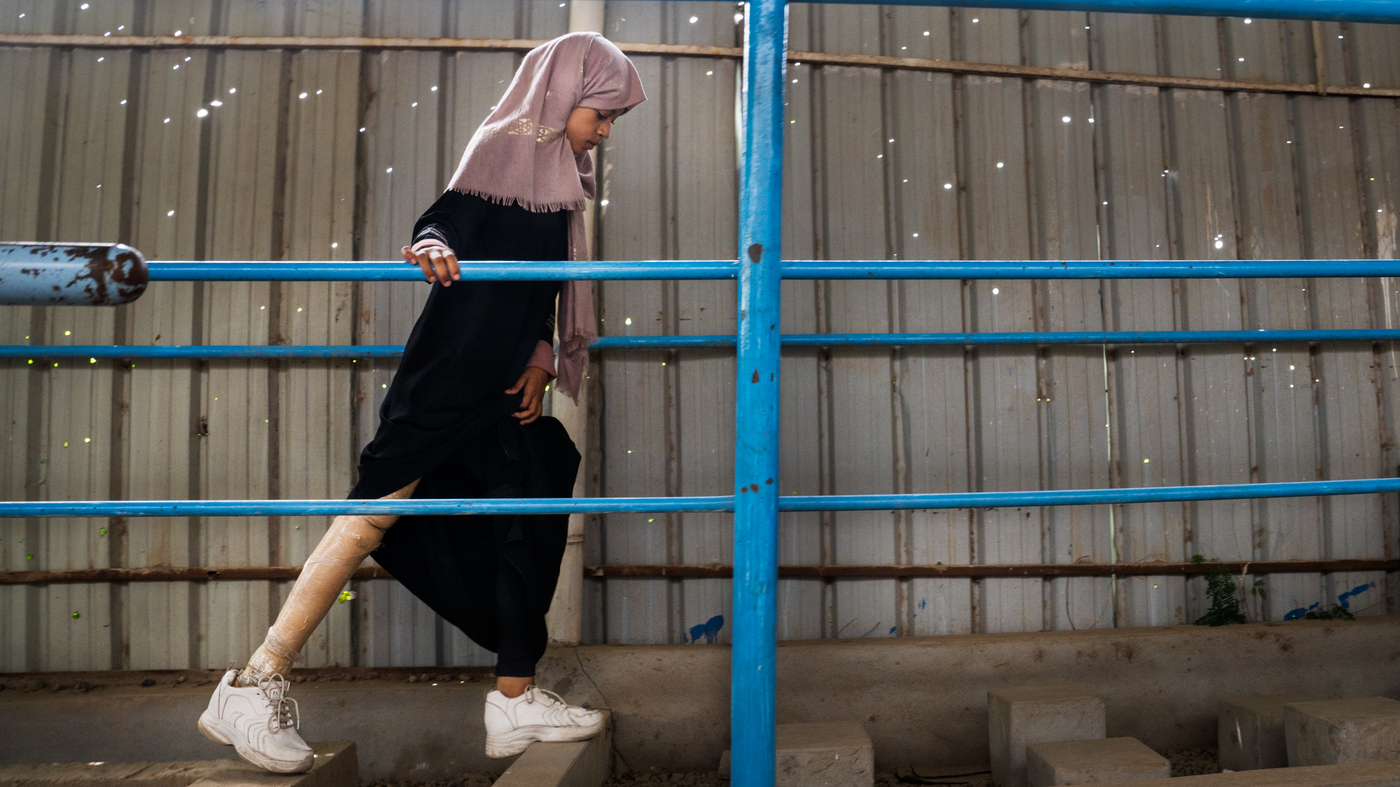
In Taiz, Yemen, a prosthetics clinic continues to treat patients, including children, who have lost limbs due to the ongoing civil war. The city is divided between Houthi rebels and the Saudi-led coalition, with a no-man's land filled with land mines separating the two sides. The clinic has seen an increase in amputation cases, with over 400 new cases in the first half of this year alone. Despite a decrease in fighting, the needs of the Yemeni population remain high, with aid groups struggling to provide basic necessities. Children are particularly vulnerable to land mines, and even during a ceasefire, a child was injured or killed every two days. The collapsed health system and lack of international humanitarian aid make it difficult to provide the necessary support, leaving many victims without lifesaving care. The legacy of the war will continue to impact Yemenis for years to come.
Despite the ongoing civil war in Yemen, a prosthetics clinic in the frontline city of Taiz continues to see a steady stream of patients, including children and soldiers, who have lost limbs due to land mines and unexploded ordnance. The clinic faces challenges in providing appropriate prosthetics, such as the lack of limbs with knee joints. As the conflict appears to be slowing down, the clinic serves as a reminder of the long-lasting impact of the war on civilians. One young patient, Shaimaa Ali Ahmed, who lost her leg at the age of 6, remains determined to rebuild her life and hopes to become a women's rights lawyer.
Land mines, unexploded bombs, and artillery shells have turned Ukraine into the most mined country in the world, with an area roughly the size of Florida affected. The situation poses significant challenges for Ukrainian troops and threatens the country's long-term stability. Efforts to remove the mines are ongoing, but it could take close to 757 years and over $37 billion to complete the demining work. Russian forces have employed various tactics, including victim-activated devices and deliberate contamination of farming areas, making the clearance process intricate and dangerous. The direness of the situation may last for generations, and deminers themselves are at risk of injury or death.
Land mines, booby traps, and trip wires are causing severe injuries to Ukrainian troops during the Russian invasion of Ukraine. Dense minefields are forcing soldiers to abandon tanks and undertake dangerous demining work. Soldiers use probes, metal detectors, and unconventional methods to locate and clear mines, including identifying booby traps through dead animals and using fiberglass rods instead of metal detectors. Russian troops frequently bury mines with anti-handling devices, targeting soldiers who try to disable trip wires. Plastic mines, known as butterfly or petal mines, are particularly difficult to treat due to the inability to locate plastic shrapnel with traditional methods. Wounds caused by mines are more common than those caused by artillery.
Heidi Kühn, founder of nonprofit Roots of Peace, has been awarded the World Food Prize for her work in transforming heavily mined areas into sustainable farmland. The nonprofit partners with mine removal groups to remove munitions and trains rural farmers to grow and sell high-value crops. Roots of Peace has facilitated the removal of over 100,000 land mines and unexploded ordnance, giving food security to locals in eight countries. The nonprofit has helped export nearly 160,000 metric tons of fruits, nuts, and spices valued at over $350 million, supporting over 1 million farmers and families.
A Ukrainian farmer is taking on the dangerous task of clearing land mines from his former pig and cattle farm, which is now covered in exploded mines and shells. He believes that the community urgently needs its crops and jobs, and cannot wait for military sappers to clear the land.