A video circulating on Russian Telegram channels shows a security agent apprehending a suspect in the recent terrorist attack near Moscow, cutting off the suspect's ear, and forcing him to eat it. The suspect, identified as Rajab Alizade, is reportedly a 30-year-old man. The Russian Federal Security Service claims to have apprehended all suspected terrorists involved in the attack, and the suspects in custody are said to be foreign nationals.
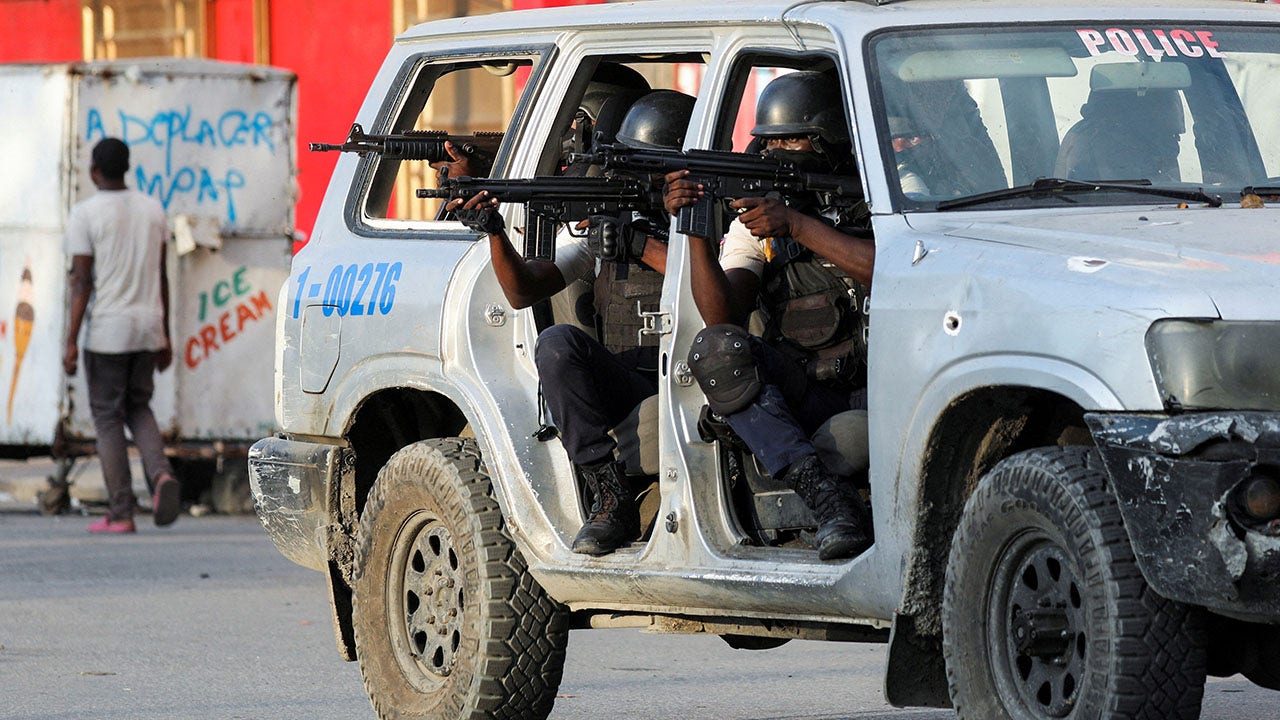
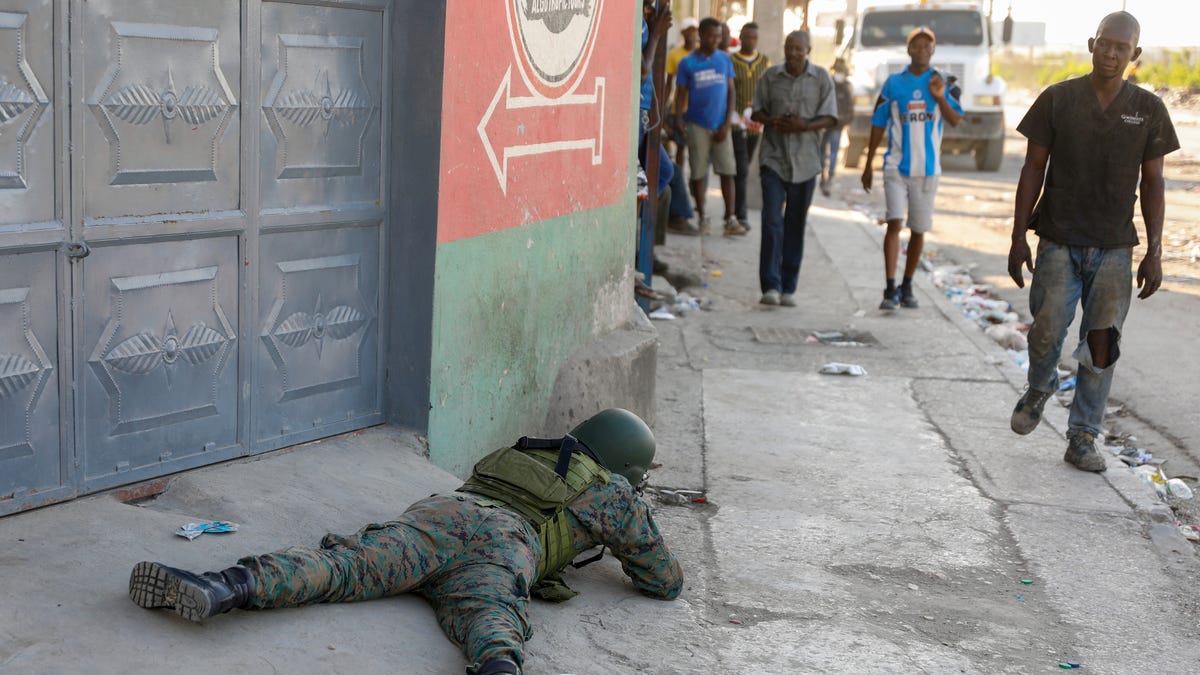
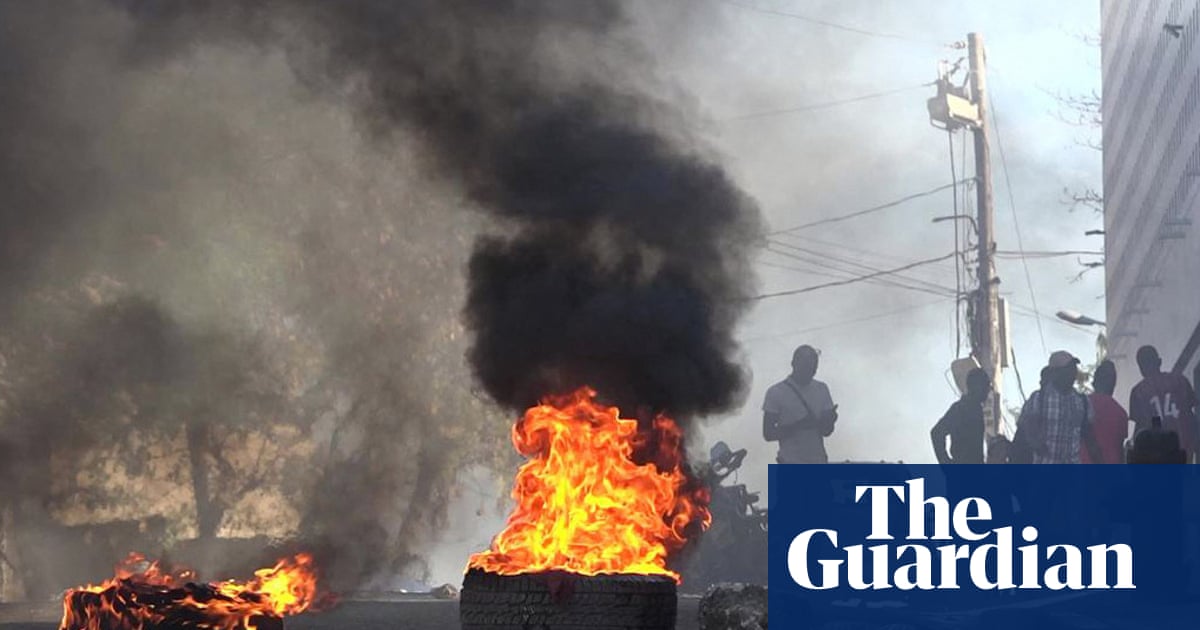
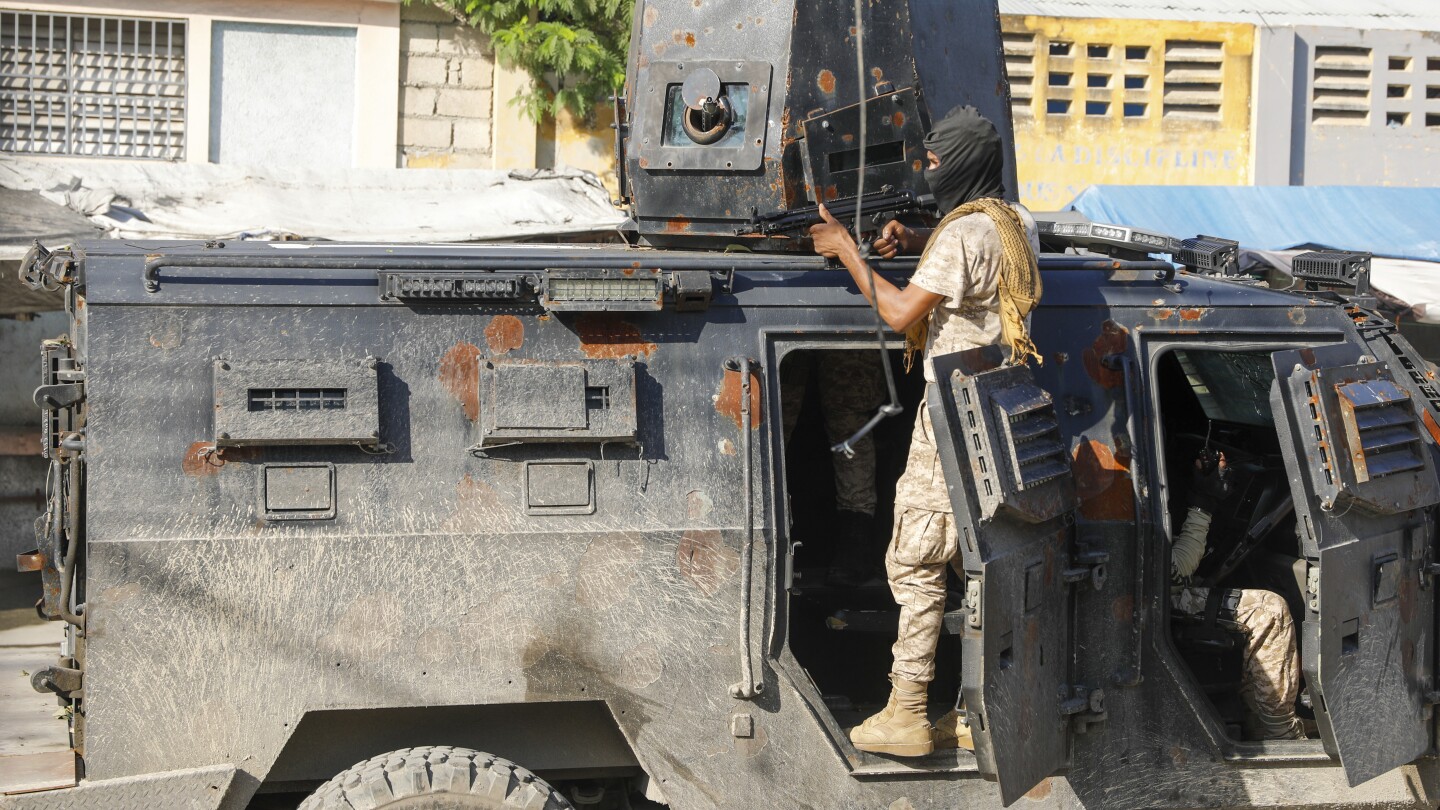
Ernst Julme, a gang leader associated with Jimmy "Barbeque" Cherizier's criminal alliance in Haiti, was killed by police in Port-au-Prince, following his recent escape from custody. This comes after two other suspected gang members were killed and set on fire in an apparent act of vigilante justice. The UN Security Council condemned the violence and illicit flow of arms into Haiti, while the U.S. State Department has evacuated over 160 Americans from the country due to the ongoing instability.
A Missouri girl is in critical condition after a video showed a violent brawl near Hazelwood East High School, with one person repeatedly punching and slamming her head to the ground. A 15-year-old girl has been arrested on assault charges. St. Louis County Prosecuting Attorney Wesley Bell called the incident "sickening," and Missouri Attorney General Andrew Bailey emphasized the need for tougher measures in the juvenile justice system. The Hazelwood School District expressed condolences and highlighted the need to address bullying and fighting in the community.
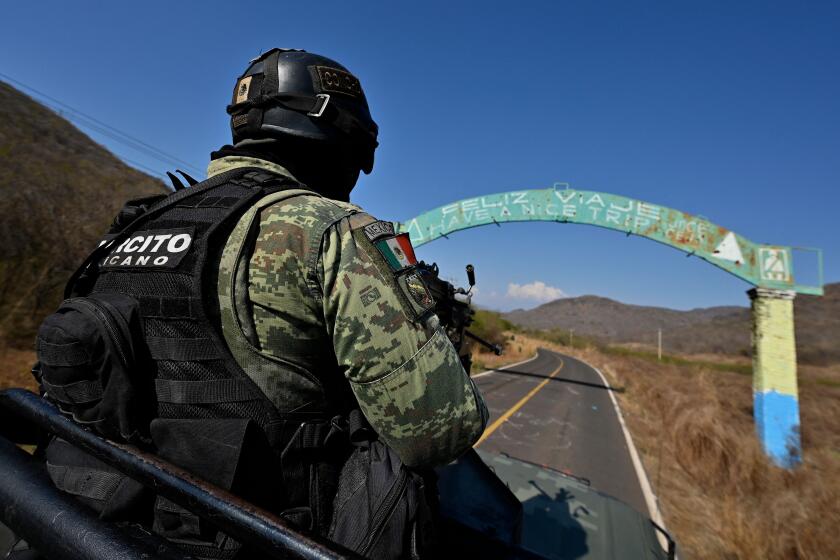
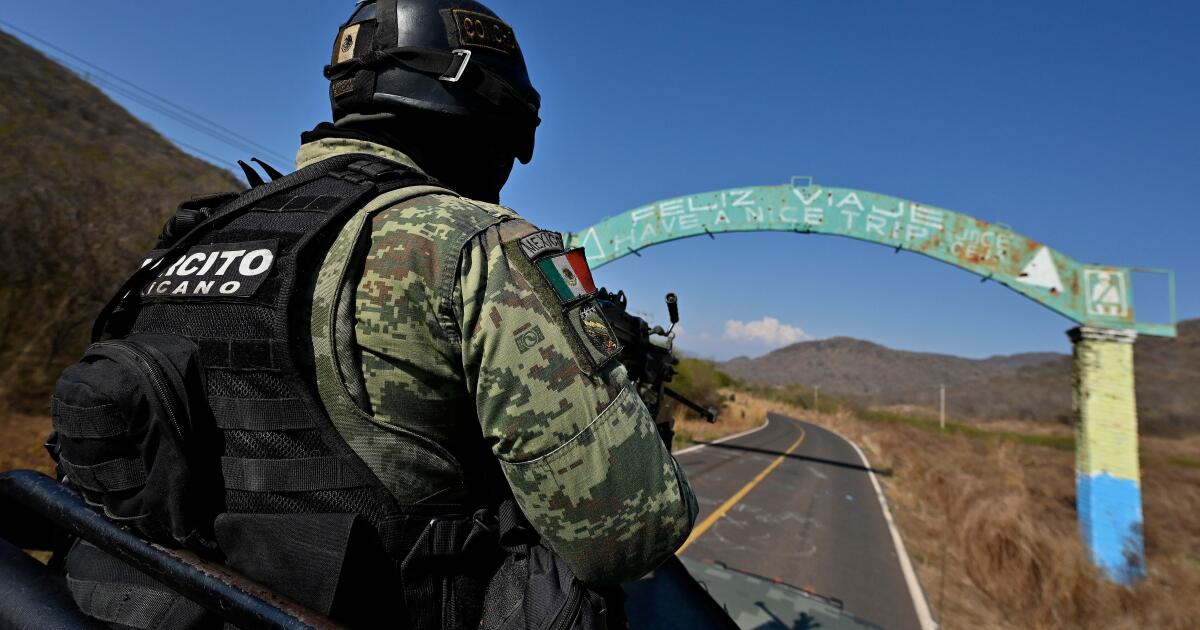
Mexican drug cartels are increasingly using improvised land mines in their warfare, resulting in deaths and injuries to both soldiers and civilians in the Tierra Caliente region. The use of land mines, along with other sophisticated weaponry such as drones and grenade launchers, marks an alarming escalation of violence in Mexico. Experts attribute the rise of land mines to an influx of mercenary fighters from Colombia, who bring bomb-making technology to rural Mexico. The widespread use of land mines has turned the region into a literal minefield, causing fear and displacement among residents. The Mexican government and the U.S. have increased support to combat the use of explosives, but the conflict continues to pose a significant threat to the local population.
Drug cartels in Mexico are escalating violence by using improvised landmines, resulting in deaths and injuries among soldiers and civilians. The use of landmines, previously uncommon, has been attributed to the influence of Colombian mercenaries and has added a new level of terror to the conflict. The cartels' arsenal also includes drones rigged with explosives and tank-like vehicles. The Mexican government, with support from the U.S., is working to combat this new threat, but the situation remains dire, with civilians living in fear and the conflict showing no signs of abating.
A mass prison escape in Haiti led to coordinated gang assaults on critical infrastructure, including airports and police stations, as powerful gangs sought to overthrow the authorities. The violence comes amid a power vacuum following President Jovenel Moïse's assassination, with armed gangs controlling much of the capital. The deteriorating security situation has prompted the U.S. Embassy to halt travel to Haiti and urge American citizens to depart, while a plan to send Kenyan police to combat the gangs remains stalled. The country's prime minister, Ariel Henry, faces mounting pressure as the violence escalates, leaving the population in a state of famine and insecurity.
Armed gangs stormed Haiti's main prison, leading to a mass jailbreak with potentially thousands of inmates escaping. The violence, which began on Thursday, has seen coordinated attacks in Port-au-Prince, with the goal of capturing Haiti’s police chief and government ministers. The government is urging calm and seeking to find the escaped prisoners and perpetrators of violent crimes. The situation reflects Haiti's ongoing security challenges, with the National Police routinely overwhelmed and outgunned by gangs controlling a significant portion of the capital.
In Haiti, police urgently appealed for help as gangs attempted to storm the main prison, following a surge in violence that included the killing of four police officers and the seizing of control of two police stations. The country's prime minister, Ariel Henry, has faced calls for resignation amid the escalating unrest, which has also led to the temporary halting of official travel to Haiti by the U.S. Embassy. The violence has further complicated efforts to stabilize the country and pave the way for elections, with Henry agreeing to schedule a vote by mid-2025.
Ecuador is grappling with a surge in gang violence, with 7,872 murders recorded in 2021, marking a significant increase from the previous year. Factors contributing to the crisis include the global cocaine trade, Colombia's historic peace deal leading to power vacuums, corrupt institutions allowing gangs to operate with impunity, weakened justice system, and the impact of the COVID-19 pandemic on the economy and unemployment. President Daniel Noboa has declared an "internal armed conflict" and a state of emergency, targeting gangs as "terrorist" organizations, but experts warn that heavy-handed tactics may not address the root causes of the problem.
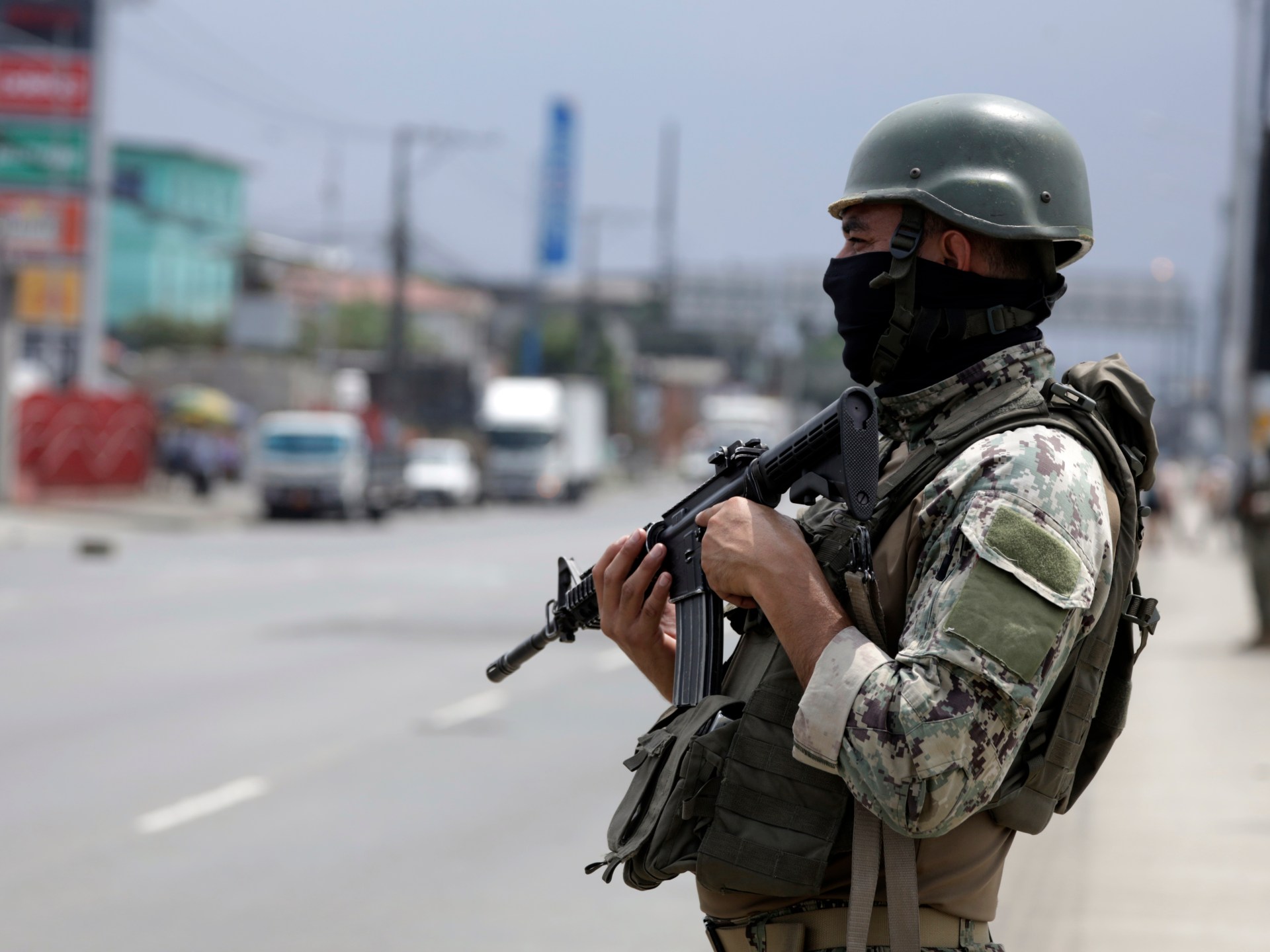
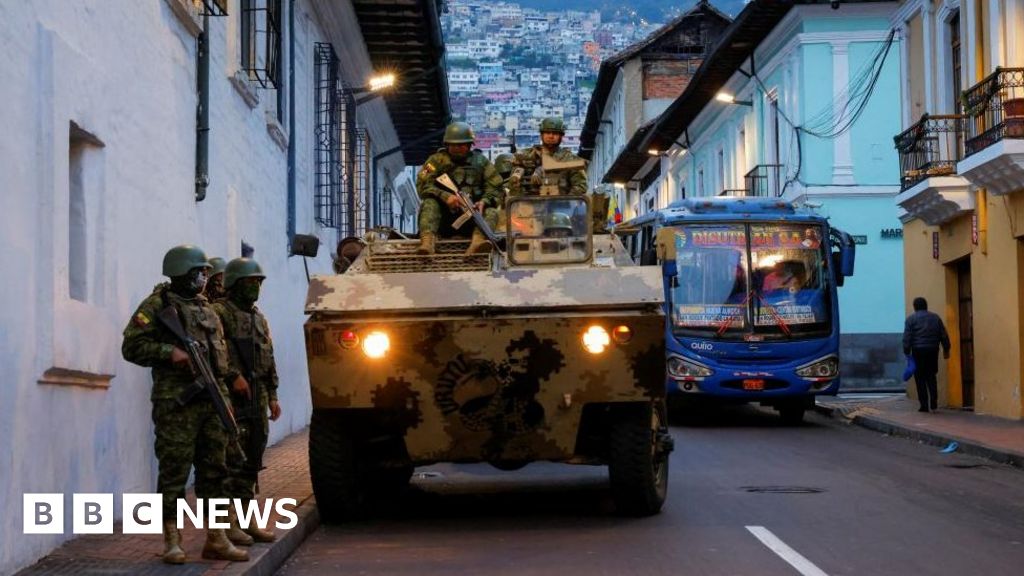
Organized crime and violence have transformed life in Ecuador, particularly in cities like Guayaquil and Duran, as criminal gangs fight for control and extort businesses and residents. The country, once known for its peace, now faces one of the highest homicide rates in Latin America. President Daniel Noboa declared a nationwide state of emergency to combat the escalating crime, leading to a military presence in affected neighborhoods. While some support the crackdown, others advocate for investment in social services and education to provide alternatives to youth involved in gangs.
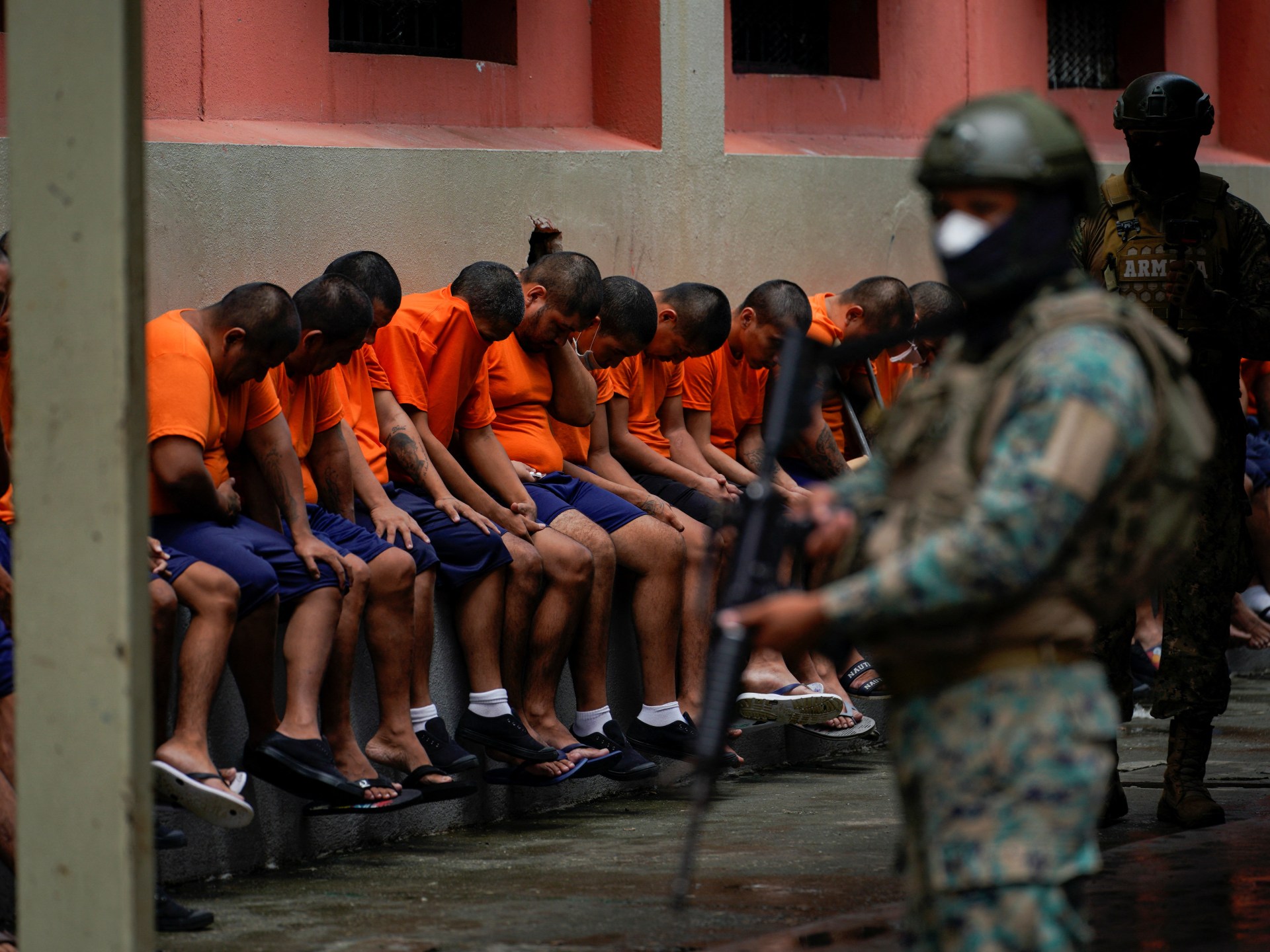
Ecuador has descended into a state of gang violence, prompting President Daniel Noboa to declare an "armed internal conflict" and a 60-day state of emergency with a nationwide curfew. The recent surge in violence was triggered by the escape of notorious gang leader Adolfo Macías Villamar, leading to riots in multiple prisons across the country. Ecuador's attractiveness to gangs is linked to its location between major cocaine-producing countries, making it a transit country for drug shipments. The situation poses a significant challenge for the newly elected president, who has vowed to combat the gangs responsible for the violence.
Gunmen with explosives stormed a TV station in Ecuador during a wave of violence, prompting President Daniel Noboa to declare 22 gangs as terrorist organizations. The violence, fueled by prison conflicts and the drug trade, has led to a state of emergency and widespread unrest. The government's plan to build a new high-security prison and transfer jailed gang leaders has sparked violent reactions, including the apparent escape of a gang leader. The situation has garnered international attention, with neighboring countries expressing support for Noboa's government.
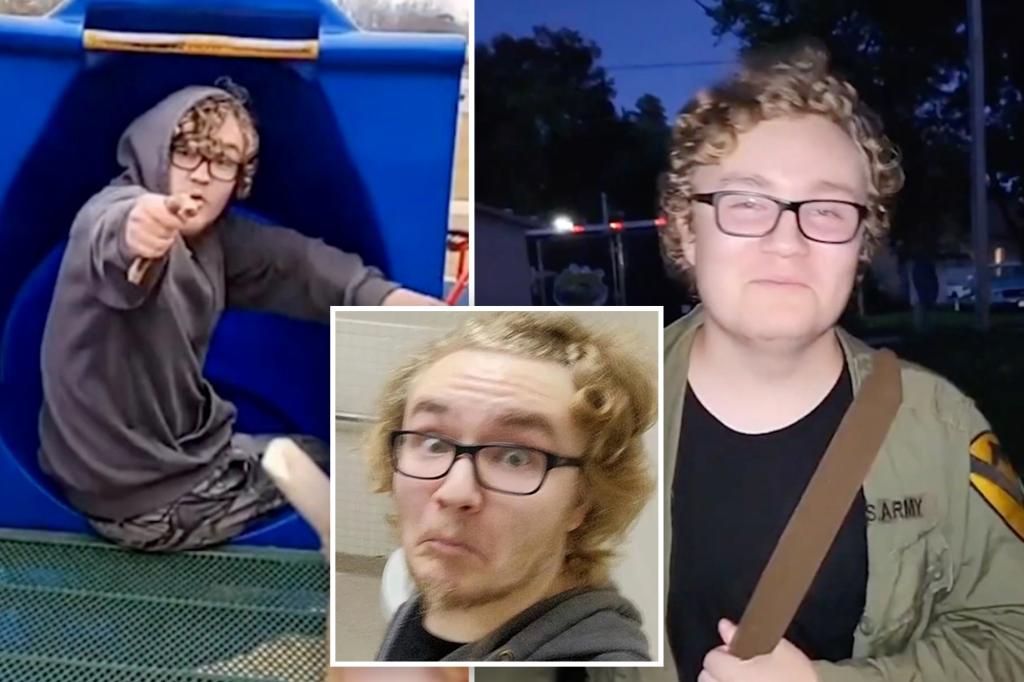
Dylan Butler, a 17-year-old student at Perry High School in Iowa, carried out a school shooting after enduring years of bullying, which had recently extended to his sister. Armed with a shotgun, handgun, and an explosive device, he killed a sixth-grader and injured five others, including the principal, before committing suicide. Prior to the attack, Butler posted a cryptic TikTok video hinting at the impending violence. The motive remains unclear, but the community suggests bullying may have been a significant factor. The incident raises concerns about school safety and the impact of bullying on youth.
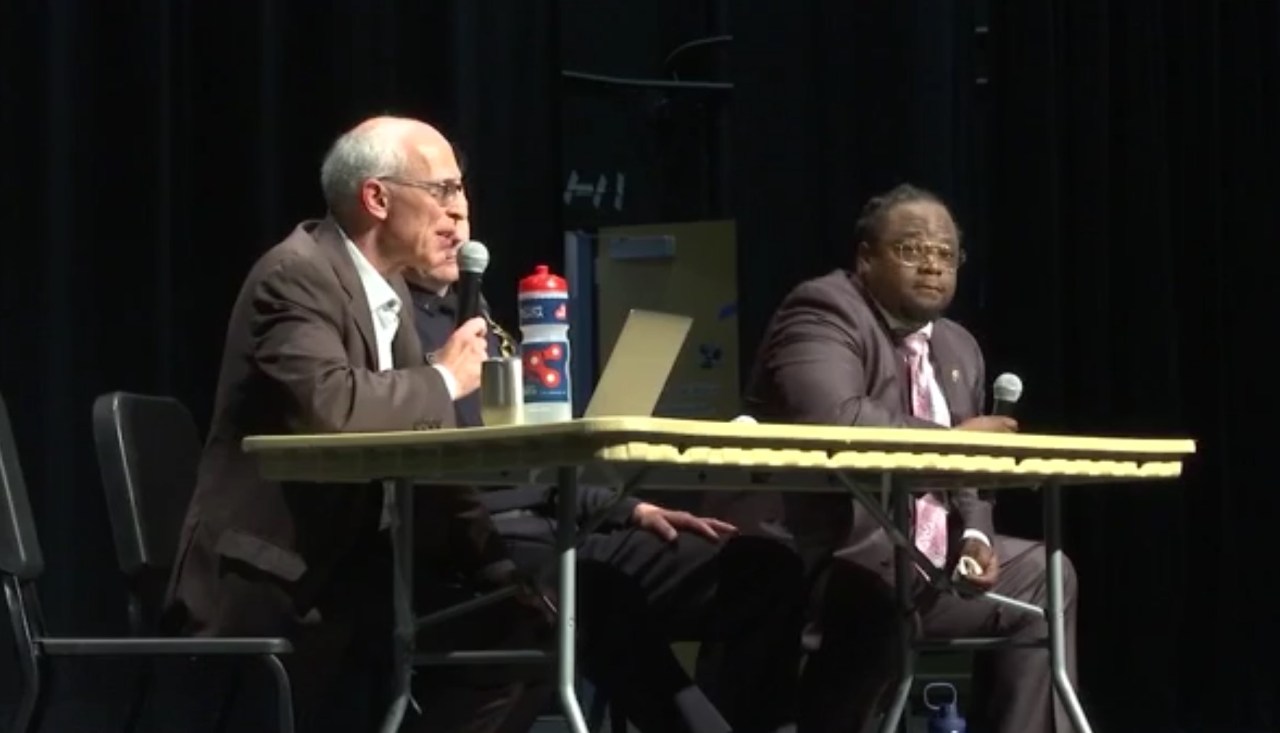
Oakland City Councilmember Dan Kalb held a "Crime and Violence Meeting" to address concerns about violence in his district. Residents voiced their concerns, including a business owner who has been targeted four times in six years. The local police chief and interim chief of the department of violence prevention were also present. The meeting was vocal, with some attendees expressing anger towards the city's efforts to extend services to some people committing crimes. Councilmember Kalb encouraged people to continue to email him about problems they are seeing in hopes of finding more solutions.