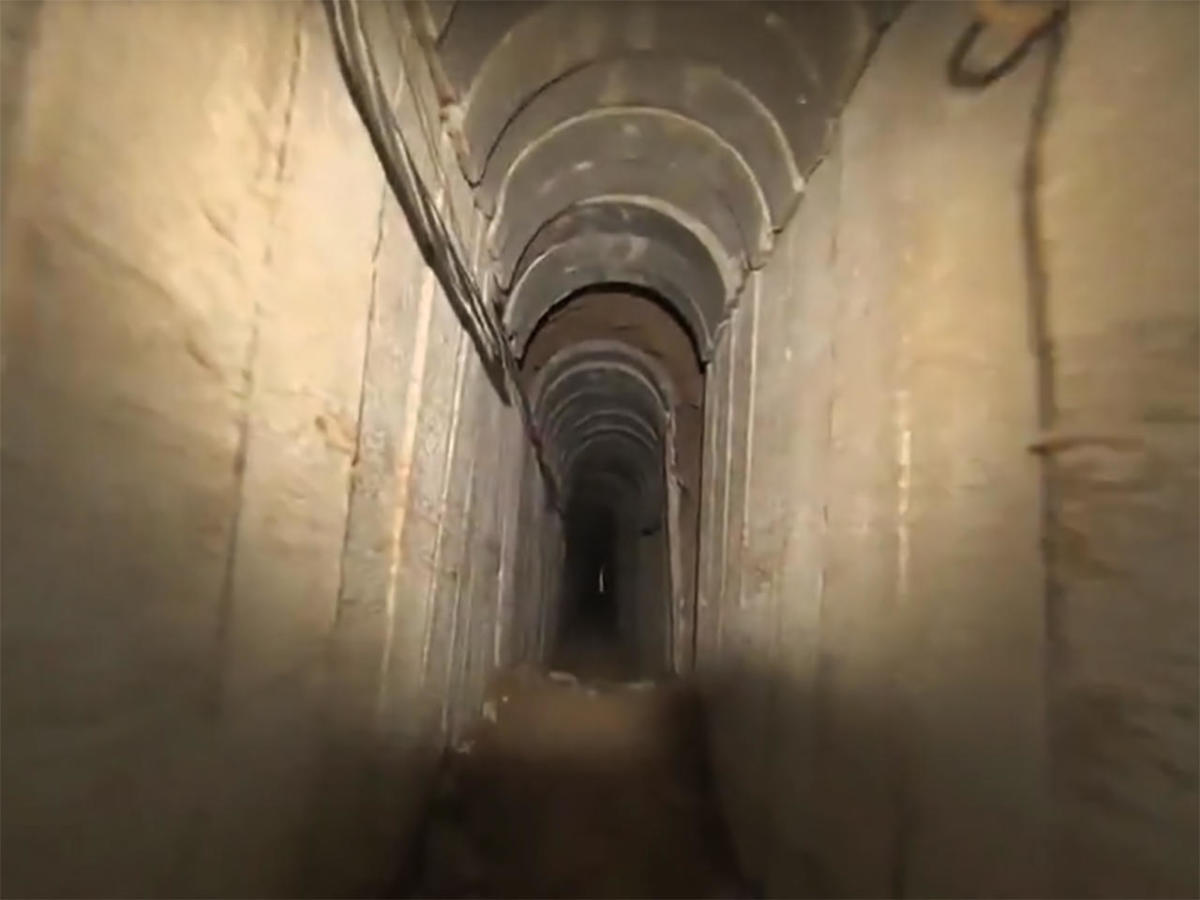
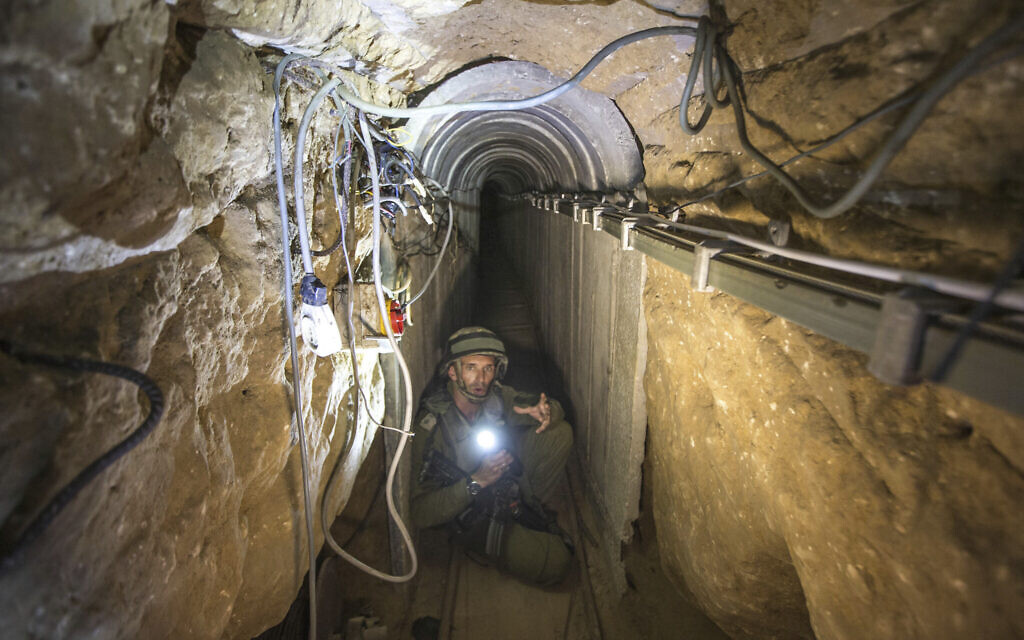
Tunnel warfare expert Daphné Richemond-Barak discusses the newly-discovered tunnel in Gaza, which the IDF claims is the largest Hamas tunnel found so far. She provides analysis on the significance of the tunnel in the context of tunnel warfare and the ongoing conflict between Israel and Hamas.
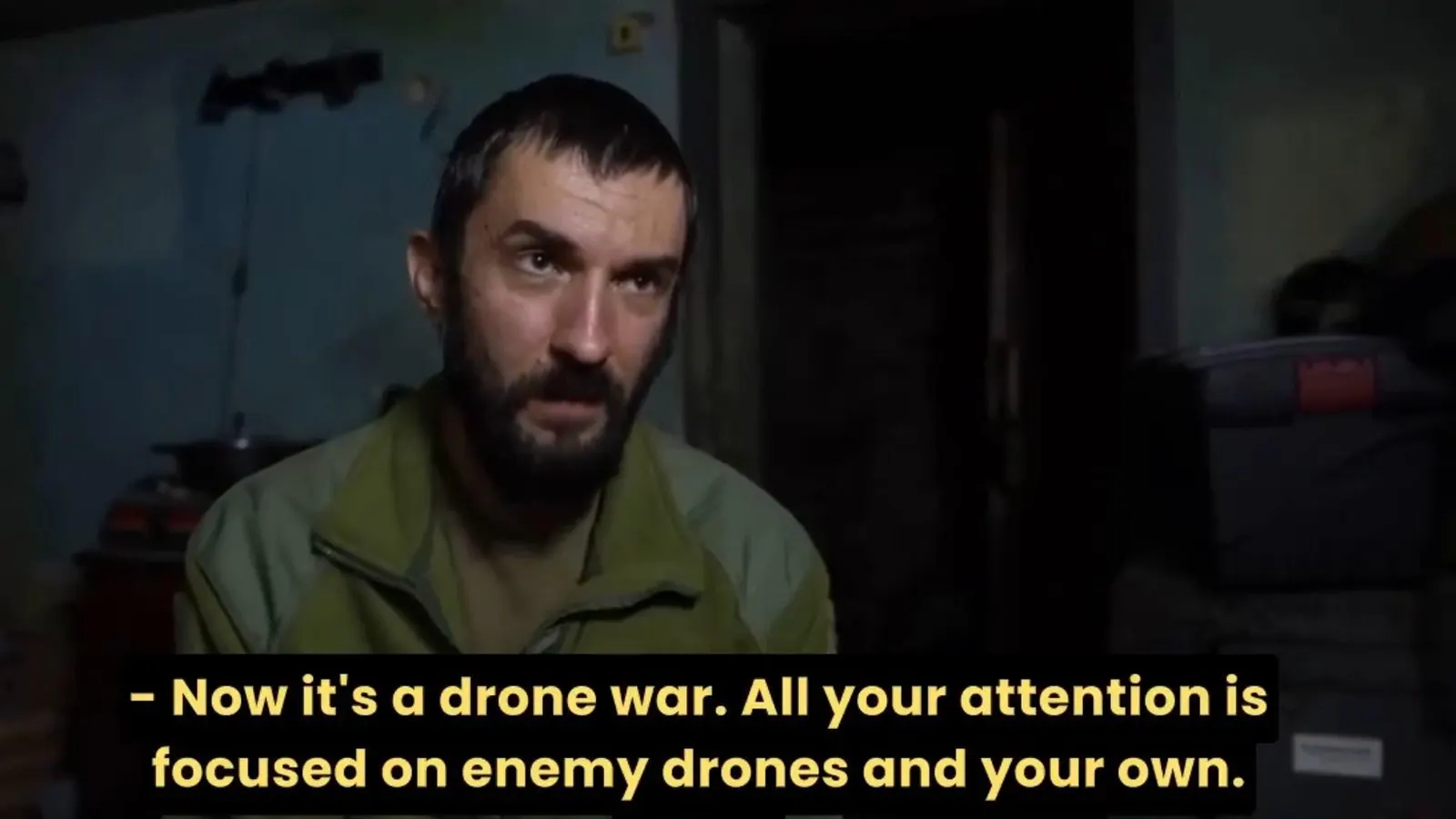
Russian forces have been launching explosive-laden drones at a Ukrainian infantry company every 82 minutes in Avdiivka, Ukraine. The 53rd Mechanized Brigade, stationed in Avdiivka, has been on the defensive line since spring and has faced relentless drone strikes, with a two-pound drone with a pound of explosives hitting their positions every 82 minutes. The Russian forces have adapted their tactics, shifting to predominantly aerial attacks using first-person-view (FPV) drones. The Ukrainian brigade is struggling to adapt to the drone warfare and is in need of more electronic warfare systems to counter the Russian drones.
IDF forces, with guidance from the Shin Bet and Military Intelligence, targeted and eliminated senior Hamas commanders from the Northern Gaza Brigade and the Gaza City Brigade who were hiding in tunnels. The operation significantly damaged the operational capabilities of both brigades and disrupted key command posts and infrastructure.
The IDF conducted a targeted strike in Gaza, killing Haitham Khuwajari, the commander of Hamas's Shati Battalion, who was responsible for orchestrating terrorist attacks and facilitating Hamas activity inside Al-Shifa Hospital. This comes after the IDF eliminated another Hamas commander, Wissam Farhat, warning remaining commanders to surrender or face a similar fate.
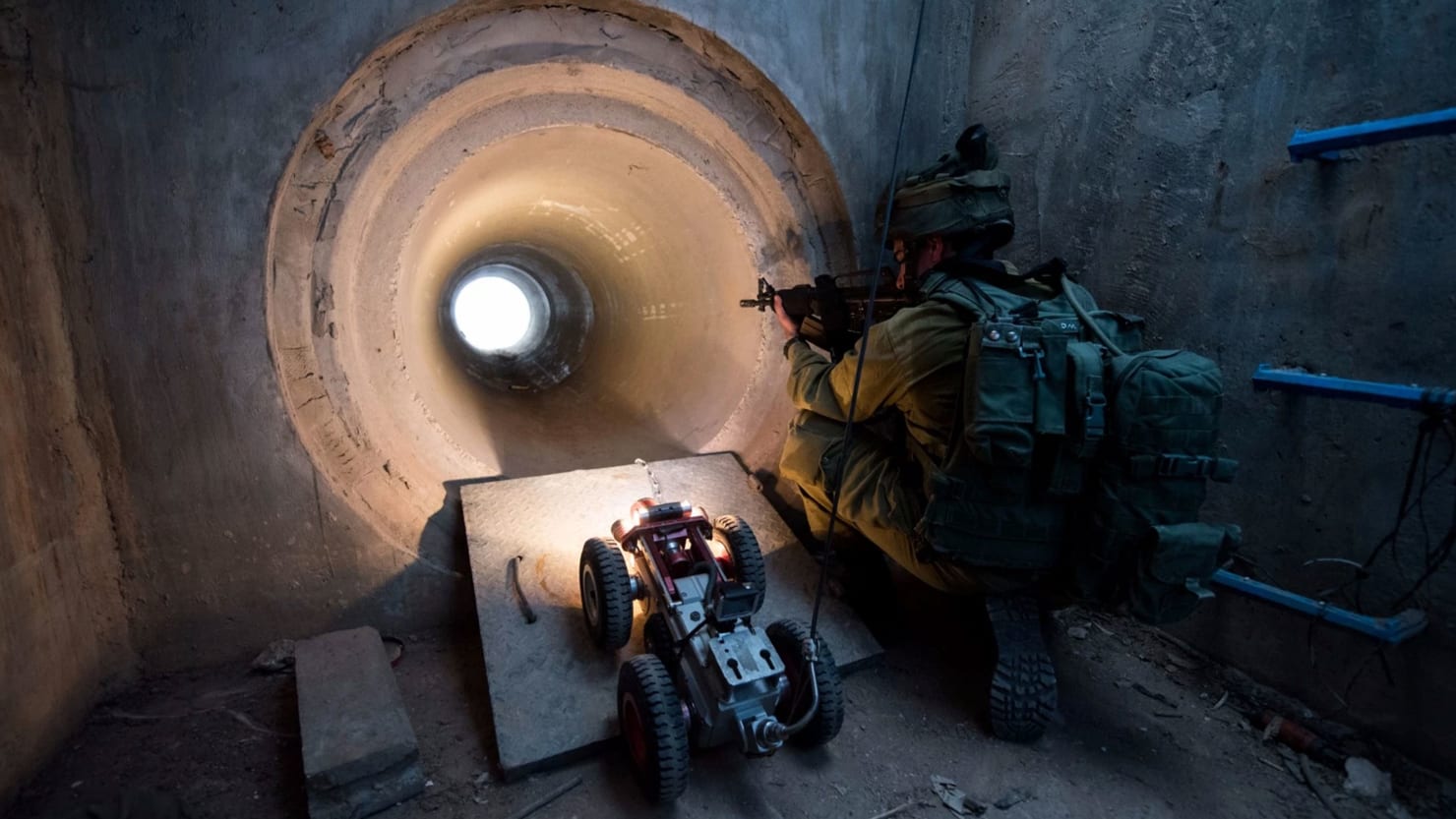
Israel's military offensive against Hamas in the Gaza Strip is being complicated by the vast network of concrete-reinforced tunnels built by Hamas. These tunnels, extending an estimated 300 miles beneath the surface, provide Hamas fighters with a hidden battleground and a means to ride out bombings and launch ambushes. Israel's challenge lies in navigating and neutralizing these tunnels, which are difficult to detect and access. To address this, autonomous robots are being deployed to scout the terrain and map the tunnels, but they are vulnerable to attacks. The presence of hostages in the tunnels further complicates Israel's approach, as sealing them off is no longer a viable option.
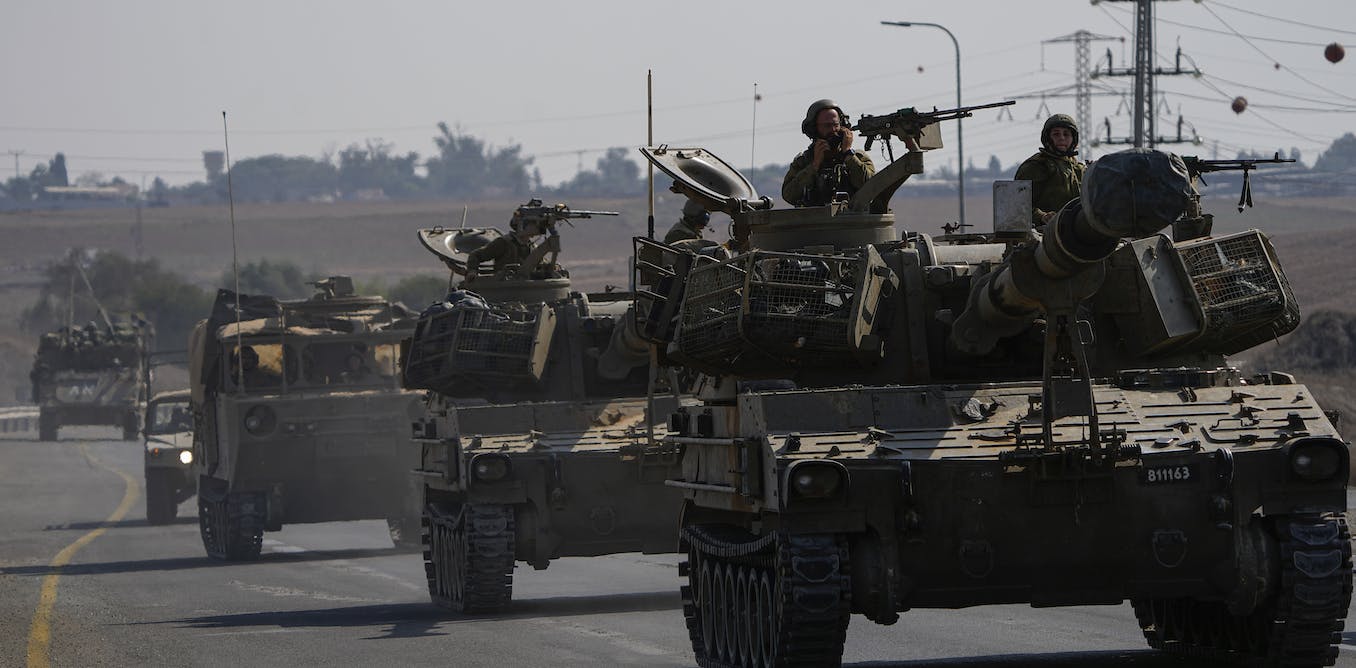
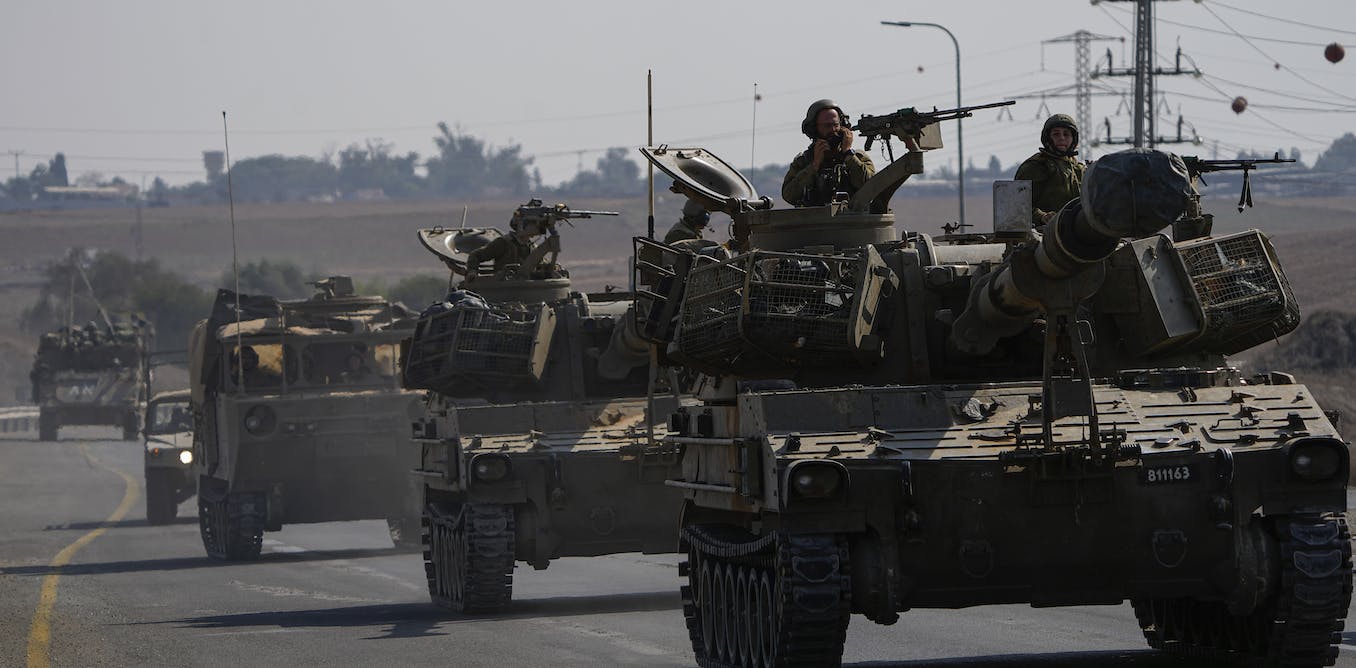
The Israel-Hamas war has entered a new phase focused on urban warfare, with both sides employing tactics such as tunnels, ambushes, and explosives hidden in walls. The Israeli Defence Forces (IDF) have extensive experience in urban operations and are well-equipped with advanced armoured vehicles and engineering technology. However, the presence of civilians in urban war zones poses moral and ethical challenges. The outcome of the ground war and the geopolitical battle for public opinion remain uncertain.
The Israel-Hamas war has entered a new phase focused on urban warfare, with both sides employing tactics such as tunnels, ambushes, and explosives hidden in walls. The Israeli Defence Forces (IDF) have extensive experience in urban operations and are well-equipped with protected tanks, armoured engineering vehicles, and specialized units trained to detect and destroy tunnels. However, the presence of civilians in urban war zones poses moral and ethical challenges, and the outcome of the ground war and the geopolitical war of narratives remains uncertain.
While the Israeli government continues its military campaign against Hamas in Gaza, the Yahalom Unit, an elite combat engineering team of the Israeli Defence Forces (IDF), is preparing to confront Hamas in the extensive network of underground tunnels. Hamas has used these tunnels to smuggle weapons and launch surprise attacks against Israel. The Yahalom Unit faces the challenge of operating in the dark, as Hamas can use the tunnels to strike back and escape from Israeli forces. The IDF has been training the unit extensively, but the scale of the tunnel network and the potential for surprises pose significant challenges. The mission's duration is uncertain, but it is expected to be a protracted urban warfare fight.
The Givati Brigade of the IDF took control of a Hamas stronghold in the northern Gaza Strip, uncovering crucial intelligence including operational maps, command and control tables, and personal details of Hamas commanders. The facility also housed the Hamas intelligence headquarters, and similar content was found on captured and deceased terrorists. The Givati brigade commander stated that they will continue to raid Hamas strongholds and eliminate their presence.
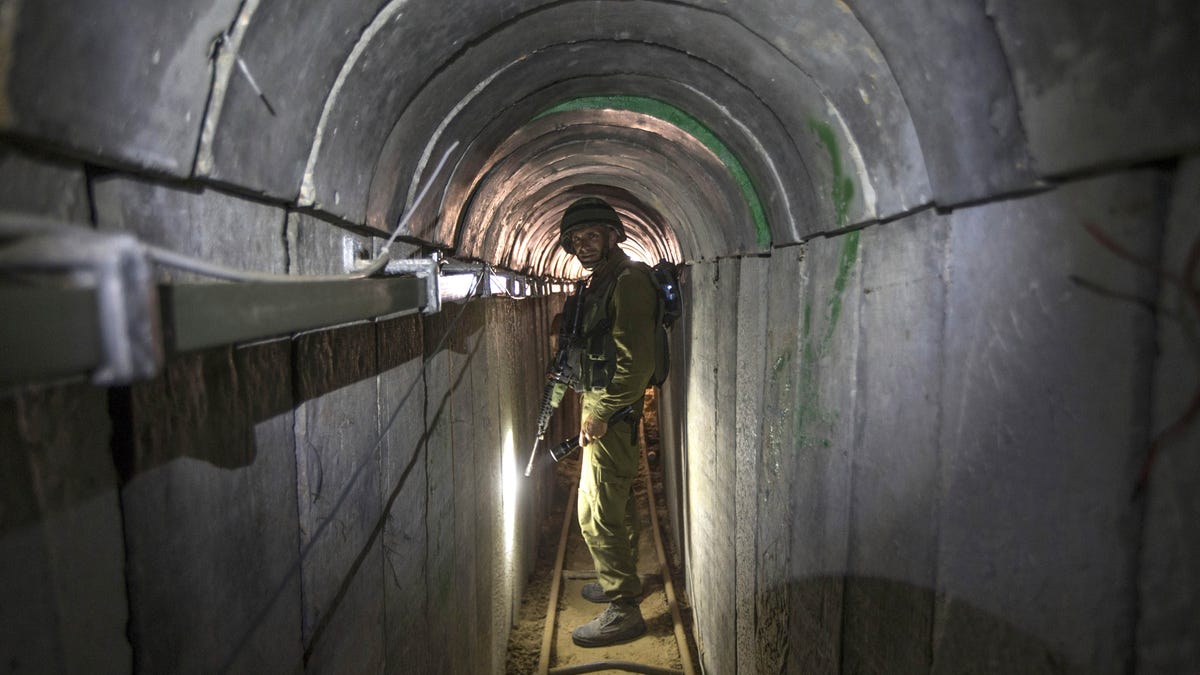
Israel's fight against Hamas in Gaza City is being made deadly and difficult by Hamas' extensive network of tunnels, which allow small teams of fighters to launch surprise attacks on Israeli soldiers. The tunnels, built over decades, are Hamas' most important asset and are used for smuggling weapons, infiltrating Israel, and launching rockets. Israel's goal is to destroy these tunnels, but they are difficult to detect and located under heavily populated civilian areas. The challenge of urban warfare and tunnel warfare has been faced by the U.S. in the past, particularly in Vietnam. Israel's plan involves targeting the tunnels' generators and ventilation systems and cutting off fuel to choke out the tunnel systems. However, Palestinians argue that this strategy also affects hospitals and civilians. The fighting in Gaza City is expected to be a long process, with heavy fighting both above and below ground.
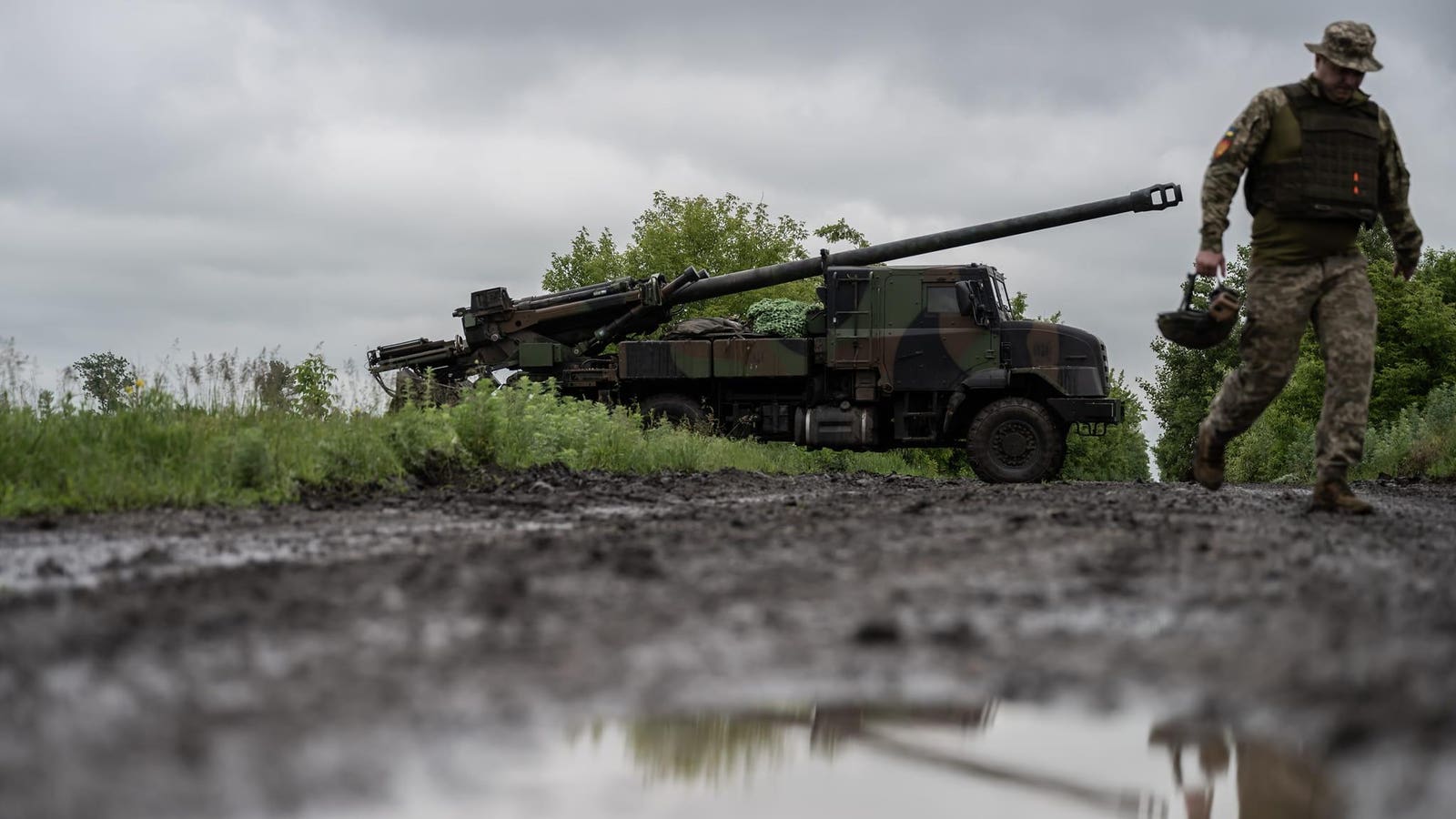
The Ukrainian army's 55th Artillery Brigade, armed with Caesar self-propelled howitzers, has been successfully repelling Russian assaults on Avdiivka for 20 days. The artillery has reportedly destroyed the equivalent of a Russian brigade, preventing the Russians from cutting off and starving Avdiivka's Ukrainian garrison. The Caesars' ability to quickly fire and relocate has helped them avoid Russian counterbattery fire, and their use of American-made cluster shells has inflicted heavy casualties on the attacking Russians.
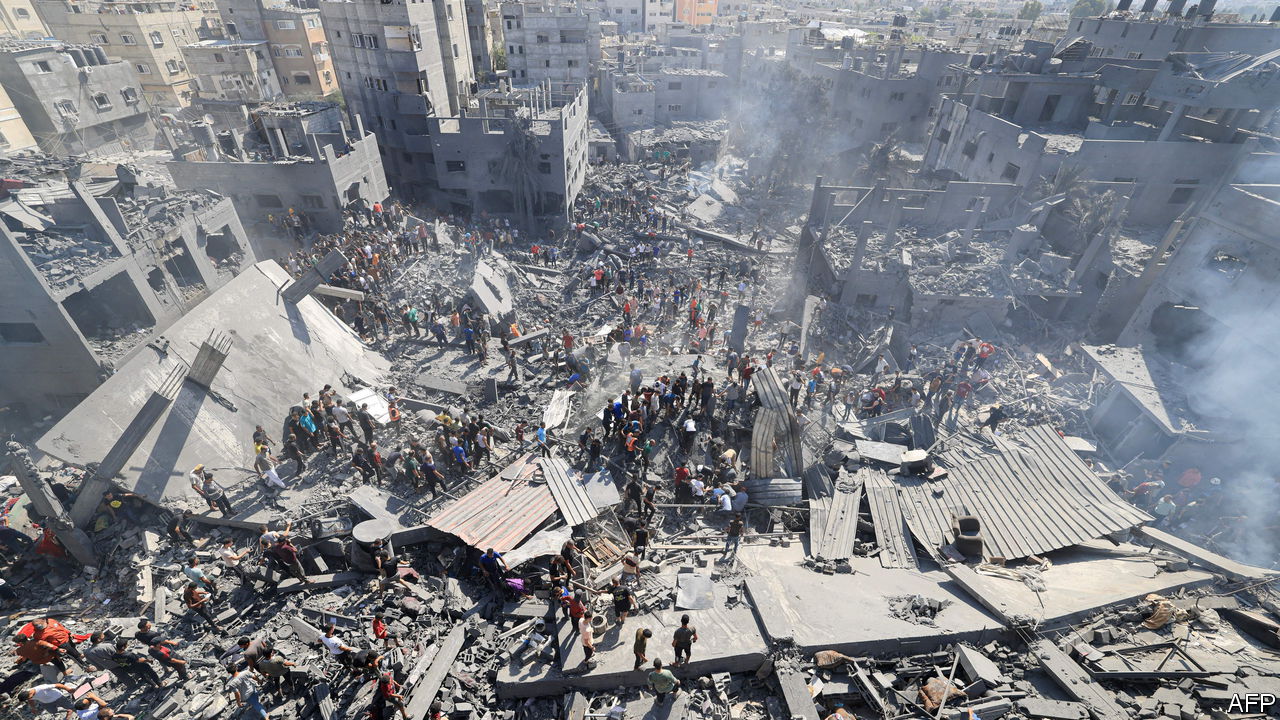
The ongoing war in Gaza between Israel and Hamas is proving to be exceptionally destructive, with a high toll on civilian lives and infrastructure. While urban warfare is inherently brutal, the situation in Gaza is distinct due to several factors. Unlike in previous conflicts, Israel has rejected calls for humanitarian pauses, leaving civilians trapped in the densely populated area. The intermingling of civilian and military infrastructure in Gaza further complicates the situation. Israel's intense bombardment, coupled with the difficulty of evacuating and providing medical care to civilians, exacerbates the humanitarian crisis. Additionally, the nature of the battlefield intelligence and Hamas' advantage in ground-level intelligence gathering may result in more civilian casualties as the conflict continues.
Israeli forces are preparing to engage in a unique and challenging battle against Hamas in Gaza, as they navigate and destroy the extensive tunnel network that Hamas has built over the past decade. Specialized units, known as "weasel" forces, will enter the tunnels to locate rocket-assembly lines, weapons stores, and potentially hostages. The underground labyrinth, estimated to be over 300 miles long, poses a significant challenge for the Israeli military, requiring specialized training and equipment. The Biden administration has sent experienced insurgency experts to advise Israel, but the complex nature of the tunnels and the densely-packed urban environment in Gaza make this operation fundamentally different and more difficult than previous urban conflicts.
Israel has deployed elite special forces units into Gaza as part of its ground invasion, with the goal of dismantling Hamas, securing borders, and rescuing over 200 hostages. The units involved include the Yahalom Unit for tunnel destruction, Sayeret Matkal for intelligence-gathering and hostage recovery, Shayetet 13 for marine operations, Shaldag Unit for classified operations, Duvdevan Commando Unit for urban warfare, Egoz Unit for Hezbollah threats, Maglan Unit for specific targets and intelligence, and Oketz Unit for counter-terrorism and search and rescue missions. The ground offensive aims to clear Hamas' network of tunnels and diminish the impact of technological advantages, as fighting in the densely populated streets and tunnels levels the playing field.
As Israel prepares for a major ground offensive against Hamas in the Gaza Strip, one of the biggest challenges it faces is the extensive network of tunnels built by Hamas. These tunnels, which house fighters, rockets, and hostages, provide Hamas with a strategic advantage both above and below ground. Clearing and collapsing these tunnels will be crucial for Israel to dismantle Hamas, but it will require navigating the complexities of urban warfare and underground combat. The Israeli military has been aware of this threat for years, but fully dislodging Hamas will be a difficult and time-consuming task. The presence of hostages in the tunnels adds an additional layer of complexity to the operation. Despite the risks, destroying the tunnels is necessary for Israel to achieve its military objectives.