A group of knitters in Portland, Oregon, known as 'Knitters Against Fascism,' use their craft to protest and support social causes, exemplifying the long tradition of craftivism where fiber arts serve as tools for political expression and community building. The movement highlights how small acts like knitting can foster solidarity, raise funds, and promote social change, emphasizing joy and community in activism.
Knitting and other tactile hobbies are gaining popularity among younger generations and offer significant benefits for brain health by engaging multiple neural systems, supporting cognitive function, emotional regulation, and resilience, especially as we age. Learning new skills like knitting stimulates neural plasticity, enhances mood, and can help delay cognitive decline, while also providing emotional and social benefits. Engaging in such activities throughout life is crucial for maintaining mental agility and overall well-being.
Netizens shared various examples of what is currently in its "Golden Age" but not widely recognized, including the accessibility of knowledge through platforms like Wikipedia, advancements in astronomy and photography, the resurgence of knitting, and the anti-censorship movement in the United States. Other notable mentions include cooking, genetics, non-alcoholic beers, and the maturation of the Linux desktop experience.
New York artist Dave Cole is in Bentonville, Arkansas, to knit together the world's largest American flag using craft store felt. Known for his interest in patriotism and nostalgia, Cole will complete the project on Independence Day and invite everyone to join in the celebration at the Momentary, where the flag will be displayed and fireworks can be watched from the Tower bar.
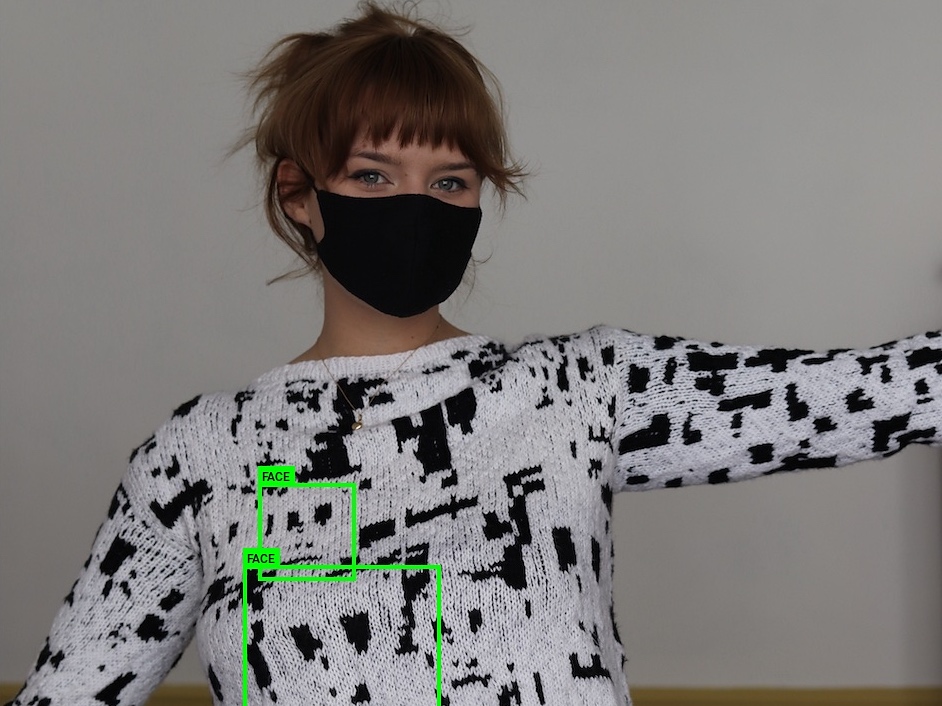
A Swedish woman, Ottilia Westerlund, has created an anti-surveillance sweater using a knitting pattern that confuses certain facial detection systems. The pattern, based on the Hyperface design developed by Adam Harvey, presents a computer vision system with a number of "faces" to distract it from covered human faces in an image. However, the sweater is unsuccessful against neural network-based facial detection systems.