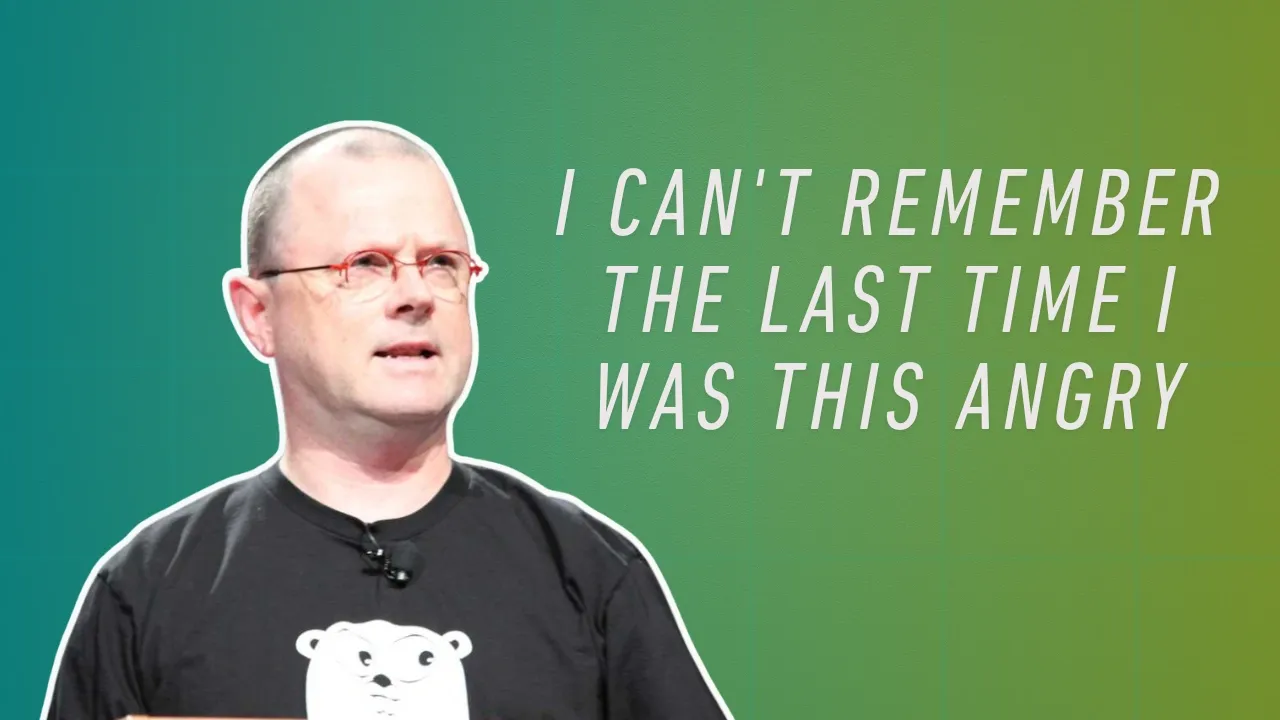
Rob Pike, a renowned computer scientist and co-creator of Go, expressed outrage on social media after receiving a profane thank-you email from an AI agent, highlighting concerns about the misuse of AI for trivial or harmful purposes amid broader societal issues with technology and content consumption.
Cursor CEO Michael Truell warns against 'vibe coding,' a risky AI-assisted coding approach where users rely entirely on AI without understanding the underlying code, which can lead to unstable foundations. Instead, Cursor integrates AI directly into the coding environment, allowing developers to work with both detailed code and end-to-end tasks, promoting more reliable software development.
Originally Published 2 months ago — by Hacker News
John Carmack discusses the benefits of immutability in programming, highlighting how it simplifies reasoning about code, improves safety, and enables better concurrency and debugging. He contrasts immutable variables with mutable ones, emphasizing that immutability makes code more predictable and easier to understand, especially in functional programming languages like Clojure and Haskell. The discussion also touches on language features like 'const' in JavaScript and Rust, and the cultural and practical reasons why mutability remains prevalent in many languages.
MTV in the U.S. is not shutting down; multiple channels under the MTV brand continue to operate unaffected, with programming that includes reality shows like 'RuPaul's Drag Race' and 'Jersey Shore,' evolving from its original focus on music videos.
Originally Published 3 months ago — by Hacker News
A programmer expresses dissatisfaction with how AI coding tools have shifted the focus from understanding and personal satisfaction to rapid, automated problem-solving, leading to a loss of deep engagement and a sense of ownership over their work.
The article argues that in science fiction like Star Trek, computers are depicted as intelligent entities that understand human needs and respond directly without the need for programming or algorithms, suggesting that programming as a craft may become obsolete as AI advances. It highlights how AI in sci-fi is portrayed as autonomous and intuitive, contrasting with current programming practices, and speculates on the future role of programmers.
Microsoft has open-sourced its 1976 6502 BASIC code, one of its earliest software projects, allowing enthusiasts and preservationists to explore and experiment with this historic programming language that was pivotal in early home computing.
After facing backlash for canceling seven popular shows, HGTV announced a new lineup of 100 episodes of both new and returning series, including shows from Alison Victoria, Ben and Erin Napier, Jasmine Roth, and more, with premieres starting in September 2025 and additional seasons planned for 2026.
The IOCCC returned after four years with a record 23 high-quality obfuscated C code entries, showcasing human mastery over AI analysis, with some entries using Unicode and creative tricks. Judges emphasized human skill over AI, and the contest celebrated its tradition with a modernized presentation, including videos and live announcements. The event highlighted the ongoing challenge of AI in understanding complex code and will continue in December 2025.
Originally Published 5 months ago — by Hacker News
The article discusses the current challenges and opportunities in building with AI, emphasizing the importance of clear problem articulation, the evolving role of AI in coding, and the need for understanding underlying systems despite AI's capabilities. It highlights both the excitement and skepticism around AI's impact on software development, the shift in skills required, and the potential for AI to transform traditional workflows while raising concerns about quality, trust, and the future of human expertise.
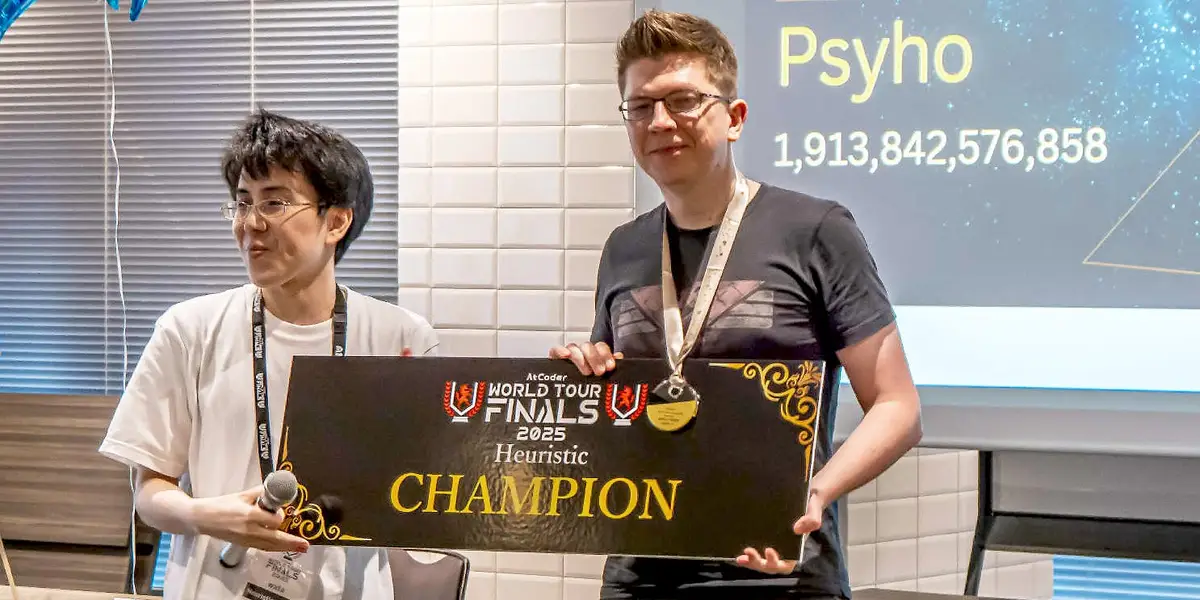
Polish programmer Przemysław Dębiak won the 2025 AtCoder World Tour Finals in Tokyo, beating an OpenAI AI tool, highlighting that human creativity and endurance still outperform AI in complex, lengthy coding contests. The victory underscores the ongoing competition between human programmers and AI, with AI excelling in optimization but humans maintaining an edge in creative problem-solving.
Originally Published 6 months ago — by Hacker News
The article discusses innovative ways to leverage GPT-4 for programming by using it to guess API functionalities and identify confusing API designs, highlighting AI's strength in creativity and plausibility over accuracy. It also touches on broader issues like AI's role in automation, the importance of clear API design, and the limitations of passive voice and language in technical writing, emphasizing the need for human oversight and thoughtful application of AI tools.
Originally Published 7 months ago — by Hacker News
The article discusses the current limitations and benefits of large language models (LLMs) in coding, highlighting that human coders still outperform them in accuracy and understanding. LLMs serve as helpful tools for debugging, generating code snippets, and overcoming initial hurdles in programming, but they often produce plausible yet incorrect answers, leading to skepticism and the need for human oversight. The conversation emphasizes that LLMs are best used as supportive aids rather than replacements for human expertise, especially given their tendency to hallucinate or confidently present false information.
David Gewirtz explores ChatGPT's ability to write code in 12 popular programming languages, including Java, Python, and Rust, by having it generate a program that outputs a time-based greeting and a looped 'Hello, world!' message. The exercise highlights ChatGPT's strengths and limitations in coding, emphasizing the importance of testing AI-generated code. While ChatGPT generally performs well, it occasionally lacks syntax coloring for less common languages like Scala and Forth, underscoring the need for human oversight in AI-assisted programming.
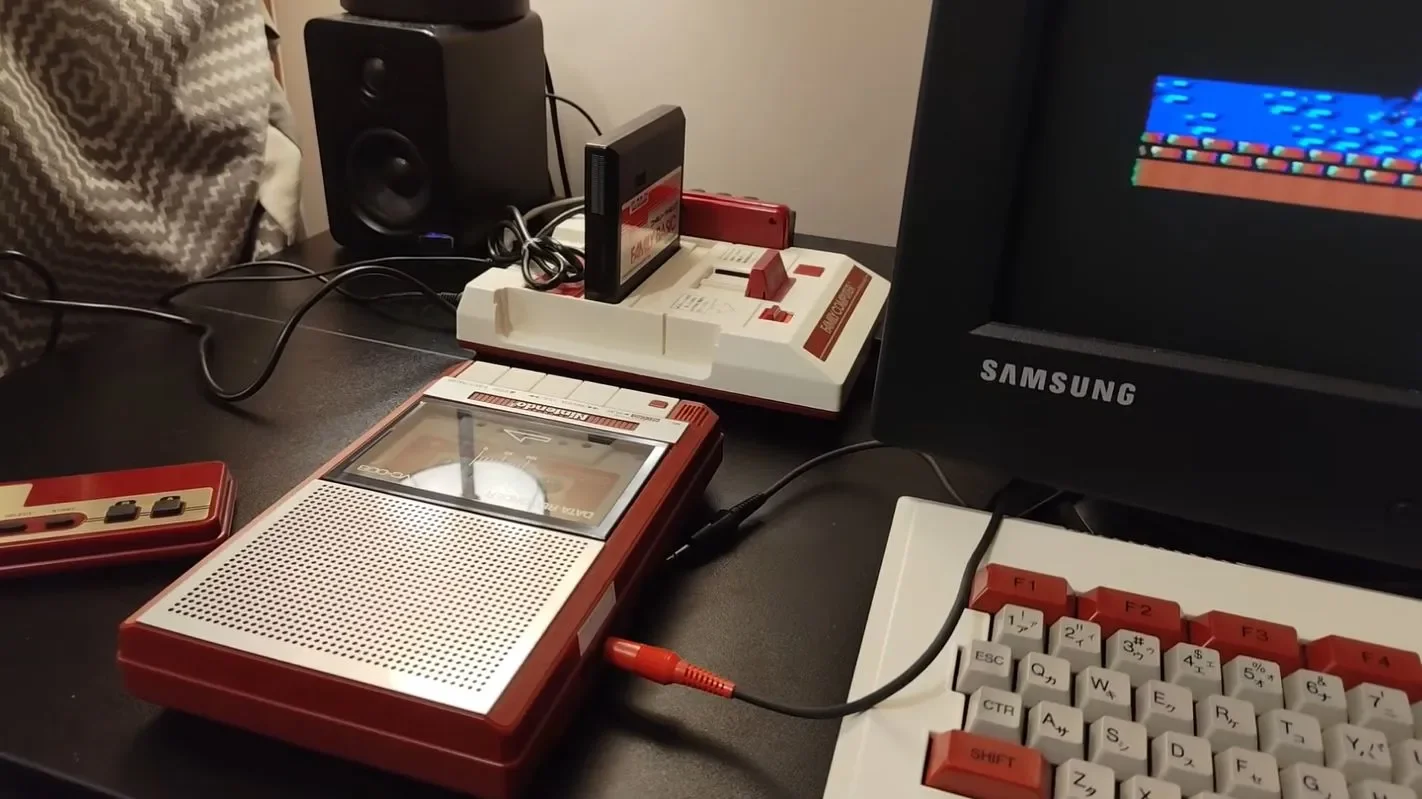
Thomas E. Kurtz, co-creator of the BASIC programming language, has passed away at the age of 96. BASIC, developed in the 1960s, was instrumental in making computer programming more accessible to a broader audience, significantly impacting the field of computer science and education.