Ferrero Negotiates Acquisition of Kellogg's
Italian confectionery giant Ferrero is in negotiations to acquire US cereal manufacturer Kellogg’s, signaling a potential major shift in the cereal and snack industry.

All articles tagged with #kelloggs
Italian confectionery giant Ferrero is in negotiations to acquire US cereal manufacturer Kellogg’s, signaling a potential major shift in the cereal and snack industry.
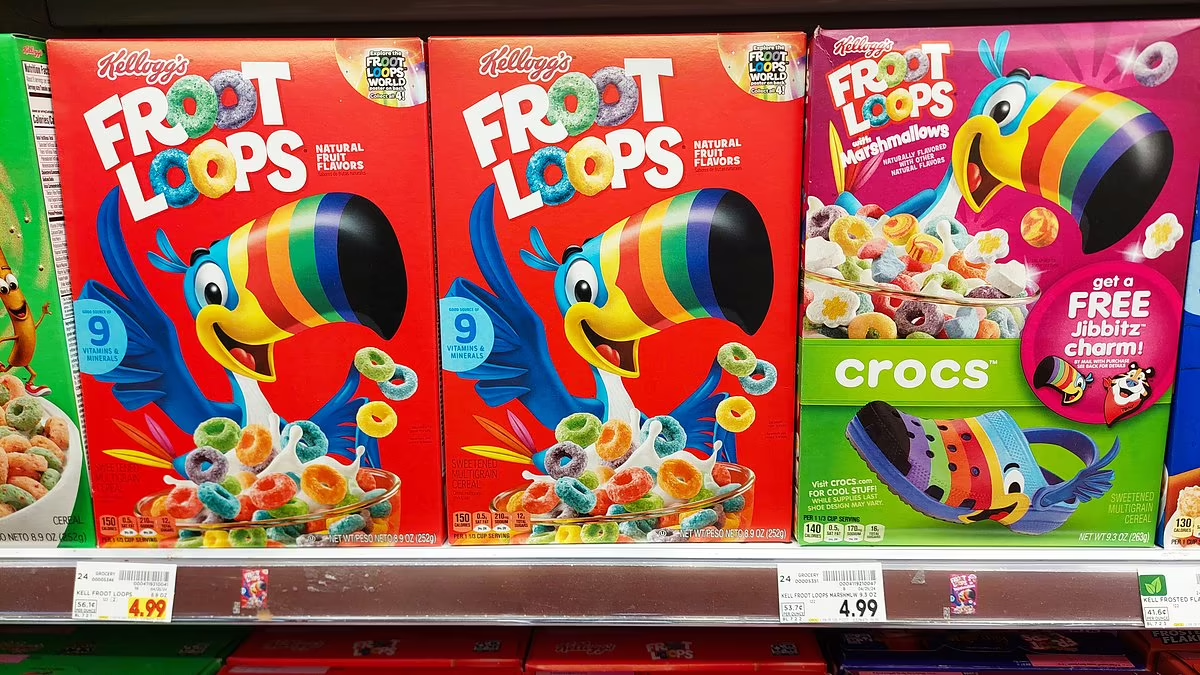
Victoria Kellogg, claiming to be an heiress to the Kellogg's cereal empire, is urging a boycott of the company due to its use of artificial dyes and additives linked to health issues like cancer and ADHD. She argues that these ingredients, found in products like Froot Loops and Apple Jacks, are banned in other countries but still used in the U.S. Victoria's campaign, supported by anti-junk food activist Vani Hari, has gained significant attention, including a petition with over 400,000 signatures, demanding Kellogg's remove these harmful substances.

After WK Kellogg CEO's comment about eating cereal for breakfast to save money sparked outrage amid rising grocery costs, millennial moms and online creators are organizing a boycott against Kellogg's products, calling for a 25% price decrease and removal of "harmful chemicals." Despite analysts warning about the effectiveness of boycotts, consumers are expressing frustration over corporate profits and high prices, while also facing inflation and supply chain challenges impacting food costs.
Outraged consumers are calling for a boycott of Kellogg's products after the CEO suggested eating cereal for dinner amid inflation, despite the company's own price increases. The proposed boycott on TikTok aims to send a message to Kellogg's and demands lower prices, with consumers expressing frustration over the company's profit-driven price hikes. Critics argue that corporate profiteering is contributing to higher consumer prices, particularly affecting low-income families, while the CEO's comments are seen as out of touch with the economic challenges faced by many.
Kellogg's CEO Gary Pilnick suggested that families facing financial strain could consider eating cereal for dinner, sparking criticism and comparisons to Marie Antoinette's infamous "let them eat cake" remark. Pilnick defended his statement, citing the affordability of cereal, but faced backlash on social media over his $4 million annual salary and the actual cost and nutritional value of cereal. Kellogg's has been promoting "cereal for dinner" amid rising food prices, but critics argue that the campaign exploits hungry people for financial gain.
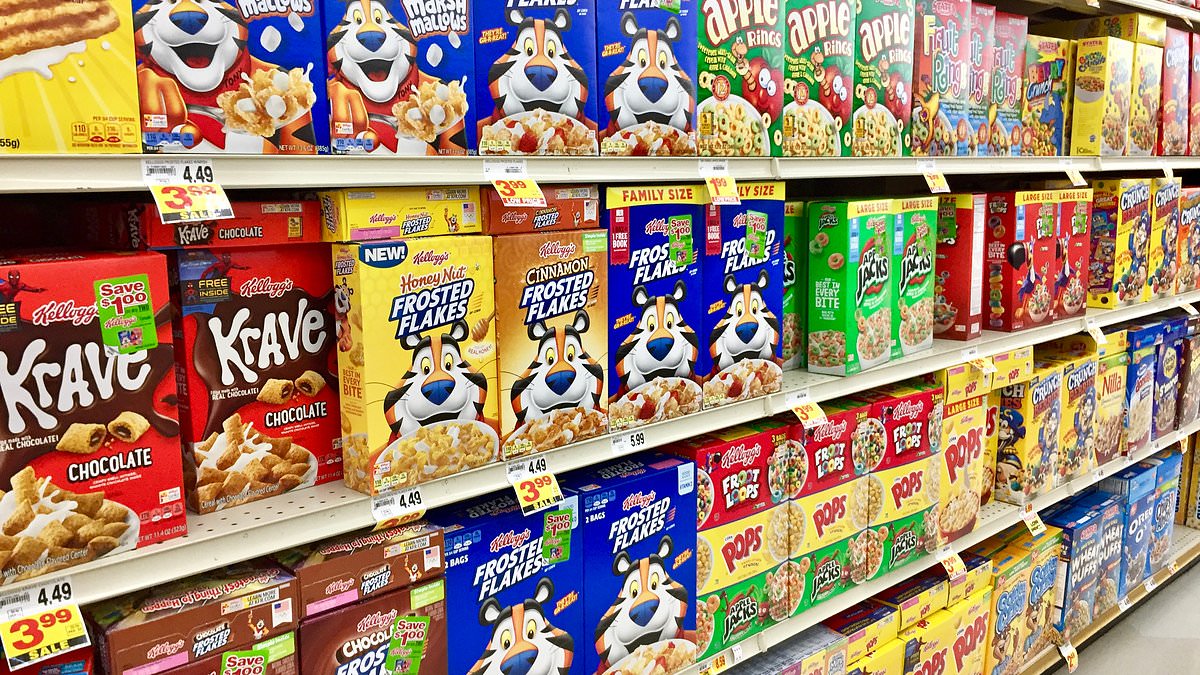
Kelloggs CEO Gary Pilnick, who earns $5 million a year, suggested Americans combat rising grocery prices by eating cereal for dinner, claiming it's an affordable option. His suggestion was met with backlash on social media, with many criticizing him for being out of touch with the financial struggles of ordinary people. Pilnick defended his suggestion, citing the growing trend of consuming cereal outside of breakfast, but his comments have sparked outrage and accusations of arrogance.
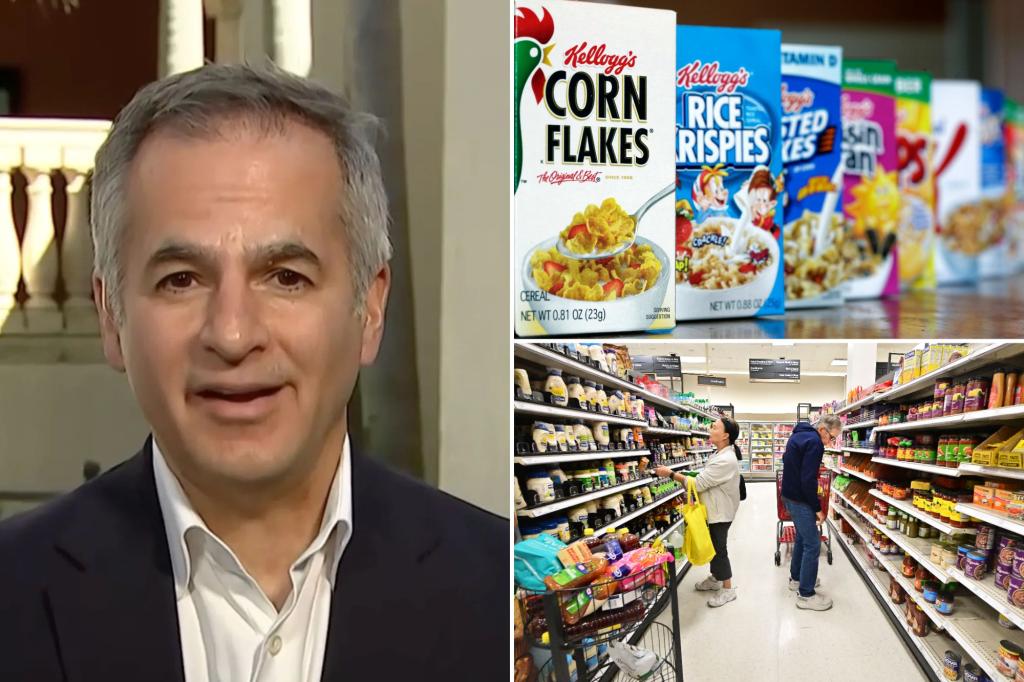
Kellogg's CEO Gary Pilnick faced backlash after suggesting people eat cereal for dinner to save money amid soaring grocery prices, claiming it's a more affordable option. His comments sparked criticism on social media, with many expressing disappointment at the idea of resorting to cereal for dinner due to financial strain. Some accused Kellogg's of capitalizing on people's hardships, while others criticized the nutritional value of cereal. The CEO's remarks come as food prices continue to rise, with many Americans spending a significant portion of their income on groceries.
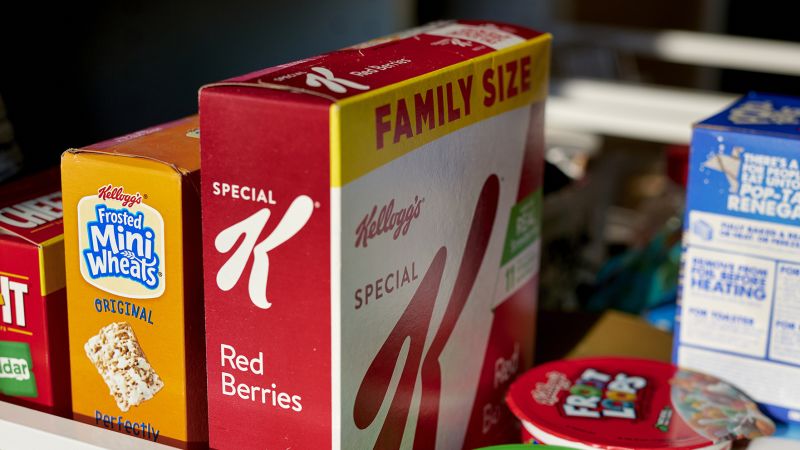
Kellogg's CEO Gary Pilnick suggested promoting cereal for dinner as an affordable option for cash-strapped consumers facing soaring food prices, sparking backlash on social media for being tone-deaf. With Americans spending the highest portion of their income on food in 30 years, the CEO's comments have drawn criticism, especially considering the significant price increases for groceries and restaurant meals since the start of the pandemic. The pushback reflects consumer frustration with rising food prices and corporate insensitivity, as well as a broader trend of social media users expressing discontent over the cost of everyday items.

William Post, a businessman credited with helping invent Pop-Tarts, a classic American snack, died at 96. He led the bakery plant that developed the first Pop-Tarts for Kellogg’s in 1964, and the snack quickly became popular in the United States. Today, billions of Pop-Tarts are sold each year, and they have become an American institution with more than 30 flavors.
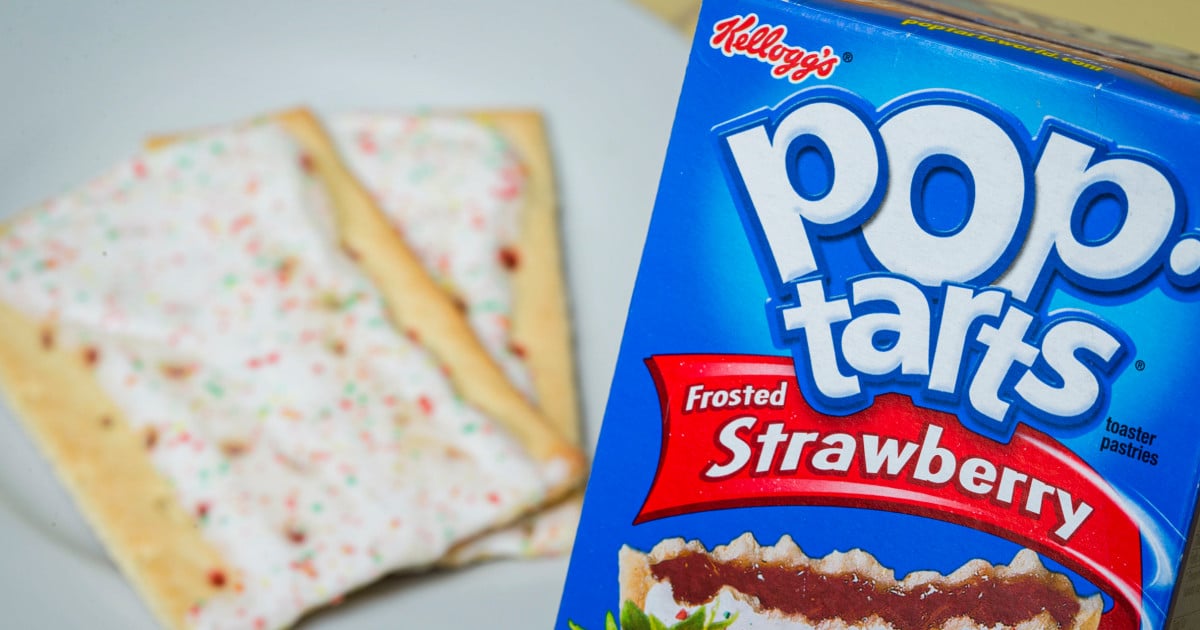
William "Bill" Post, the inventor of Pop-Tarts, has passed away at the age of 96. He began his career at Hekman Biscuit Co. and later worked for Keebler Co., where he was approached by Kellogg's to create a new breakfast product. Post is credited with assembling a team that developed Kellogg's concept of a shelf-stable toaster pastry into the iconic Pop-Tarts, which debuted in 1964. He continued to work in the industry and remained a consultant for Kellogg's for 20 years after retiring as a senior vice president at 56.
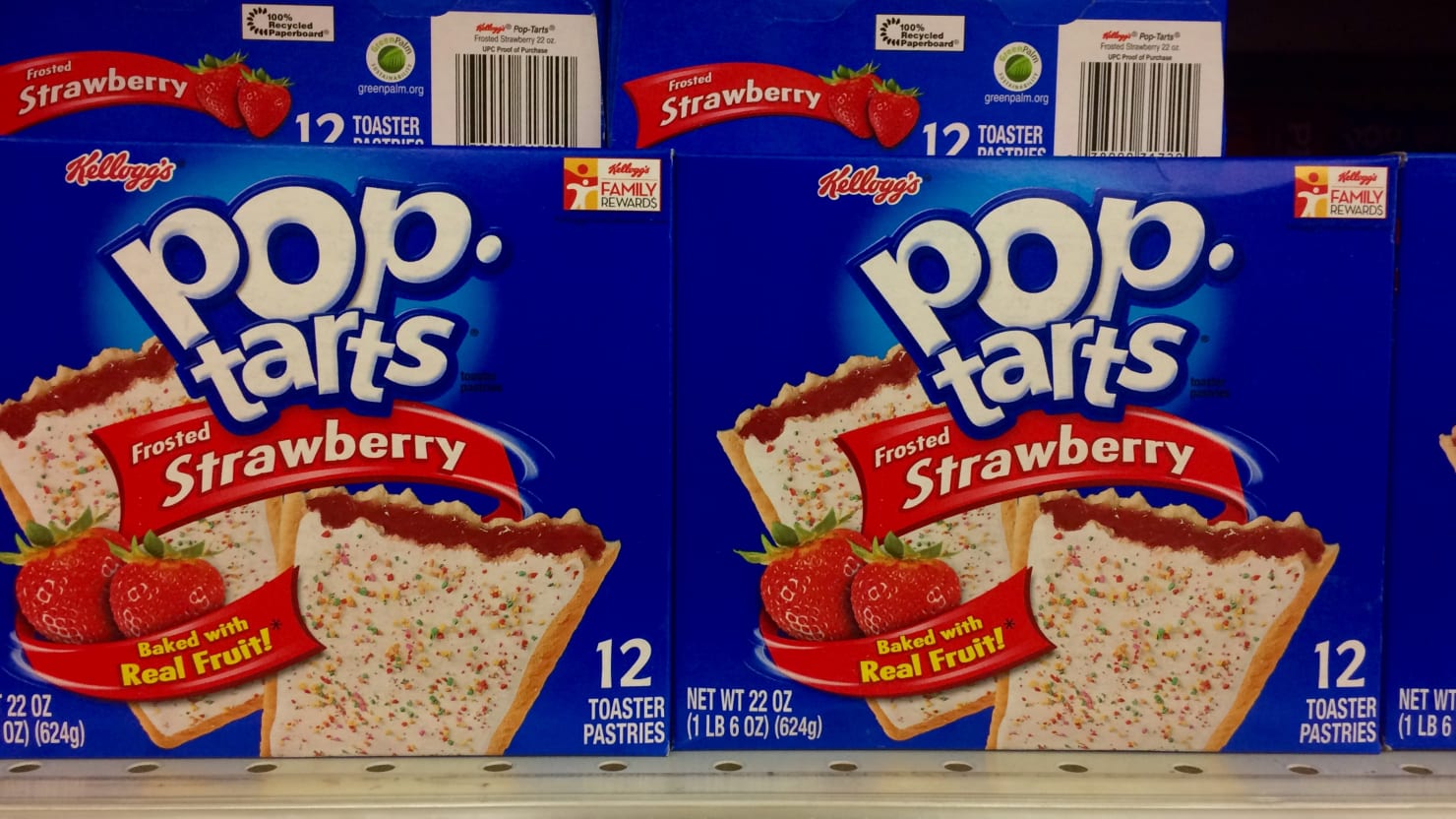
Bill Post, the man credited with inventing Pop-Tarts for Kellogg's, passed away at the age of 96. Born in 1927, he worked his way up to become a plant manager at Keebler before creating the iconic toaster pastry in the early 1960s. Despite initial skepticism, Pop-Tarts became a huge success, with over three billion consumed in 2022. Post continued to work as a consultant for Kellogg's after his retirement. He is survived by two children, four grandchildren, and 10 great-grandchildren.
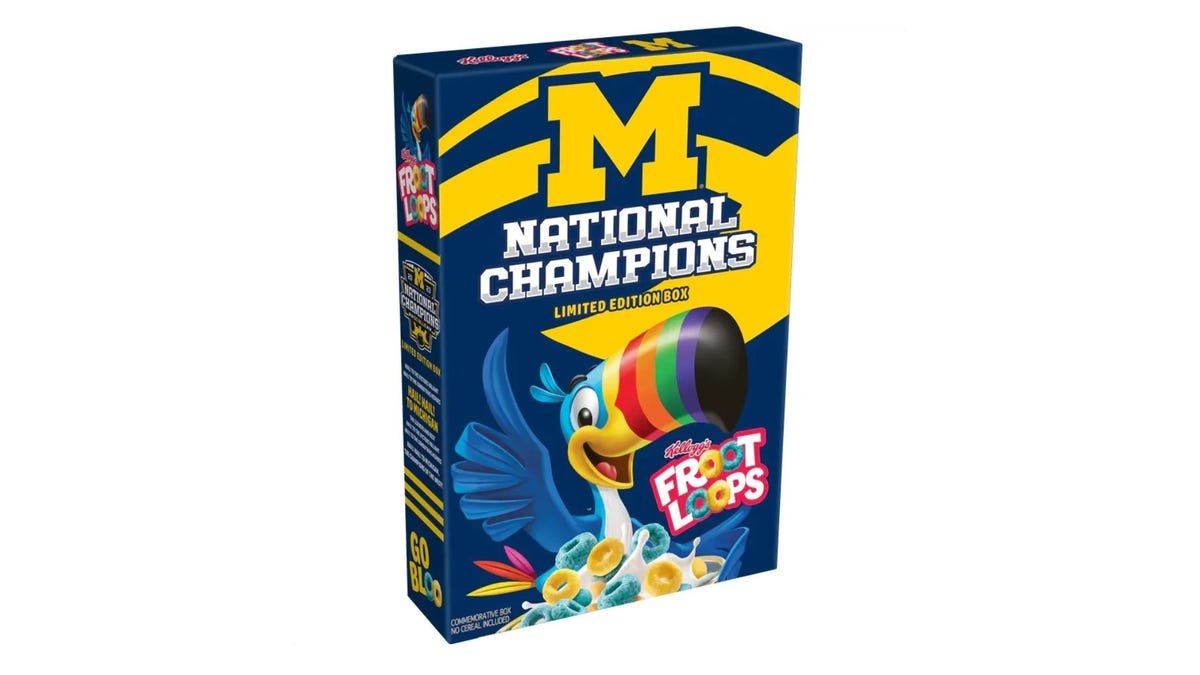
Kellogg's has released a limited-edition Froot Loops box sleeve featuring blue and yellow-only loops to celebrate the University of Michigan's football championship, with the exclusive design available for purchase online for $18.17. The box sleeve, which does not include the cereal, features a modified "Go Bloo" message from Toucan Sam and the university's fight song, "Hail to the Victor's." The commemorative item is selling quickly, prompting the addition of a second batch, and shipping may take up to three weeks.
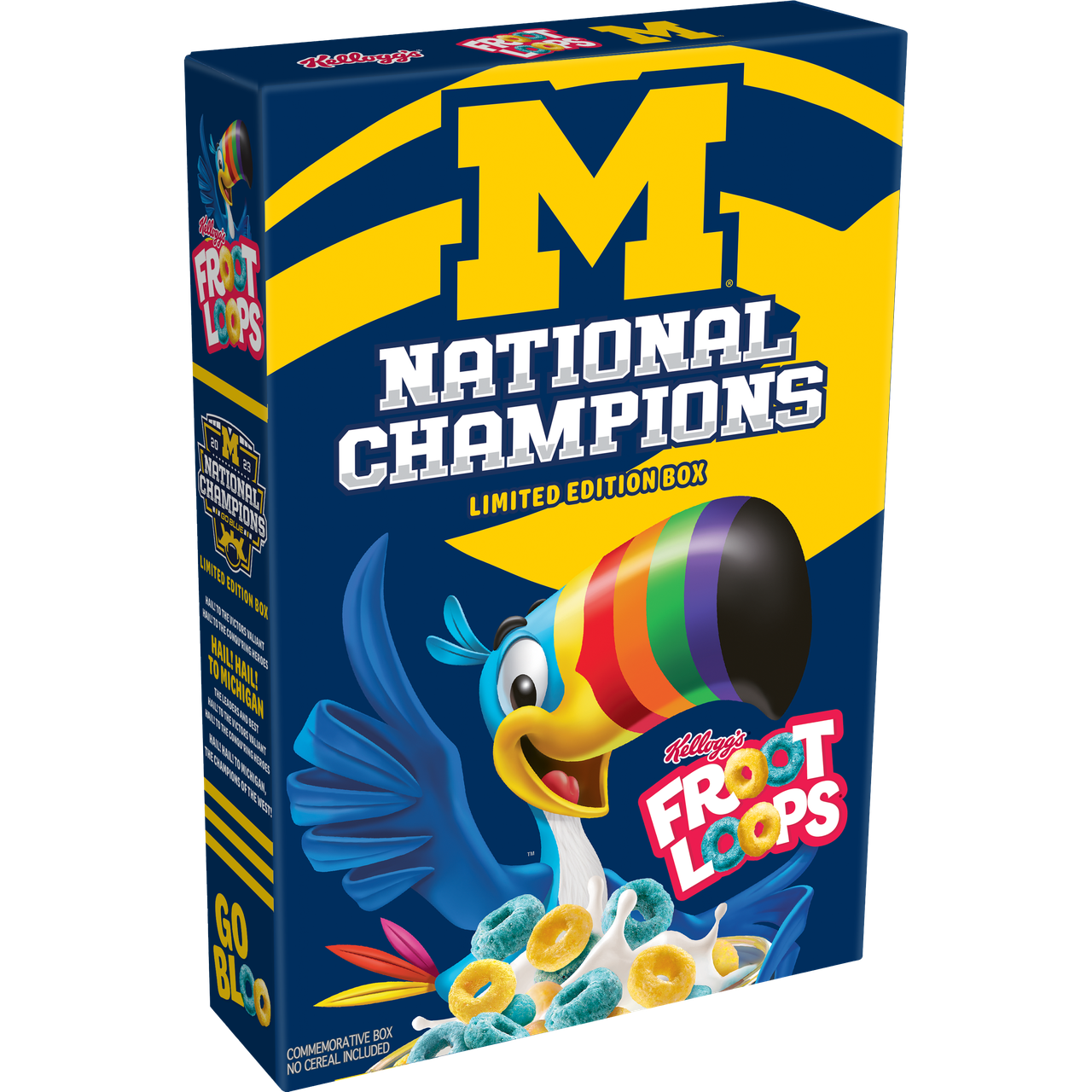
Kellogg’s Froot Loops has released a limited-edition cereal box to celebrate the University of Michigan's historic victory, featuring a design with "championship loops," team colors, a Michigan helmet, and the school’s fight song. Priced at $18.17, the box commemorates the year of the university's founding and is available for purchase while supplies last, with the design showcasing Toucan Sam and the phrase "Go Bloo" as a nod to the iconic bird's language.
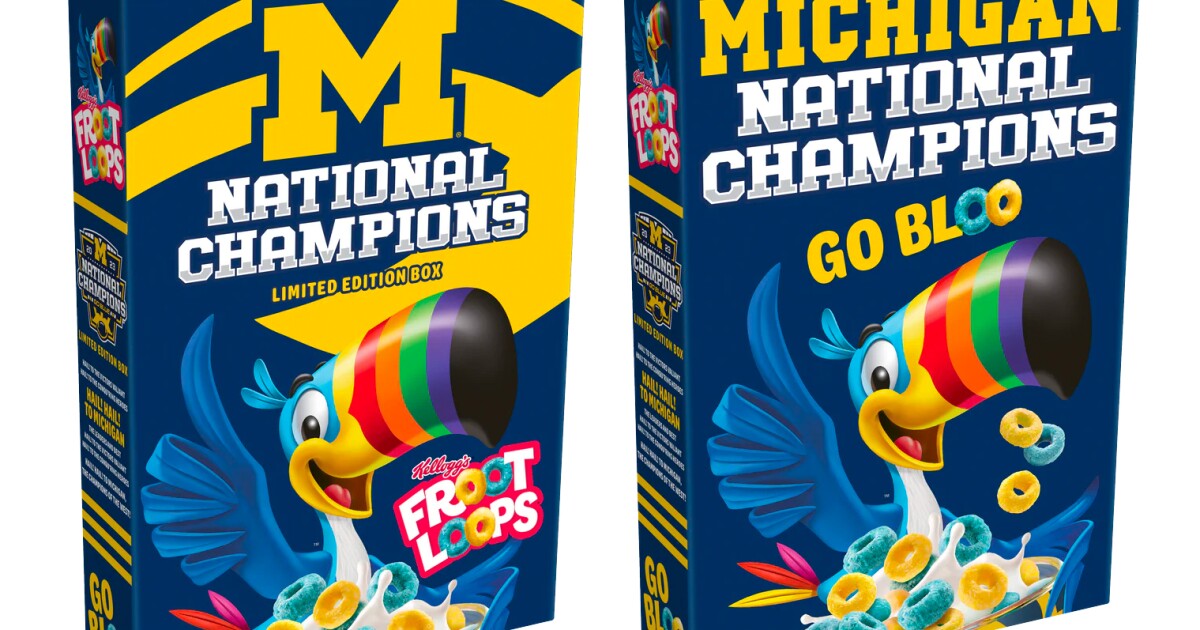
Kellogg's is celebrating Michigan's national championship win with a limited-edition box of Froot Loops featuring "Championship loops," maize and blue colors, the Michigan winged helmet, and the fight song "Hail to the Victors." The special box, with only 1,000 available, does not contain actual Froot Loops and will cost $18.17 in honor of the year the University of Michigan was founded.

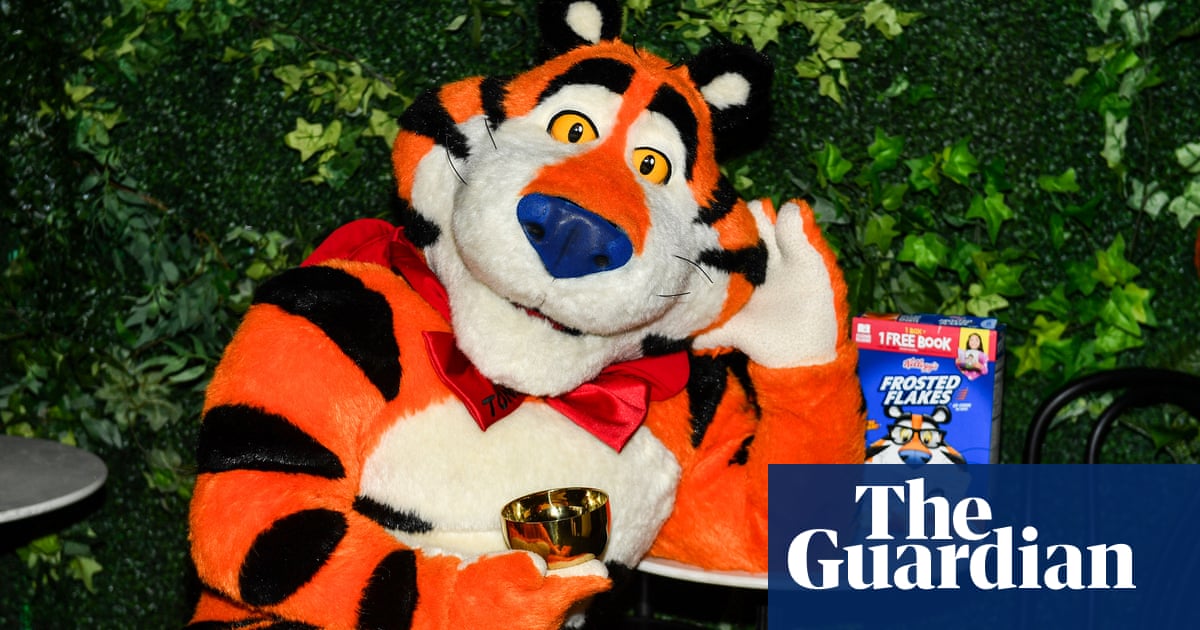
Transgender influencer Dylan Mulvaney posed with Kellogg's Tony the Tiger at the Tony Awards, sparking speculation of a collaboration. The Tiger will present unique gold-filled cereal bowls engraved with Kellogg’s Frosted Flakes at the Tonys afterparty. Mulvaney has faced backlash for her recent LGBTQIA+ campaign with Bud Light, which cost the beer company $27 billion in market value. Other brands such as Target, Nike, Cracker Barrel, and Kohls have also faced repercussions for releasing pride-related merchandise. However, woke companies are not letting the backlash prevent them from supporting the LGBTQIA+ community.