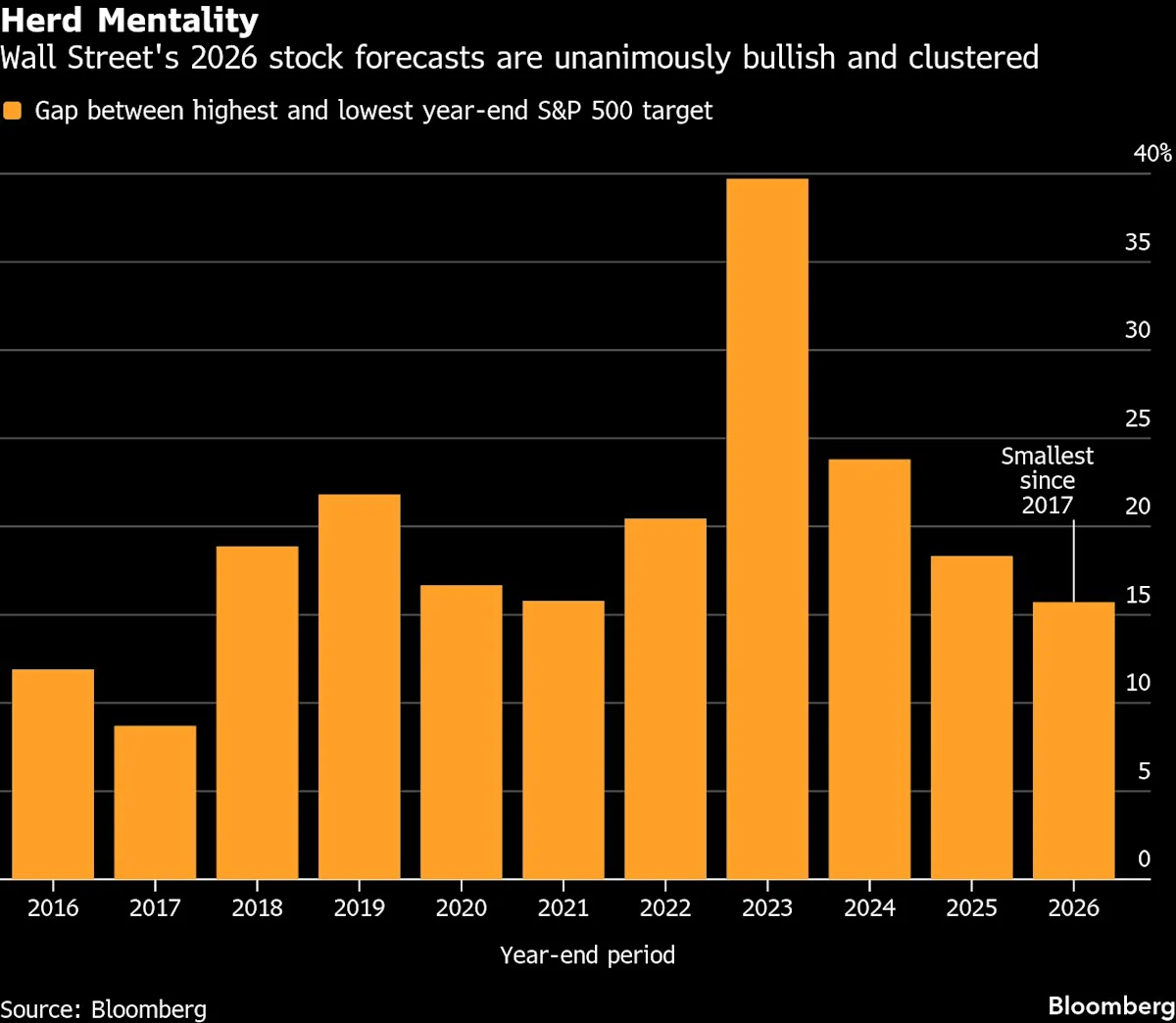
Wall Street's bullish consensus for 2026, with very tight target ranges for the S&P 500, raises concerns among investors about potential market fragility, as such unanimity may already be priced in and could lead to increased volatility if expectations are disappointed.
Many U.S. cities, especially smaller markets and some major metros, are expected to see significant declines in home prices over the next year due to high interest rates, overvaluation, and increased insurance costs, with smaller cities like Greenville, Mississippi, facing the steepest drops, and larger cities like San Francisco and New Orleans experiencing moderate declines.
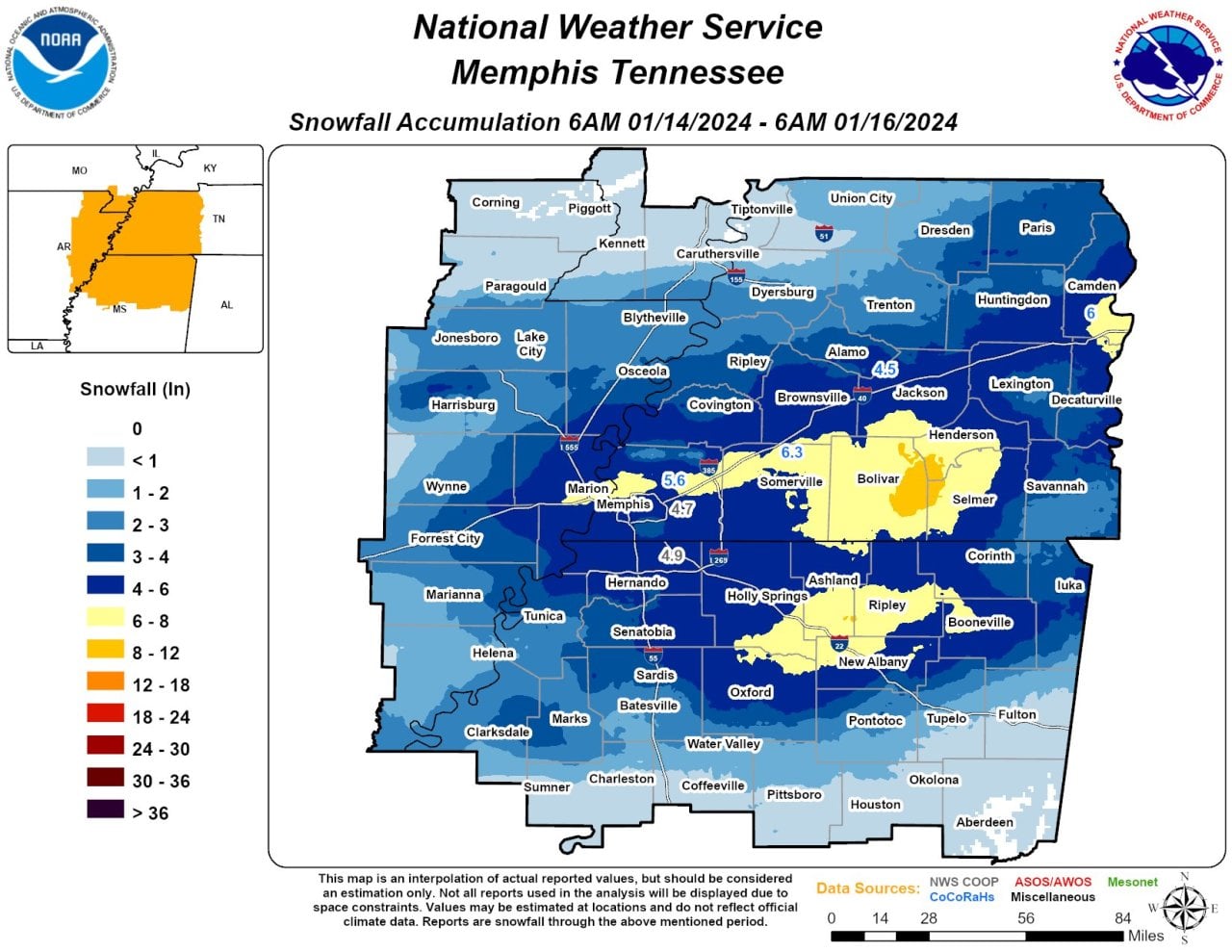
Most of the Mid-South, including Memphis, received between 3 and 6 inches of snowfall, with some areas around Interstate 40 seeing a bit more. Eastern Fayette County and much of Hardeman County got hit harder, with 6 to 8 inches, and part of Hardeman and McNairy counties received upwards of 8 inches, in line with forecasts from News Channel 3 weather forecasters.
Deutsche Bank has made the highest S&P 500 forecast on Wall Street, predicting the index to reach 5,100, which its strategists believe may be too conservative. The bank expects a mild recession in the middle of next year, but if trend-like GDP continues, the S&P 500 could finish the year at 5,500. They also see a possibility for the index to surge even higher in 2024. Deutsche Bank remains neutral on megacap growth and technology stocks, while being overweight on financials, consumer cyclicals, and materials.
Forecasts for the Federal Reserve's interest rate cuts in 2024 have become more important than S&P 500 price targets for investors. Strategists at UBS predict a 2.75% rate cut starting in March, while Goldman Sachs expects rate cuts to begin in the fourth quarter of 2024. Morgan Stanley sees a cumulative 100 basis points rate cut starting in June, while Barclays expects a rate cut in December and a rate hike in January. The Fed itself will release updated forecasts next month. The consensus is that the Fed will cut rates in 2024, and any surprises in the path of interest rates could have a significant impact on financial markets. Lower interest rates generally lead to higher stock prices, but rate cuts in response to a recession pose challenges for the stock market.
VF Corp, the owner of brands like Vans and The North Face, has withdrawn its full-year revenue and profit forecasts due to slowing demand for higher-priced apparel and footwear, particularly in the United States. The company's second-quarter profit was also lower than expected. High borrowing costs and inflation have led customers to prioritize essential purchases, impacting sales of pricier products. VF Corp's margins have been affected by discounts and promotions to attract shoppers and clear surplus inventory. Sales in the Americas fell 11%, while Greater China saw an 8% increase. The company does not expect the performance of its Vans brand to improve in the second half and anticipates a challenging U.S. wholesale environment. VF Corp is implementing a cost reduction program to achieve $300 million in fixed cost savings.
Slawomir Krupa, the head of Societe Generale's retail banking unit, has announced a cut in profit targets and forecasts slower growth for the bank. This decision comes as SocGen faces challenges in the low-interest-rate environment and increased competition from digital banking platforms.
Germany is predicted to be the only major European economy to experience an economic contraction this year, with a 0.4% fall in economic activity, according to the European Commission. The country's struggles can be attributed to factors such as the aftermath of Russia's invasion of Ukraine and declining manufacturing activity. The European Commission also revised its growth expectations for Germany in 2024. Additionally, the forecasts point to a general slowdown across the region, with the 27 EU economies expected to grow at an average pace of 0.8% this year. High inflation continues to be a challenge, with consumer prices likely to remain above the European Central Bank's target.
Dollar General shares plummeted 17% after the company reported disappointing quarterly profit and sales, attributing the decline to weaker store traffic and a shift towards selling more low-margin essentials. The retailer has consistently fallen short of Wall Street's earnings expectations and has now lowered its annual profit and sales targets for the second consecutive quarter due to intense competition and high inflation. Dollar General has been investing in keeping prices low for everyday staples, resulting in a decrease in gross profit as a percentage of net sales. Sales in the home products and apparel segments also declined. The company now expects a decline to 1% growth in same-store sales for fiscal 2023, compared to the previous outlook of a 1% to 2% increase.
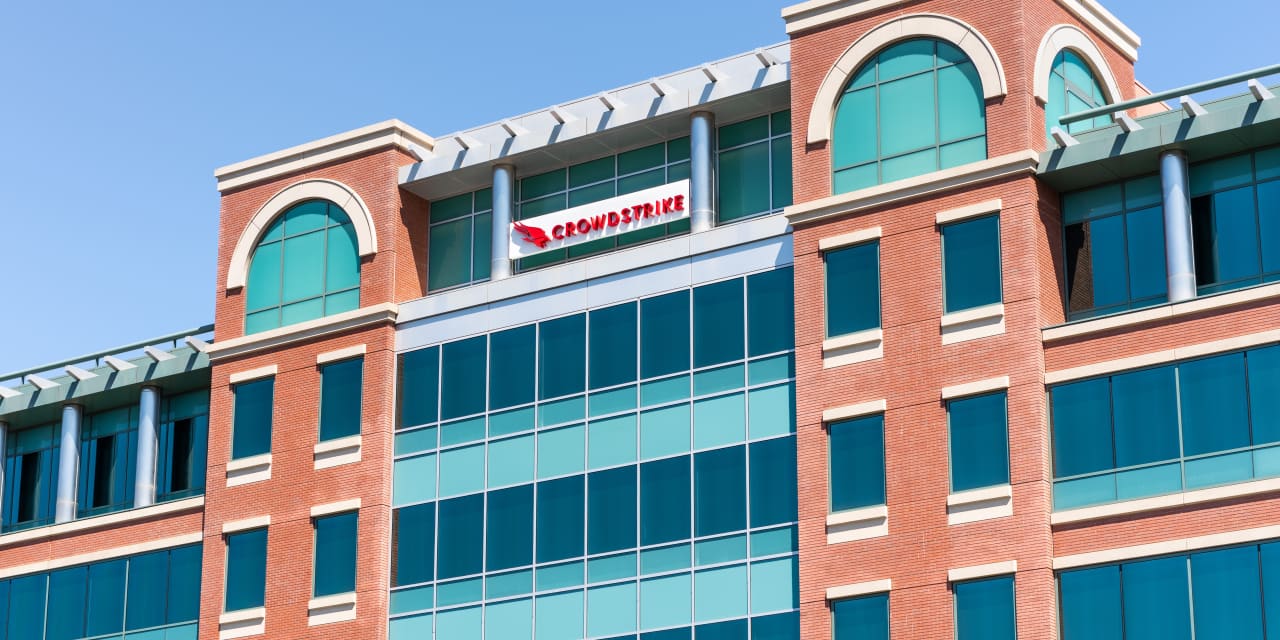
CrowdStrike Holdings, a security software company, reported better-than-expected financial results and raised its outlook for the full fiscal year. However, the company's stock remained relatively unchanged in late trading.
Eli Lilly has raised its annual forecasts after surpassing expectations for its quarterly results, driven by strong demand for its diabetes drug Mounjaro. The company's shares rose nearly 15% in early trading following the positive results and the promising data from rival Novo Nordisk's obesity treatment Wegovy. Mounjaro, which targets the GLP-1 hormone, has shown potential as a weight-loss treatment for people with type 2 diabetes who are overweight or obese. A decision on Mounjaro's use as a weight-loss treatment is expected later this year. Eli Lilly is also banking on the success of its Alzheimer's drug candidate, donanemab, and has raised its adjusted 2023 earnings and annual revenue forecasts.
Goldman Sachs has reduced its economic growth forecasts for China due to the country's regulatory crackdown on tech companies and the property sector. The bank now expects China's GDP growth to be 7.8% in 2021, down from its previous forecast of 8.2%. The cutback is also due to the ongoing impact of Covid-19 and supply chain disruptions.
First-quarter earnings-per-share estimates are off 6.6%, worse than the historical average of 4.2%, according to Credit Suisse's chief U.S. equity strategist. Energy led the decline with a 10.8% drop in earnings revisions. Despite the gloomy outlook, there is a silver lining for investors to be found.