Tag

Jellyfish Galaxy

All articles tagged with #jellyfish galaxy

science6 months ago

James Webb Telescope Spots 'Jellyfish' Galaxy in Deep Space

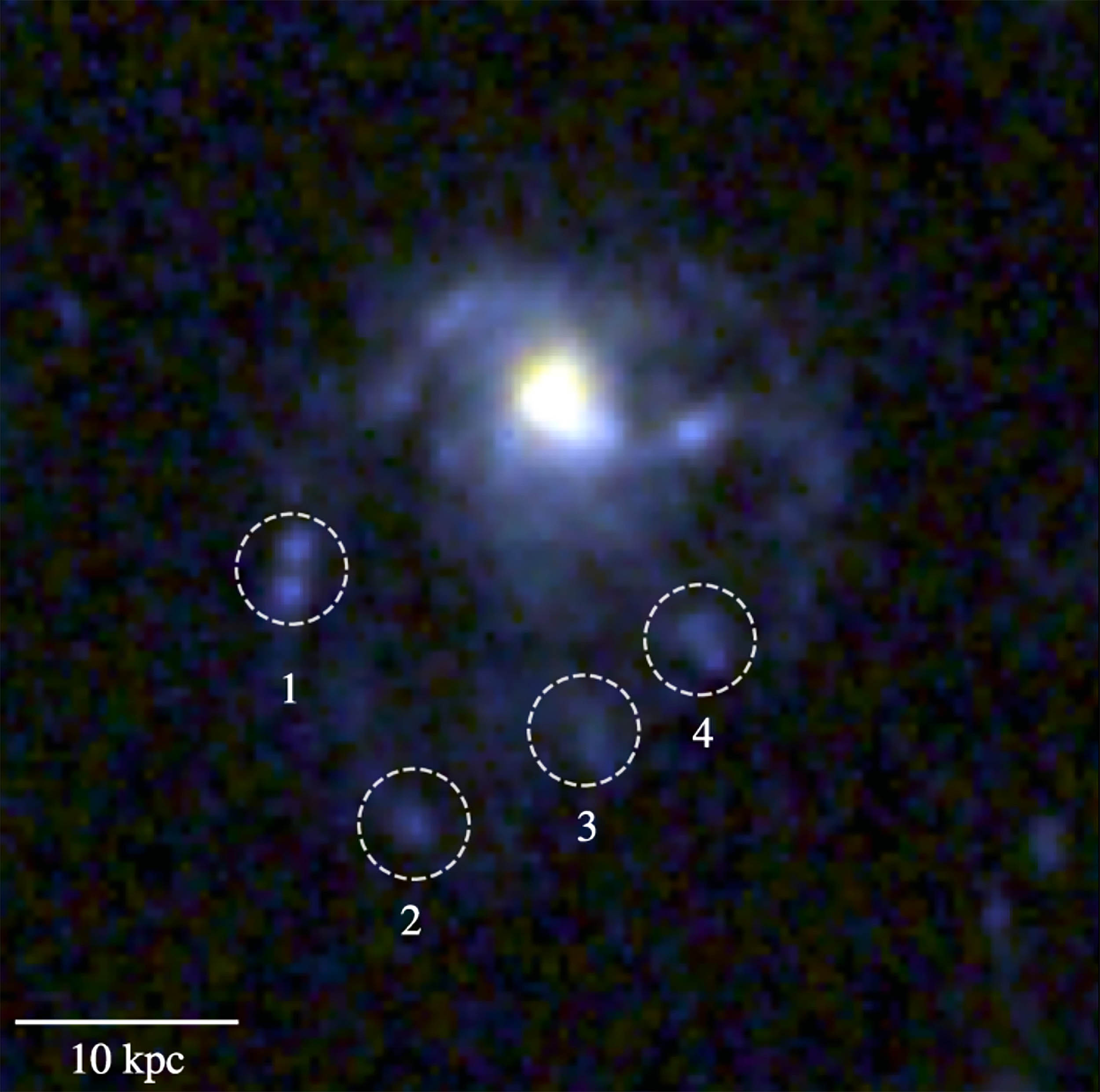
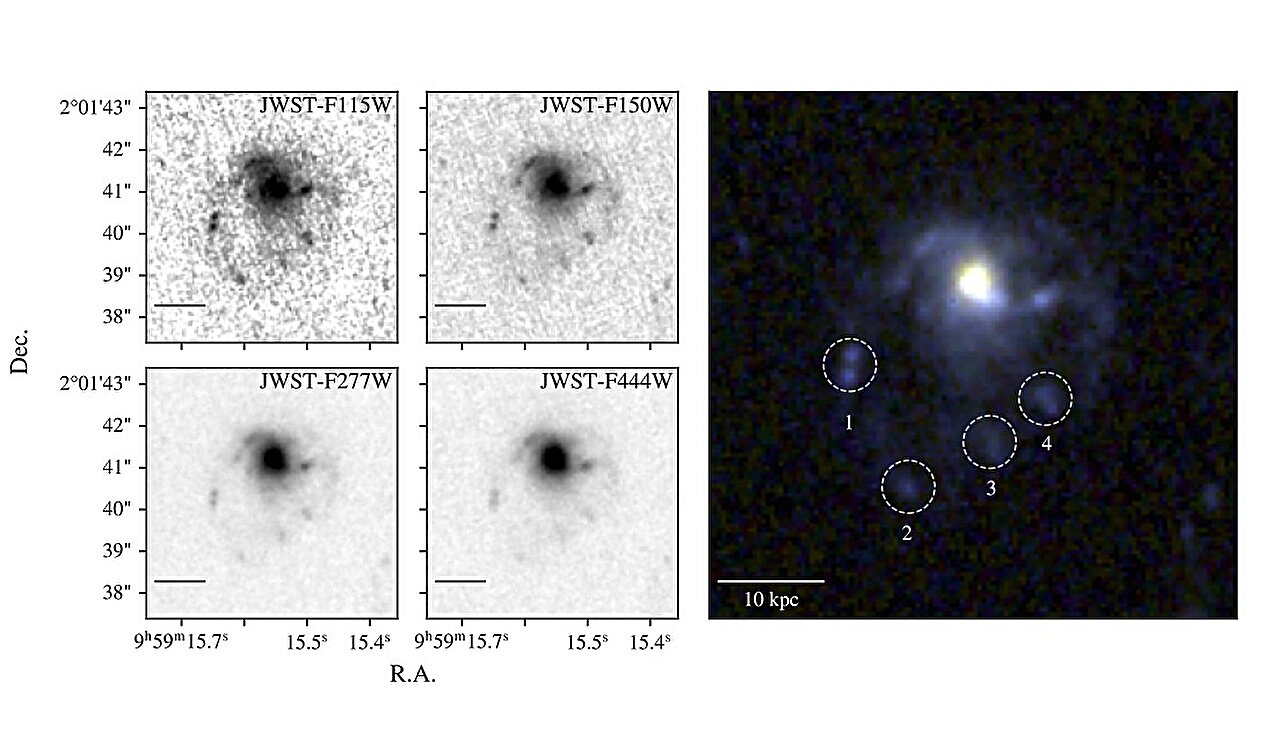
Scientists using the James Webb Space Telescope have potentially discovered one of the most distant jellyfish galaxies, about 12 billion light-years away, characterized by tentacle-like trails of gas and stars caused by ram pressure stripping, which offers insights into galaxy evolution and star formation, though further analysis is needed to confirm its classification.

astronomy2 years ago

Hubble telescope captures stunning jellyfish galaxy 700 million light-years away.

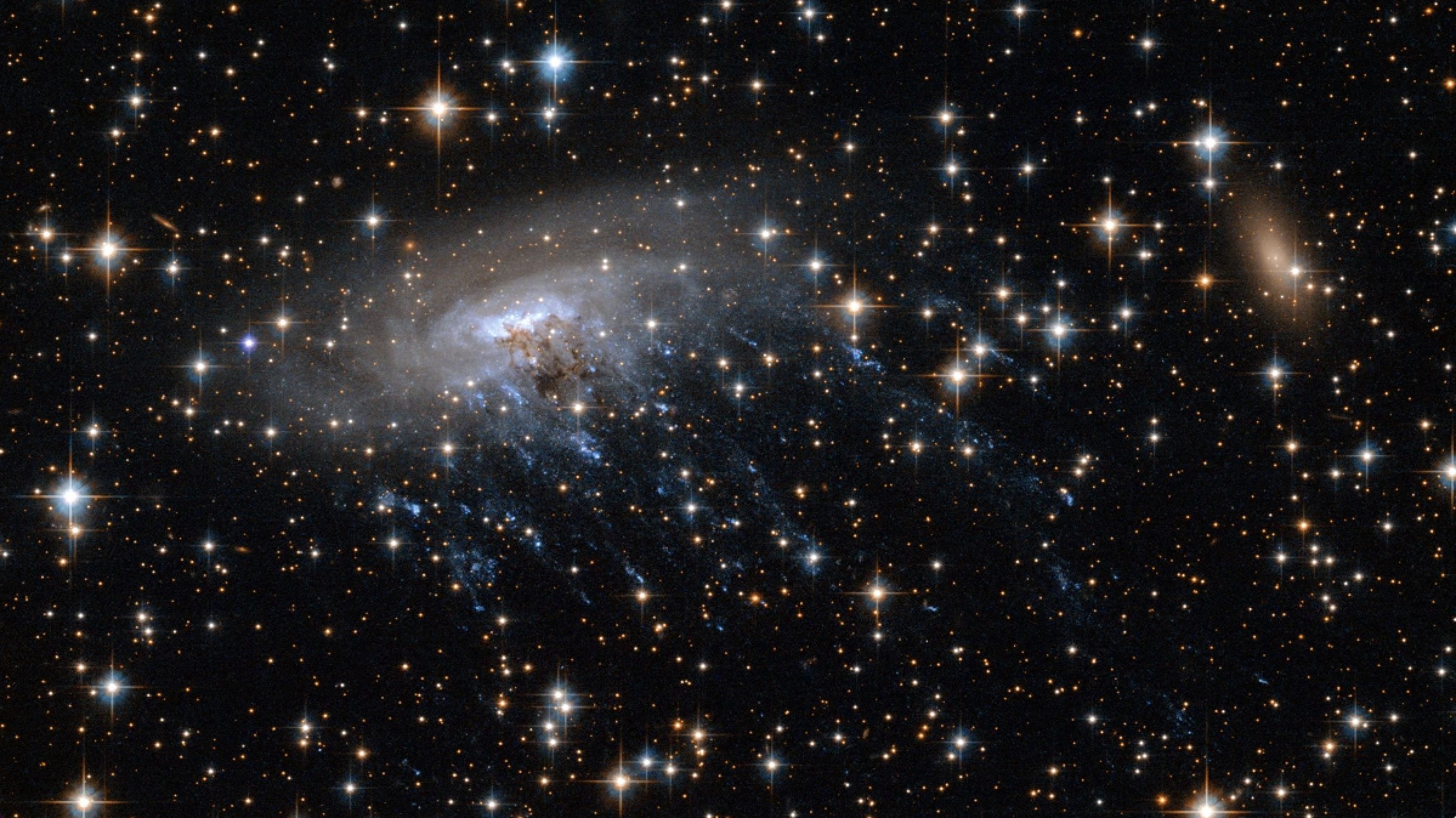
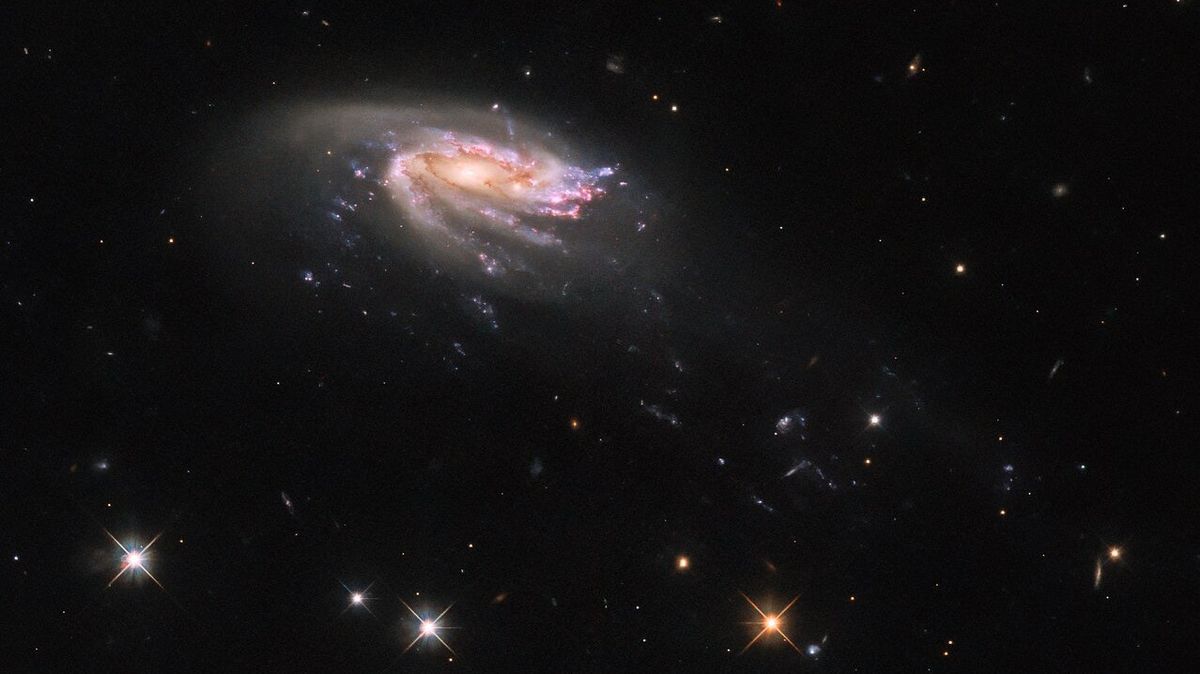
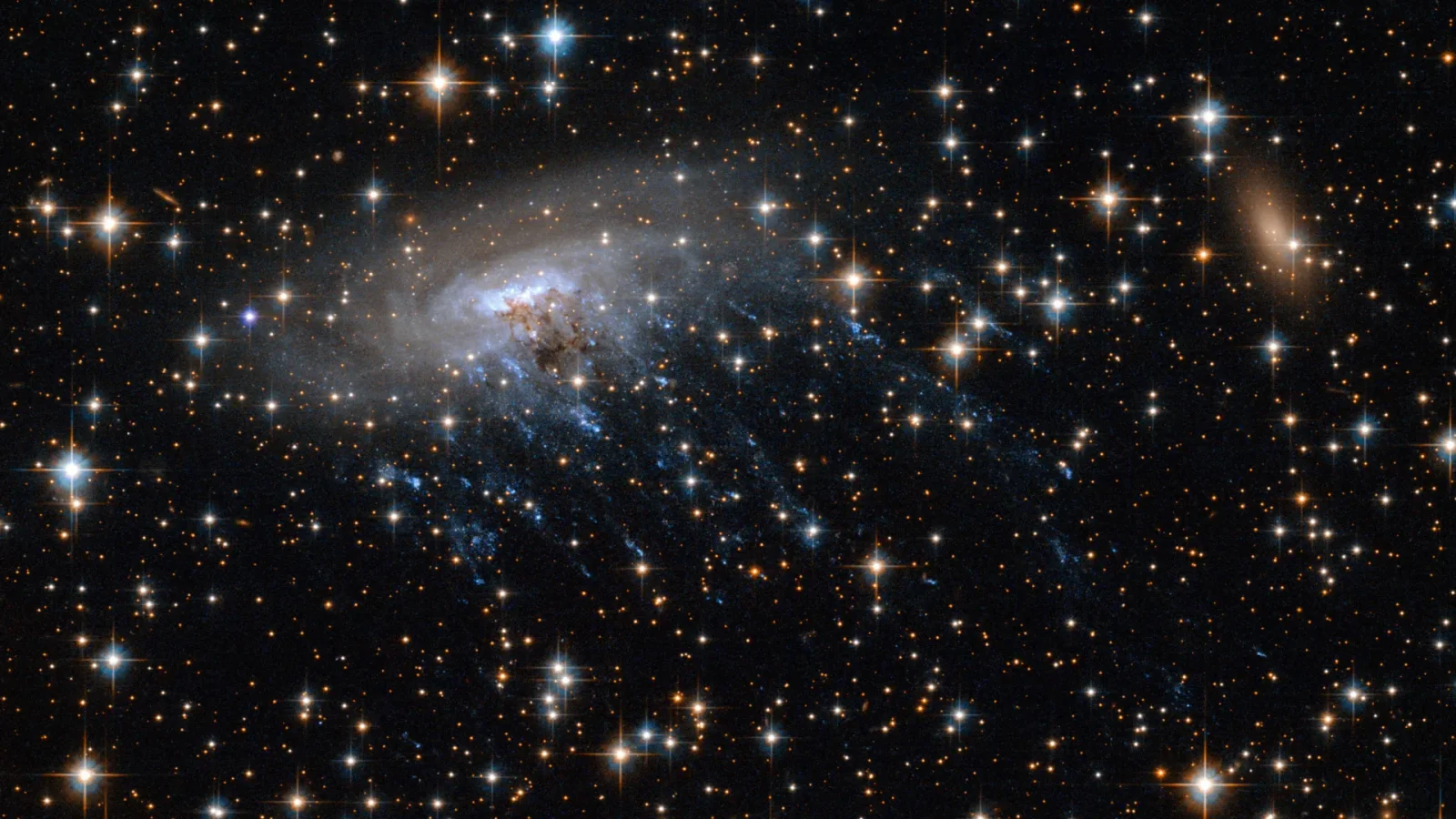
Hubble captured an image of JO206, a jellyfish galaxy located 700 million light-years away in the constellation Aquarius. The galaxy's tendrils of star formation were formed by interactions between the galaxy and superheated plasma within galaxy clusters called the intra-cluster medium. Astronomers use images like these to study star formation in rare and extreme conditions. Data collected from Hubble showed that there are no significant differences in star formation within the disks and tentacles of jellyfish galaxies, indicating that newly formed stars aren't as influenced by their environment as previously thought.

astronomy2 years ago

Stunning Photo of Cosmic Jellyfish Captured by Hubble Telescope.

The Hubble Space Telescope has captured an image of the jellyfish galaxy JO206, located 700 million light-years from Earth in the constellation of Aquarius. The galaxy is characterized by tendrils of gas that are ripped from it as it moves through the intracluster medium of galaxy clusters, leading to intense bouts of star formation called starbursts. Hubble observations have revealed that star formation in the tendrils of JO206 is proceeding in mostly the same way as it does in the galaxy's main body, implying that star birth in jellyfish galaxies isn't strongly influenced by the environment of newly born stars.

science2 years ago

Hubble captures stunning image of distant 'jellyfish galaxy'.

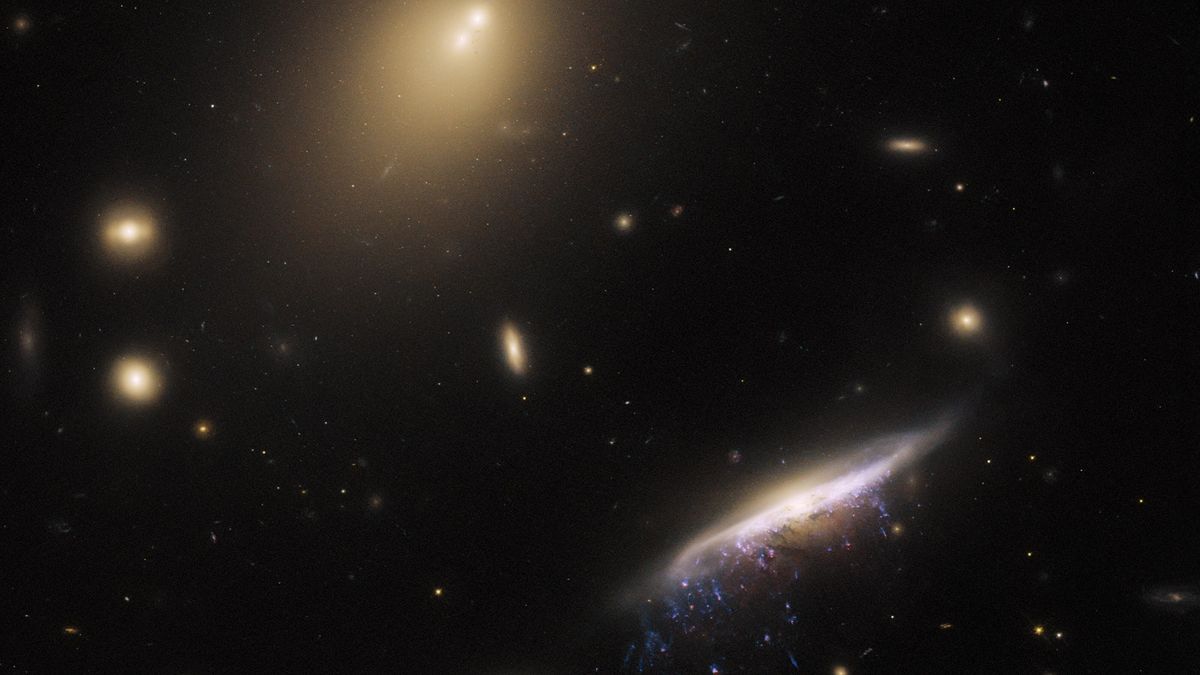
NASA's Hubble Space Telescope has captured an image of a jellyfish galaxy, JW39, located over 900 million light-years away in the constellation Coma Berenices. The galaxy is one of several jellyfish galaxies that the observatory has been studying over the past two years. Despite its serene appearance, the galaxy is adrift in a "ferociously hostile" galaxy cluster, where the gravitational pull of larger galaxies can distort its shape and strip it of star-forming gas through ram-pressure stripping. Surprisingly, star formation in the tendrils of jellyfish galaxies was not noticeably different from star formation in the galaxy disk.

astronomy2 years ago

Hubble's stunning capture of a jellyfish galaxy 900 million light-years away.

NASA's Hubble Space Telescope captured a stunning image of the "jellyfish galaxy" JW39, which is located over 900 million light-years away from Earth. The galaxy is known for its tentacle-like tails and hosts a supermassive black hole at its center. JW39 and its neighboring galaxies experience ram-pressure stripping, which reduces the amounts of gas and dust within galaxies, leading to galactic burnouts.

science2 years ago

Hubble Telescope Captures Galaxies in Motion

NASA's Hubble Space Telescope captured a "peaceful view" of a jellyfish galaxy adrift 900 million lightyears away in the constellation Coma Berenices. The JW39 galaxy appears calm, but it is really suspended within a galaxy cluster that is bursting with hot plasma. The galaxy's spiral structures are "thick and puffy" with "grey dust", and the glowing blue spots represent areas of star formation. The image has accumulated more than 300,000 likes on NASA's Instagram page.

science-and-astronomy2 years ago

Hubble telescope captures stunning galactic jellyfish photo.

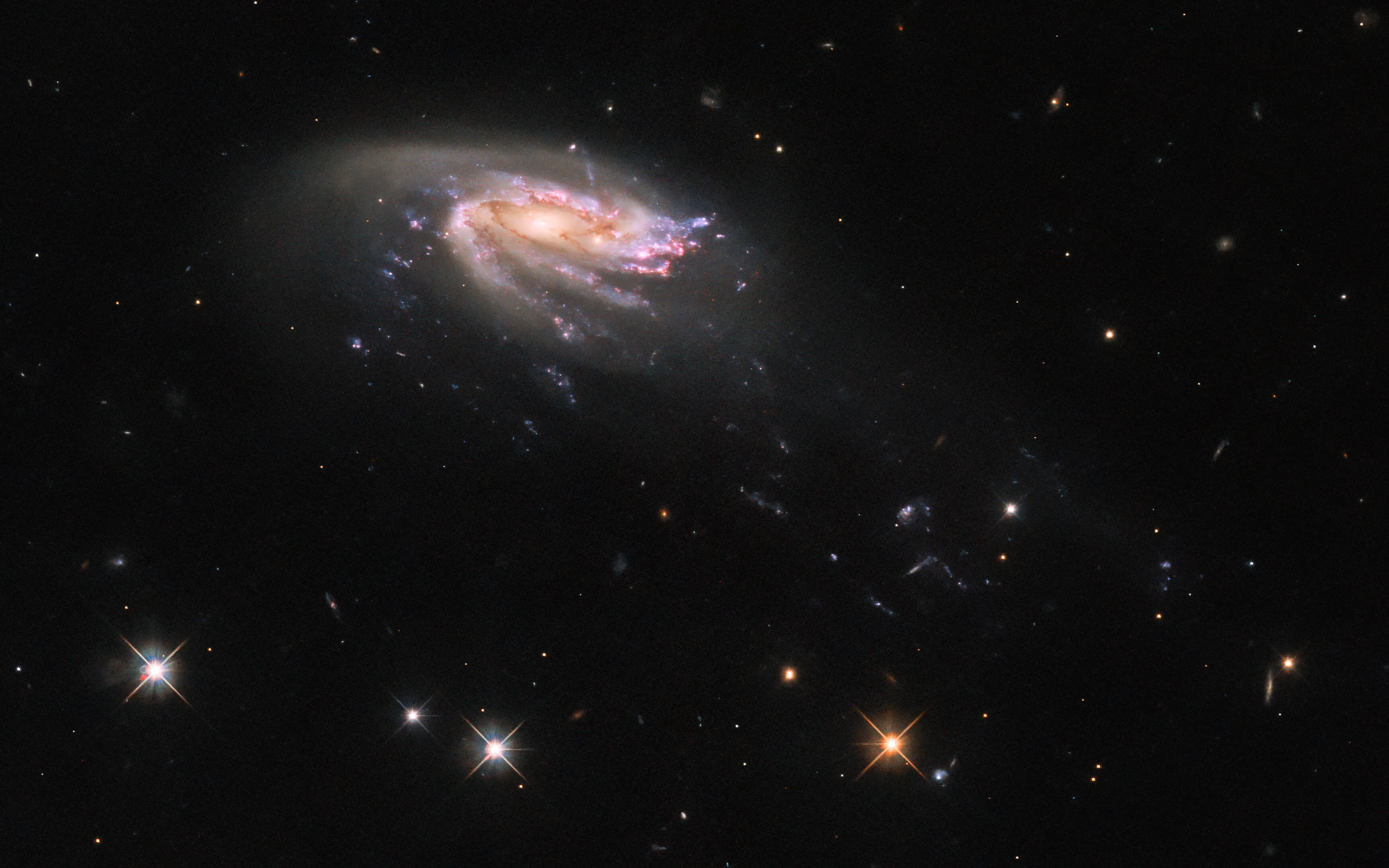
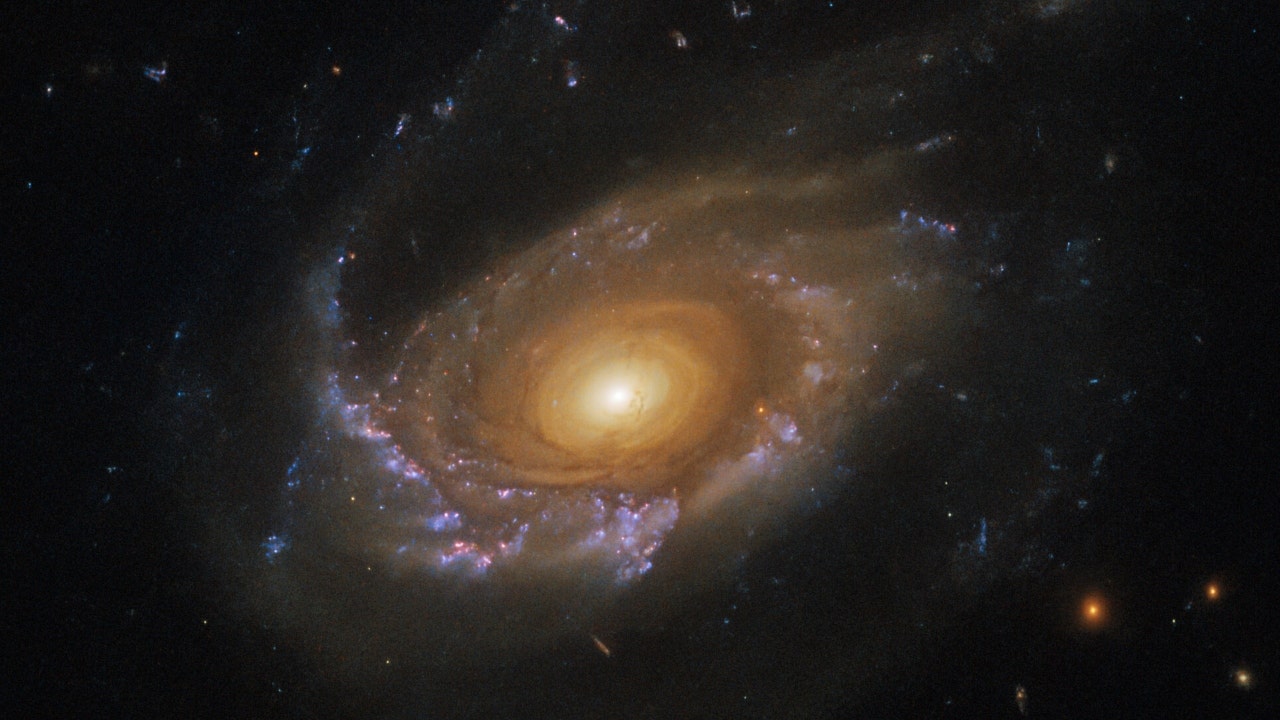
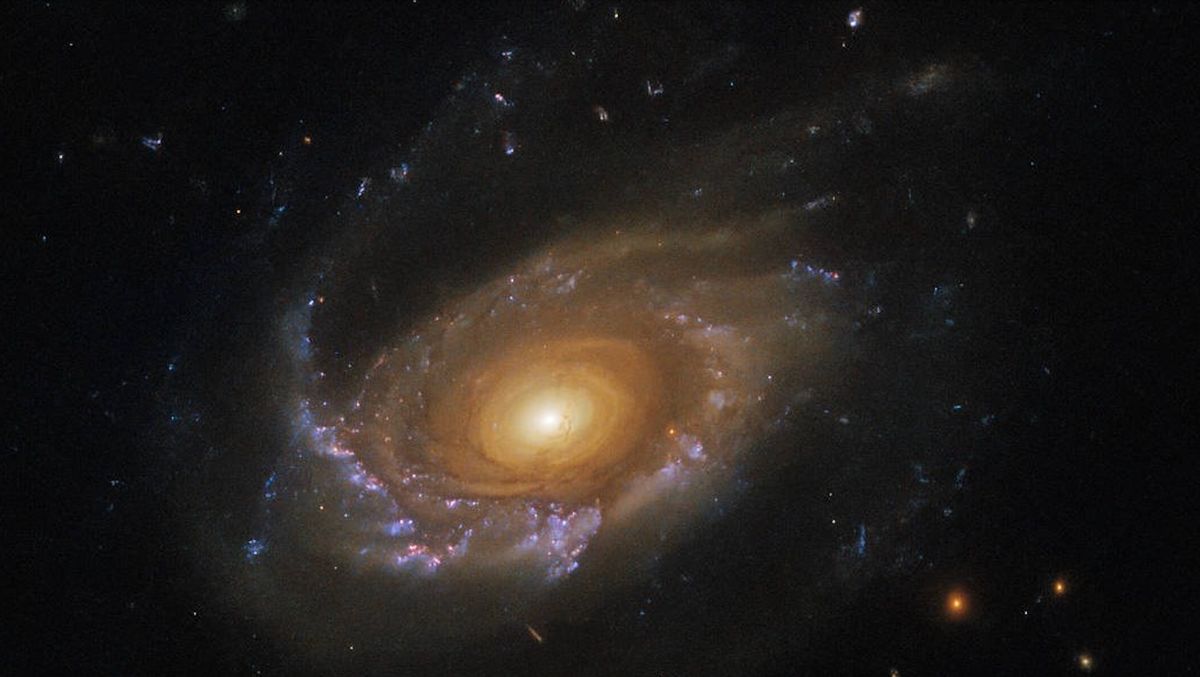
The Hubble Space Telescope has captured an image of a distant spiral galaxy, JW100, which appears to have bright streams of star-forming gas dripping from its central disk like tentacles of a jellyfish. This galaxy is an example of a "jellyfish galaxy" that exhibits long tendrils illuminated by clumps of star formation, which appear to be streaming away from the galaxy's main body. These tendrils form through a process called ram pressure stripping, which occurs when galaxies encounter the diffuse gas that pervades galaxy clusters.