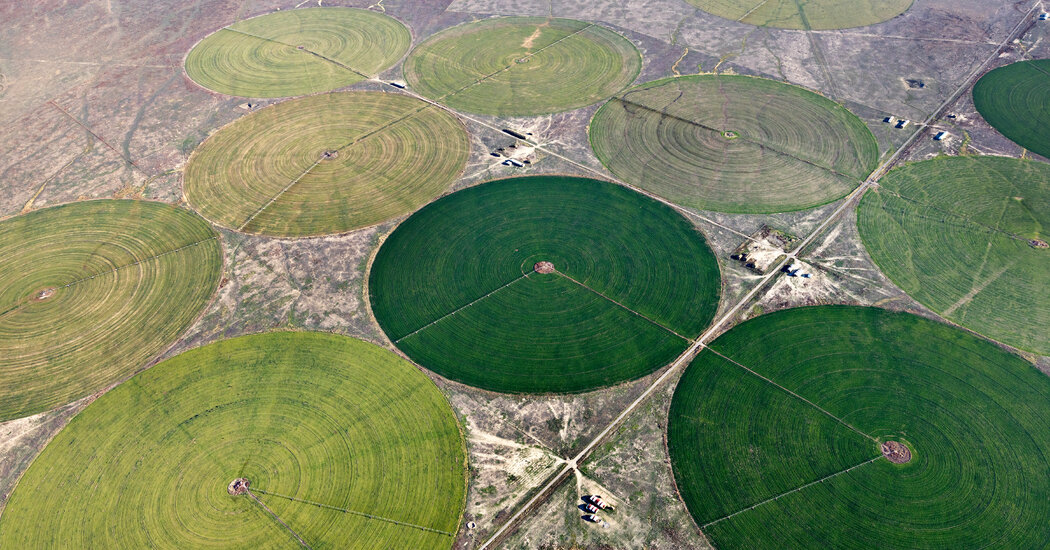
Higher temperatures driven by climate change are making the atmosphere 'thirstier,' leading to more severe droughts and challenges for farmers relying on irrigation, as older systems struggle to meet the increased water demand.
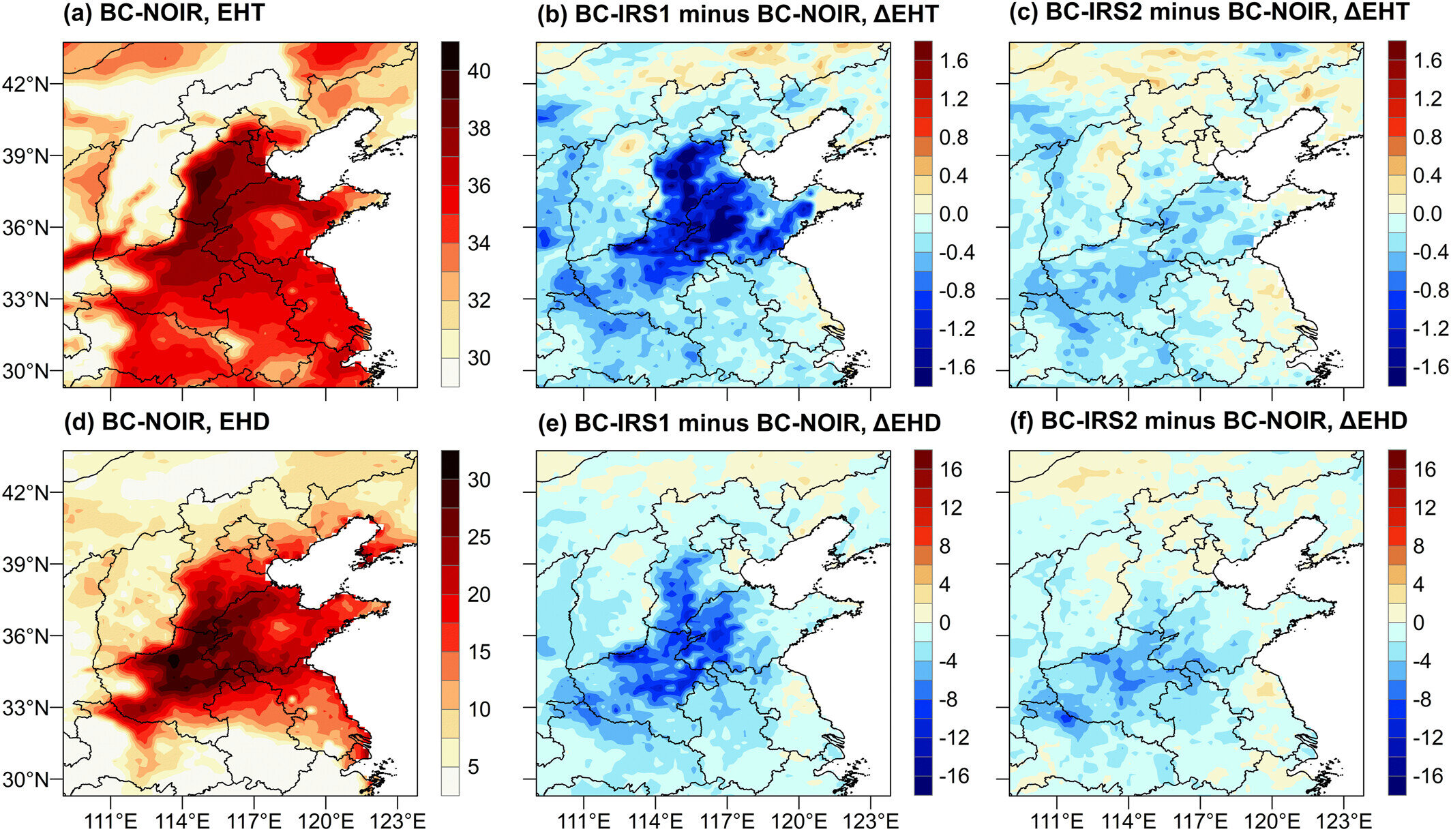
New research suggests that spring irrigation can reduce the intensity and duration of summer heat waves by retaining higher soil moisture levels between seasons, known as soil moisture memory. The study focused on the North China Plain, an intensively irrigated agricultural area, and found that spring irrigation alone reduced the intensity of summer heat waves by 0.29°C and 2.5 days, while combined spring and summer irrigation extended this reduction to 1°C and 6.5 days. This research highlights the potential of spring irrigation to alleviate water stress in the following summer months and support regions experiencing imbalances in precipitation, offering insights for water resource management and adaptation planning strategies in the face of climate change.
The Kufrah district in southern Libya, located in the Sahara Desert, holds a vast fossil aquifer and remnants of dried rivers beneath its arid surface. The region's farmland in Al Jawf is irrigated using water from the Nubian Sandstone Aquifer, which dates back thousands of years when the area had a more temperate climate. The Great Man-Made River, one of the world's largest irrigation projects, supplies 70 percent of Libya's water by transporting fossil water from the aquifer to major cities along the Mediterranean coast.
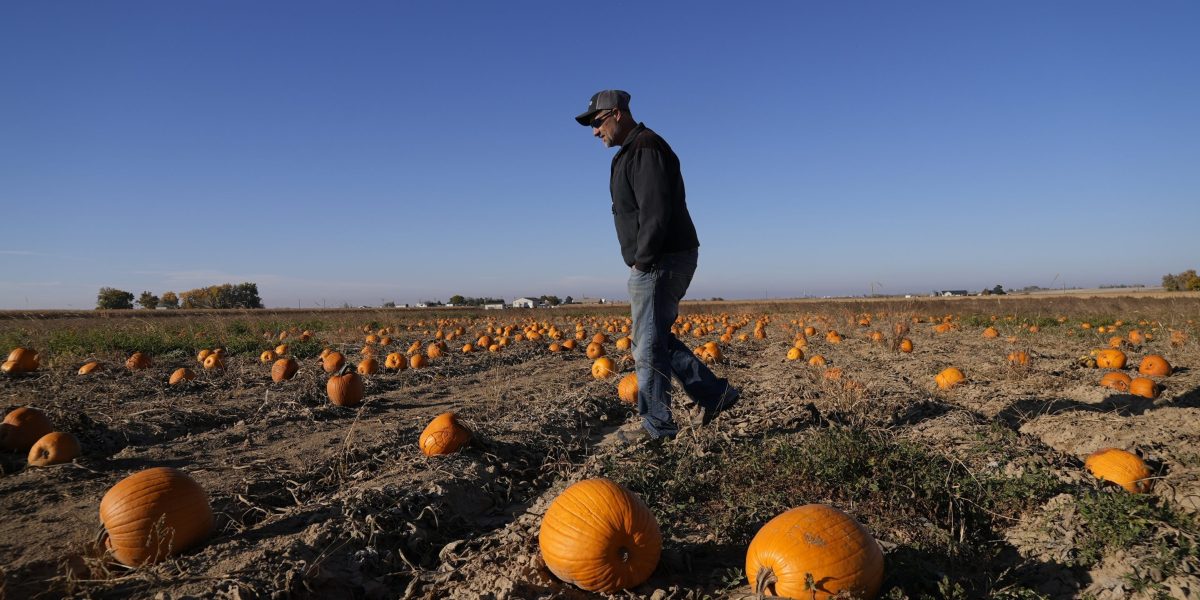
Pumpkin growers in states like Texas, New Mexico, and Colorado are facing water challenges due to drought and heat extremes exacerbated by human-caused climate change. Farmers are dealing with reduced water allotments, high irrigation costs, and unpredictable weather, resulting in lower yields and financial losses. Labor costs and inflation are also impacting profitability. The rising cost of irrigation, coupled with groundwater depletion, is a long-term concern for farmers in the region. The combination of these challenges is leading some farmers to abandon pumpkin farming altogether, with concerns about the future viability of their businesses.
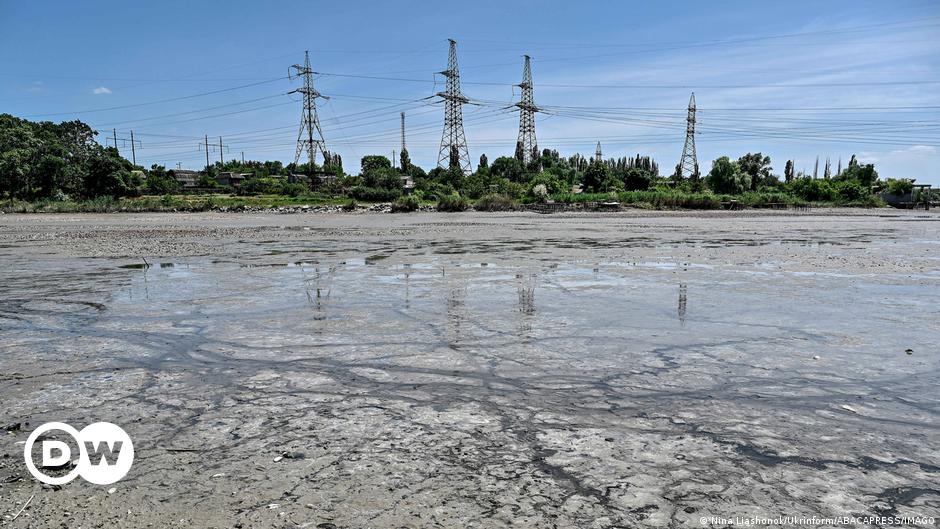
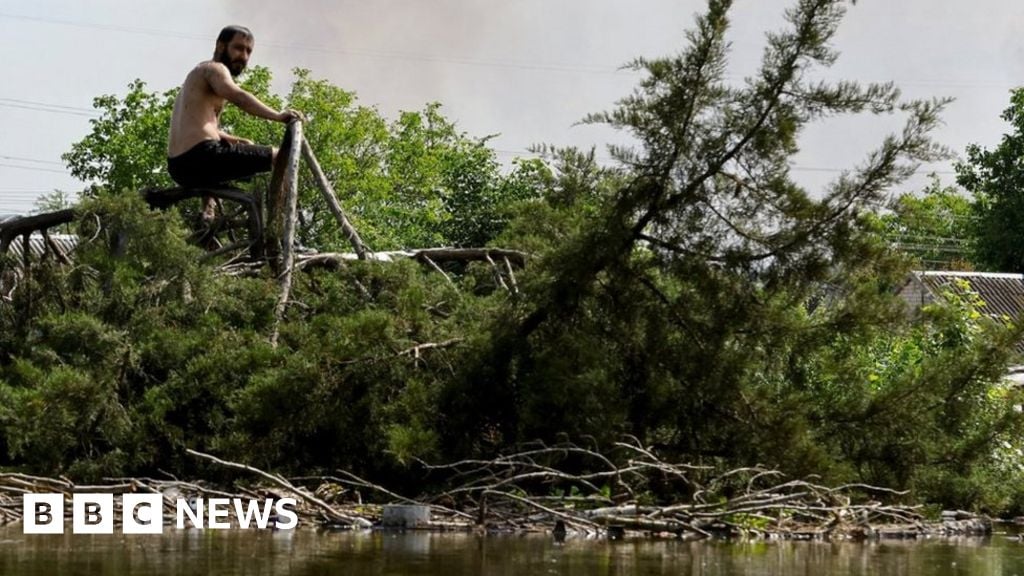
The destruction of the Kakhovka dam in Ukraine has caused the Kakhovka Reservoir to dry up, cutting off water flows to surrounding farmland. The loss of irrigation water is posing a major challenge for farmers, as crops like corn, wheat, sunflower, tomatoes, and melons heavily rely on irrigation. The destruction of the dam, along with the war-related challenges faced by Ukraine's agricultural sector, has led to significant losses and threatens global food security. Restoring irrigation from the reservoir is expected to take several years.
The destruction of the Kakhovka dam in Ukraine has left 600,000 hectares of farmland without access to irrigation water, devastating agriculture in the region. The areas affected have been cut off from the international market since 2022 due to Russian occupation, but before the invasion, Kherson produced 12% of Ukraine's total vegetables. The destruction of the dam will not have an immediate effect on Ukraine's grain exports, but any bad news from Ukraine has an impact on the international market. Agricultural production in Ukraine will be needed in the future, particularly to fight global hunger.
The collapse of a dam in Ukraine has caused devastating floods, with long-term consequences predicted for agriculture across one of the country's most fertile areas. The agriculture ministry warns that fields in southern Ukraine could "turn into deserts as early as next year" as vital irrigation systems cease to function. The Kherson region is among Ukraine's most fertile and productive, producing a host of different crops, from onions and tomatoes to sunflowers, soybeans and wheat. Without the reservoir, sources of drinking water supply in populated areas will also be affected, and pollution is already high.
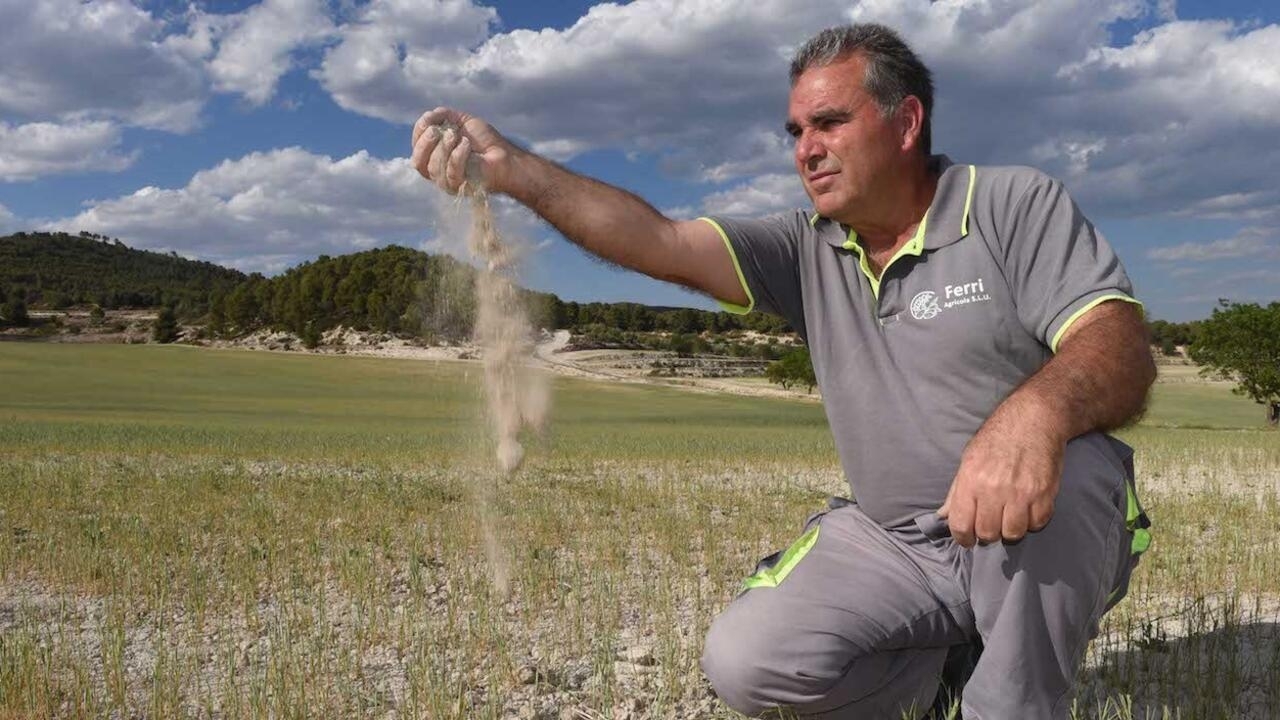
Spain's long-term drought is causing "irreversible losses" to more than 5 million hectares of crops, with cereals such as wheat and barley being the worst impacted. Even crops known for their adaptation to a dry climate, such as nuts and olives, are now being threatened. As the drought intensifies, irrigation has become more vital than ever to Spanish farmers. The government's plan to limit the rerouting of water from the nation's longest river – the Tagus – for agricultural purposes lies at the centre of a heated debate.
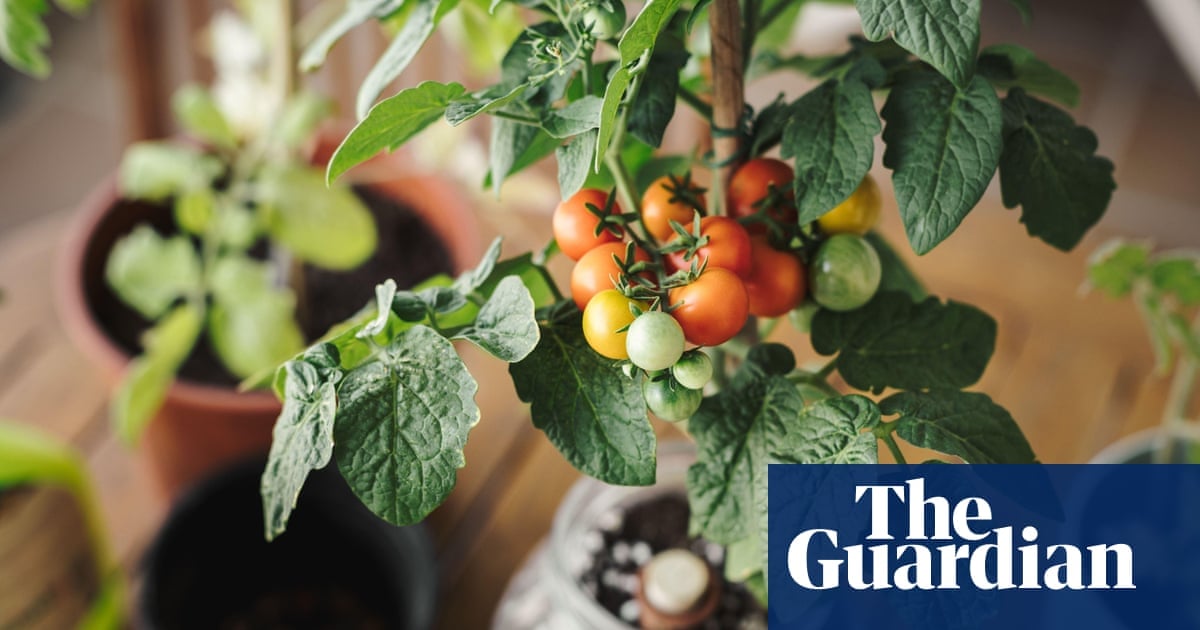
Plants emit ultrasonic sounds in rapid bursts when stressed, which nearby creatures may respond to, according to scientists. The sounds are too high-pitched for the human ear, but insects and small mammals can detect them, raising the prospect that the noises might influence their behaviour. The sounds might be useful for nearby creatures, perhaps affecting which plants animals feed on or where insects lay their eggs. The discovery could make irrigation more efficient by using microphones alongside other sensors to detect when plants are short on water.