A reanalysis of 3,000-year-old artifacts from Kvemo Bolnisi, Georgia, suggests that early copper smelters experimented with iron oxides as flux, which may have inadvertently laid the groundwork for the development of true iron smelting and the Iron Age, challenging the idea of a sudden technological breakthrough.
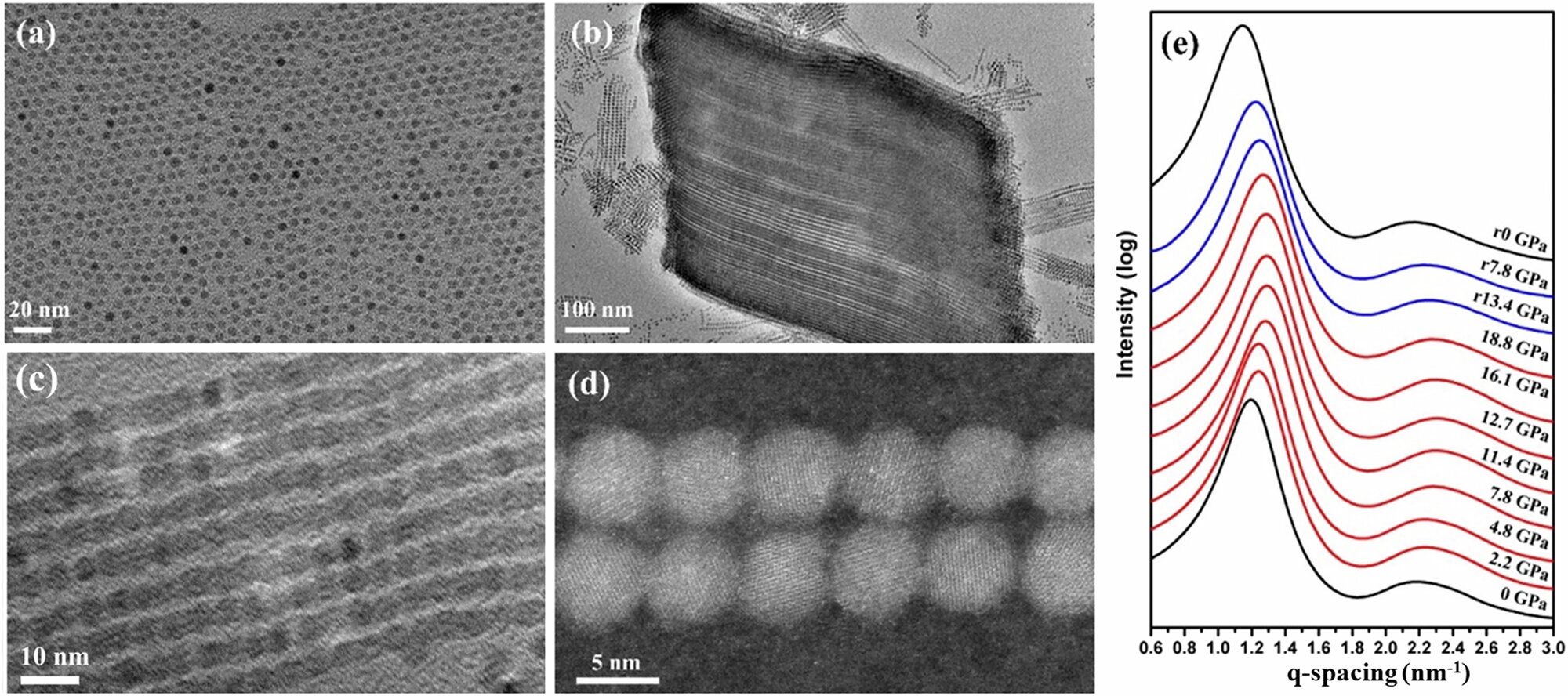
Researchers at UT Arlington have discovered a new magnetic property in iron oxide nanoparticles induced by high pressure, which could lead to stronger magnets and reduce reliance on rare-earth metals in various technologies.
Mars appears red due to iron oxide on its surface, but its true color varies from rusty brown to tan, with white ice caps at the poles. Advanced imaging techniques like infrared and ultraviolet help scientists study its composition and atmosphere, revealing a complex and dynamic planet that continues to intrigue researchers.
Mars is often called the 'Red Planet' due to its surface iron oxide, but its true appearance is more complex, featuring shades of brown, orange, and white ice caps, with advanced imaging revealing even more nuanced colors through ultraviolet and infrared light. The planet's iconic red hue is a result of rust-like dust, not a uniform color, and its surface features seasonal changes and diverse landscapes.
Mars appears red due to iron oxide on its surface, but its actual color varies from rusty brown to white at the poles, and scientists use different types of telescopic imaging beyond visible light to study its surface and atmosphere, revealing more about its geological history and composition.
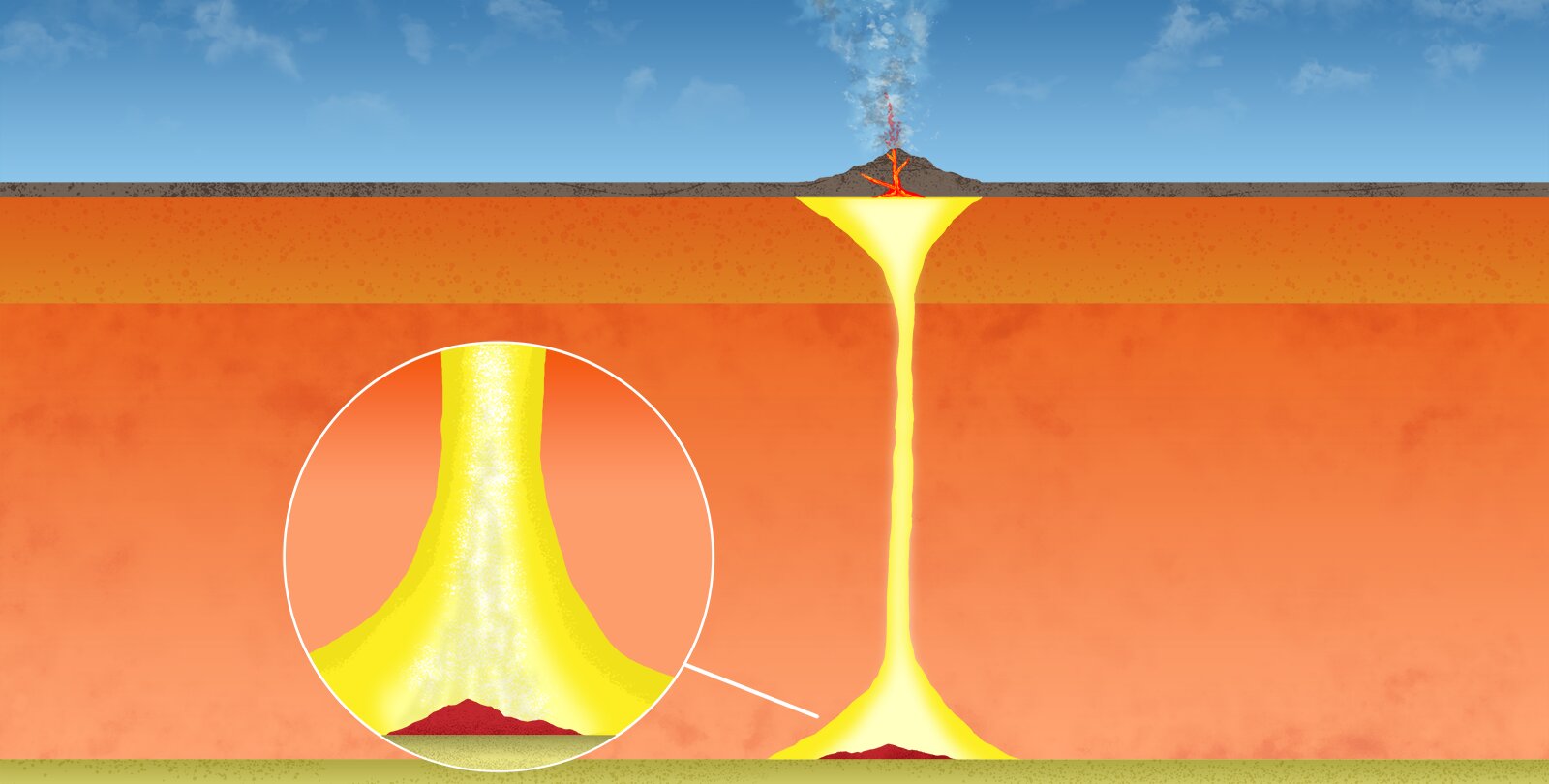
Scientists have long been intrigued by the ultralow velocity zones (ULVZs) near the core-mantle boundary (CMB) of the Earth, but their composition and behavior have remained a mystery. A recent study led by Caltech researchers has provided evidence that these regions, which slow down seismic waves, may be composed of solid iron oxide. The study used experiments to determine the temperatures and pressures at which iron oxide transitions from a solid to a liquid state, and found that it remains solid even at extreme conditions similar to those at the CMB. The findings shed light on the complex nature of the Earth's deep interior and its influence on geological processes.