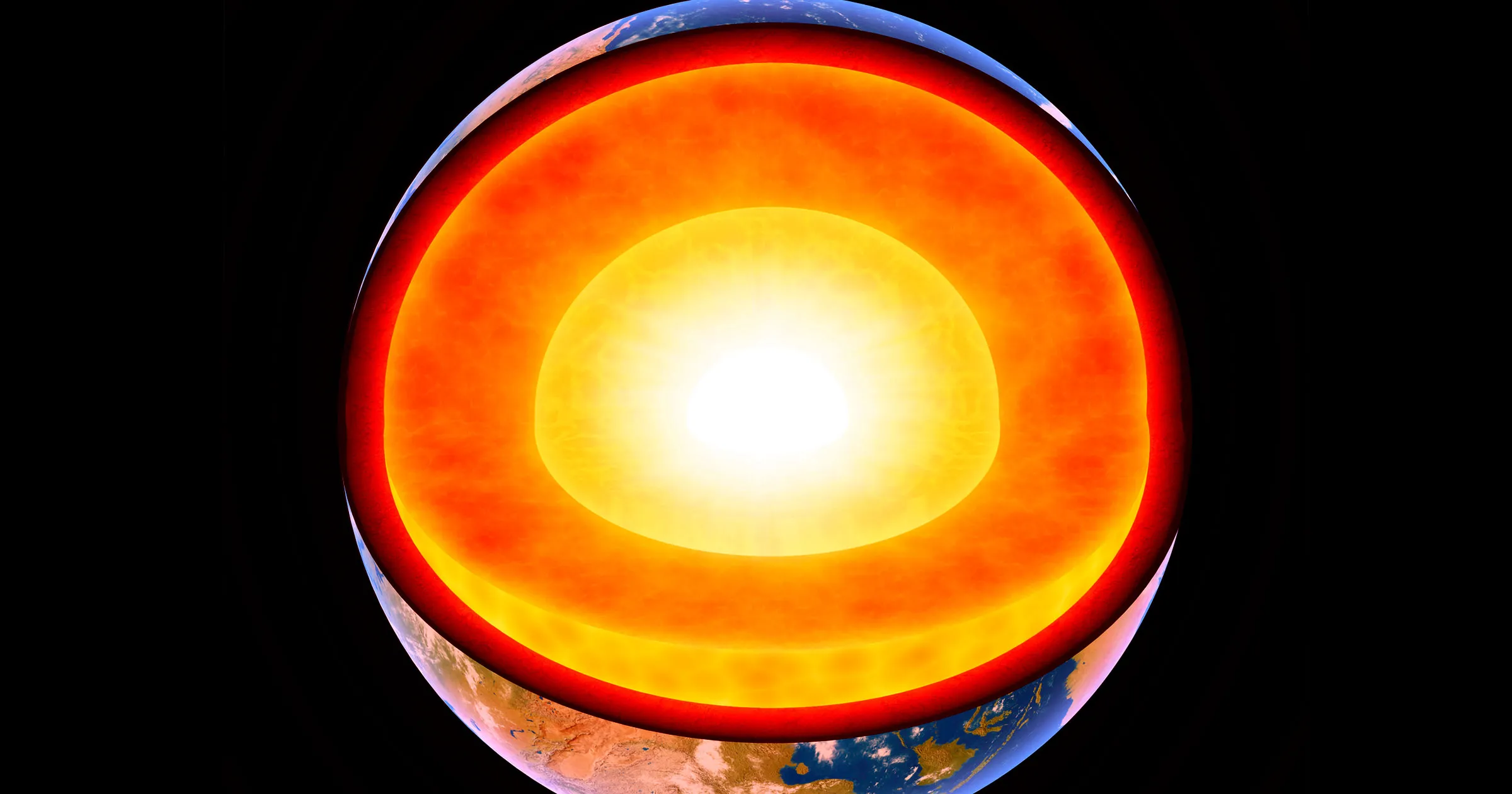
Scientists analyzing data from NASA's GRACE satellites discovered evidence of a massive shift deep within the Earth's interior near the core-mantle boundary, possibly caused by changes in mantle minerals like perovskite, which may have influenced Earth's magnetic field and caused a geomagnetic jerk around 2007. They plan to use data from the follow-up GRACE-FO mission to further investigate these deep Earth processes.
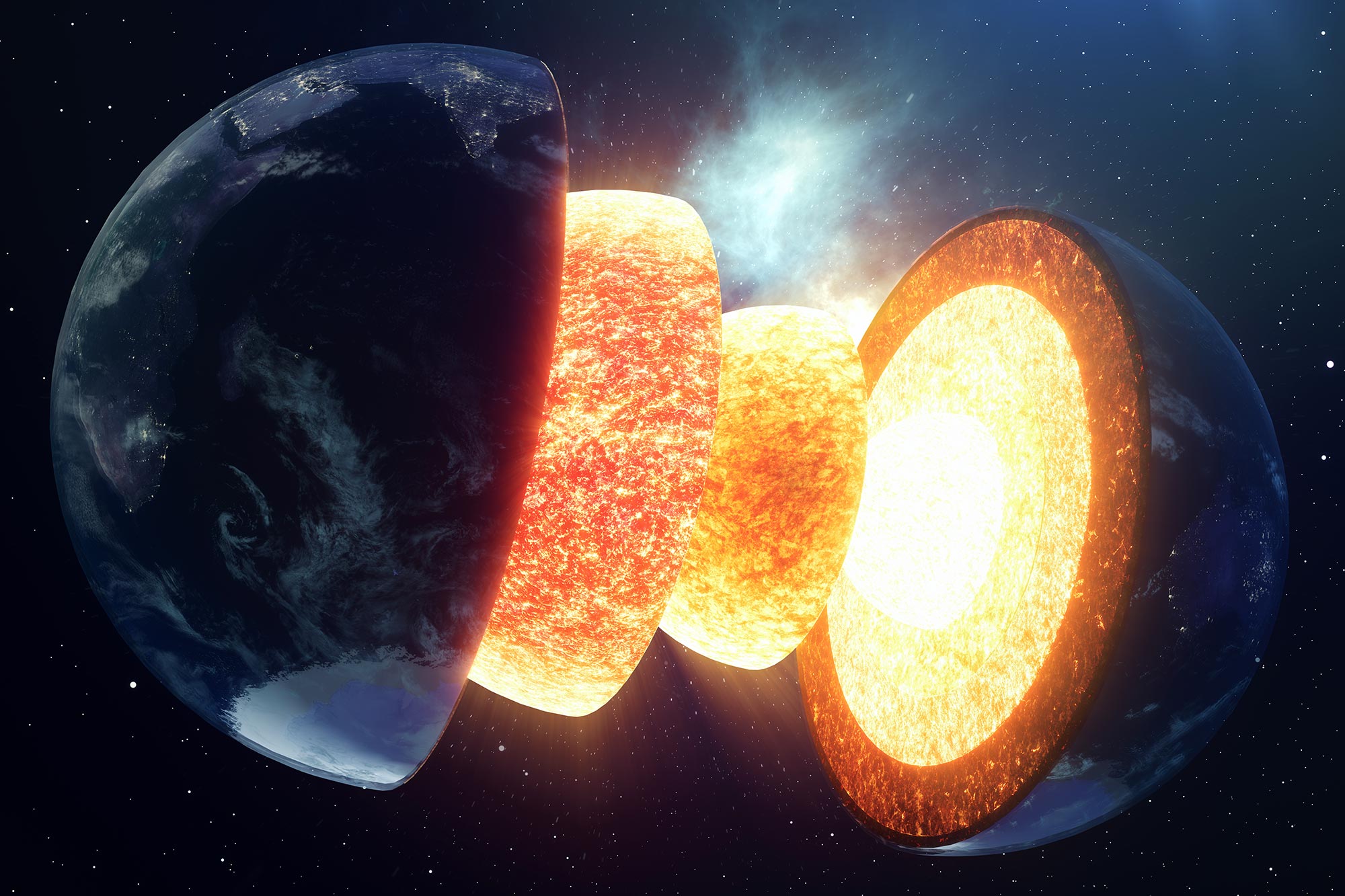
A new study suggests that Earth's mysterious D” layer near the core-mantle boundary may have formed from a magma ocean created by a massive impact in the planet's early days. This layer's unique composition and heterogeneity could be explained by the presence of iron-magnesium peroxide, formed from water in the magma ocean, which has a strong affinity for iron and contributes to the D” layer's distinct geophysical features.
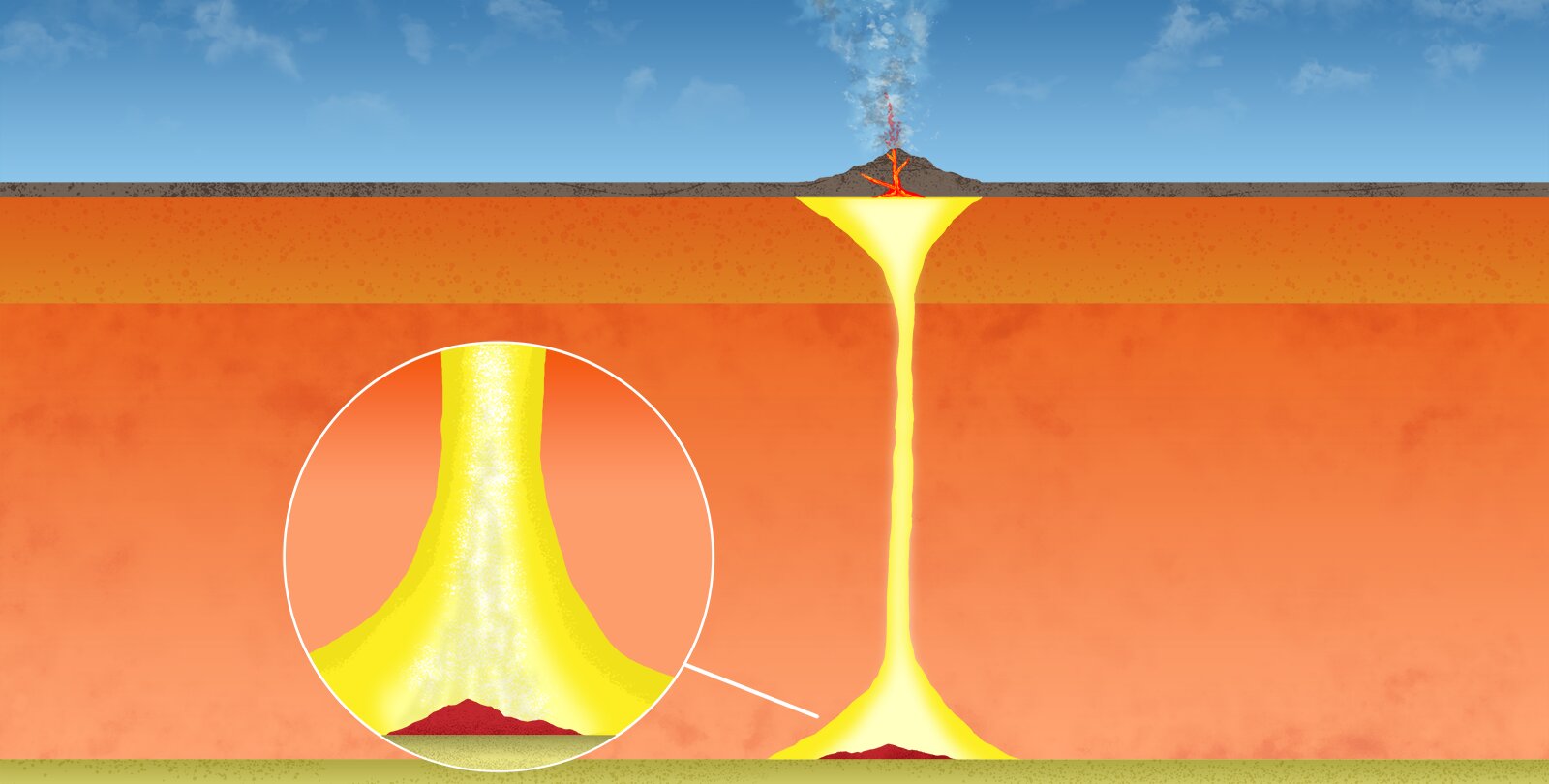
New research reveals that water from Earth's surface can penetrate deep into the planet, causing a chemical interaction at the core-mantle boundary. This interaction creates a thin layer of material, known as the 'E prime' layer, which has puzzled geologists for decades. The study shows that water reacts with silicon in the core, forming silica and creating a top core layer rich in hydrogen. The presence of this layer affects the density and seismic speeds of the outer core, potentially impacting Earth's magnetic field and the global water cycle. The findings suggest a more dynamic core-mantle interaction and a complex water cycle within the planet.
Scientists have long been intrigued by the ultralow velocity zones (ULVZs) near the core-mantle boundary (CMB) of the Earth, but their composition and behavior have remained a mystery. A recent study led by Caltech researchers has provided evidence that these regions, which slow down seismic waves, may be composed of solid iron oxide. The study used experiments to determine the temperatures and pressures at which iron oxide transitions from a solid to a liquid state, and found that it remains solid even at extreme conditions similar to those at the CMB. The findings shed light on the complex nature of the Earth's deep interior and its influence on geological processes.
Researchers have discovered that water from Earth's surface can penetrate deep into the planet, reaching the core-mantle boundary and triggering a chemical reaction that alters the composition of the outermost region of the metallic liquid core. This reaction forms a distinct layer, rich in hydrogen and depleted in silicon, which creates a film-like structure. The discovery suggests a more extensive global water cycle and highlights the dynamic interaction between Earth's core and mantle, with implications for geochemical cycles connecting the surface-water cycle with the deep metallic core.
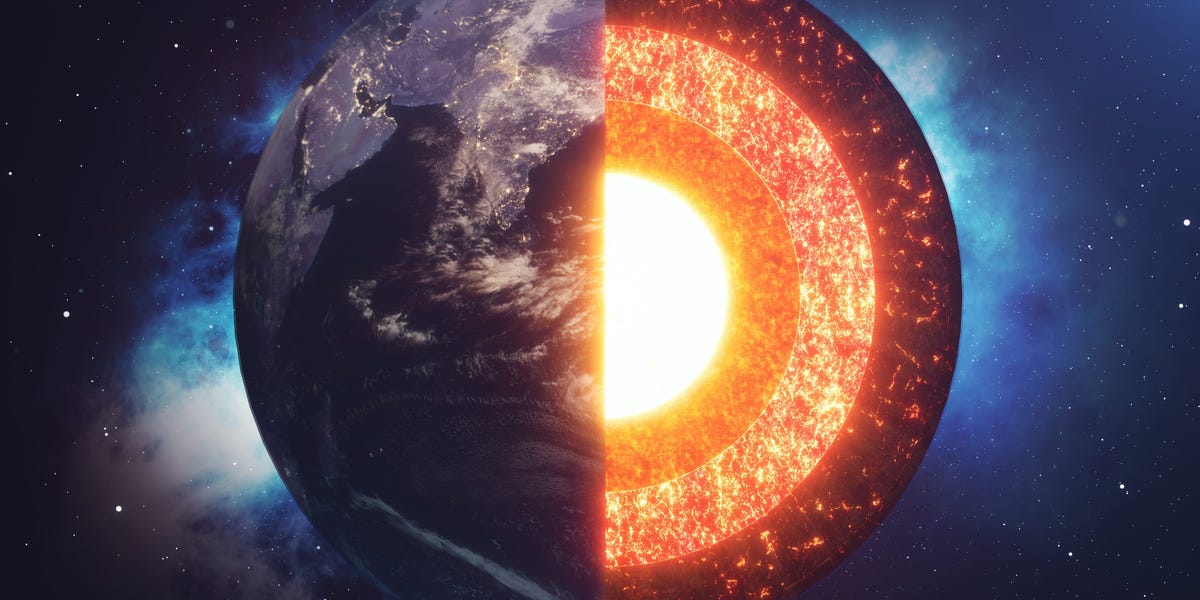
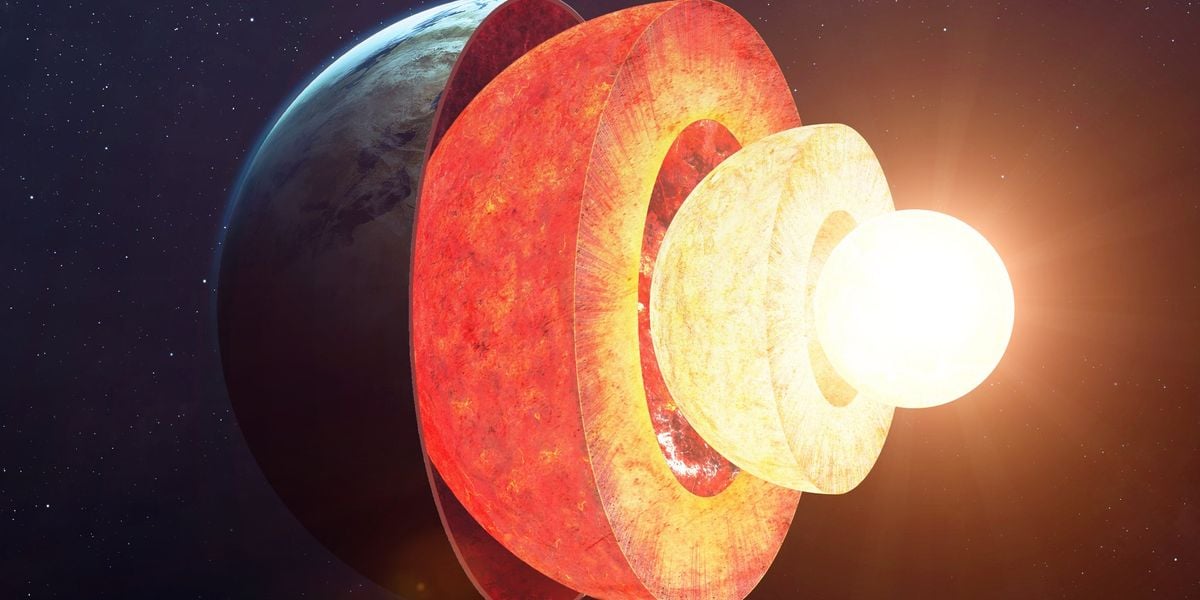
Recent studies have revealed surprising discoveries about Earth's core, suggesting that it may be spinning and encased by an ancient ocean floor. The core's magnetic field, crucial for protecting our planet from solar radiation, has been weakening over the past 50 years, particularly in the South Atlantic Anomaly. Scientists are puzzled by this anomaly and its split into two blobs. Additionally, the temperature at the boundary between the mantle and the core shoots up, indicating the presence of an unknown layer or phenomenon. Researchers propose that bits of ancient ocean floors may be wrapped around the core, providing a potential explanation.
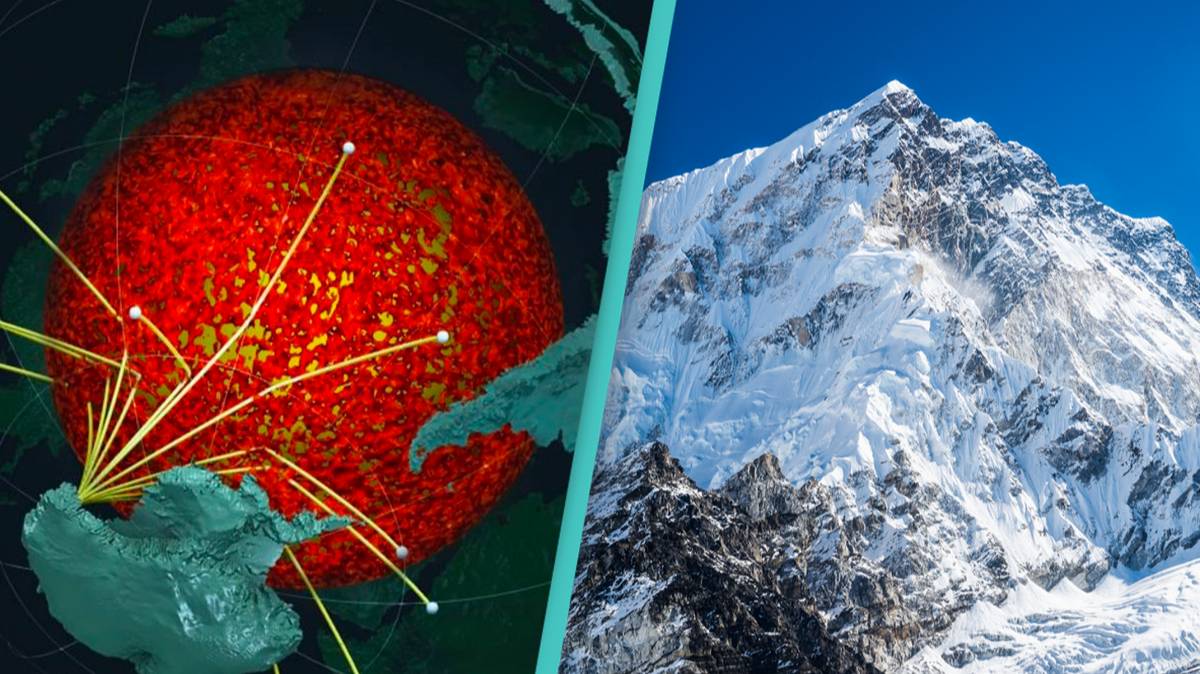
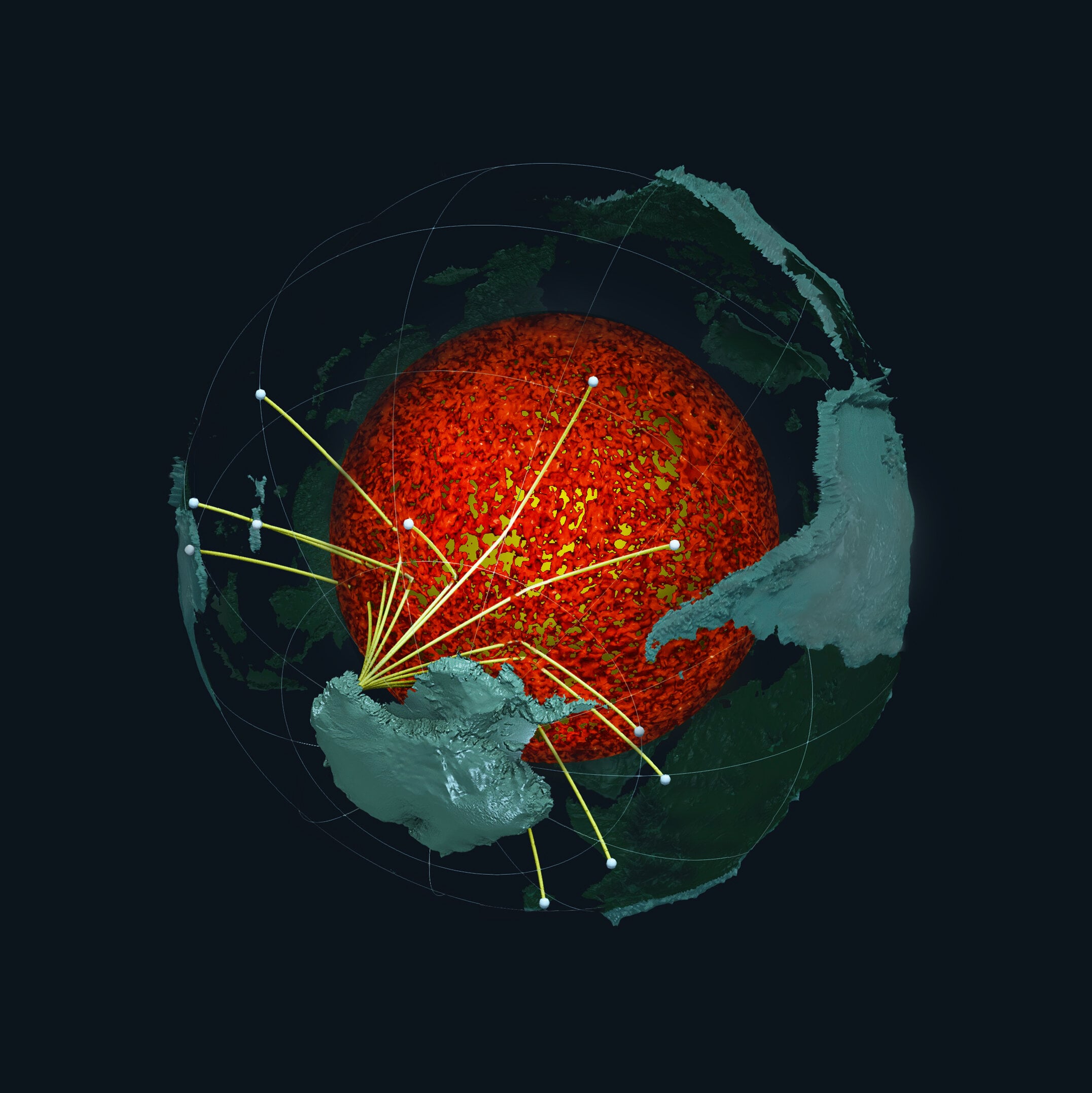
Scientists have discovered an ancient layer between the Earth's core and mantle, known as the Core Mantle Boundary, which could contain underground mountains up to five times taller than Mount Everest. This layer, composed of dense, subducted ocean floor, slows seismic waves and could play a significant role in heat escape from the Earth's core and the generation of magnetic fields and volcanic eruptions. Further research is needed to determine the extent of this layer and its impact on Earth's processes.
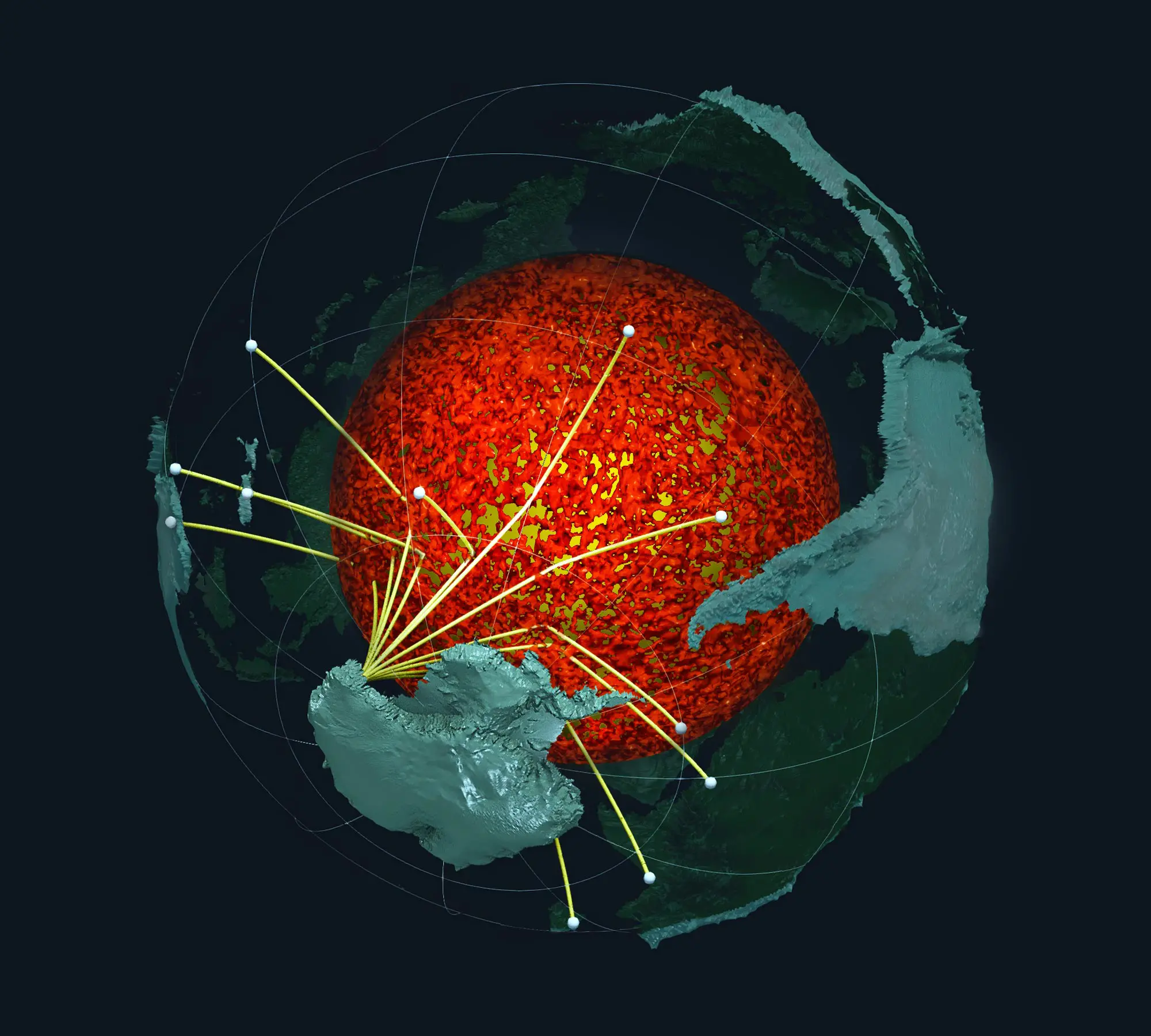
Scientists using seismology centers in Antarctica have identified a set of mountains within a layer inside the Earth, between the core and mantle, that are around four to five times the size of Mount Everest. This boundary was identified in 1996, but new data suggests that this jagged layer has been found to produce "mountain ranges" in many different areas, which remain a complete enigma. It is thought that this layer could be partially made up of the remains of an ancient ocean floor, in which the seabed material was sucked downwards at the border where two tectonic plates meet.
Seismic imaging has revealed that a massive ocean floor, likely surrounding much of Earth's core, is lodged roughly 2,000 miles below the surface, between the core and the mantle. This thin, dense layer may encompass the entire core-mantle boundary and is made up of underground mountains that allow heat to escape from Earth's molten core. The presence of this layer could buffer heat flow across the core-mantle boundary, which is important because the temperature conditions in this portion of the Earth have been shown to strongly impact the planet's magnetic field.
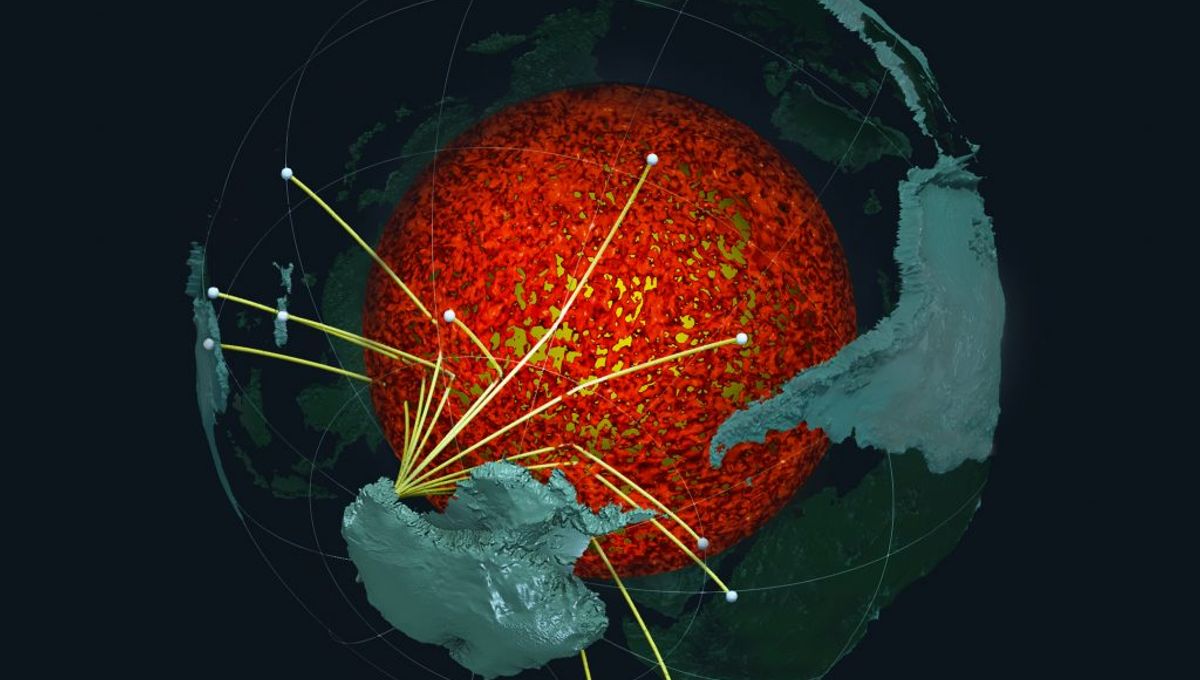
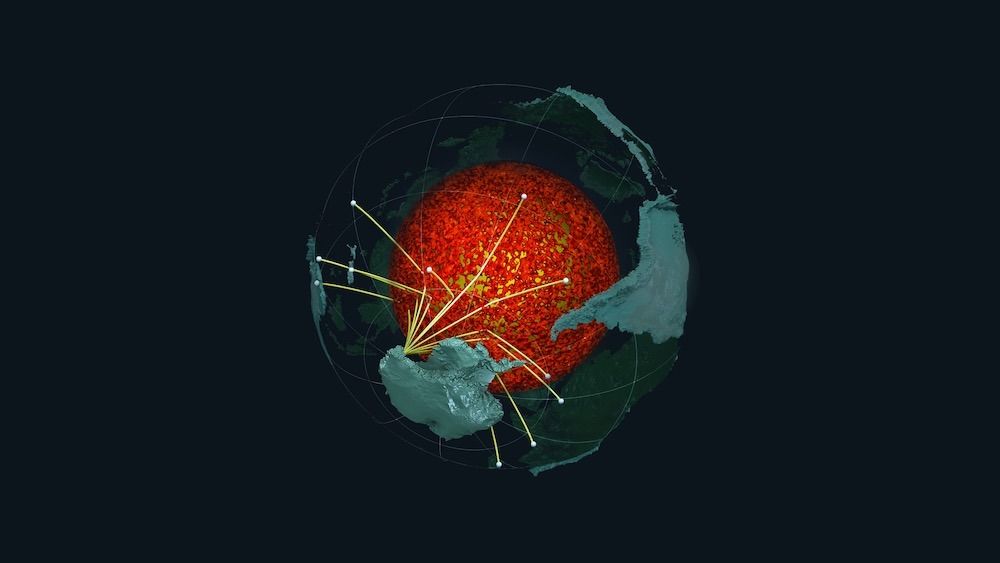
A new study published in Science Advances has found evidence that an entire ocean floor actually runs the length around the Earth's core, providing more insight into the structure of the planet beneath our feet. Geologists used 15 monitoring stations under the ice of Antarctica to map the waves from earthquakes, allowing them to analyze the structure of the Earth below the surface, including the ultra-low velocity zones where waves moved much slower. The structure is an ancient formation that could provide important connections between shallow and deep Earth structure and the overall processes driving our planet.
Researchers from The University of Alabama used seismic imaging to discover a dense layer of ancient ocean floor, or ultra-low velocity zone (ULVZ), between Earth’s core and mantle. This layer of ULVZ is denser than the rest of the deep mantle, slowing seismic waves reverberating beneath the surface. These underground “mountains” may play an important role in how heat escapes from the core, the portion of the planet that powers the magnetic field.
Seismic imaging of Earth's interior has revealed a layer between the core and the mantle that is likely a dense, yet thin, sunk ocean floor, according to research led by The University of Alabama. This ultra-low velocity zone (ULVZ) is denser than the rest of the deep mantle, slowing seismic waves reverberating beneath the surface. The latest data suggests this layer of ancient ocean floor may cover the core-mantle boundary. ULVZs can be well explained by former oceanic seafloors that sunk to the core-mantle boundary.