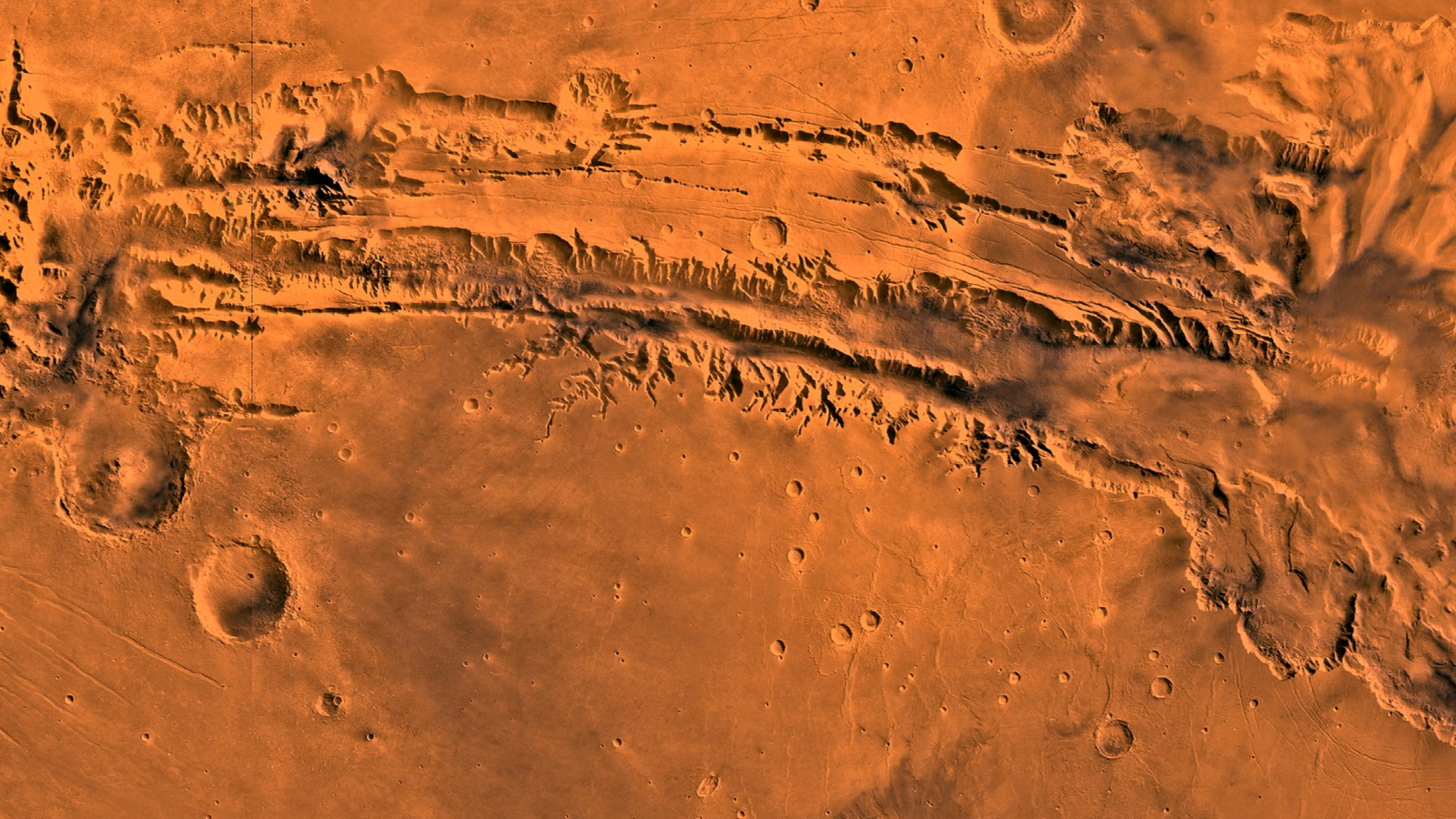
Mars appears red due to iron oxide on its surface, but its actual color varies from rusty brown to white at the poles, and scientists use different types of telescopic imaging beyond visible light to study its surface and atmosphere, revealing more about its geological history and composition.
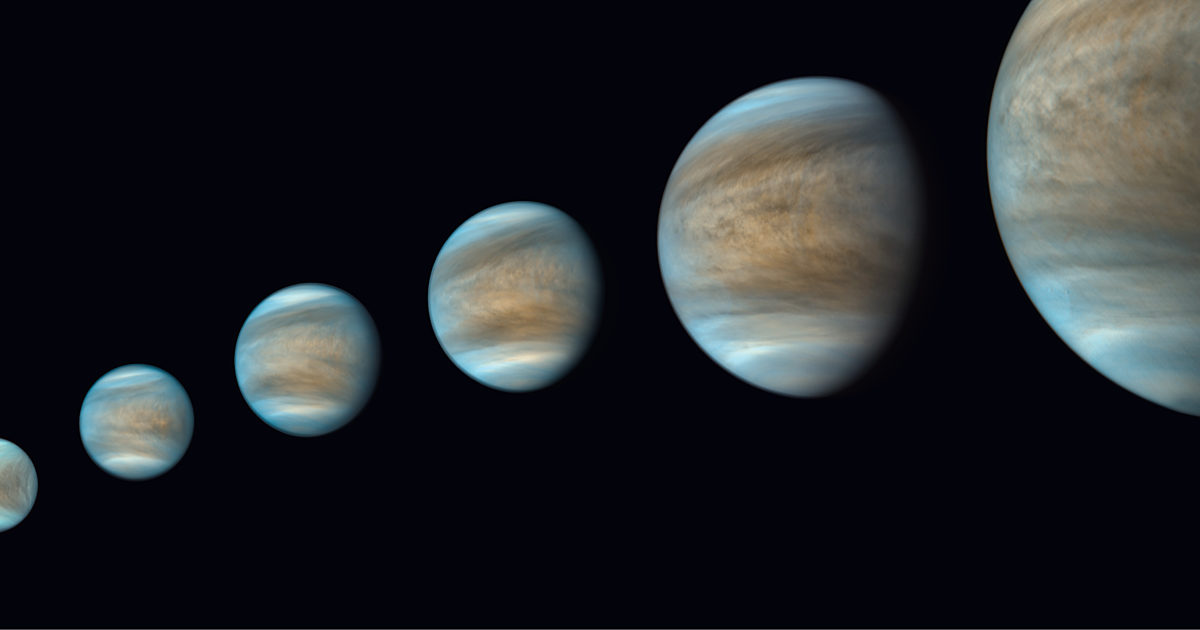
The colors we perceive in images of planets from space probes are not necessarily what our eyes would see, as space cameras capture images using specific wavelengths of light. Mercury appears gray and slightly brownish, Venus is bright white with yellow-beige hues, Earth is captured fairly accurately by color cameras, Mars varies in color due to its changing distance from the Sun, Jupiter displays brilliant cloud bands and spots, Saturn appears pale yellow-beige with pastel cloud bands, Uranus is pale greenish-blue, and Neptune is pale blue with a hint of green. The true colors of these planets are subjective and can be affected by factors such as distance from the Sun and image processing.