
"Unveiling the Adaptive Neural Mechanism for Robust and Flexible Learning: A Groundbreaking Study"
TL;DR Summary
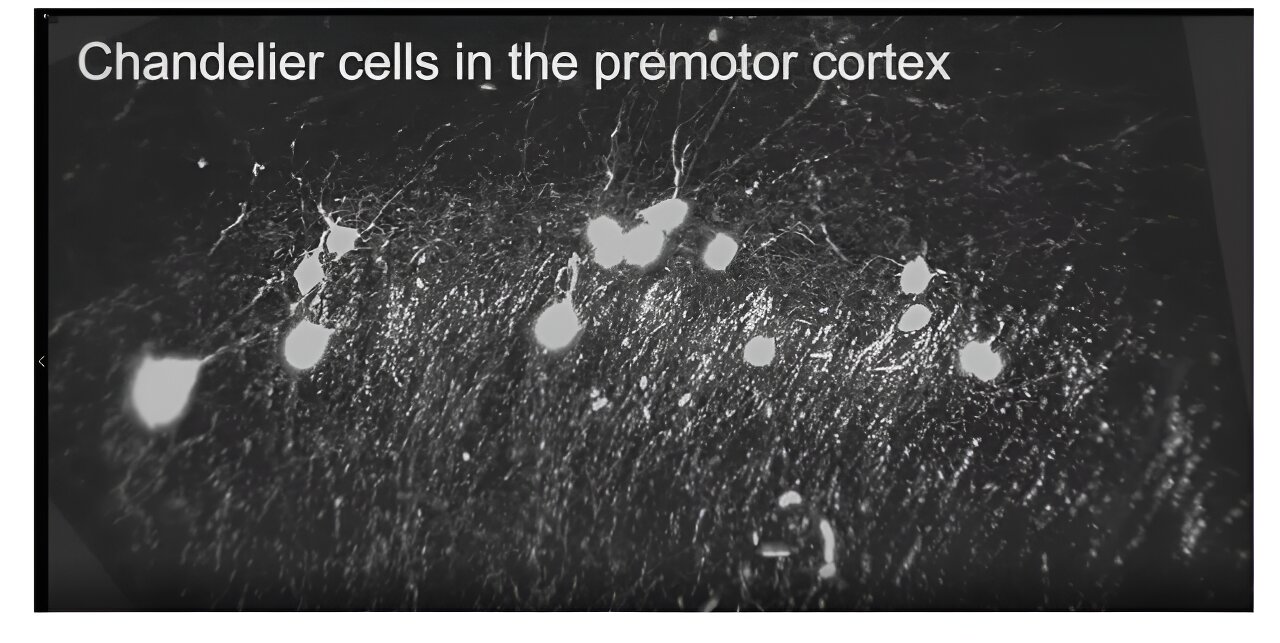
A study conducted by researchers at Johns Hopkins University School of Medicine and the Max Planck Florida Institute for Neuroscience has revealed an adaptive inhibitory pattern of interconnections in the brain that supports the robust and flexible acquisition of new behaviors. The study focused on chandelier cells (ChCs), a subgroup of interneurons, and found that they selectively inhibit individual pyramidal neurons, contributing to the refinement and re-organization of cortical circuits during learning. These findings highlight the significance of interneuron diversity and provide valuable insights into the neural mechanisms underlying adaptive learning.
Reading Insights
Total Reads
0
Unique Readers
1
Time Saved
3 min
vs 4 min read
Condensed
86%
656 → 91 words
Want the full story? Read the original article
Read on Medical Xpress