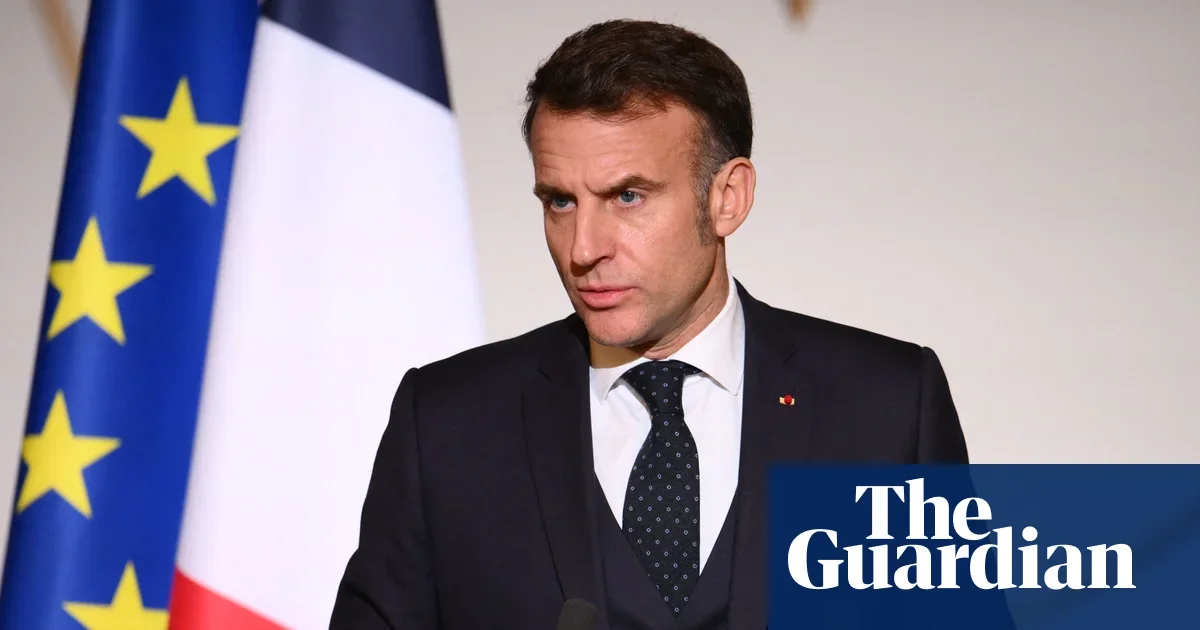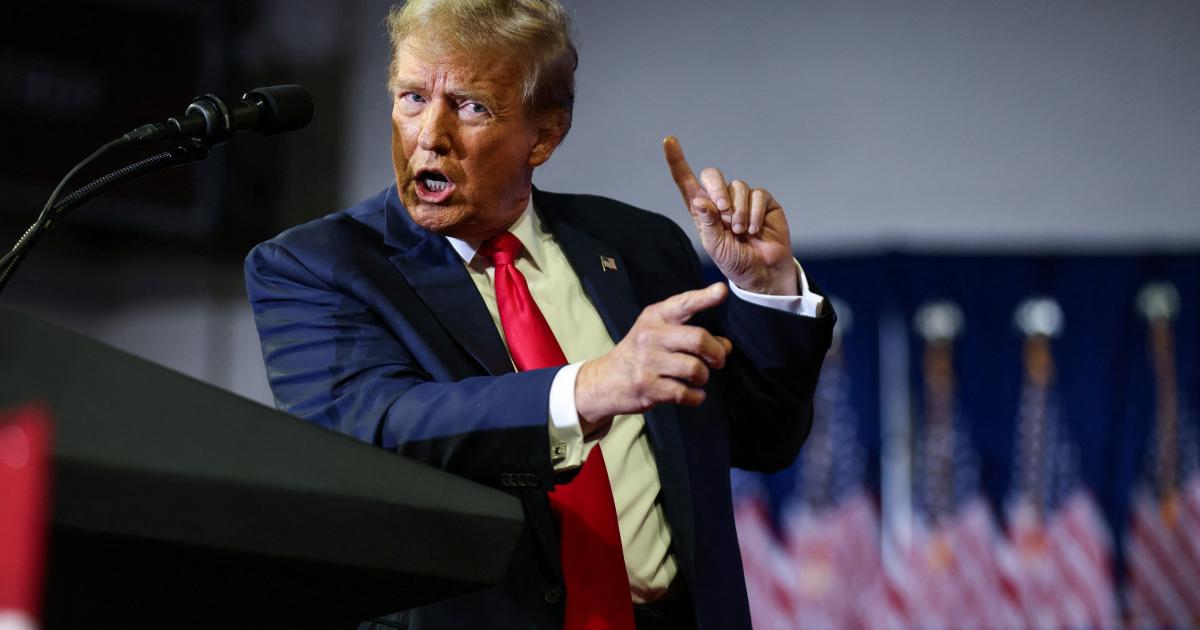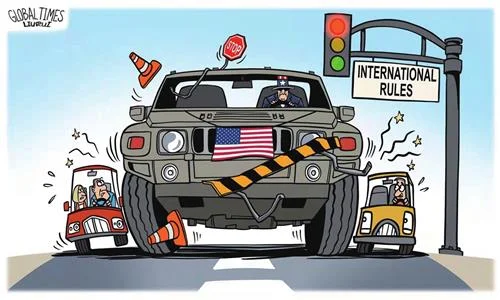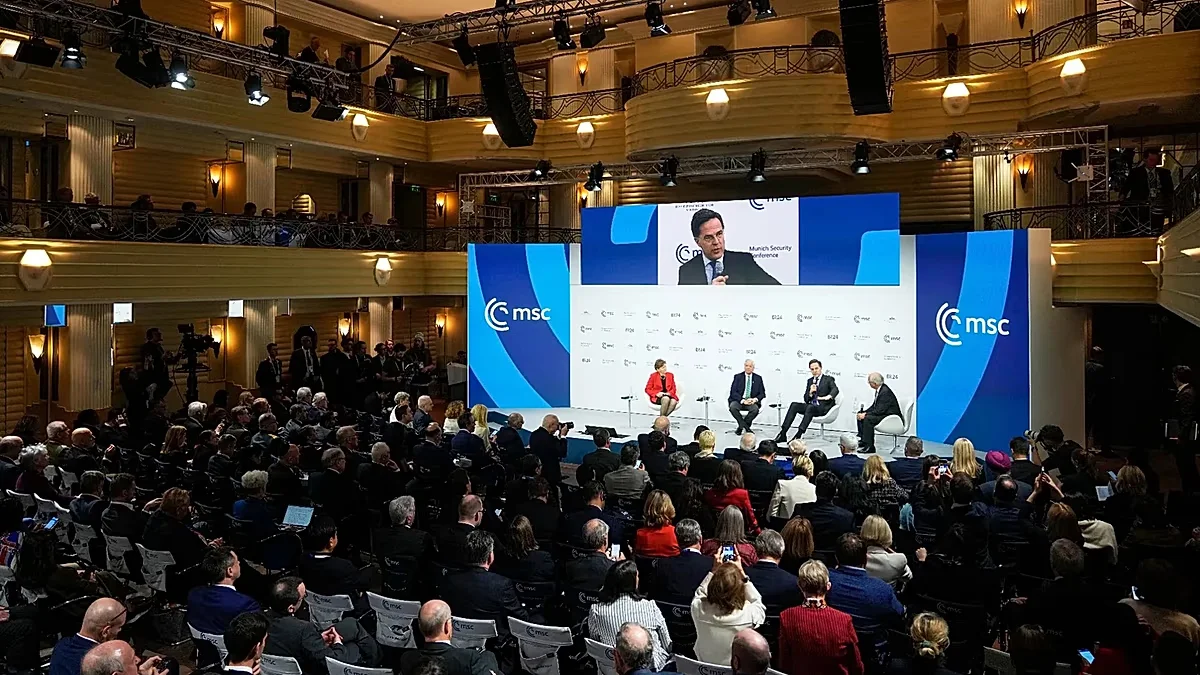
French President Emmanuel Macron and German President Frank-Walter Steinmeier sharply criticized US foreign policy under Donald Trump, warning that it is breaking international rules and risking the disintegration of the postwar rules-based order, amid concerns over US actions in Venezuela and Greenland, and emphasizing the need for European strategic autonomy and revised security policies.
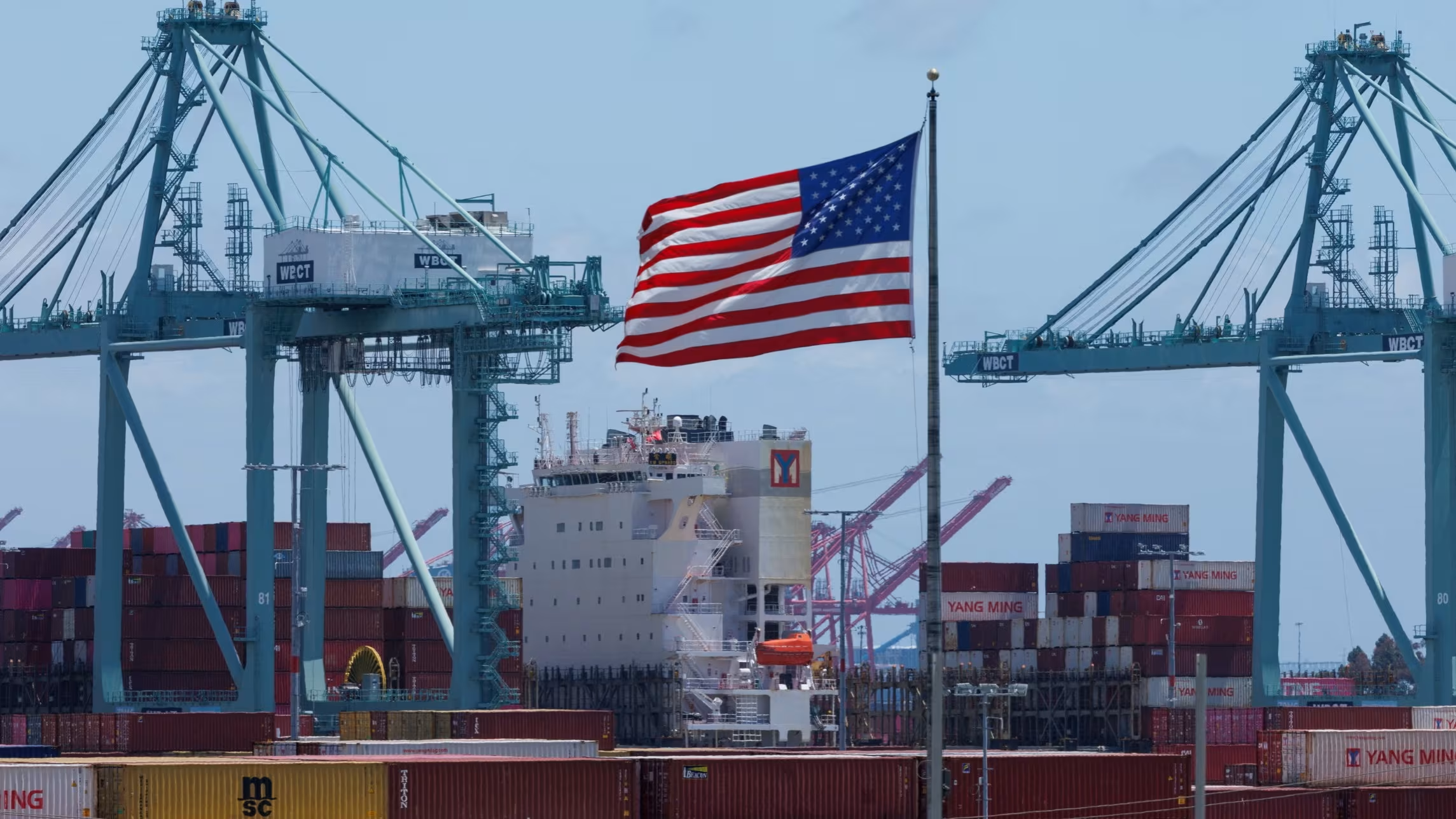
The article discusses a year of challenges to the rules-based international order during Trump's presidency, highlighting his trade war and tariff policies, and their implications for global politics and economics.
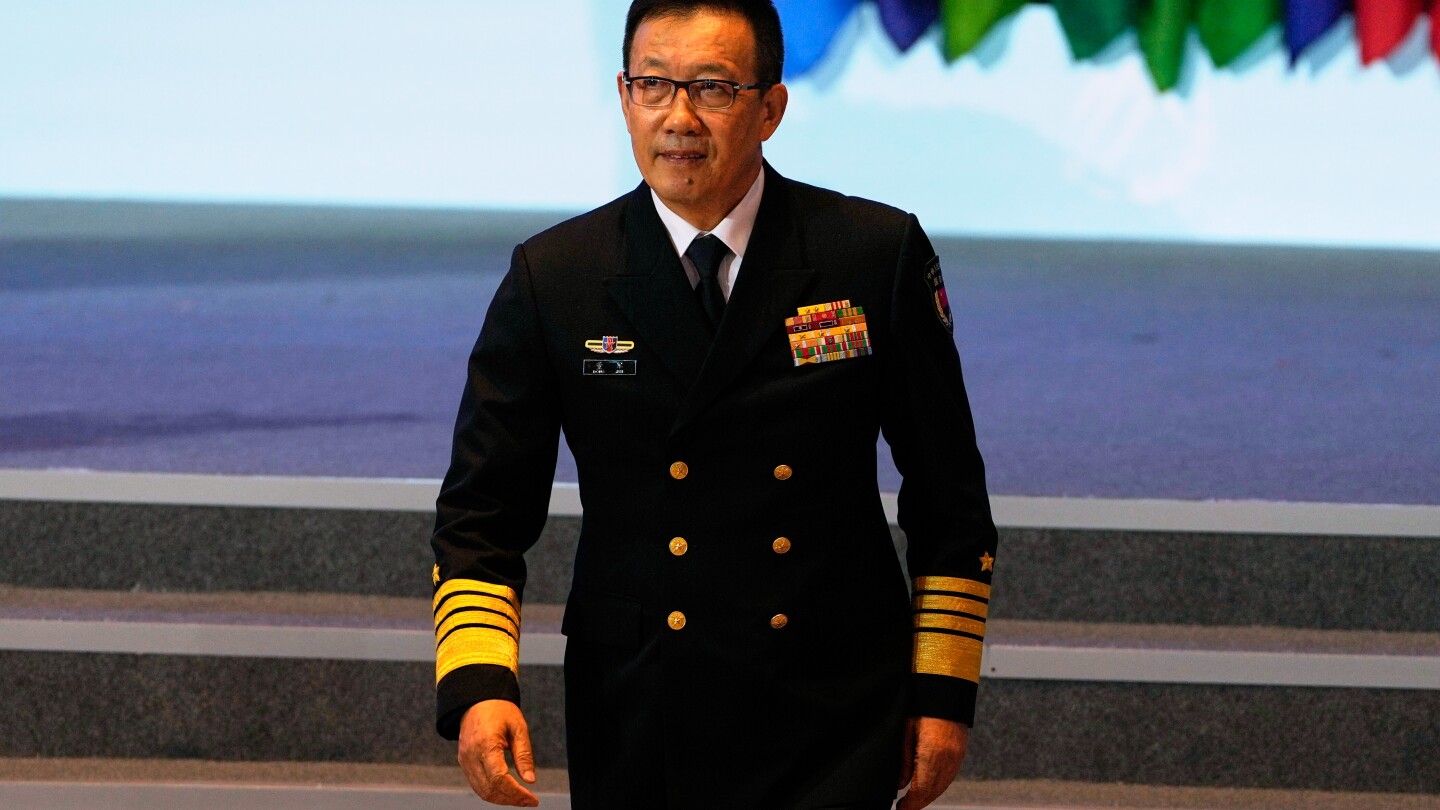
China's defense minister reiterated threats to take over Taiwan and emphasized the importance of defending the post-war international order during a security forum in Beijing, amid ongoing tensions and military pressure on Taiwan.
A new NPR series examines the fracturing of the post-World War II liberal international order, highlighting the rise of authoritarian powers, shifting alliances, and the decline of US influence, while exploring how these changes may lead to a new global organization of international relations.
Former U.S. President Donald Trump's recent comments about NATO have sparked concern among global leaders, highlighting the potential challenges of a "Trump 2.0" presidency. With a history of dissatisfaction with NATO and a tendency to cozy up to authoritarian leaders, a second Trump term could lead to a more tumultuous and aggressive U.S. foreign policy, with potential impacts on alliances, adversaries, and the global order. The geopolitical environment has changed since Trump's first term, and a second term could see a more disordered world, with U.S. rivals and adversaries poised to thrive while traditional U.S. allies may suffer. The article explores potential strategies for coping with a second Trump administration and the implications for international relations.
Despite widespread perceptions of decline, the United States remains a global superpower with significant economic, military, and technological advantages over its competitors. While the international landscape has become more multipolar, with rising powers challenging American dominance, the US still holds a commanding position. However, the US faces new challenges in a world where other countries assert their interests and seek to challenge American influence. The rise of China, Russian aggression, and the changing dynamics in the Middle East are all testing the US-led international order. The US must adapt its strategy to navigate this new reality and maintain its position as a global leader.
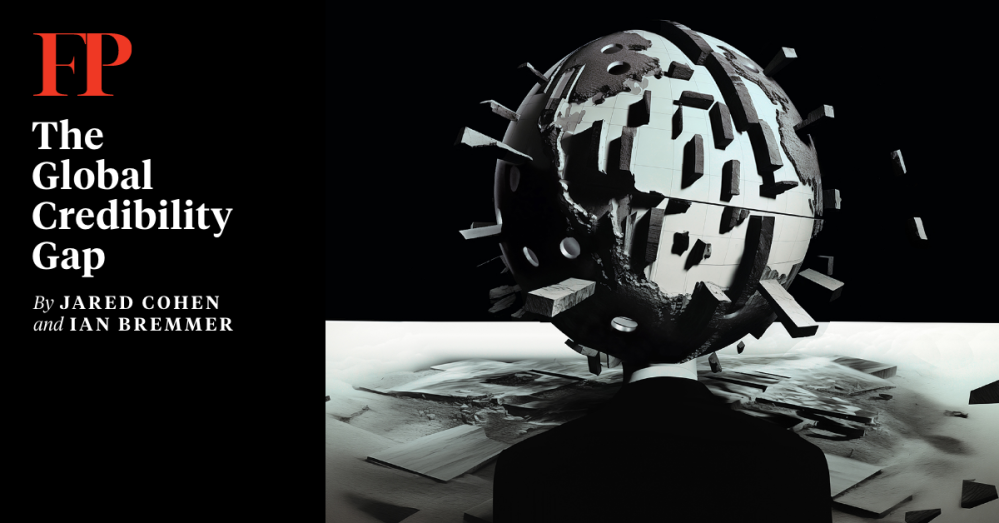
The world is currently experiencing a crisis of credibility in global politics, with the international system rapidly losing credibility as no single power is seen as willing and able to uphold the international order. Recent events, such as deteriorating relations between the US and China, the COVID-19 pandemic, Russia's invasion of Ukraine, and the Middle East conflict, are symptoms of this broader crisis. Credibility is crucial for states to turn power into influence, and without it, there is disorder and instability. The United States, as the incumbent global leader, is facing doubts about its credibility due to recent foreign policy choices and domestic division. China, on the other hand, is seeking to leverage its growing strength to reshape global politics but is facing challenges to its credibility due to its assertive foreign policy and domestic political control. As a result, the credibility of the current international system is eroding, creating leadership and institutional vacuums and giving rise to geopolitical swing states and shifting international alignments.
Leaders from the Global South, represented by the G77+China summit, are demanding an end to the "plundering international order" dominated by wealthy Western nations. Frustration has grown over differences on issues such as the Russian war in Ukraine, climate change, and the global economic system. The summit aims to address the multidimensional crisis faced by developing countries, including unequal trade and climate disasters. United Nations chief Antonio Guterres called for a more representative and responsive world that addresses the needs of developing economies. The meeting is expected to conclude with a statement emphasizing the right to development and the establishment of a new economic world order.
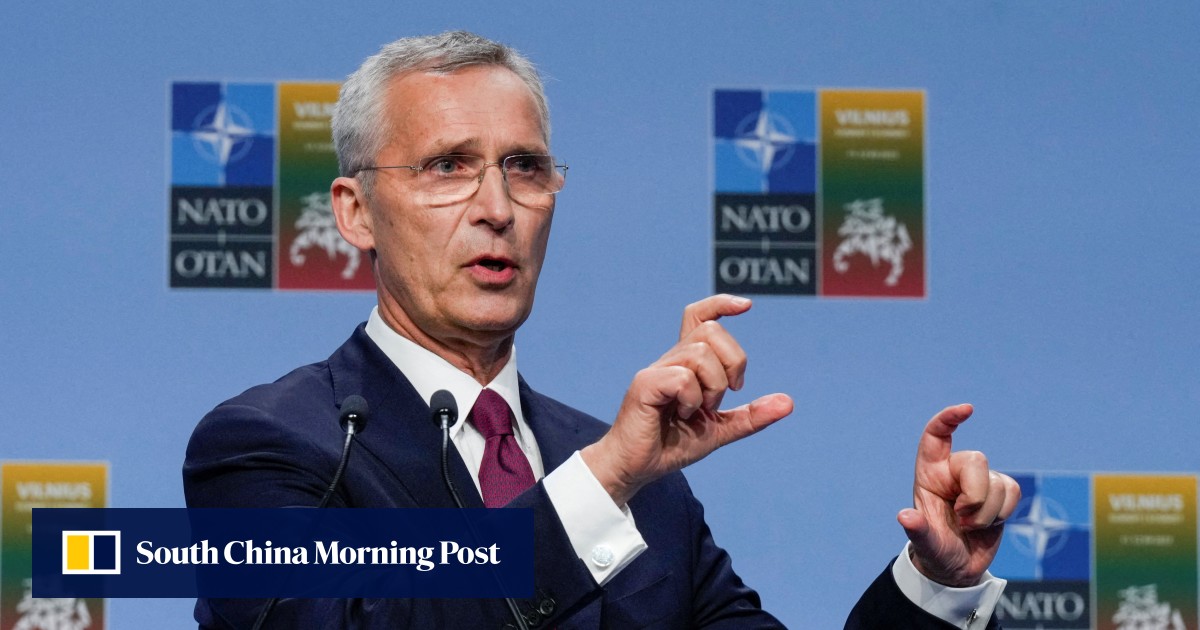
NATO issues its strongest rebuke to China to date, accusing Beijing of opaque military buildup and undermining the rules-based international order. However, NATO's cooperation with the "Asia-Pacific 4" falters as France blocks Japan's bid for a liaison office in Tokyo.
Chinese Foreign Ministry clarified its position on the US-claimed 'rules-based international order' and emphasized the importance of effective communication and mutual respect between China and the US. China supports peace talks and political settlement in the Ukraine crisis and will not take sides or be influenced by biased sanctions. China is willing to conduct constructive communication and dialogue with the US, but both parties should ensure that communication is effective and addresses the concerns of both sides.
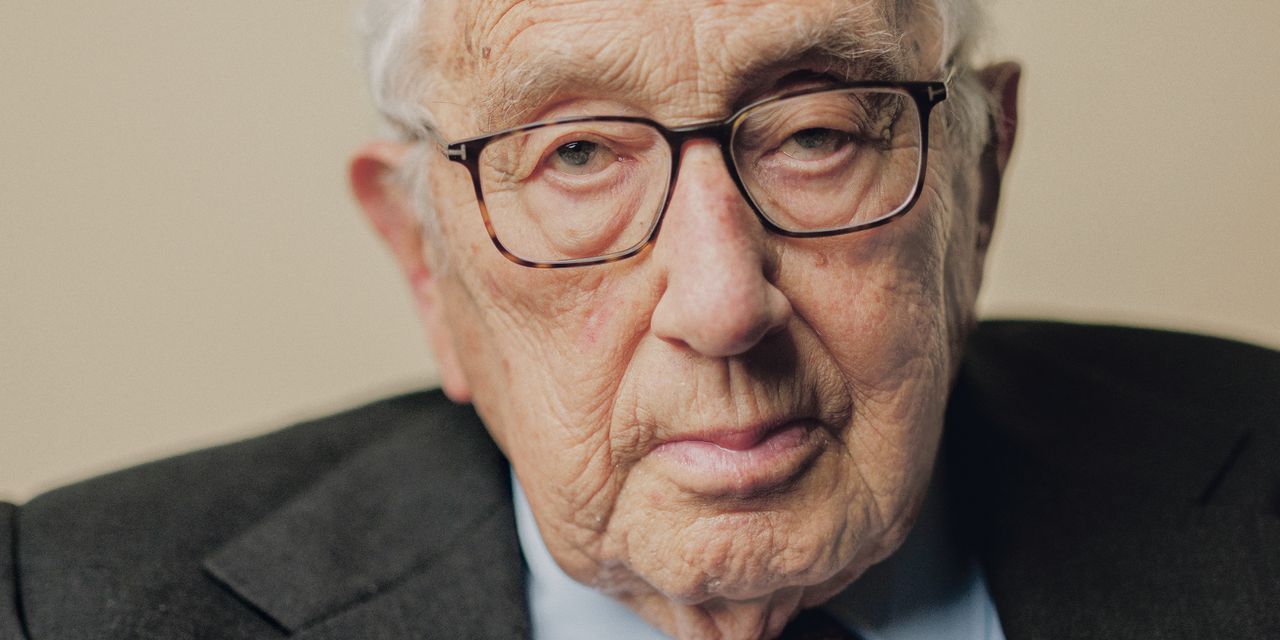
Henry Kissinger's unsparing realism, forged by his childhood experience in Nazi Germany and his adult belief in American possibility, was essential to averting a global calamity during the Cold War. As secretary of state to President Richard Nixon, he helped to fashion an international order underwritten by a constellation of competing states, ensuring stability.
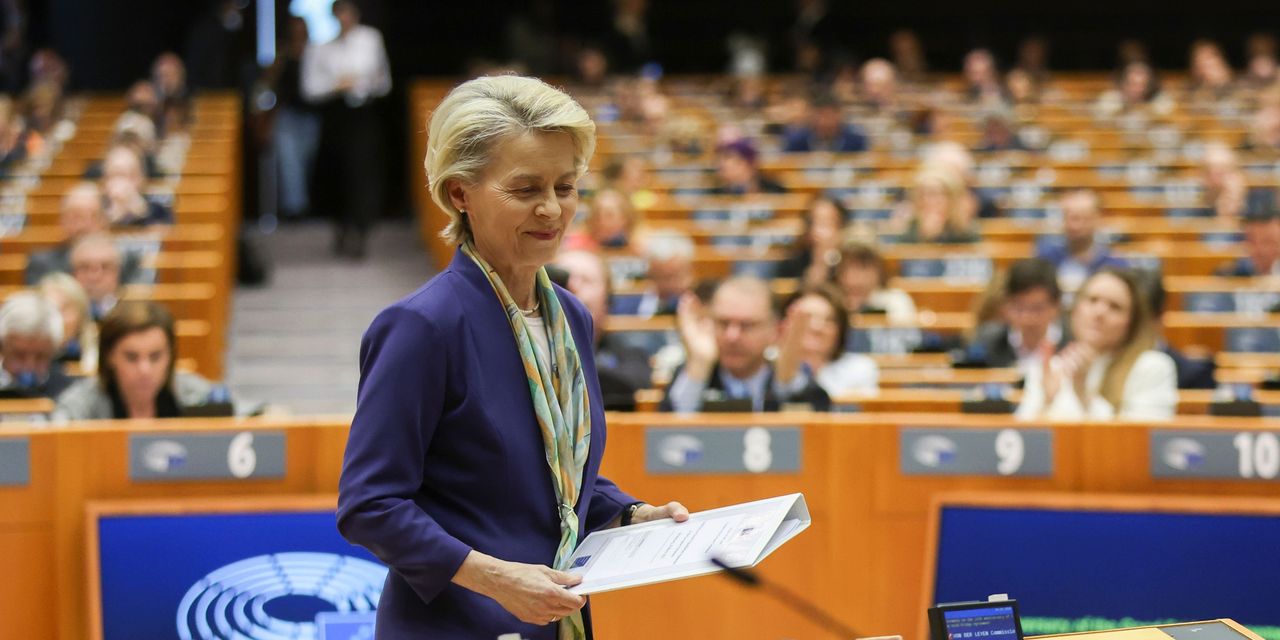
The European Union needs to be more assertive in defending its security and economic interests against China's push for a new international order with Beijing as the dominant player, according to European Commission President Ursula von der Leyen. She called for a strategy to "de-risk" the EU's relationship and dependencies on China, including possible EU-wide controls on outbound investment.
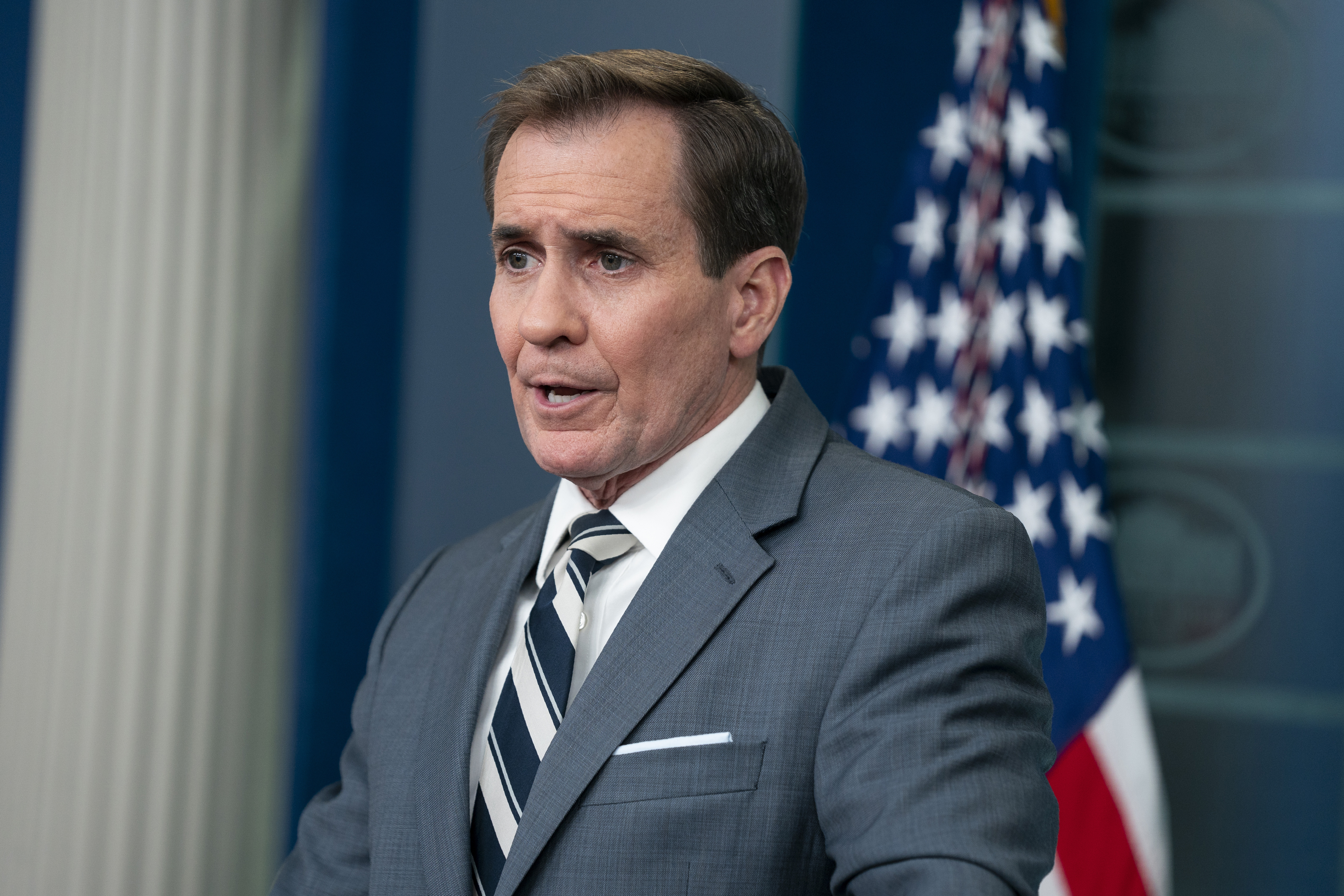
National Security Council spokesperson John Kirby said that Russia and China are trying to disrupt the international rules-based order established since World War II. The Biden administration will closely monitor the Russia-China summit this week. Kirby expressed doubts about China's intentions regarding the Russia-Ukraine war and hoped that President Xi would communicate with President Zelenskyy. Former Trump National Security Adviser H.R. McMaster noted that Xi's friendship with Putin seems to be getting stronger despite the issues surrounding the Ukraine war.