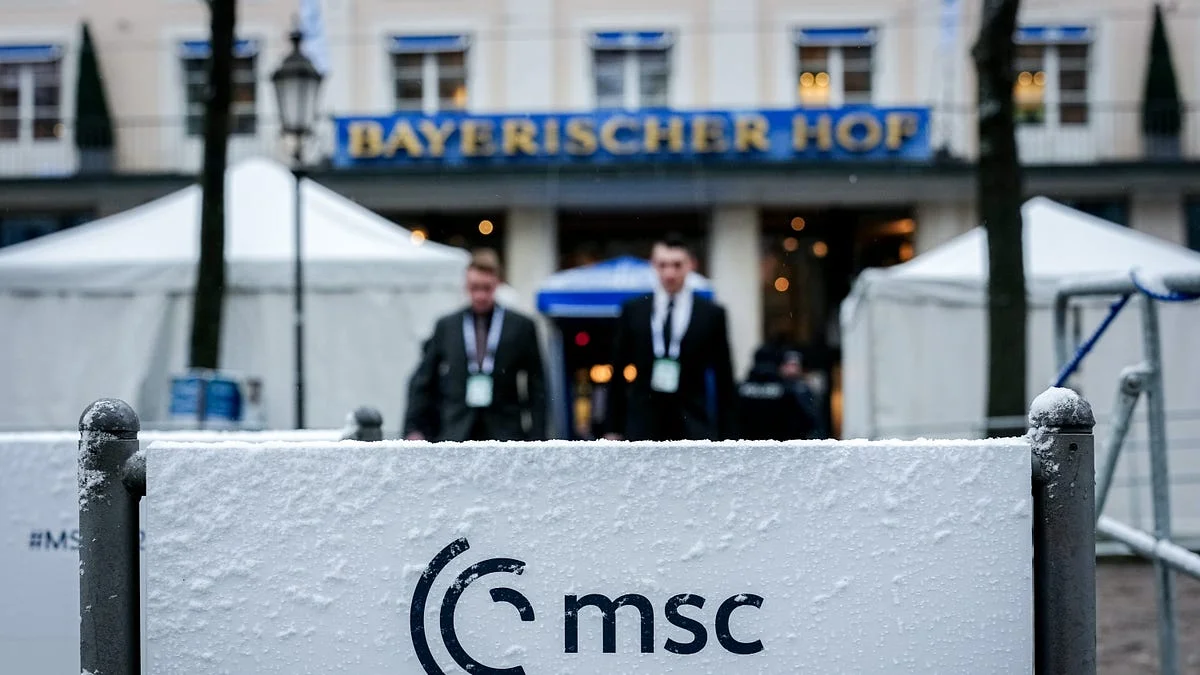
NPR's Tamara Keith and Amy Walter discuss the potential end of the presidential primary season after South Carolina's votes, Trump's legal challenges, and the ongoing debate in Congress over funding Ukraine's defense. They also touch on Nikki Haley's future in the Republican primary, the impact of Trump's legal troubles on the election, and the contrasting views on supporting Ukraine at the Munich Security Conference.
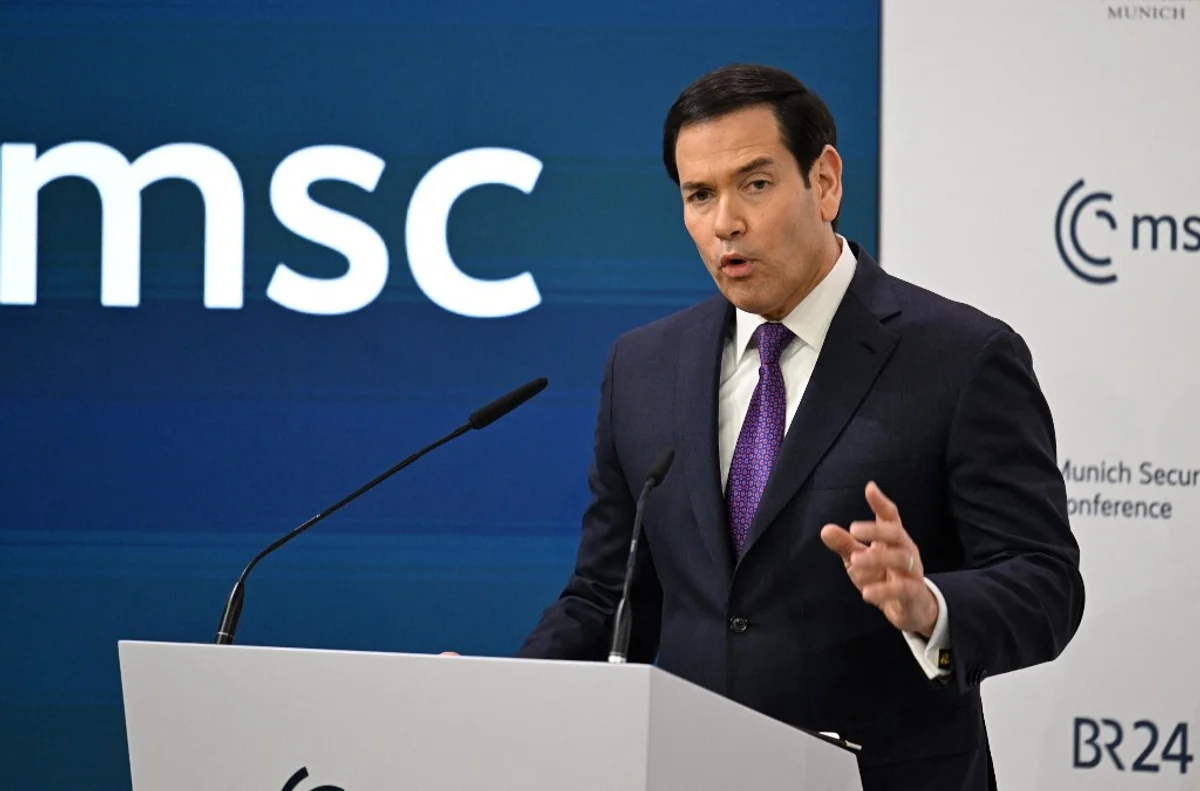
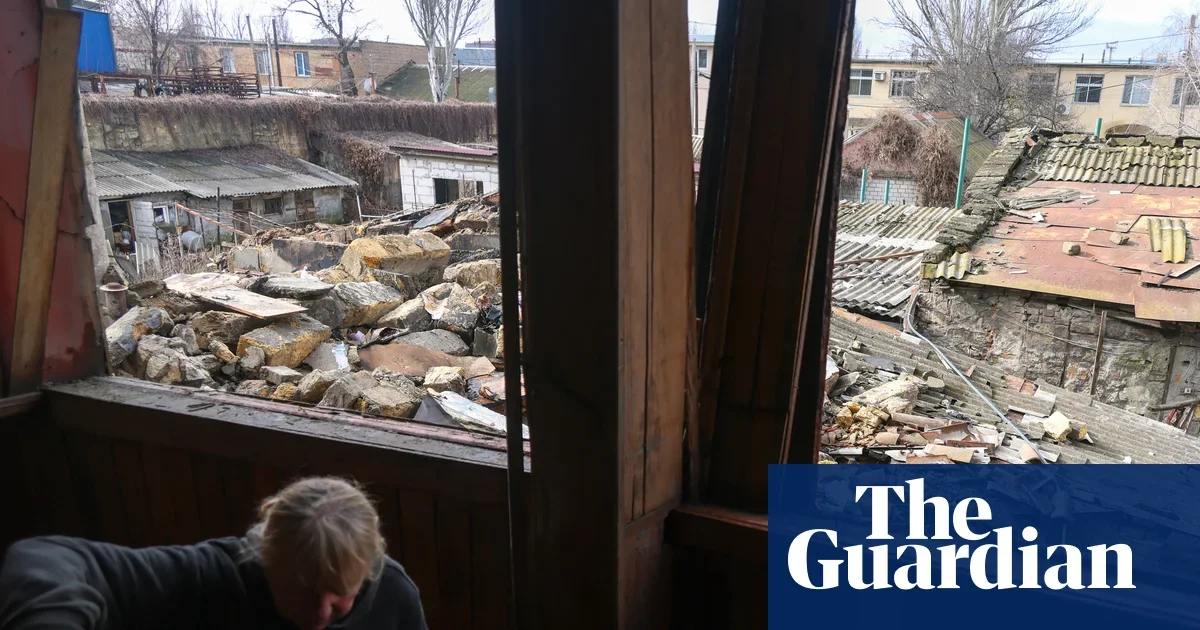
The Munich Security Conference, held amidst a backdrop of global insecurity, highlighted the stark contrast between the diplomatic discussions within the conference and the harsh reality of Ukraine's struggle against Russia. As world leaders deliberated on international security, Ukraine faced the loss of Avdiivka and the urgent need for military aid. The conference revealed the challenges of securing support for Ukraine, with European countries making efforts to provide assistance, while the U.S. faced obstacles in delivering crucial supplies. The situation underscored the critical need for immediate action to address Ukraine's dire circumstances and prevent further aggression from Russia.
As European leaders gathered in Munich, President Vladimir Putin's threats and recent actions in Ukraine have left the continent feeling anxious and uncertain about its defense strategy, especially as the U.S.'s commitment wavers. Russia's recent gains in Ukraine, suspicions surrounding Aleksei Navalny's death, and the potential placement of a space-based nuclear weapon by Putin have heightened concerns. European leaders are recognizing the urgent need to bolster their own defense capabilities, but acknowledge that their response may be too slow to address the current threats.
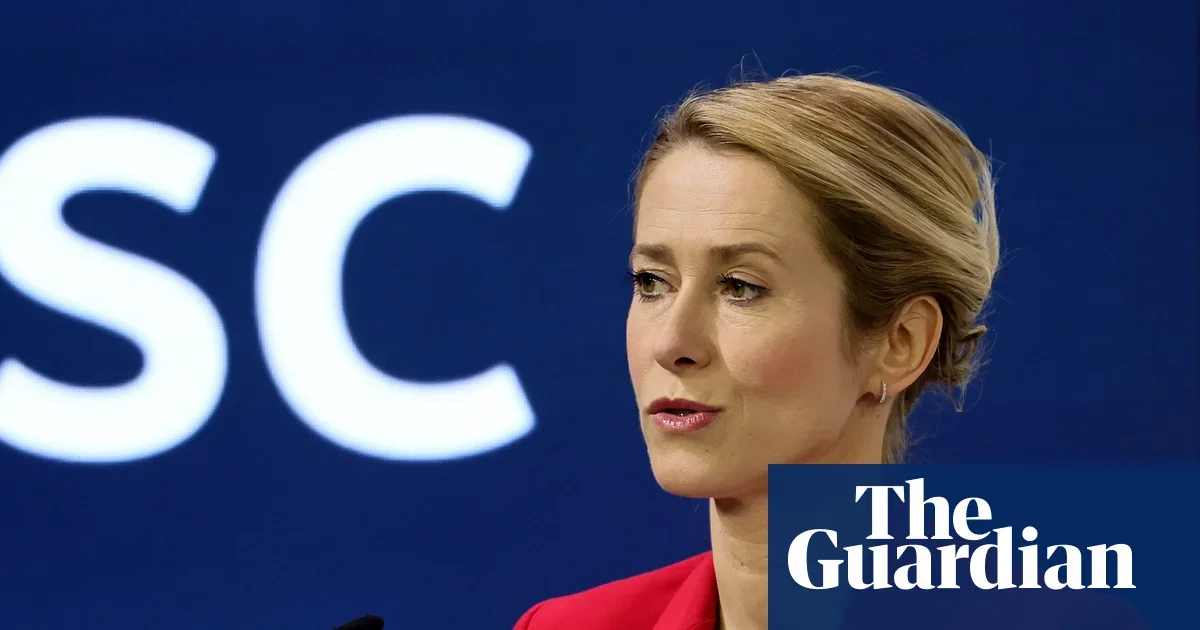
The 60th Munich Security Conference was marked by global anxiety and "lose-lose" dynamics, with notable absence of former US President Donald Trump and Russia's President Vladimir Putin. The death of Russian critic Alexei Navalny and Russia's invasion of Ukraine cast a dark shadow over the conference, as world leaders expressed concerns about increasing confrontation and decreasing cooperation. The conference also highlighted the urgent need for Western support for Ukraine, the devastating Israel-Gaza war, and the shifting landscape of global security.
Leaders at the Munich Security Conference discussed the future of the European Union, with topics including defense spending, the conflict in Gaza, and the situation in Ukraine. Lithuanian Foreign Minister Landsbergis expressed concerns about the challenges facing Europe and the need for a united response to support Ukraine. Palestinian Prime Minister Shtayyeh warned against Israeli attempts to force Palestinians in Gaza into Egypt, while US Republican Senator Vance offered a different perspective on Transatlantic ties and the situation in Europe. Additionally, discussions focused on the importance of keeping Navalny's memory alive, Georgia's EU ambitions, and the need for Europe to strengthen its defense capabilities.
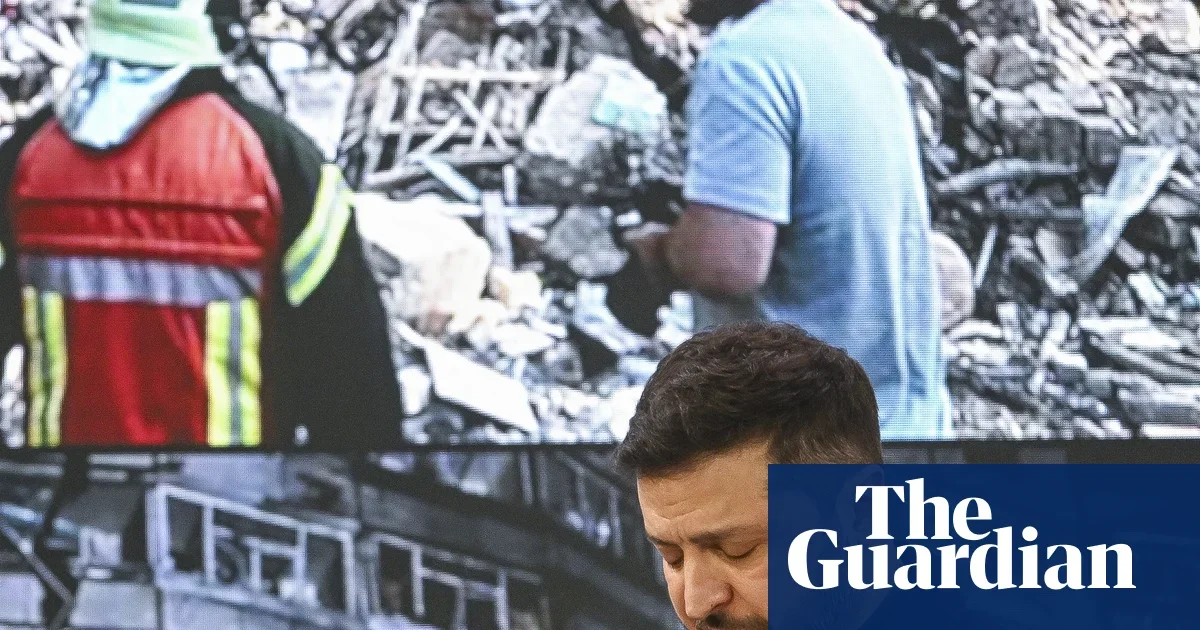
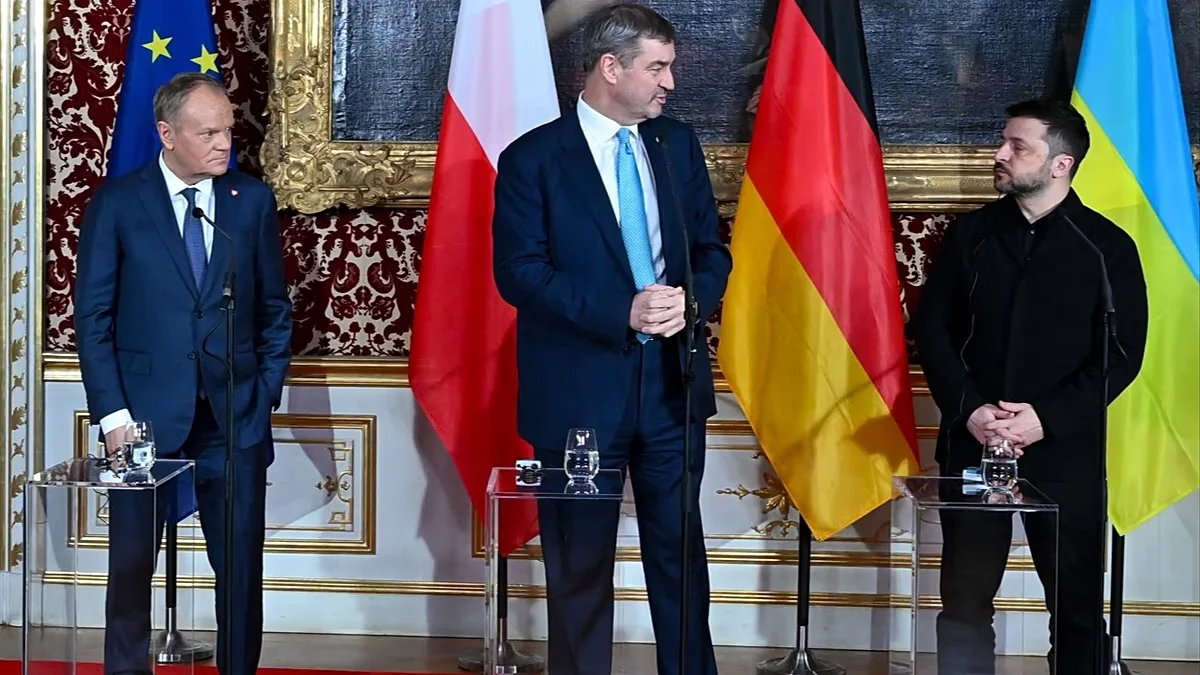
President Zelensky addressed the nation, expressing gratitude for support and emphasizing the ongoing battle against Russian aggression. He highlighted global solidarity and recent agreements with Germany and France for defense support, while stressing the need for continued international backing to stop Putin and achieve Ukrainian goals in the war.
At the Munich Security Conference, concerns about Ukraine's prospects on the battlefield and the US commitment to Kyiv dominated discussions. Ukrainian officials emphasized the urgent need for $60 billion in US military aid, while American lawmakers expressed uncertainty about what a Ukrainian victory would look like. The conference highlighted the growing pessimism about President Joe Biden's ability to deliver for Ukraine, as well as concerns about former President Donald Trump's efforts to undermine the aid package. Amidst the uncertainty, Ukrainian officials stressed the critical need for arms and ammunition to fend off Russia, while some US lawmakers reassured allies that the aid would eventually be approved.
European security elite at the Munich Security Conference are bracing for the possibility of a second Trump presidency and are searching for backup plans in case U.S. commitments to NATO and Ukraine falter. Concerns about Russia's threat and transatlantic solidarity were heightened as Republican lawmakers held up aid for Ukraine. European officials are struggling to engage with Trump and his allies on security, with some considering a two-pronged approach to "Trump-proofing" by trying to sell the existing world order to MAGA America while also preparing for its potential collapse. Discussions about building a continentwide complement to NATO and locking in U.S. commitments ahead of the November elections are ongoing, as European leaders fear a return to the years when Trump threatened the transatlantic relationship.
The Munich Security Conference boss Heusgen faces controversy over his stance on the Israel-Palestinian conflict, while Zelenskyy blames Putin for Navalny’s death and NATO chief Stoltenberg demands answers from the Kremlin. Spanish and Irish leaders call for an urgent review of the EU-Israel trade agreement over human rights concerns, and a report shows waning concern about Russia as a top threat among Germans ahead of the Munich Security Conference. Republican Senator J.D. Vance remains unmoved by Navalny’s death.
Palestinian Prime Minister Mohammed Shtayyeh stated at the Munich Security Conference that the Palestinian Authority sees no partner for peace in Israel, emphasizing the global consensus on a two-state solution. He also addressed the integration of Hamas into the PLO, Egypt's stance on Palestinian refugees, and Israel's plans for Gaza, expressing the PA's efforts to bring Palestinians back, end the war, and return hostages.
As Israel intensifies its airstrikes in Gaza, negotiations for a ceasefire and the release of hostages held by Hamas have reached an impasse. Egypt's foreign minister, speaking at the Munich Security Conference, warns of severe repercussions if Israel were to attack Rafah and discusses Egypt's role in mediating the conflict and its impact on the region.
Ukrainian President Zelensky urged the U.S. and other allies to continue supporting Ukraine at the Munich Security Conference, warning that Russia's aggression poses a threat to the international order. With concerns over U.S. reliability and aid deadlock, European leaders are considering alternative defense measures, while Zelensky emphasized the urgent need for support as Ukraine faces a critical shortage of munitions. The withdrawal from Avdiivka and Navalny's death have heightened tensions, and Zelensky's plea for aid was met with uncertainty amid fears of escalating conflict and the impact on Ukrainian civilians and the economy.
Ukrainian President Zelenskyy extended an invitation to former President Trump to visit Ukraine and witness the front lines of the war, emphasizing the need for decision-makers to understand the reality of the conflict. Zelenskyy also expressed bipartisan openness for the visit and highlighted the ongoing support needed from the international community. This offer comes amid Trump's vocal opposition to providing additional aid to Ukraine and controversial remarks about NATO.
Vice President Harris stated that there is no backup plan for providing Ukraine with weapons and funding, emphasizing that "there's only Plan A." The stalled Ukraine aid has raised concerns among European allies about the reliability of the United States as a partner. While Congress approved over $112 billion for aid to Ukraine in 2022, it remains uncertain if or when the additional aid requested by President Biden will advance in the House of Representatives. Ukrainian President Zelenskyy expressed the importance of U.S. support, highlighting the vital role of the aid package for his country.
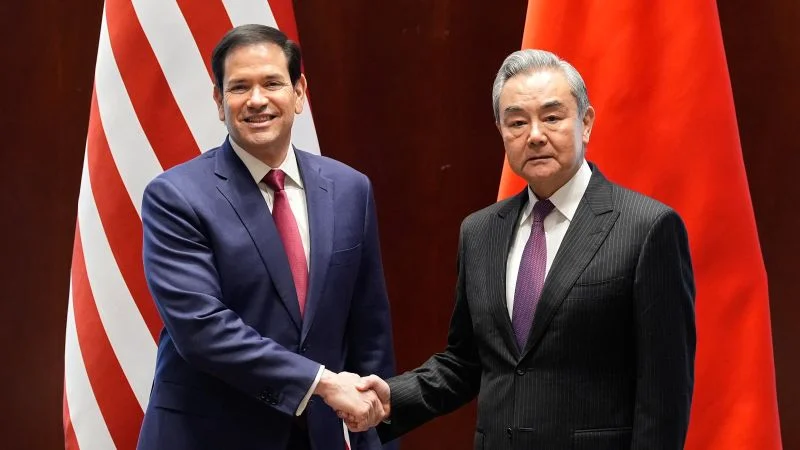
Chinese Foreign Minister Wang Yi defended China's ties with Russia and warned the West not to cross red lines on Taiwan during his speech at the Munich Security Conference. He emphasized China's role as a responsible major country and dismissed concerns about the Chinese economy and allegations of forced labor in Xinjiang. Wang also called for a two-state solution in the Israeli-Palestinian conflict and engaged in diplomatic talks with counterparts from Britain, the European Union, and the US.