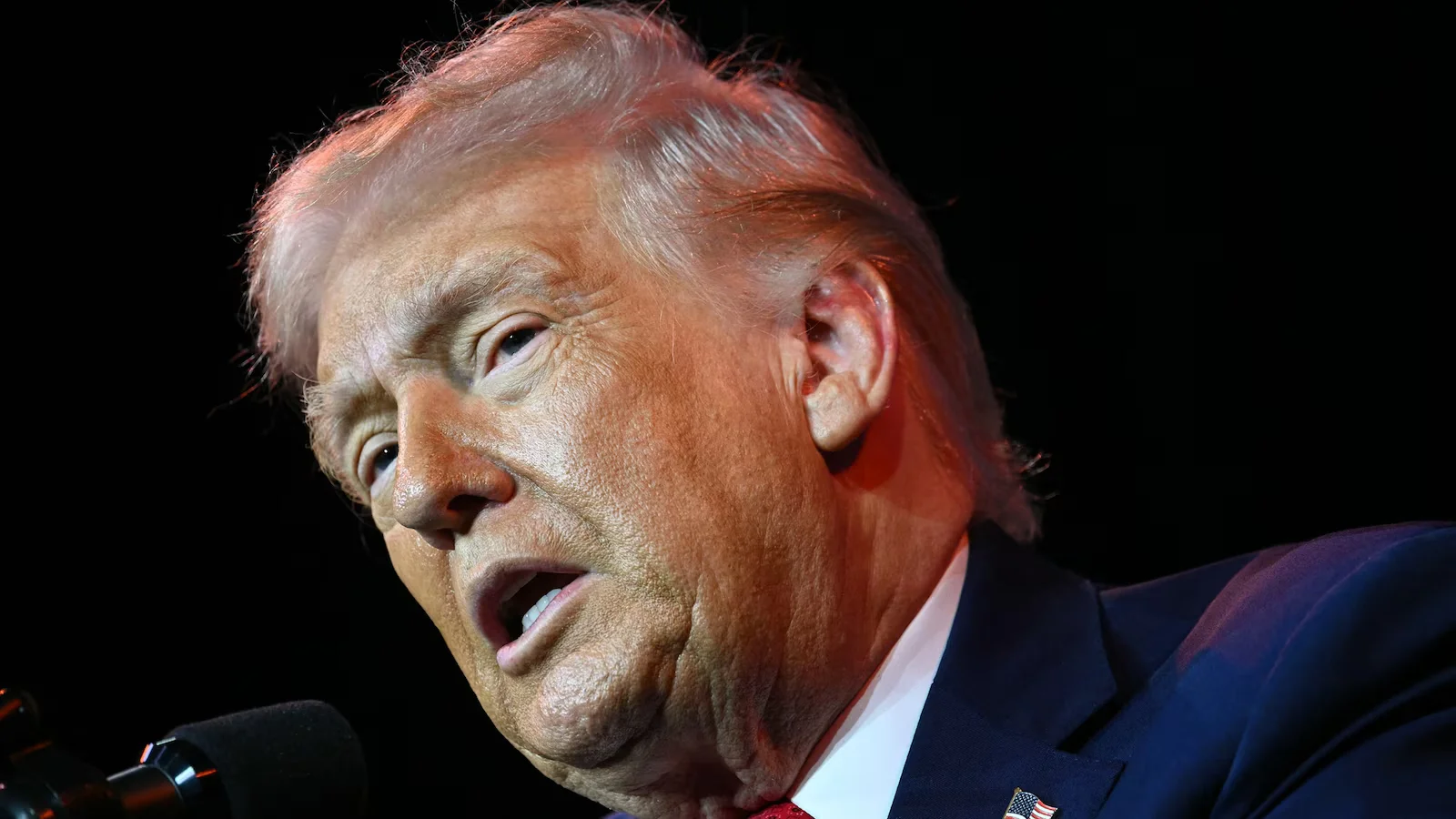
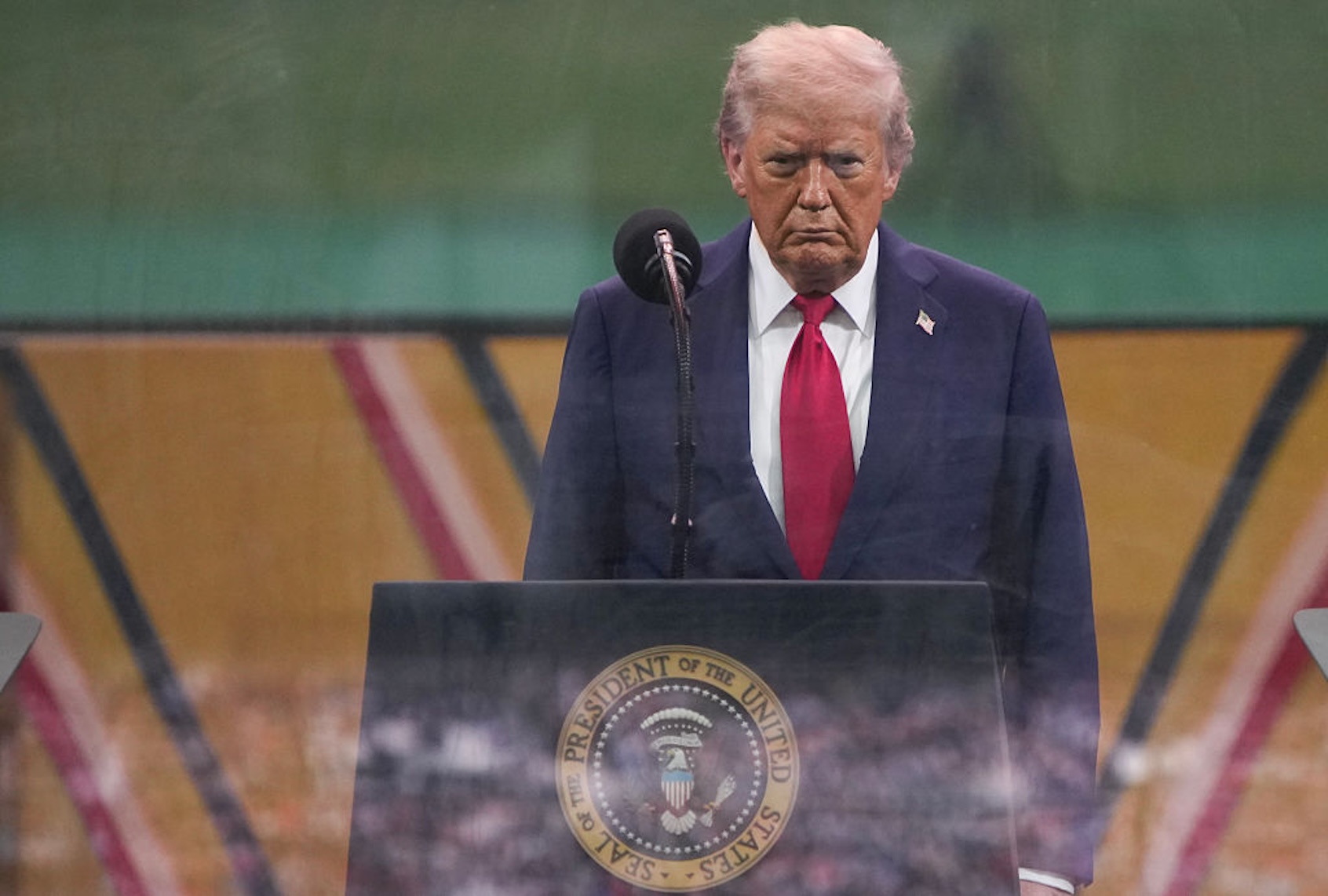
In a New York Times interview, President Trump claimed his personal morality is the only limit to his global power, dismissing the need for international law, while acknowledging some adherence depending on its definition. His comments come amid recent controversial actions, including military operations in Venezuela, discussions about acquiring Greenland, criticizing NATO, and withdrawing from multiple international organizations.
The article discusses the potential decline of the American empire, comparing it to historical collapses like Rome, and highlights signs of political and social instability, wealth disparities, and shifting global influence, suggesting that while the U.S. remains powerful, its dominance is waning and facing significant internal and external challenges.
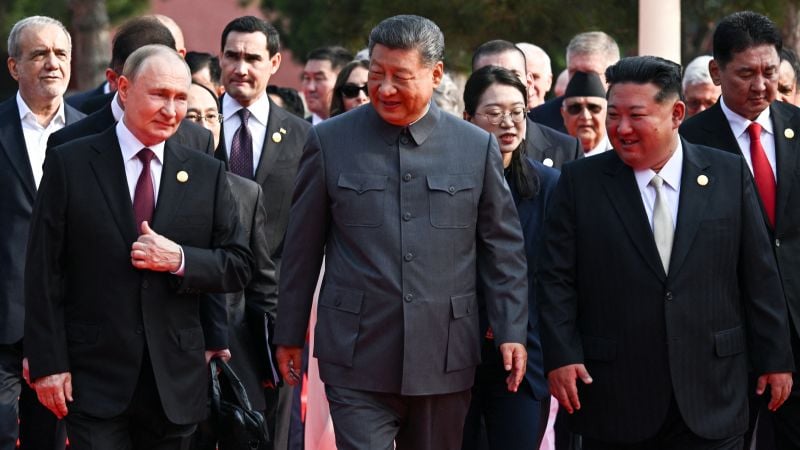
The article discusses how Donald Trump, now largely isolated on the global stage, is facing the limits of his influence as autocratic leaders like Xi Jinping and Vladimir Putin strengthen alliances, while Trump's approach weakens traditional U.S. global leadership and democratic institutions.
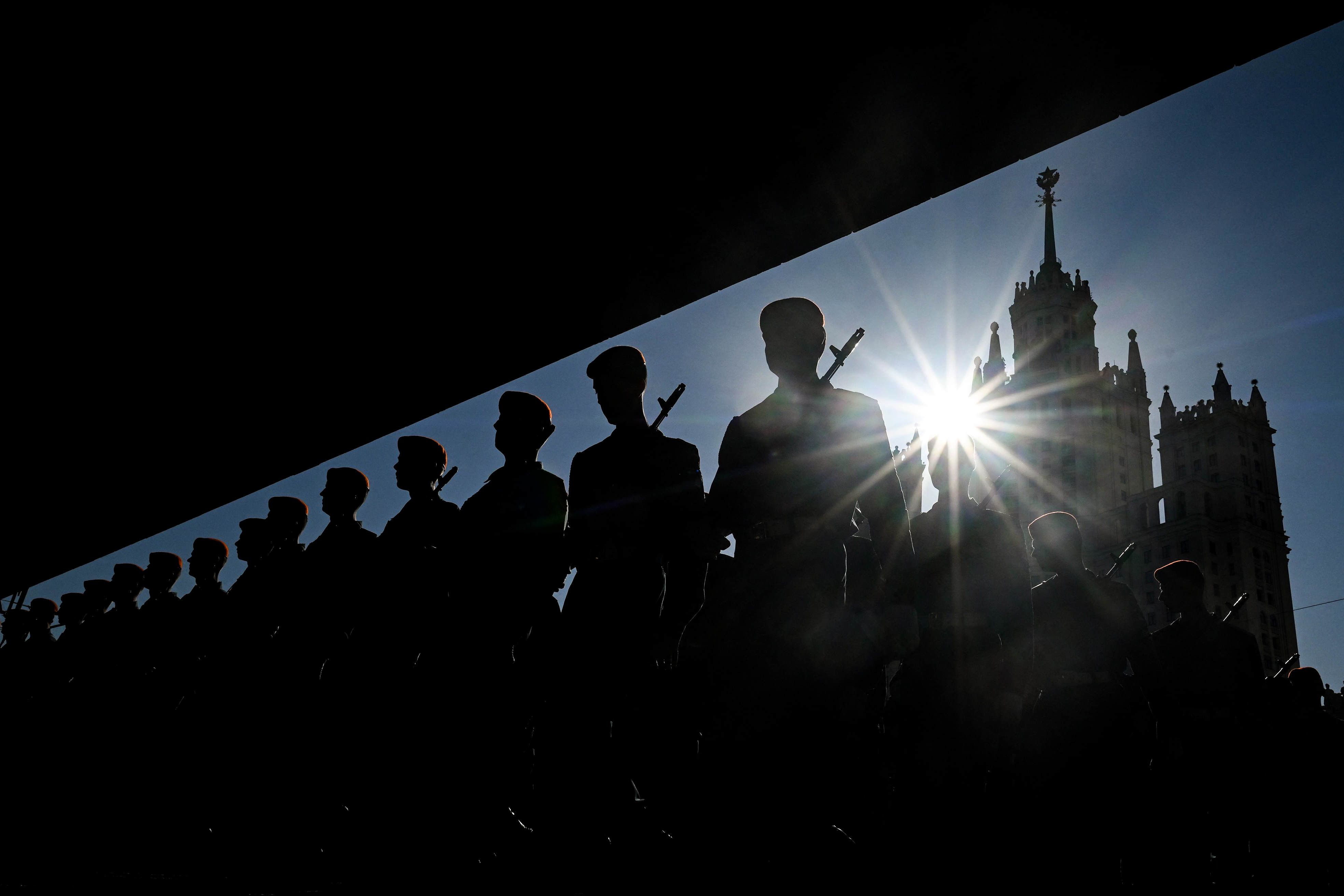
Chinese leader Xi Jinping showcased China's growing military strength and geopolitical influence during a major parade in Beijing, signaling a challenge to US-led global order and emphasizing a vision of peaceful development while strengthening alliances with Russia and North Korea amid international tensions.
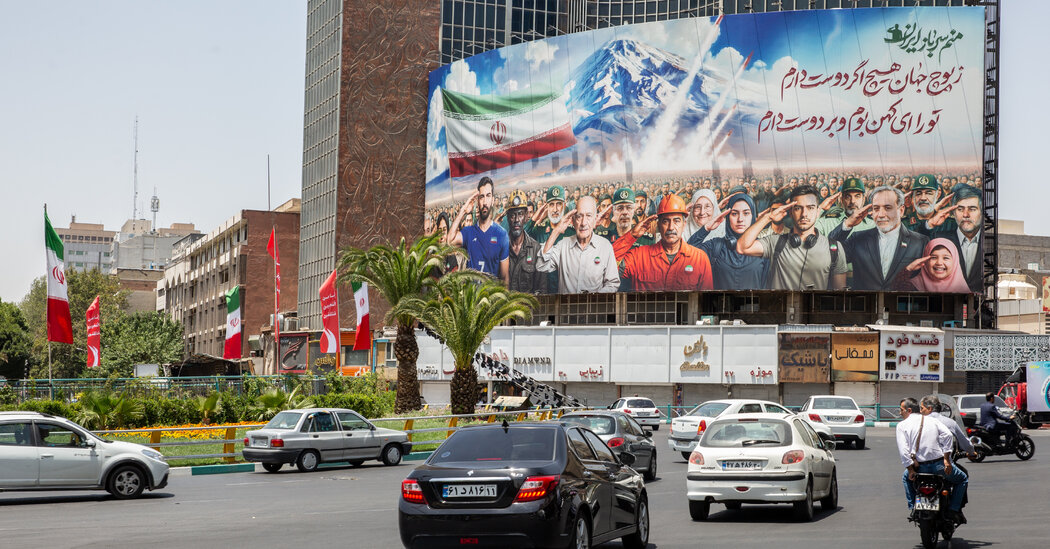
Iran is seeking stronger support from the BRICS alliance amid tensions with the US and Western powers, using the upcoming summit to bolster its international alliances despite internal divisions within BRICS over how to address recent conflicts involving Iran and other geopolitical issues.
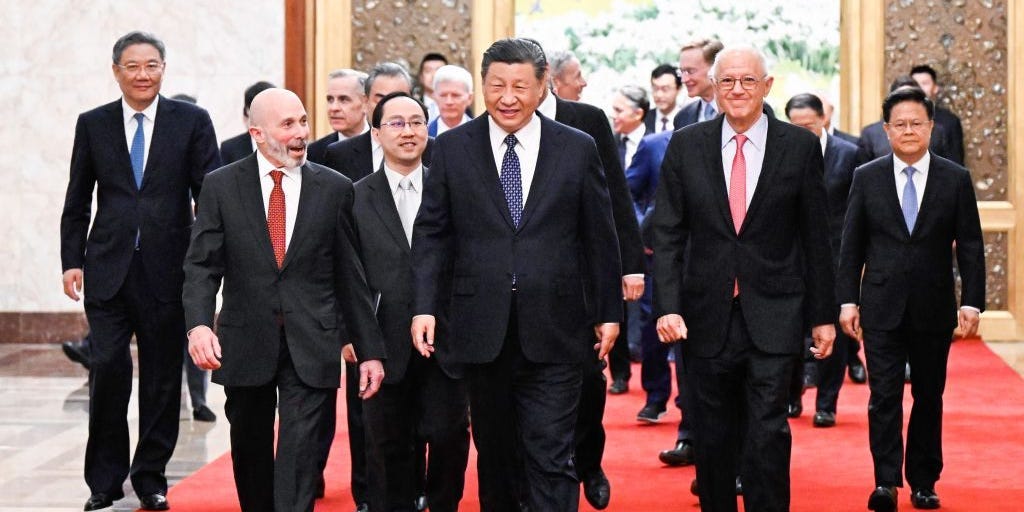
Chinese President Xi Jinping is attempting to court US investment while simultaneously challenging US global power. Despite his affable demeanor with US business leaders, Xi has accused the US of encirclement and suppression of China. Analysts believe Xi is trying to balance his long-term goal of displacing the US as the pre-eminent power with the immediate need to stabilize China's faltering economy. While making concessions to ease tensions with the US, Xi's actions and rhetoric reflect his ongoing ambition to challenge US influence on multiple fronts.
Despite widespread perceptions of decline, the United States remains a global superpower with significant economic, military, and technological advantages over its competitors. While the international landscape has become more multipolar, with rising powers challenging American dominance, the US still holds a commanding position. However, the US faces new challenges in a world where other countries assert their interests and seek to challenge American influence. The rise of China, Russian aggression, and the changing dynamics in the Middle East are all testing the US-led international order. The US must adapt its strategy to navigate this new reality and maintain its position as a global leader.
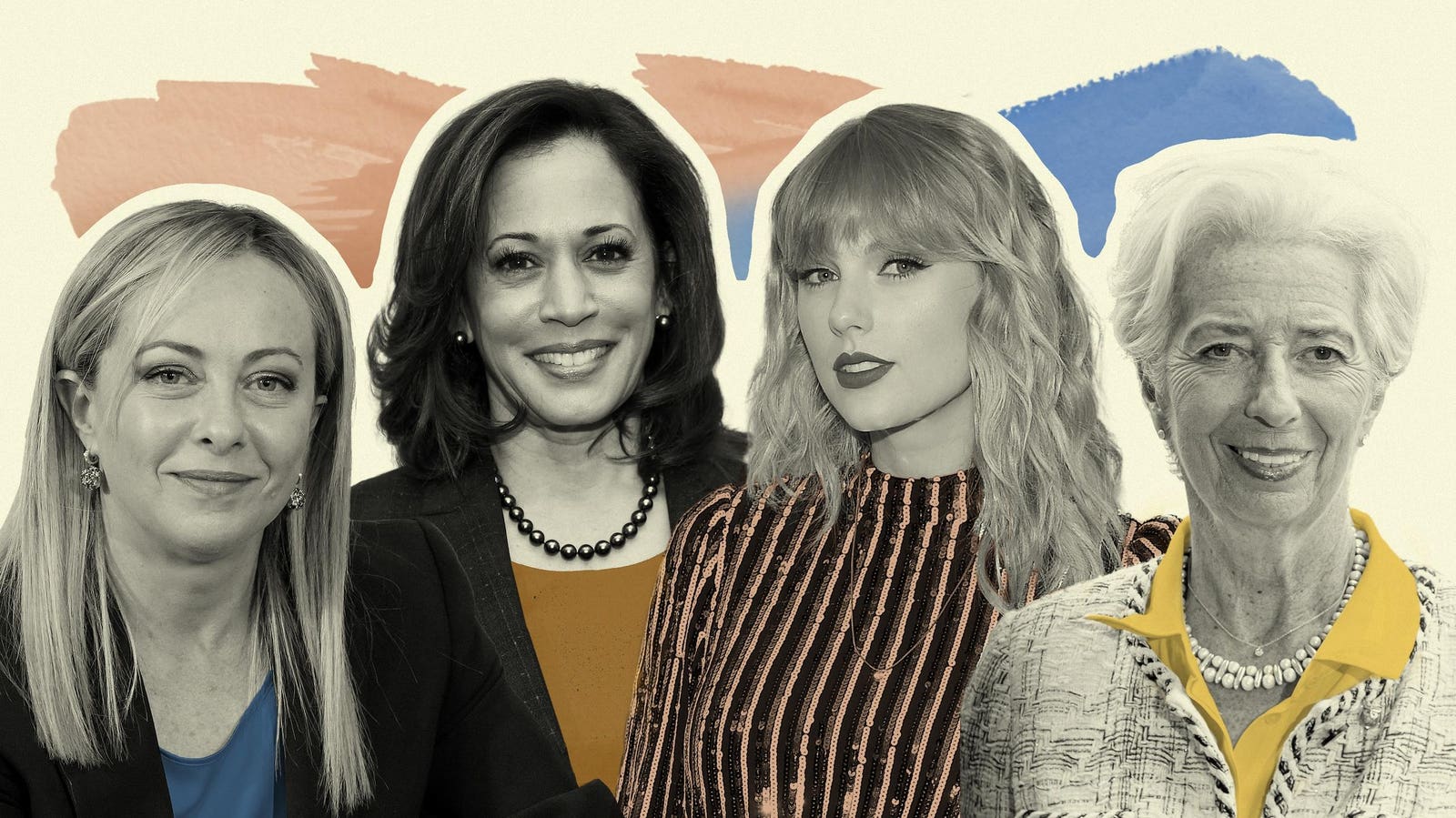
Forbes' 20th annual list of the World’s 100 Most Powerful Women highlights a diverse range of female leaders making significant strides in global impact. The inclusion of cultural icon Taylor Swift among political leaders raises questions about the nature of power. While women like European Commission President Ursula von der Leyen and U.S. Vice President Kamala Harris exemplify women's influence in traditionally male-dominated spaces, the decline in the number of women holding top political roles is concerning. With the world facing multiple crises, the need for more women in policymaking is crucial for addressing complex challenges and creating a more resilient and just world.
Regardless of the outcome in Ukraine, Russia will remain a major challenge for the United States. The country is held together by powerful forces, and defeat in Ukraine will not lead to its breakup or a democratic breakthrough. Post-conflict Russia will likely be authoritarian, expansionist, and economically lagging, yet still determined to play the role of a great power. Russia's large nuclear arsenal, cyber capabilities, and military potential make it a key factor in strategic stability. It will also continue to be a critical component of European security and play important roles in the Arctic, Middle East, and Indo-Pacific regions. The United States should seek to harness Russia's power for its own purposes rather than trying to contain it, focusing on peaceful coexistence, responsible competition, and mutually beneficial cooperation. Strategic stability, European security, and managing relations with China will be the dominant issues in U.S.-Russia relations in the years ahead.
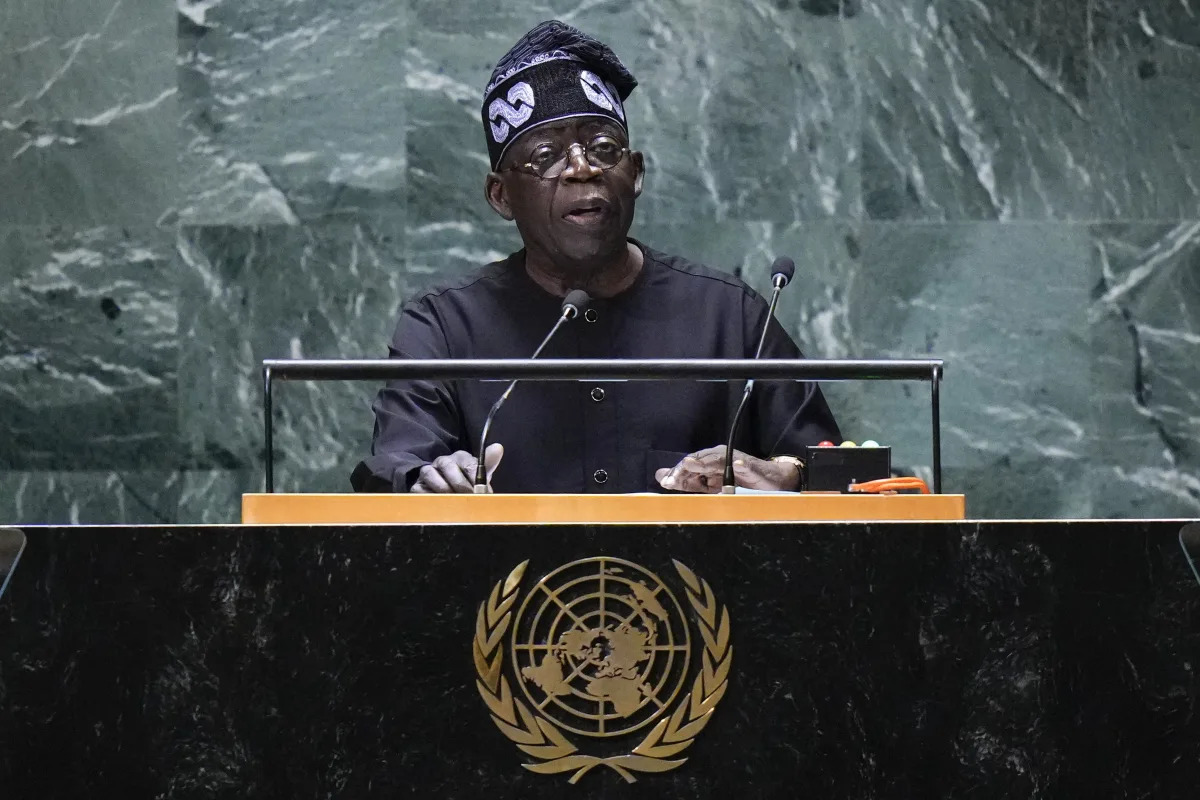
African leaders addressing the UN General Assembly assert that the continent is no longer willing to be a victim of the post-World War II order and demands to be partnered with, rather than sidelined. They emphasize Africa's capacity to become a global power and call for a bigger voice in multilateral institutions. African leaders also highlight the need for reparations for the slave trade and a more inclusive global financial system. While Africa faces challenges such as poverty, corruption, and governance issues, there is a growing interest in the continent's potential to drive progressive and fairer change in the global system.
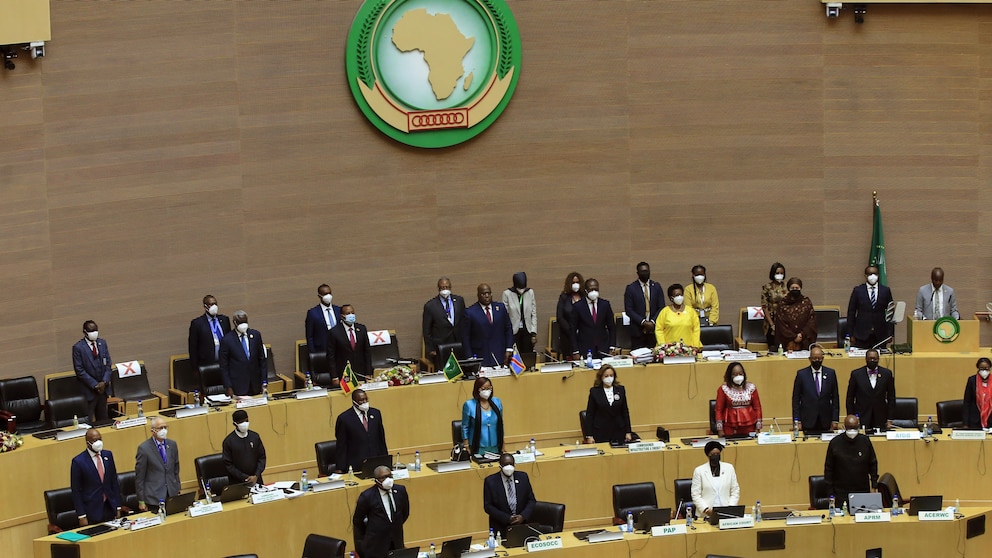
The African Union (AU) has been granted permanent membership in the G20, signaling the rise of a continent that is home to over 1 billion people and seeking a more influential role on the global stage. With full G20 membership, the AU can represent Africa, which has the world's largest free trade area and abundant renewable energy assets and minerals crucial for combating climate change. African leaders aim to benefit their economies by promoting industrial development closer to home and fairer treatment by financial institutions. The AU's membership in the G20 reflects Africa's growing importance in discussions on climate change, food security, migration, and other global issues, and highlights the need for the continent to speak with one voice to influence decision-making.
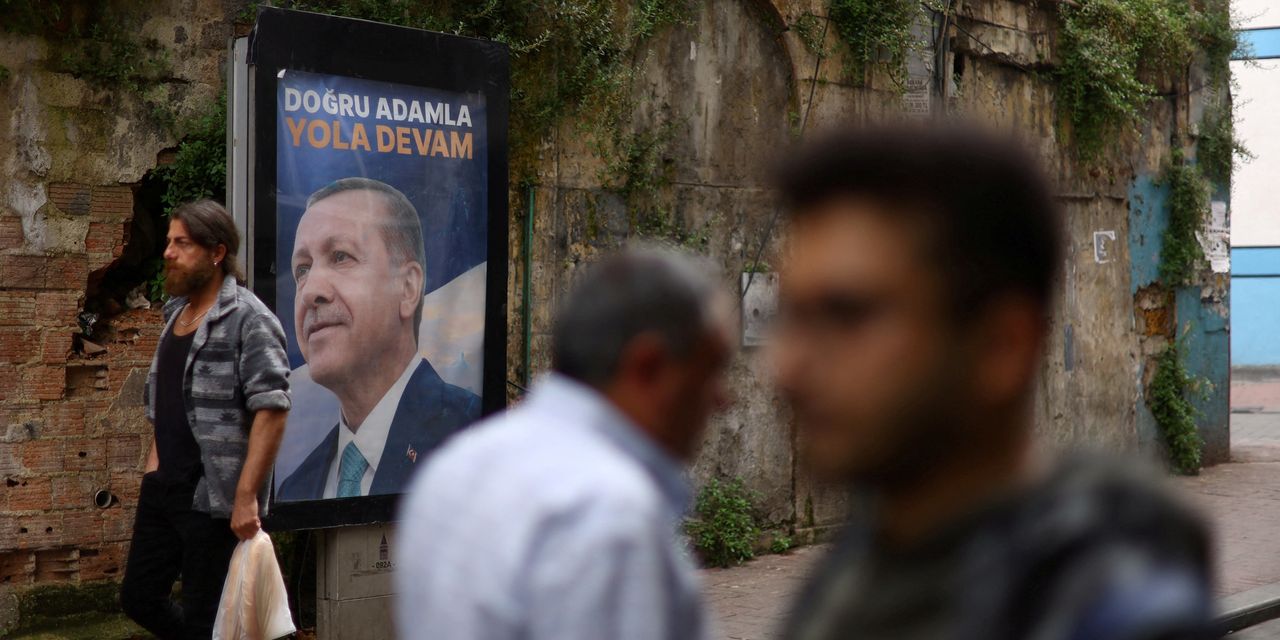
Turkish President Recep Tayyip Erdogan, after winning the recent election, is now focusing on establishing Turkey's position as a global power. He aims to improve Turkey's foreign policy and strengthen its place on the world stage.
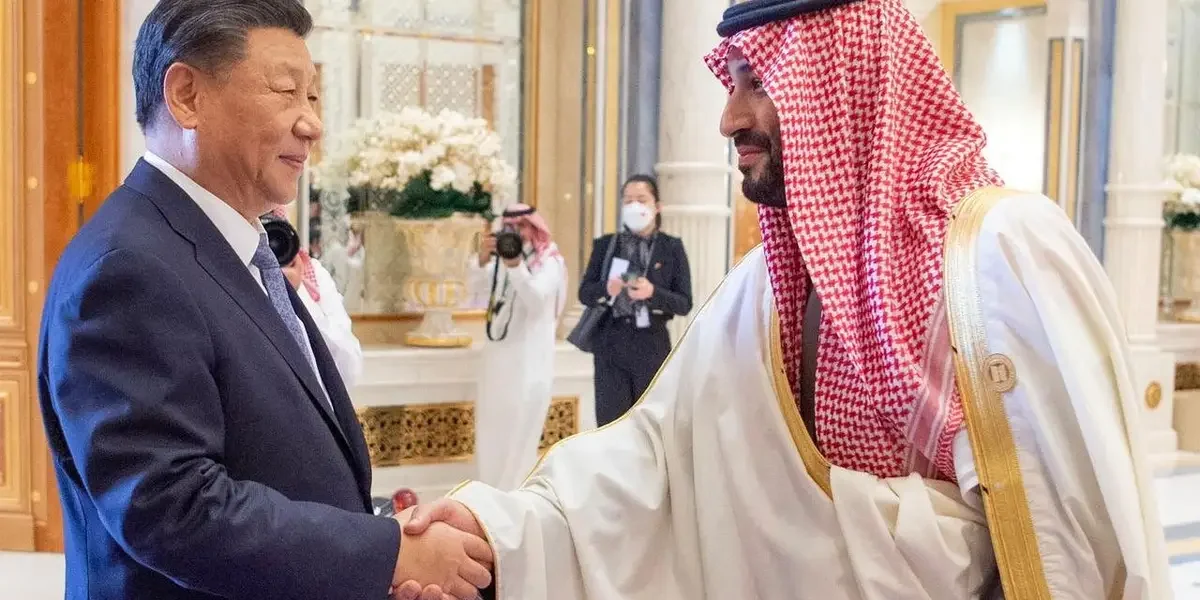
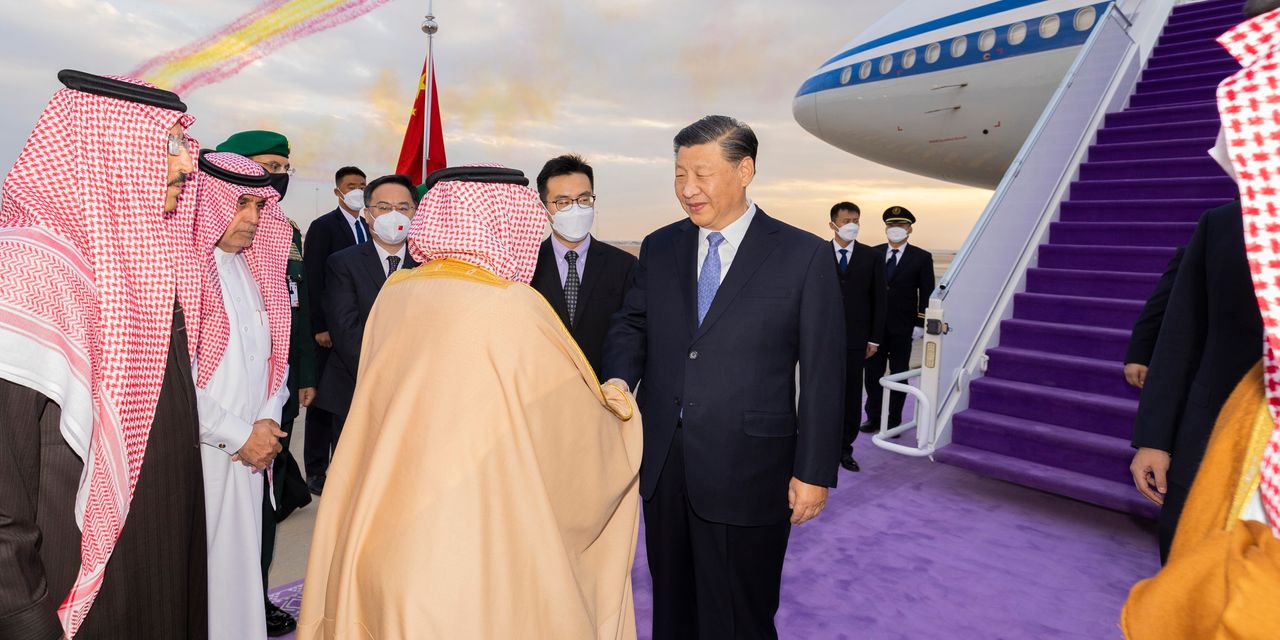
The Biden administration is offering lucrative contracts to Saudi Arabia's Crown Prince Mohammed bin Salman to lure him away from China, despite once threatening to make him a "pariah" over the assassination of Jamal al-Khashoggi. The US is concerned about China's growing influence in the Middle East and is seeking to push back against it. The Saudis are seeking to broaden their alliances and are drawing closer to rival powers, including Russia and China. The US is determined to play a key role in the region and smooth over past disputes, but the Saudis are unlikely to abandon their tightrope strategy of balancing between rival superpowers any time soon.
China is stepping up its influence in the Middle East, with recent developments including brokering a deal for Iran and Saudi Arabia to resume diplomatic ties and Saudi Aramco's investment in China's petrochemical industry. This is part of China's effort to become a global power and forge a new world order, with the United States stepping back from the region. However, opponents of Middle East engagement argue that the US can rely on North American petroleum production and transition to carbon-neutral energy. The authors argue that continued American engagement in the Middle East is necessary to counter an increasingly assertive and aggressive China, which could breed even greater instability in the region with global implications.
China is starting to act like a global power, showing new assertiveness under Xi Jinping's third term as head of state. Beijing is positioning itself to draw like-minded countries to its side and have a greater say on global matters, marking a departure from its previous reluctance to involve itself in conflicts far from its shores.