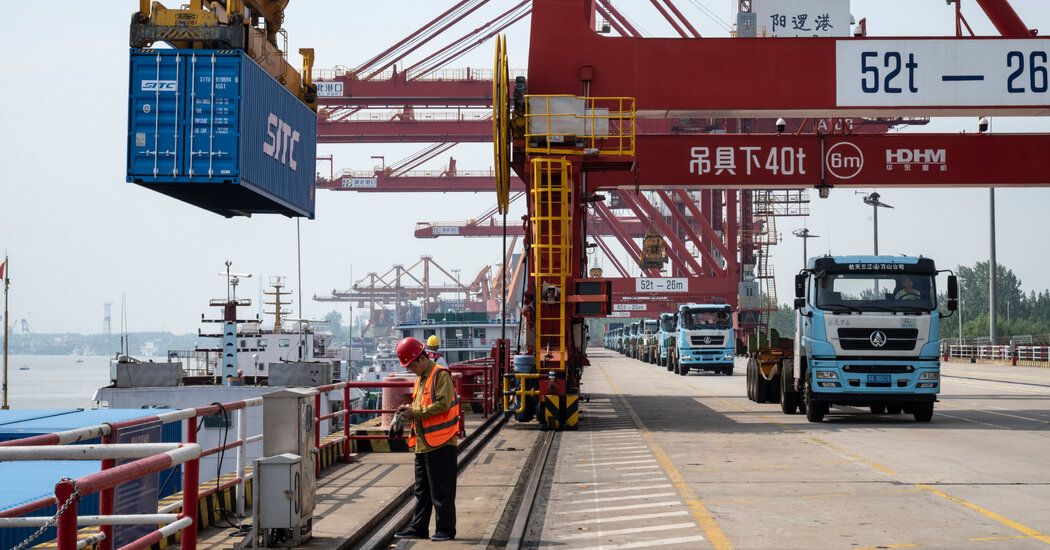
Treasury Secretary Scott Bessent expressed confidence that the Trump administration would secure trade agreements with several countries before the August 1 deadline for steep tariffs, with some negotiations possibly extending to that date. The administration plans to inform countries about potential tariff increases if deals are not reached promptly, aiming to finalize multiple agreements within the next few days amid ongoing trade tensions.
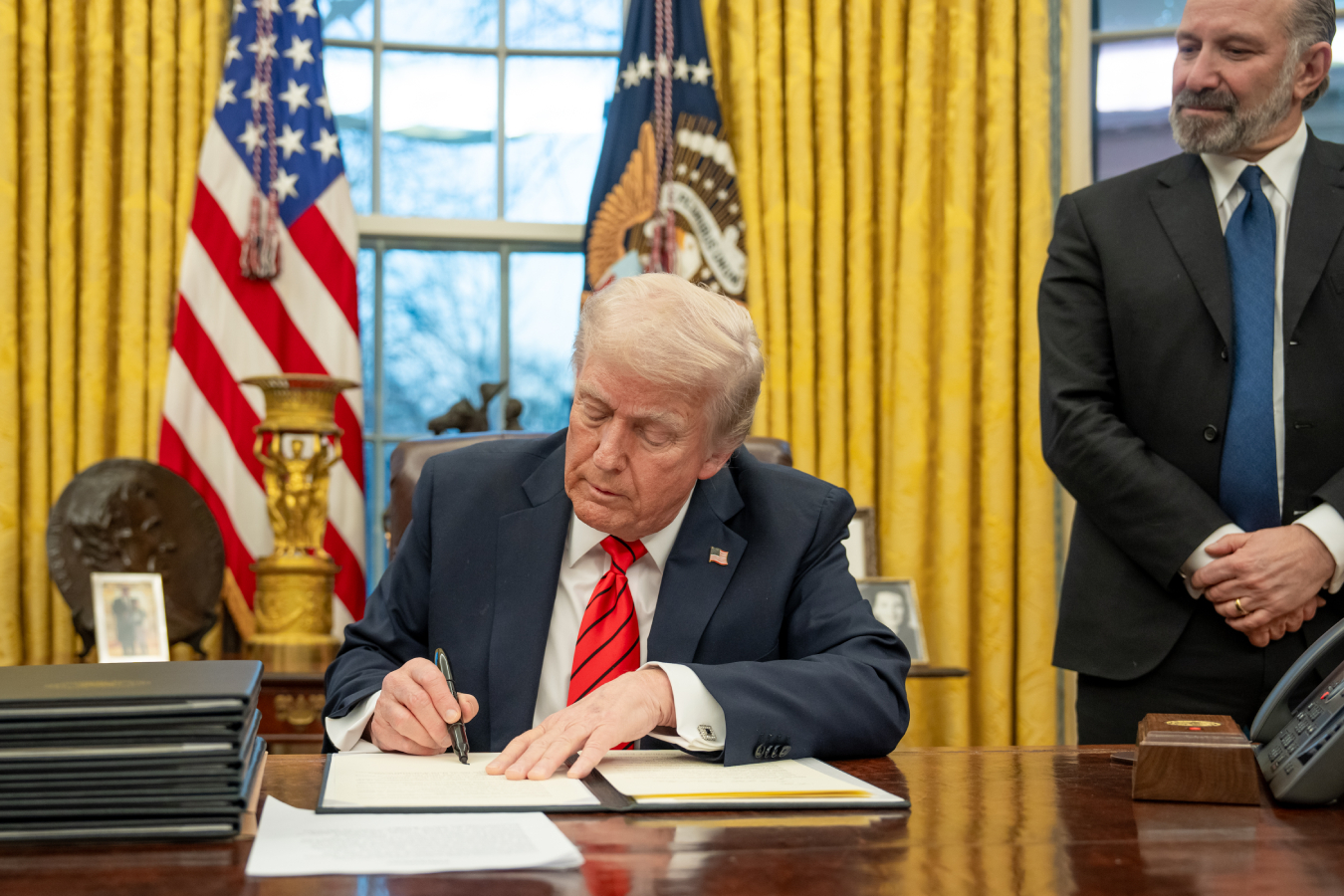
President Trump's new trade agreement with Vietnam introduces up to 20% tariffs on Vietnamese goods, which is expected to lead to higher prices for American consumers and influence future trade negotiations in Asia. While the deal benefits Vietnam, other countries like India, South Korea, and European nations face complex and uncertain negotiations with the US. Meanwhile, the US is delaying enforcement of certain tech laws, balancing trade pressure abroad with restraint at home.
The threat of additional tariffs by President Trump is causing delays in global trade negotiations, as countries worry about future tariffs on critical industries, especially those related to national security, which could impact sectors like pharmaceuticals, automobiles, and steel, and complicate ongoing trade agreements with the U.S.
The article analyzes Donald Trump's unique diplomatic approach, characterized by making bold demands, followed by negotiations and threats, which has been applied in cases like Iran, NATO, trade, and Russia-Ukraine, leading to a mix of military actions, agreements, and ongoing conflicts.
The Biden administration has successfully negotiated the release of three Americans—Mark Swidan, Kai Li, and John Leung—by exchanging them for unidentified Chinese citizens held in U.S. custody. This diplomatic effort, involving extensive talks between U.S. and Chinese officials, follows a similar exchange in September that resulted in the release of U.S. citizen David Lin.
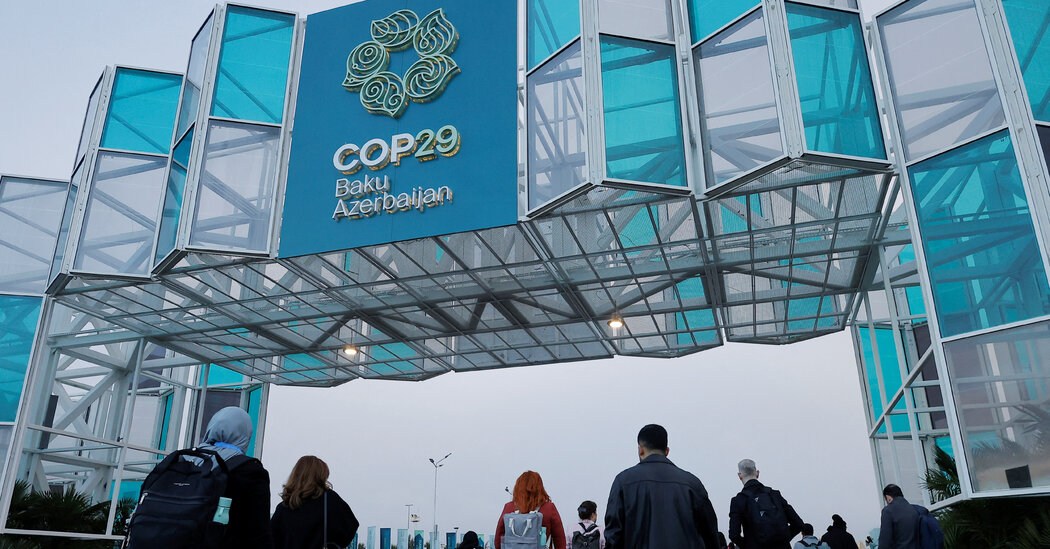
At the COP climate talks, progress is being made towards establishing a Loss and Damage Fund, aimed at providing financial assistance to countries most affected by climate change impacts. This initiative is part of ongoing international negotiations to address the economic and environmental challenges posed by climate change.
After two years of negotiations, the World Health Organization has failed to finalize a global pandemic treaty aimed at better handling future pandemics. Key issues include sharing pathogen information, intellectual property rights, and vaccine affordability. Despite the setback, WHO officials remain hopeful that a plan will eventually be agreed upon to address these challenges more equitably.
Efforts to draft a global pandemic treaty have stalled as rich and poor countries fail to agree on how to respond to future health emergencies. Despite two years of negotiations, the World Health Organization (WHO) has not been able to finalize a draft treaty aimed at better sharing resources and stopping future viruses. Key issues include the sharing of information and technologies, and equitable access to vaccines and treatments. WHO officials remain hopeful that an agreement can eventually be reached.
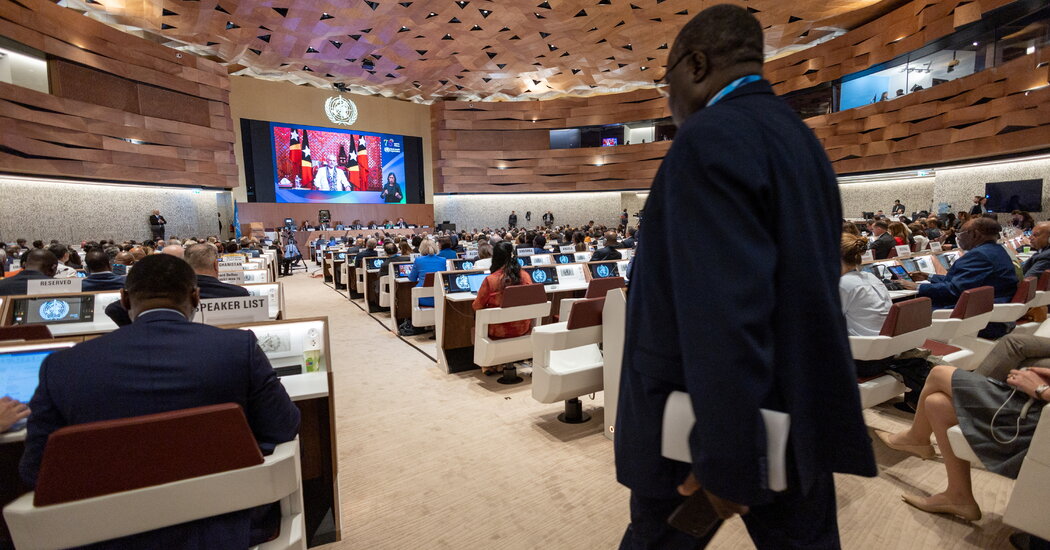
Countries have failed to agree on a global treaty to prepare for future pandemics, with key issues like equitable access to vaccines and financing for surveillance systems causing delays. Negotiators will request more time to finalize the treaty, which was a major agenda item for the upcoming World Health Assembly in Geneva.
The director general of the World Health Organization has expressed concern over the negotiations for a new multilateral pandemic agreement, citing a lack of progress and the influence of fake news, lies, and conspiracy theories. With 29 million deaths and a billion-dollar debt from the pandemic, the international community appears to have learned nothing, as differences between rich and poor countries, geopolitical context, and private interests threaten to derail the agreement. The need for a strong epidemiological surveillance system and fair distribution of resources is emphasized, as well as the importance of learning from past mistakes to prepare for future health risks.
The U.S. is anticipating tougher negotiations over the allocation of radio waves for satellite connectivity following the 2023 World Radiocommunication Conference (WRC-23). Deputy Assistant Secretary of State Steve Lang highlighted challenges arising from the increasing number of satellite constellations and resistance to non-geostationary orbit systems (NGSO) like SpaceX's Starlink and Amazon's Kuiper. Concerns about the impact on radio astronomy and equitable access led to resolutions for further study in 2027. However, the U.S. was criticized for insufficient preparation and strategy alignment, resulting in setbacks in spectrum policy discussions and falling behind other countries in shaping future radio wave deployments.
Ukraine is exploring the possibility of acquiring surplus upgraded F/A-18 Hornets from Australia to reequip its air force. While negotiations are ongoing between Australia, Ukraine, and the United States, Ukraine has not yet officially requested the Hornets. If the transfer were to happen, it could become the largest-ever single transfer of military equipment to a foreign power. The Biden administration is open to the process and supportive of Ukraine getting airplanes, but it is unclear how serious the idea is right now.