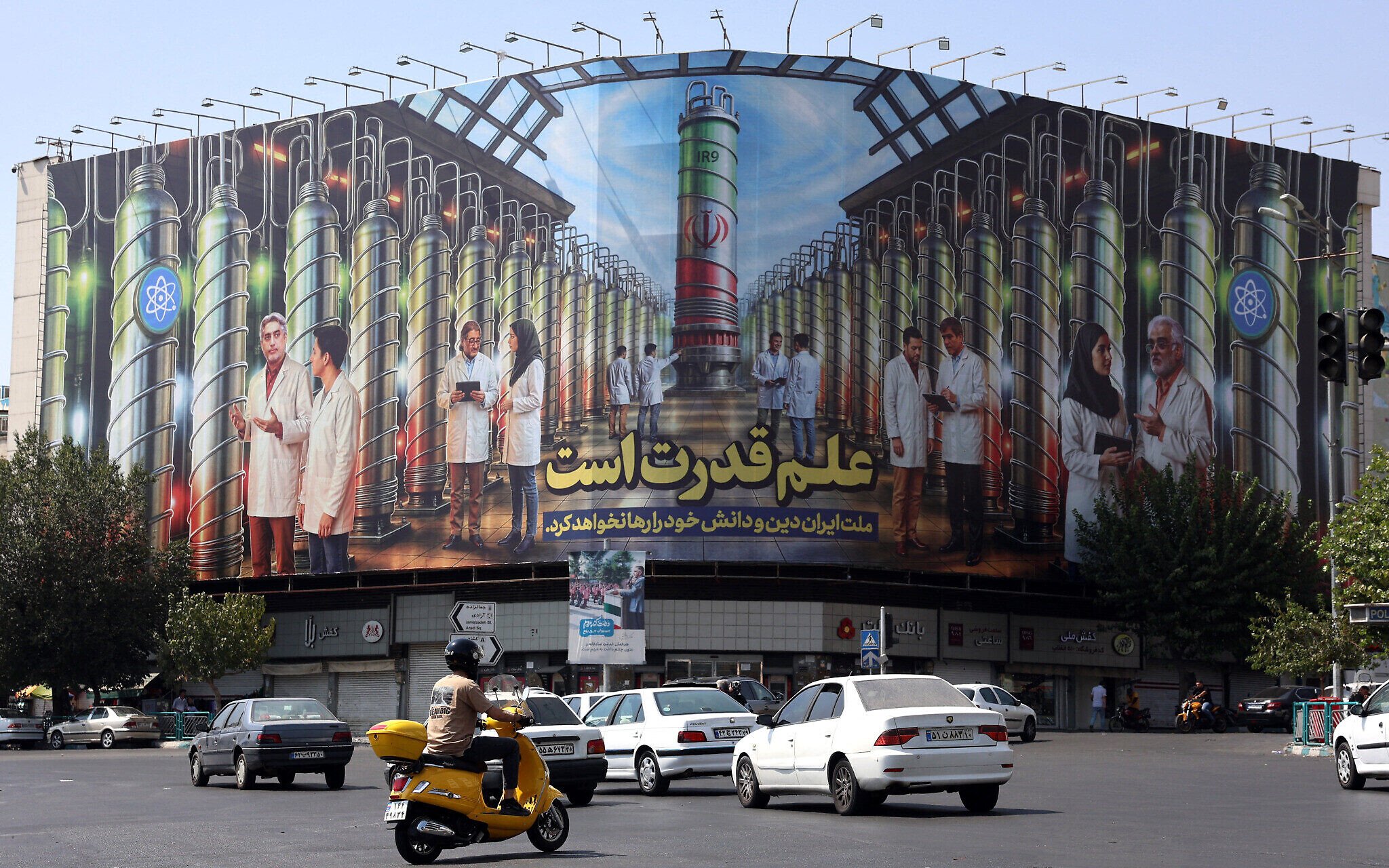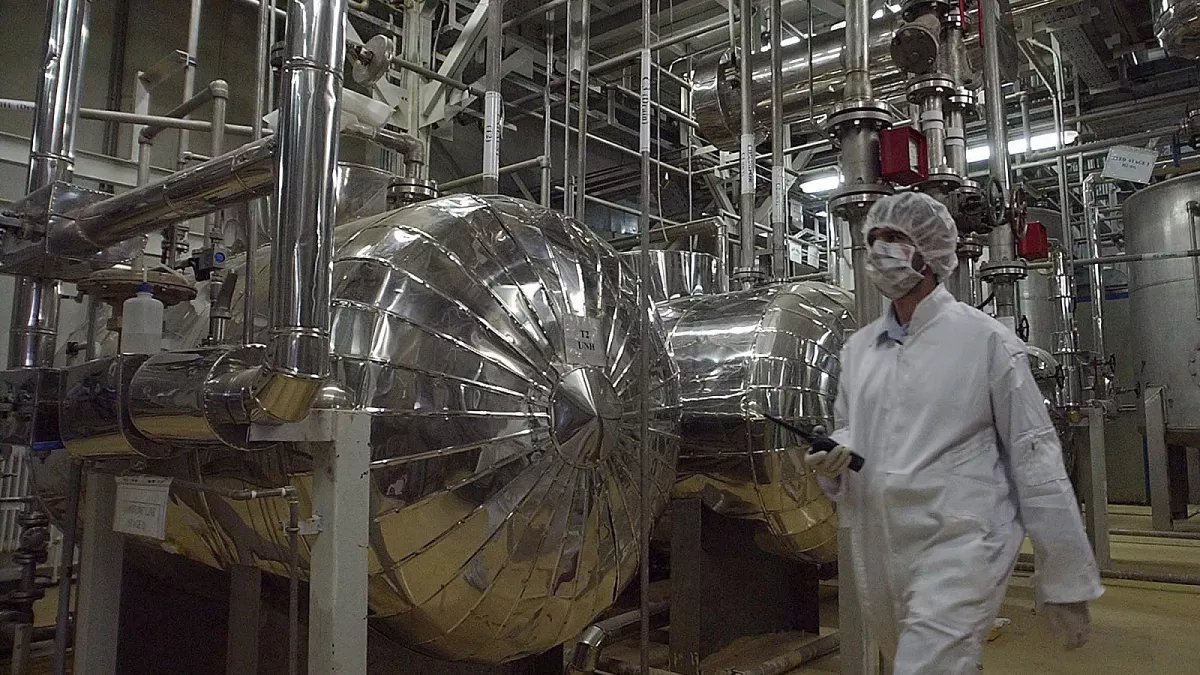
The UN is set to reimpose broad sanctions on Iran over its nuclear activities after Iran failed to meet commitments, leading to increased tensions and diplomatic disputes, with Iran denying seeking nuclear weapons and accusing Western powers of undermining diplomacy.
The article discusses escalating tensions in West Asia, particularly around Iran's nuclear program, with Western countries attempting to reimpose UN sanctions, while Iran and Russia prepare for potential conflict with Israel and the US. The situation risks a large-scale regional war, which could disrupt global oil supplies and impact countries like India, amid fears of military strikes and strategic shifts in the region.
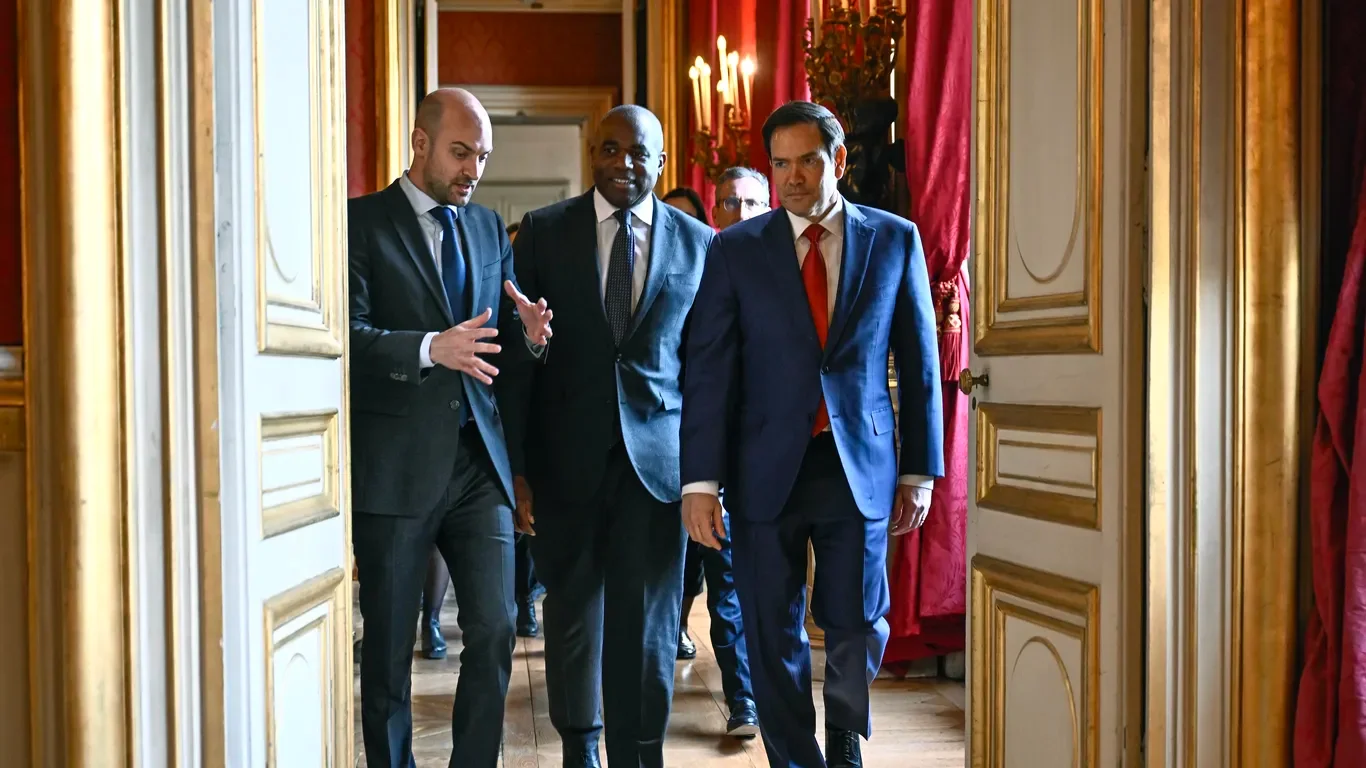
European foreign ministers have informed the U.S. that they will activate the 'snapback' sanctions mechanism against Iran, which would reimpose UN sanctions lifted under the 2015 Iran nuclear deal, amid ongoing tensions and Iran's failure to meet nuclear obligations, potentially leading to increased economic pressure and Iranian retaliation.
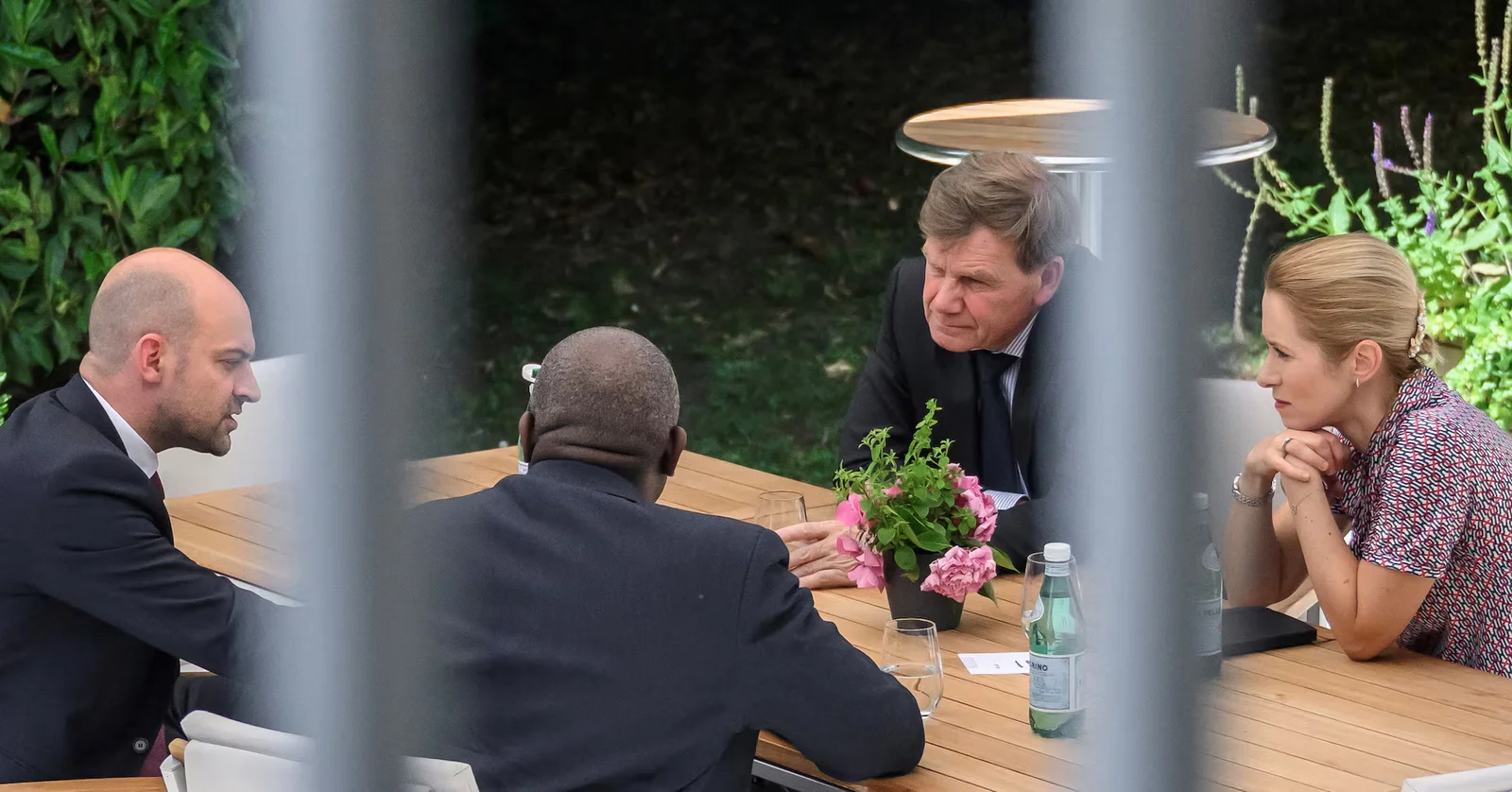
European countries and Iran failed to reach an agreement in Geneva on how to prevent the reimposition of UN sanctions against Iran over its nuclear activities, with efforts ongoing ahead of a deadline to invoke the snapback mechanism of the 2015 Iran nuclear deal, which could restore broad sanctions including arms embargoes and missile restrictions.
Europeans are preparing for talks with Iran in Istanbul to assess Tehran's willingness to compromise on its nuclear program and prevent the reimposition of UN sanctions, with discussions focusing on extending the snapback mechanism and addressing concerns over uranium stockpiles amid ongoing tensions following recent strikes on Iranian sites.
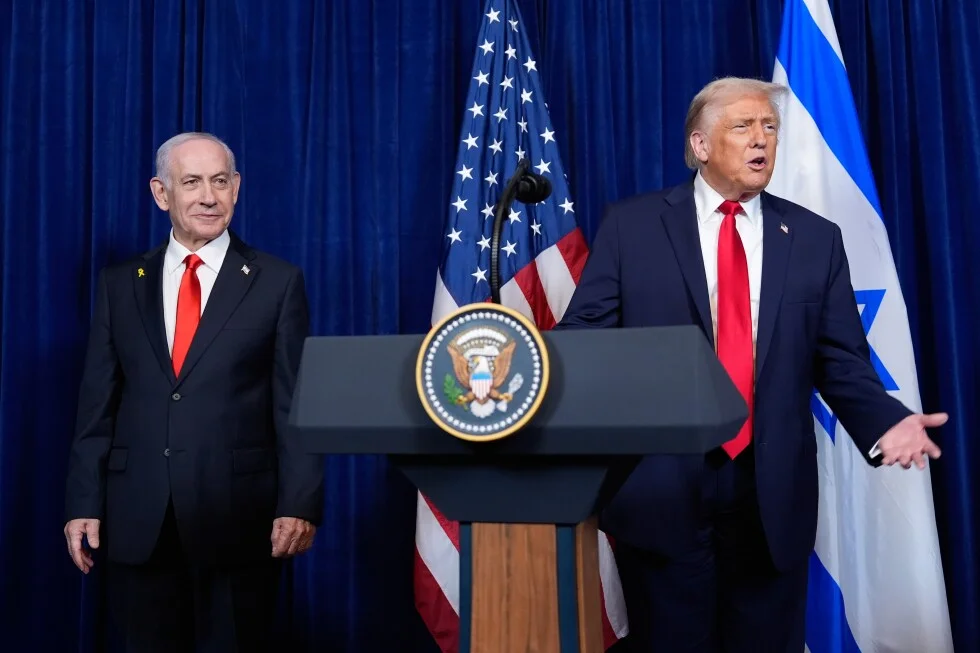
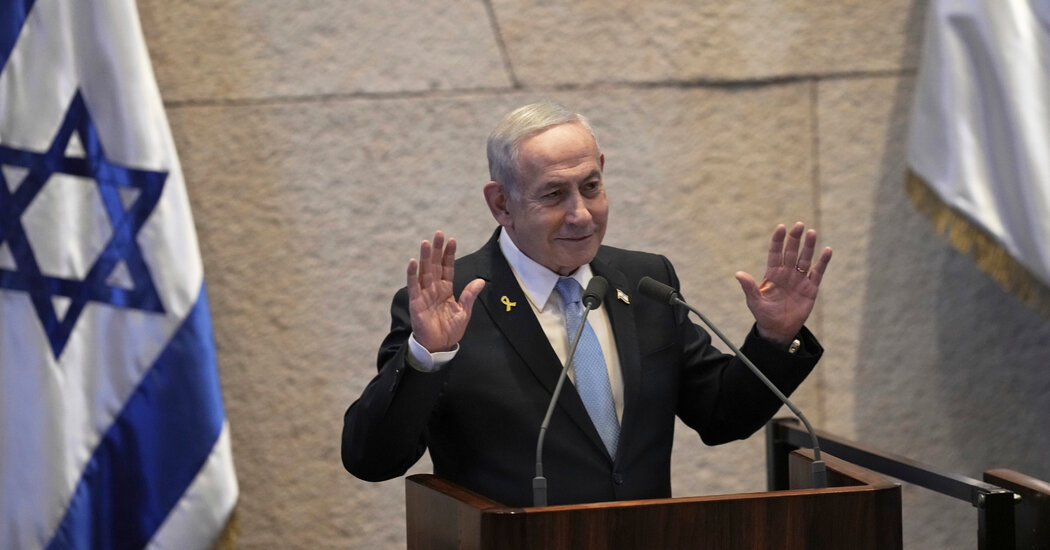
The upcoming meeting between Netanyahu and Trump in Washington will focus on potential ceasefire negotiations in Gaza, regional diplomacy, and the possibility of a new Iran nuclear agreement, with significant implications for Middle East stability and U.S.-Israel relations.
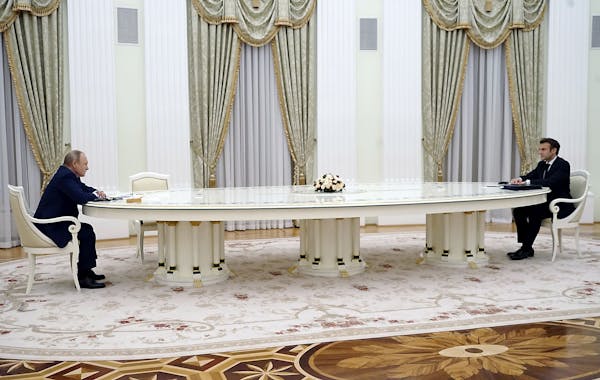
The article discusses the recent thaw in Russia-France relations, with Putin and Macron engaging in talks that highlight a shift in geopolitical dynamics, including efforts to address the Ukraine conflict and the Middle East situation, particularly Iran's nuclear program. It also notes the declining Western narrative against Russia, potential US-Russia rapprochement, and France's uncertain position amid Europe's evolving stance on Ukraine and Iran.
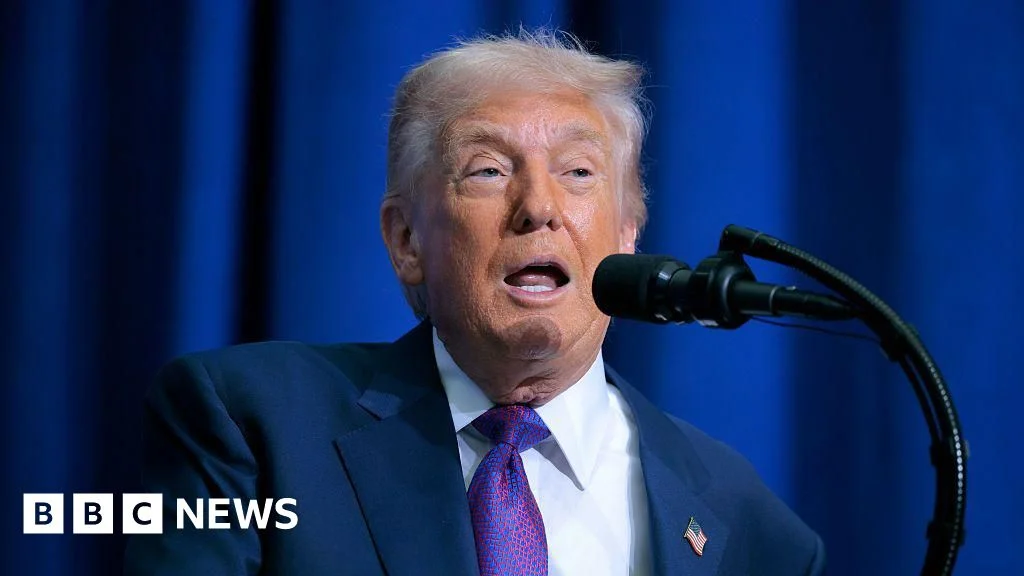
The article analyzes Donald Trump's unique diplomatic approach, characterized by making bold demands, followed by negotiations and threats, which has been applied in cases like Iran, NATO, trade, and Russia-Ukraine, leading to a mix of military actions, agreements, and ongoing conflicts.
An internal GOP conflict is unfolding over Iran policy, with hawks pushing for military action and others advocating for diplomacy, as President Trump navigates these pressures amid ongoing negotiations and intelligence assessments about Iran's nuclear capabilities.
President Trump reported that during a phone call with President Putin, Russia indicated it would retaliate against Ukraine for a recent drone attack, while also discussing cooperation on Iran's nuclear program.
The Senate Foreign Relations Committee voted 12-9 to advance the nomination of Jack Lew as the US ambassador to Israel, despite Republican opposition over his involvement with the Iran nuclear deal. Chairman Ben Cardin hopes for a quick full Senate floor vote, and Majority Leader Chuck Schumer may file cloture on the nomination soon. Lew advanced on a party-line vote, except for Republican Sen. Rand Paul. There are ongoing conversations about potential Republican support for Lew in a floor vote, and there is still broad support for Israel in its fight against Hamas despite the divided committee vote.
Senate Republicans are expressing reservations about President Joe Biden's nominee, Jack Lew, for the position of U.S. Ambassador to Israel. During his confirmation hearing, Lew faced tough questioning from Republicans regarding his involvement in the Iran nuclear deal during the Obama administration. While Republicans may not be able to prevent Lew's confirmation, they can slow down the process. Democratic leaders argue that the nomination needs immediate action due to the ongoing conflict between Israel and Hamas. Lew defended his record on Israel and Iran, emphasizing his support for Israel's security needs. However, Republicans remain concerned about his past support for the Iran deal.
The United Nations' nuclear watchdog agency, the International Atomic Energy Agency (IAEA), has reported "no progress" in monitoring and verifying Iran's nuclear program. Iran's decision to stop implementing its nuclear-related commitments under the 2015 Iran nuclear deal and remove the IAEA's surveillance and monitoring equipment has seriously affected the agency's ability to provide assurance of the peaceful nature of Iran's nuclear program. Iran's enrichment of uranium up to 60% purity has continued, though at a slower rate, and its stockpile of highly-enriched uranium has grown by 7% over the last quarter. Western powers are concerned about Iran's proximity to producing nuclear weapons, while Iran denies any intention to develop them.
Rob Malley, the U.S. Special Envoy for Iran, is currently on leave due to an ongoing investigation into his security clearance. This absence could impede the Biden administration's efforts to revive the Iran nuclear deal and negotiate with Tehran on various issues. Malley, who has been willing to engage with controversial figures, has faced criticism from anti-Iran hardliners in the past. The State Department has not provided further details regarding the investigation. In the meantime, Abram Paley is serving as the acting Special Envoy for Iran.
The Biden administration is creating new tensions with Israel over its opposition to a new Iran nuclear deal, Israel's judicial reform, and settlements in the West Bank. Former White House Envoy to the Middle East, Jason Greenblatt, expressed concerns about U.S. interference in Israeli politics, while Middle East expert Caroline Glick claimed that the U.S. is no longer a credible ally. The State Department denied any weakening of relations and urged Israel to find a compromise with broad popular support. The friction over judicial reform and settlements is not so much about interfering in politics, but more a disagreement about the issues, according to Ariel Kahana, a senior diplomatic commentator for Israel's most read Hebrew-language daily newspaper.