In 2026, Social Security will see several significant changes including a 2.8% COLA, increased earnings-test limits, higher maximum benefits, a rise in the wage cap, and more challenging work credit requirements, impacting both current and future beneficiaries.
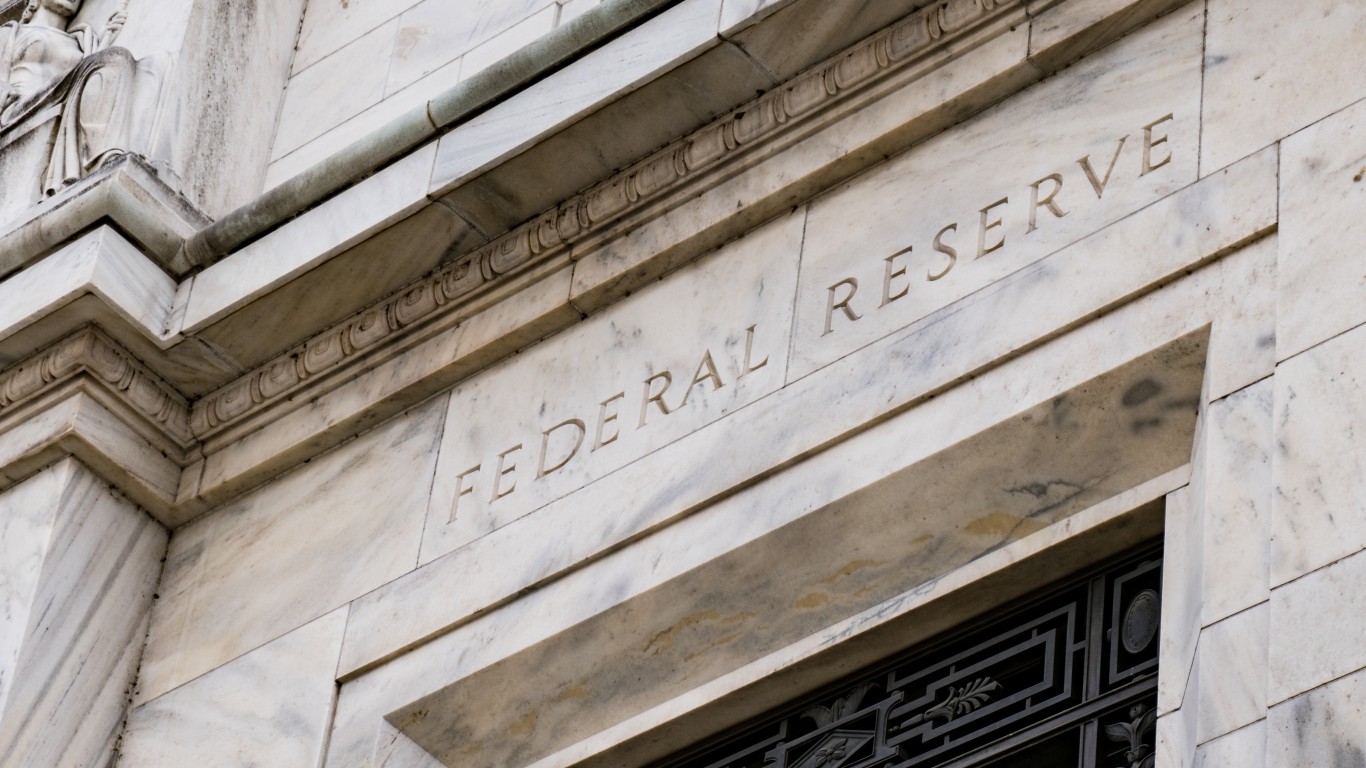
The Federal Reserve's recent rate cut may lead to a lower Cost of Living Adjustment (COLA) for Social Security retirees in 2027, as lower inflation projections suggest smaller benefit increases, potentially impacting retirees' purchasing power.
Retirees should create a My Social Security account by Nov. 19 to receive early notification of their 2026 benefits increase, which is expected to be 2.8%, helping them plan their finances ahead of the new year.
The maximum Social Security benefit for full retirement age in 2026 will increase to $4,152 per month due to a 2.8% cost-of-living adjustment, along with higher earnings thresholds for beneficiaries who work while receiving benefits. The average benefit for retired workers is also expected to rise to $2,071 per month in 2026.
The 2026 VA disability pay increase, driven by a 2.8% COLA, will automatically raise the monthly benefits for veterans with a 60% disability rating from $1,500 to approximately $1,545, ensuring their benefits keep pace with inflation. The increase takes effect in January 2026 and applies to all eligible veterans without reapplication, reaffirming the government's commitment to supporting veterans' financial stability.
The 2026 Social Security cost-of-living adjustment (COLA) will be 2.8%, but many retirees may see less of an increase in their benefits due to rising Medicare Part B premiums, which could reduce the net benefit. Retirees should consider reviewing their Medicare plans during open enrollment to optimize costs and plan for the impact of these changes on their finances.
Social Security and SSI payments for about 75 million Americans will increase by 2.8% in 2026, with an average benefit boost of $56 per month, along with adjustments to taxable earnings and other thresholds, to help benefits keep pace with inflation.
The Social Security Administration announced a 2.8% cost-of-living adjustment for 2026, increasing benefits by about $56 per month for 75 million recipients, driven by recent inflation data. The maximum taxable earnings will also rise from $176,100 to $184,500, with notifications to recipients starting in December.
The Social Security Administration announced a 2.8% cost-of-living adjustment (COLA) for 2026, increasing monthly benefits by about $56 on average, to help beneficiaries keep pace with inflation, which rose 3% in September. Despite this increase, many seniors feel the adjustment is insufficient to cover rising costs, and poverty among seniors is increasing. The COLA is based on the CPI-W index, which some argue does not fully reflect seniors' expenses.
The Social Security Administration announced a 2.8% cost-of-living adjustment for 2026, increasing benefits by about $56 per month on average, though higher Medicare premiums and taxes may offset some of this increase. The COLA aims to help beneficiaries keep up with inflation, with the adjustment based on the Consumer Price Index for Urban Wage Earners and Clerical Workers.
The Social Security Administration is expected to announce a 2.7% cost-of-living adjustment (COLA) for 2026, which will increase benefits for retirees aged 62 to 80 by approximately $36 to $58 per month, helping offset inflation but potentially not covering all rising costs.
The upcoming 2026 Social Security COLA is expected to be above average, potentially around 2.7% to 2.8%, influenced by President Trump's tariff policies which have modestly increased inflation. However, higher Medicare Part B premiums and the CPI-W index's limitations may offset these gains for retirees, making it a complex scenario for beneficiaries.
The Trump administration plans to release the September Consumer Price Index (CPI) data before November 1 despite the government shutdown, as it is crucial for calculating the upcoming Social Security cost of living adjustment (COLA). The shutdown has halted most Bureau of Labor Statistics operations, but some staff are being called back to ensure the CPI data is published on time, which could impact the COLA announcement for 2026. Last year, beneficiaries received a 2.5% increase, with over 74 million people affected.
The 2026 Social Security COLA is forecasted to increase benefits by 2.7%, with retirees in states with higher median incomes, such as New Jersey and Connecticut, receiving the largest dollar increases, although state residence does not directly affect benefit amounts. The benefits are indirectly influenced by lifetime earnings, which tend to be higher in wealthier states.
The Social Security Administration is forecasted to increase benefits by 2.7% in 2026, which would mean an average additional monthly benefit of $54 for retirees, pending official announcement after the government shutdown ends.