In 2025, the most expensive states in the U.S. to live in are California, Hawaii, Massachusetts, New York, and Oregon, primarily due to high housing costs, insurance premiums, and living expenses, with California being the most costly overall.
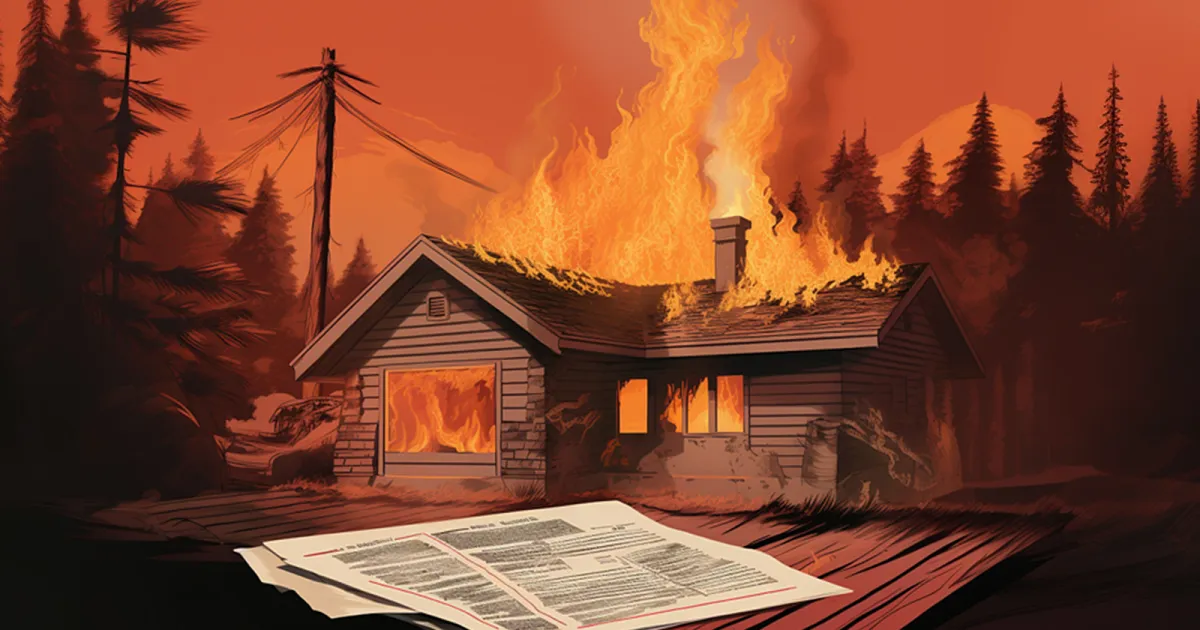
Experts warn that climate change-induced extreme weather events are causing a home insurance crisis, with rising premiums and insurers withdrawing from high-risk areas, potentially leading to widespread uninsurability, economic decline, and community destabilization if unaddressed.
U.S. insurers are increasingly refusing to cover properties in high-risk climate zones due to the rising frequency of extreme weather events, leading to a surge in nonrenewals, especially in states like California and Florida. This trend is causing a broader insurance crisis, impacting mortgage access, property values, and community resilience, with the government beginning to intervene to manage risks and support affected areas.
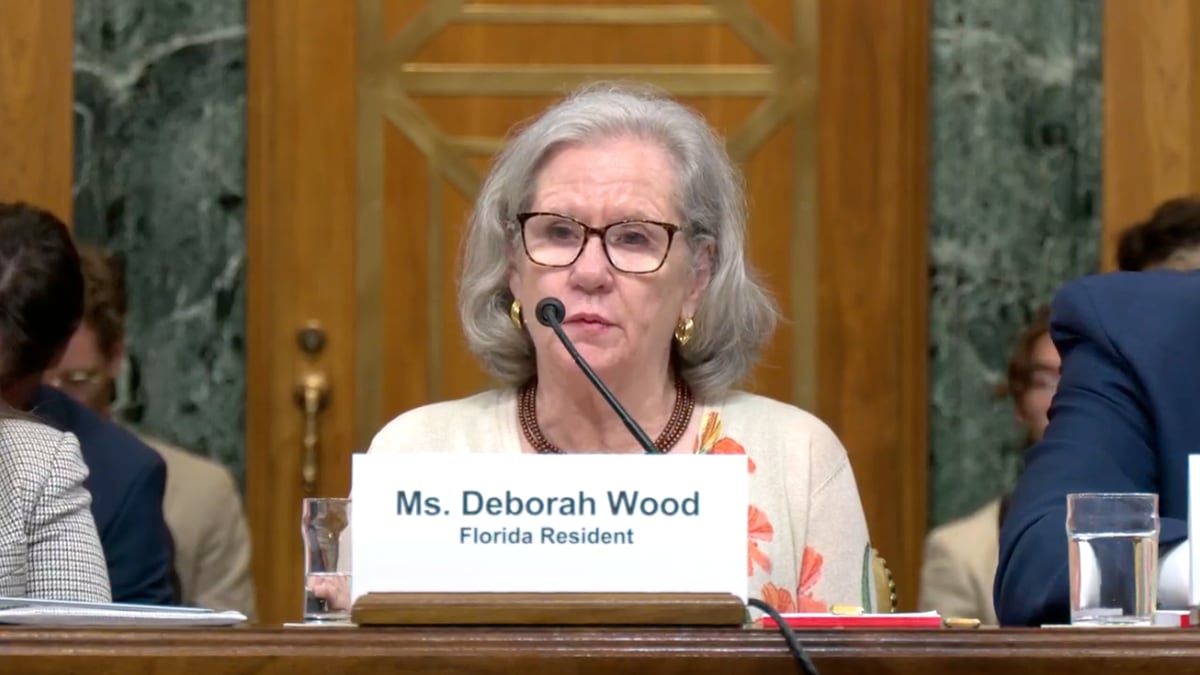
The U.S. Senate Budget Committee debated the causes of the national insurance crisis, with Democrats blaming climate change and Republicans citing high government spending and inflation. Florida, facing increased hurricane threats, sees national insurers dropping plans or raising prices, leaving many residents uninsured or turning to state-backed Citizens Property Insurance. The My Safe Florida Home program will offer grants to help homeowners fortify their homes against storms, potentially lowering insurance premiums.
Florida's insurance crisis, marked by skyrocketing premiums and insurer instability, was highlighted in a Senate Budget Committee hearing. Experts and homeowners testified about the impact of climate change and other factors on the state's insurance market, warning that similar issues could spread nationwide. Disputes arose over the causes, with some attributing the crisis to climate change and others to inflation and litigation. The hearing underscored the need for better data and future planning to address the growing insurance challenges.
Two more insurance companies, Tokio Marine America Insurance Co. and Trans Pacific Insurance Co., both owned by Tokio Marine Holdings Inc., are ending property insurance coverage in California, impacting over 12,500 policyholders. This adds to the growing list of insurers fleeing the state, leaving homeowners facing loss of coverage and surging premiums. California's insurance commissioner has called it "a real crisis," as seven of the 12 largest insurance groups in the state have either paused or restricted new homeowner policies in the past year.
State Farm General Insurance will not renew 72,000 homeowner insurance policies in California, citing the need to maintain adequate claims-paying capacity and comply with financial solvency laws. The decision has raised concerns about the company's financial situation and comes amid a statewide insurance crisis, with thousands of property owners struggling to find affordable coverage. The lack of options has led many to turn to the FAIR Plan, putting a financial strain on the state insurer. Insurance Commissioner Ricardo Lara has proposed new rules to address the crisis, aiming to align insurance rates with risk and provide coverage for more homes in high-risk areas.
Enrollment in California's FAIR Plan, the state's last-resort insurance option, is surging as traditional insurers scale back coverage due to climate change-related risks, prompting concerns about the plan's financial stability. The plan, funded by insurers doing business in California, has seen a record increase in policyholders and now faces a total risk exposure of $311 billion. State officials are grappling with an insurance crisis, with major companies dropping customers in areas prone to wildfires, flooding, and hurricanes. Proposed regulations aim to modernize the insurance marketplace by allowing insurers to use catastrophe modeling that accounts for climate change impacts, but consumer advocates argue that this could limit transparency and lead to price-gouging.
California is facing an insurance crisis as many customers are being dropped by their insurance companies, leading to increased rates and policies being canceled. Homeowners and drivers are finding it difficult to obtain coverage, with some experiencing significant premium increases. Insurance companies are pulling out of the state, making it harder to find policies, and regulators are allowing rate hikes, exacerbating the situation.
The ongoing insurance crisis in Florida, driven by the departure of major insurers and increased risk of extreme weather events, could lead to a downturn in the state's real estate market. With homeowners paying the highest insurance premiums in the country, the unaffordable cost of home insurance risks leaving residents without coverage and unable to secure mortgages, potentially leading to a statewide decline in the housing sector. The exodus of insurers and lack of affordable policies have forced many residents to consider going without coverage, while experts warn of a significant negative impact on the real estate market, particularly for first-time homebuyers and retirees on fixed incomes.
California Insurance Commissioner Ricardo Lara finds himself at the center of the country's biggest insurance crisis as insurers, including Allstate, State Farm, and Farmers Insurance, stopped or restricted new home-insurance business after Lara blocked their rate increases. Lara had campaigned on the risk of climate change, which insurers tried to address through rate hikes and coverage reductions.
Auto glass shops in Florida are engaging in a scheme that involves offering free windshield replacements to car owners, only to send exorbitant bills to insurers after the repair is made. Lawyers then sue the insurance companies for payment, resulting in skyrocketing insurance rates across the state. This practice, unique to Florida, has led to over 46,000 auto glass lawsuits being filed in 2023 alone. The state's high insurance costs are attributed to the burgeoning industry of "unscrupulous" auto glass shops and lawyers. Recent laws have been passed to address the issue, but lawsuits continue to be filed.
California's insurance crisis, driven by wildfire risk, high construction costs, and a challenging regulatory environment, is exacerbating the state's already dire housing affordability problem. Home insurers are retreating from California, making it difficult for ordinary people to find affordable coverage. Insurance premiums have more than doubled in recent years, and homeowners are often required to make costly upgrades to secure comprehensive coverage. The lack of insurance options may also limit where people can live, driving up housing costs in more affordable, rural areas. The insurance crisis is particularly concerning for lower to moderate-income individuals, who are largely shut out of homeownership. Experts suggest that the state government needs to take decisive action to resolve the crisis and allow insurers to charge appropriate rates to improve availability and affordability.
Former President Donald Trump criticized Florida Governor Ron DeSantis, calling him "disloyal" and urging him to address the state's housing and insurance crises. Trump targeted DeSantis in several videos posted on his social media platform, highlighting the need to lower insurance rates and criticizing his likeability. The comments come as Florida faces a growing housing and insurance crisis, with major insurance companies reducing coverage due to increased hurricane risk. Recent polling shows Trump with higher GOP support than DeSantis.
AAA is the latest company to end certain homeowner insurance policies in Florida, joining a growing list of insurers withdrawing from the state. The insurance crisis in Florida is largely manmade, fueled by frivolous lawsuits and fraudulent claims. A 2017 Supreme Court ruling opened the door for roofing scams and claim litigation, leading to insolvency for local insurers and higher premiums or fewer policy offerings for national insurers. Florida homeowners already pay higher premiums than the national average, and the supply shortage and litigation are driving costs even higher. As a result, more homeowners are opting to go without insurance or enrolling in the state-backed insurer, Citizens Property Insurance Corporation, which is taking on more risk than it can fund.