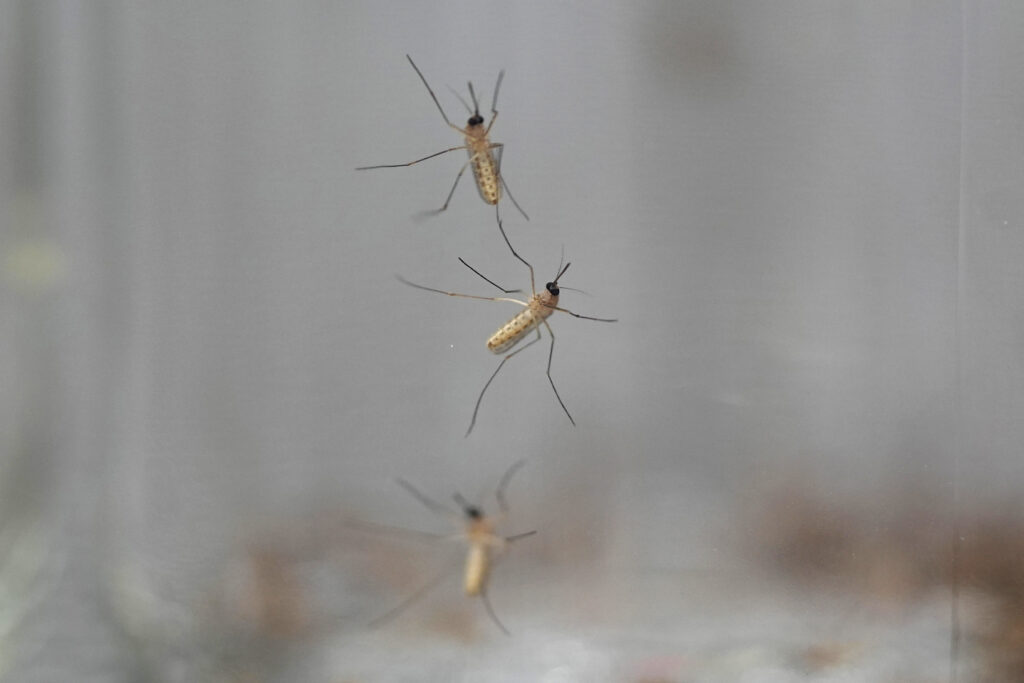
As mosquito season begins in the U.S., the CDC recommends using repellents with DEET, IR3535, picaridin, or oil of lemon eucalyptus to protect against bites and diseases like malaria and Zika. Additional preventive measures include wearing long sleeves, avoiding peak mosquito activity times, eliminating standing water, and treating clothes with permethrin. The CDC tests insecticides in a Fort Collins lab to monitor effectiveness and resistance, noting that mosquitoes can develop resistance to chemicals like pyrethroids.
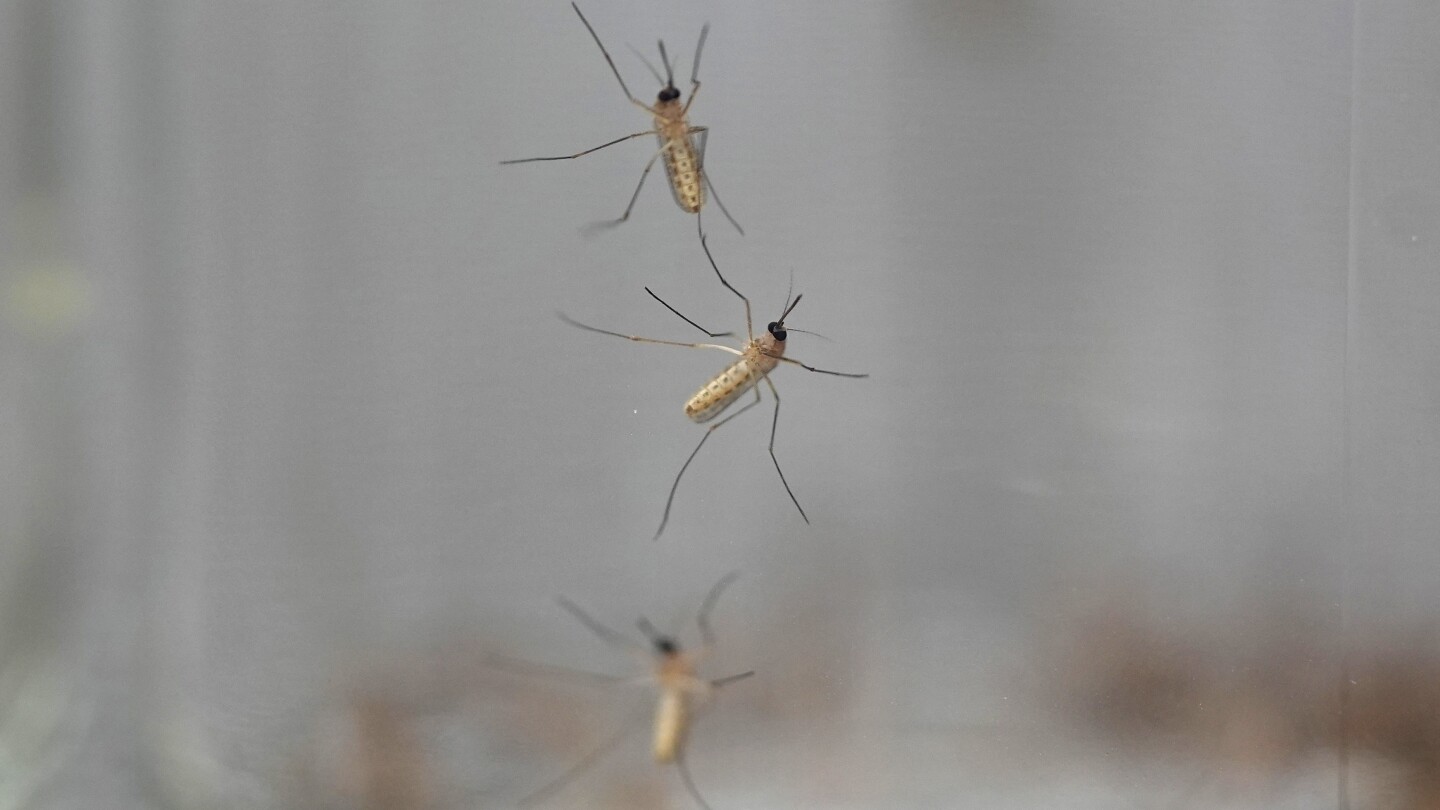
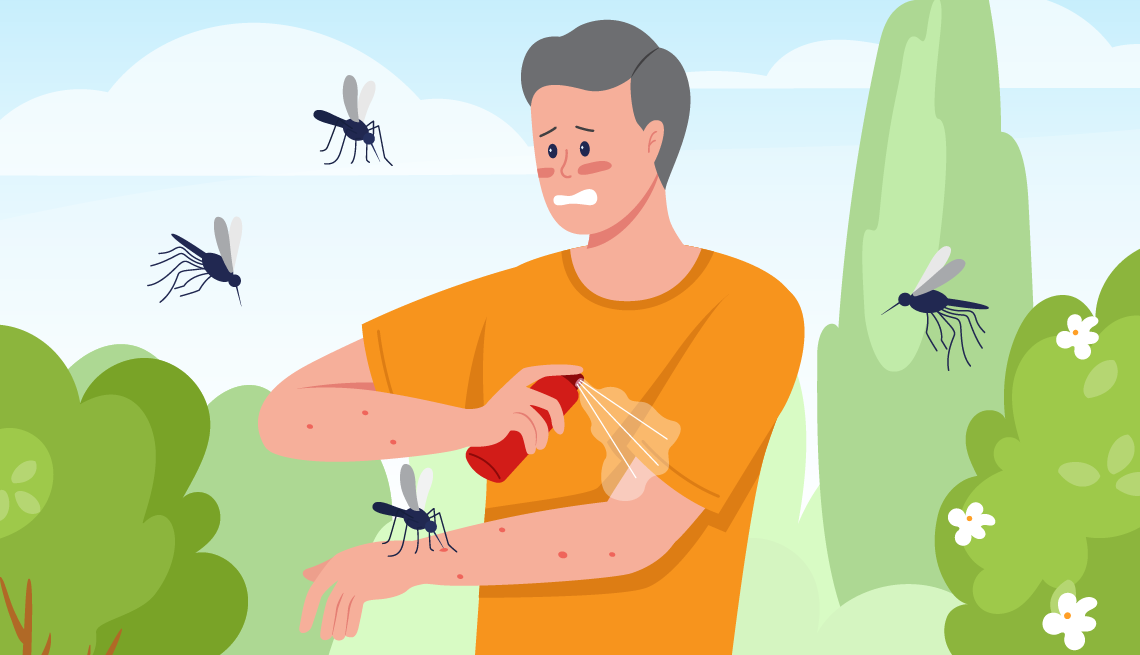
As mosquito season begins in the U.S., the CDC recommends using repellents with DEET, IR3535, picaridin, or oil of lemon eucalyptus to prevent bites and diseases like malaria and Zika. Additional measures include wearing long clothing, avoiding peak mosquito activity times, eliminating standing water, and treating clothes with permethrin. The CDC tests insecticides for effectiveness, but mosquitoes are showing resistance to some chemicals, necessitating ongoing research and field testing.
Two new types of mosquito bed nets, treated with dual insecticides, have been found to reduce malaria transmissions by 20% to 50% in 17 African countries, offering hope in combating the disease amid increasing resistance to traditional prevention methods. The Global Fund and Unitaid funded the trials, with the new nets expected to be rolled out at scale in the participating states and beyond, potentially saving countries millions of dollars. This development comes as the rollout of the first malaria vaccine has begun in Cameroon, with 19 other African countries expected to introduce the vaccine this year.
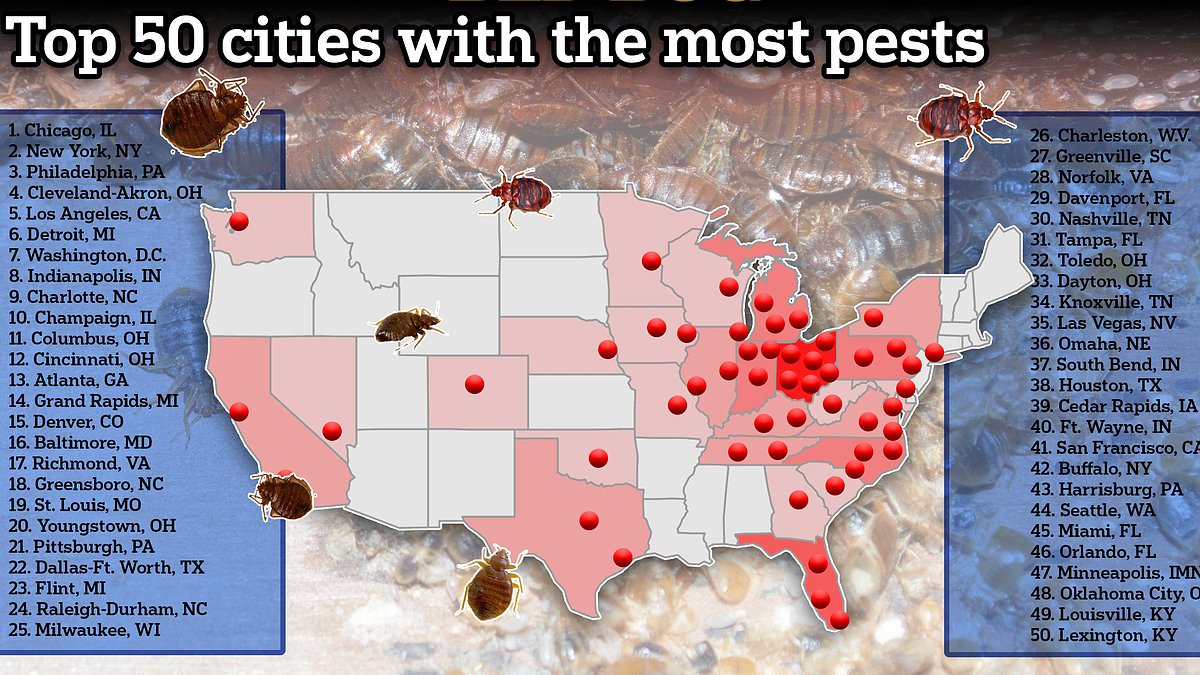
A new species of bed bug, Cimex hemipterus, known as the tropical bed bug, is invading the US and other countries, showing resistance to insecticides and the ability to evade traps. Outbreaks of the pest are on the rise in 50 countries, with Chicago, New York, and Philadelphia experiencing the most infestations. The insects have spread to colder areas and may carry and transmit harmful diseases. Infestations are difficult to treat, and experts are exploring alternative strategies such as heating rooms to eliminate the bugs.
Parks Canada is using new tools, including insecticides sprayed on the bark of hemlock trees, to combat the threat of the invasive hemlock woolly adelgid and save Kejimkujik's hemlocks in Nova Scotia. Previously, only injected insecticides were used, which took longer per tree.
Mosquitoes, the deadliest creatures on Earth, are posing a growing public health threat as progress in combating them has reversed in recent years. Insecticides that were once effective have become less so as mosquitoes have evolved to survive them. Malaria cases and deaths, which had been declining, are now on the rise again. The United States has even seen its first locally transmitted cases of malaria in 20 years. The situation is becoming more challenging due to climate and environmental factors. Despite previous progress, malaria deaths have increased, reaching 620,000 in 2021. Efforts are underway to develop new insecticides and innovative delivery methods to combat this ongoing threat.
Mosquitoes are becoming a growing public health threat as progress in the fight against them has reversed in recent years. The insecticides used to protect against mosquitoes have become less effective as the insects have evolved to survive them. Climate change has also brought mosquitoes carrying diseases like dengue and chikungunya to new areas. Mosquitoes are highly adaptable and have developed resistance to insecticides, while the malaria parasite itself is increasingly resistant to drugs. Efforts to develop new solutions have been hindered by cost and regulatory hurdles, and funding levels have plateaued. There is an urgent need for new methods to protect against all mosquitoes and the diseases they carry.
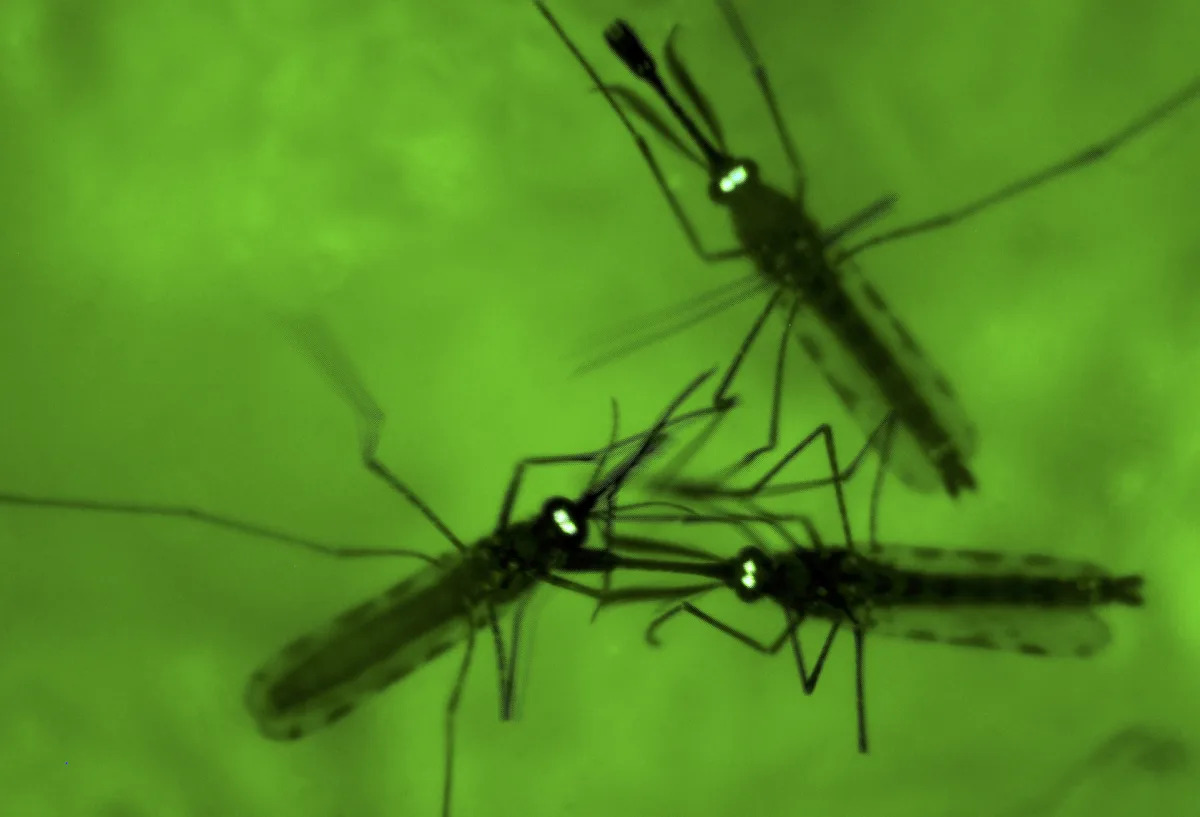
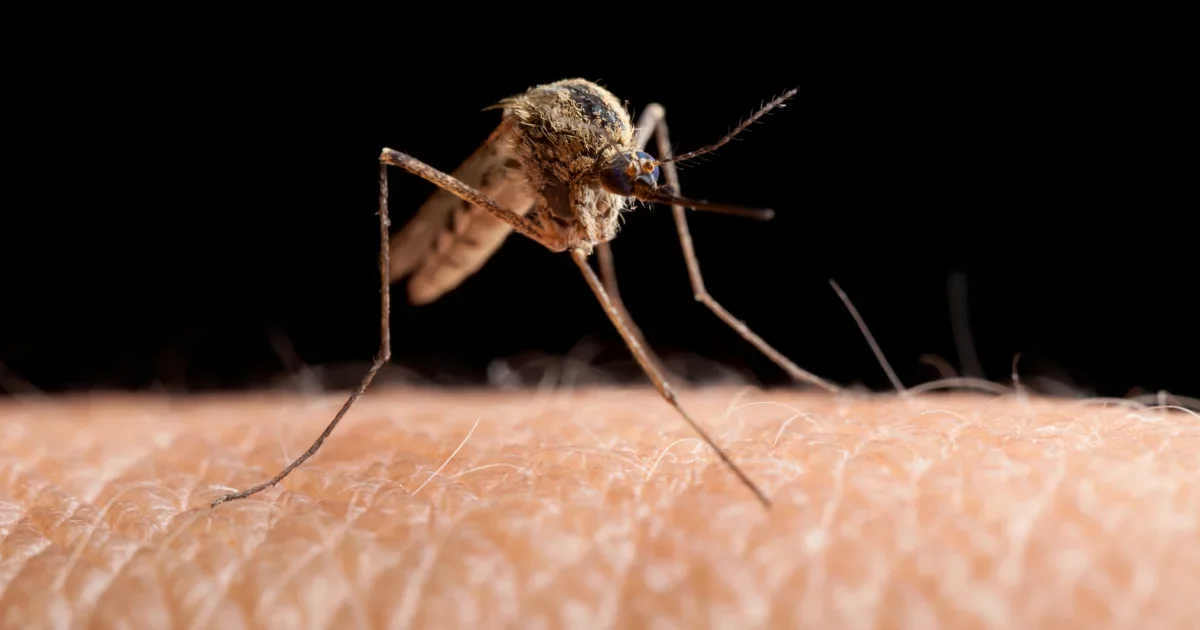
Mosquitoes that carry West Nile virus are becoming increasingly resistant to insecticides, according to the Centers for Disease Control and Prevention (CDC). The combination of a wet season and intense heat waves has led to a significant increase in mosquito populations, particularly the Culex species that spreads West Nile virus. The CDC's primary concern is the rising resistance of these mosquitoes to insecticides, which are commonly used to control their populations. While there have been 69 human cases of West Nile virus in the US so far this year, experts expect a steady increase in disease cases over the next few weeks. It is crucial to use effective repellents and take preventive measures, such as eliminating standing water, to protect against mosquito bites.
Mosquitoes are a nuisance and can transmit serious diseases, but there are ways to repel them. Bathing with coconut-scented soap, wearing permethrin-treated clothing, switching up your wardrobe to avoid preferred colors, using insect repellent containing DEET, and lawn treatments are effective ways to keep mosquitoes at bay. Citronella candles and plants, ultrasonic devices, and vitamin B12 supplements are not effective in repelling mosquitoes.
A new study has found that Wolbachia, a type of bacteria commonly found in insects, is present in four out of 16 cockroach species across three families. Researchers hope that further study may lead to new management methods for pest cockroach species, potentially using Wolbachia as a tool for urban insect management instead of relying on conventional insecticides. Wolbachia can manipulate the reproductive biology of its insect host, and the type of manipulation depends on the strain found in an insect.
German cockroaches have developed a "sensory conflict" called glucose aversion to avoid insecticides that use glucose to attract and kill them. However, glucose is also a key component in the mating process, as male roaches offer females a sugary secretion called maltose during courtship. To overcome this issue, male roaches have started producing more maltotriose, which is more resistant to glucose aversion, and they also start the mating process faster before the female can leave. Scientists say this is an example of compensatory behavioral evolution and that the origin of the trait is likely due to human imposition, such as insecticide bait.