Tag

Brain Microbiome

All articles tagged with #brain microbiome

health1 year ago

Exploring the Brain Microbiome's Role in Dementia Prevention

Recent research suggests that the brain may host its own microbiome, similar to the gut, and that infections affecting this microbiome could contribute to dementia and Alzheimer's disease. Studies have linked microbial infections, such as those caused by Borrelia burgdorferi and Cryptococcus neoformans, to cognitive decline. The presence of amyloid plaques, traditionally associated with Alzheimer's, might actually be a response to brain infections. Further research is planned to explore the role of the brain microbiome in neurodegenerative diseases.
science1 year ago

Exploring the Possibility of a Human Brain Microbiome

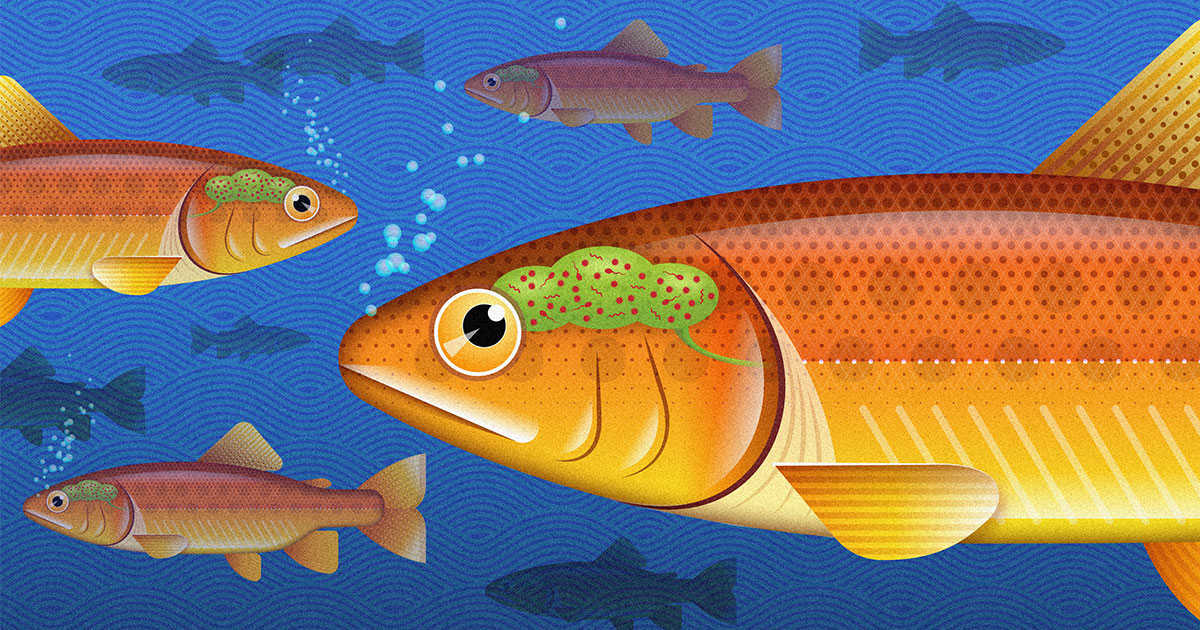
Recent research has discovered a microbiome in the brains of fish, suggesting the possibility of a similar microbiome in humans. This challenges the long-held belief that the human brain is free of microbes due to the protective blood-brain barrier. The study found bacteria in the brains of salmon and trout, raising questions about their role in neurobiology and whether they could exist in human brains. While the idea remains controversial, it opens new avenues for understanding brain physiology and the potential influence of microbes on human health.

health1 year ago

Exploring the Brain Microbiome's Role in Dementia Prevention

Recent research suggests that infections in the brain microbiome may be a significant, treatable cause of dementia, including Alzheimer's disease. Studies have found that certain bacterial, fungal, and viral infections can lead to cognitive decline, but treating these infections can reverse symptoms. The Alzheimer's Pathobiome Initiative is exploring the role of brain microbes in dementia, aiming to develop diagnostic and preventive measures. Vaccines and good hygiene may help protect against these infections, potentially reducing dementia risk.

neuroscience1 year ago

"Does the Brain Host Its Own Unique Microbiome?"

Recent research suggests the brain might host its own microbiome, challenging the belief that it is sterile. Studies have found bacterial and fungal genetic material in brain tissues, particularly in those with Alzheimer’s, potentially linking the brain microbiome to diseases and offering new treatment avenues. However, much remains unknown about how microbes enter and affect the brain.

health2 years ago

Uncovering the Link Between Brain Pathobiome, Infections, and Metabolic Health in Alzheimer's Development

New research suggests that the development of a pathobiome in the brain could be a contributing factor in Alzheimer's disease and related dementias. Brain samples from Alzheimer's-affected individuals showed significantly different bacterial profiles compared to non-affected individuals, indicating that specific bacterial sets in the brain could be predictors of the disease. These unique bacterial profiles were also found in brains affected by ALS, suggesting potential implications for other neurological disorders. The findings challenge the long-held "amyloid cascade hypothesis" and support a new "pathogen hypothesis" that focuses on bacterial, fungal, and viral factors in Alzheimer's development. Further research is needed to understand the role of the brain microbiome and its impact on neurodegenerative diseases.