The article explores the history and cultural significance of lace, from its origins as a labor-intensive luxury symbol to its modern production through machine manufacturing, highlighting its role in fashion, craftsmanship, and cultural identity.
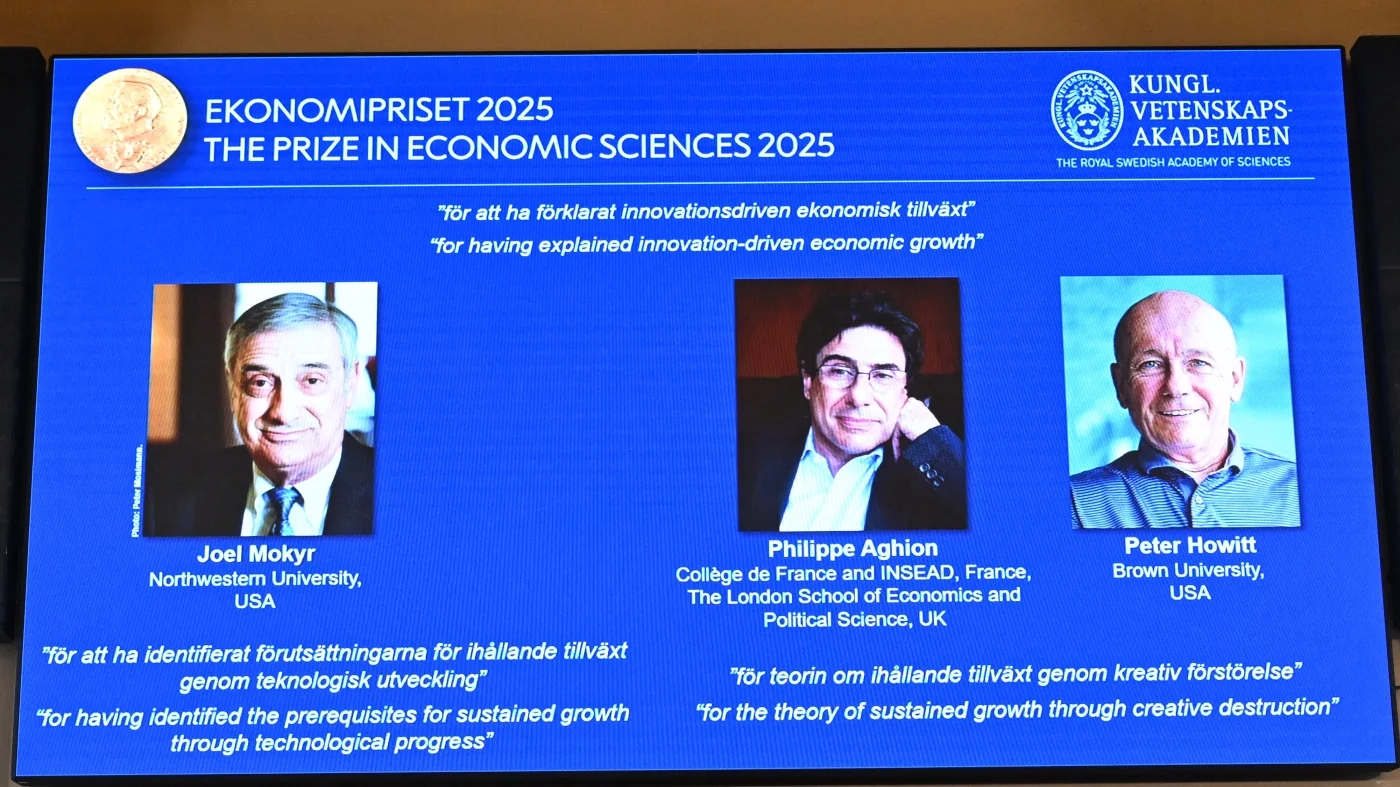
Joel Mokyr was awarded the 2025 Nobel Prize in Economics for his research on how science, technology, and the willingness of society to adopt and implement innovations—especially in Britain—sparked the Industrial Revolution and sustained economic growth through creative destruction, emphasizing the importance of technological progress and adaptable institutions for future growth.
Human activity has significantly accelerated CO2 emissions, risking a sixth mass extinction by overwhelming Earth's natural carbon cycle, similar to past catastrophic events like the Permian extinction. Urgent action to reduce emissions and adopt sustainable practices is crucial to prevent irreversible environmental collapse.
Nvidia CEO Jensen Huang argues that AI will create more and better jobs, contrasting with Anthropic CEO Dario Amodei's warning of significant white-collar job losses, emphasizing that history shows increased productivity leads to new opportunities and job transformation rather than elimination.
Computer scientist Binny Gill argues that the pursuit of artificial general intelligence (AGI) is misguided and instead advocates for the development of artificial narrow intelligence (ANI) by offloading mental labor, similar to how the industrial age offloaded manual labor. Gill believes that even if machines achieve superhuman abilities, human oversight will still be necessary to make ethical decisions, likening it to needing an "Iron Man inside the suit."
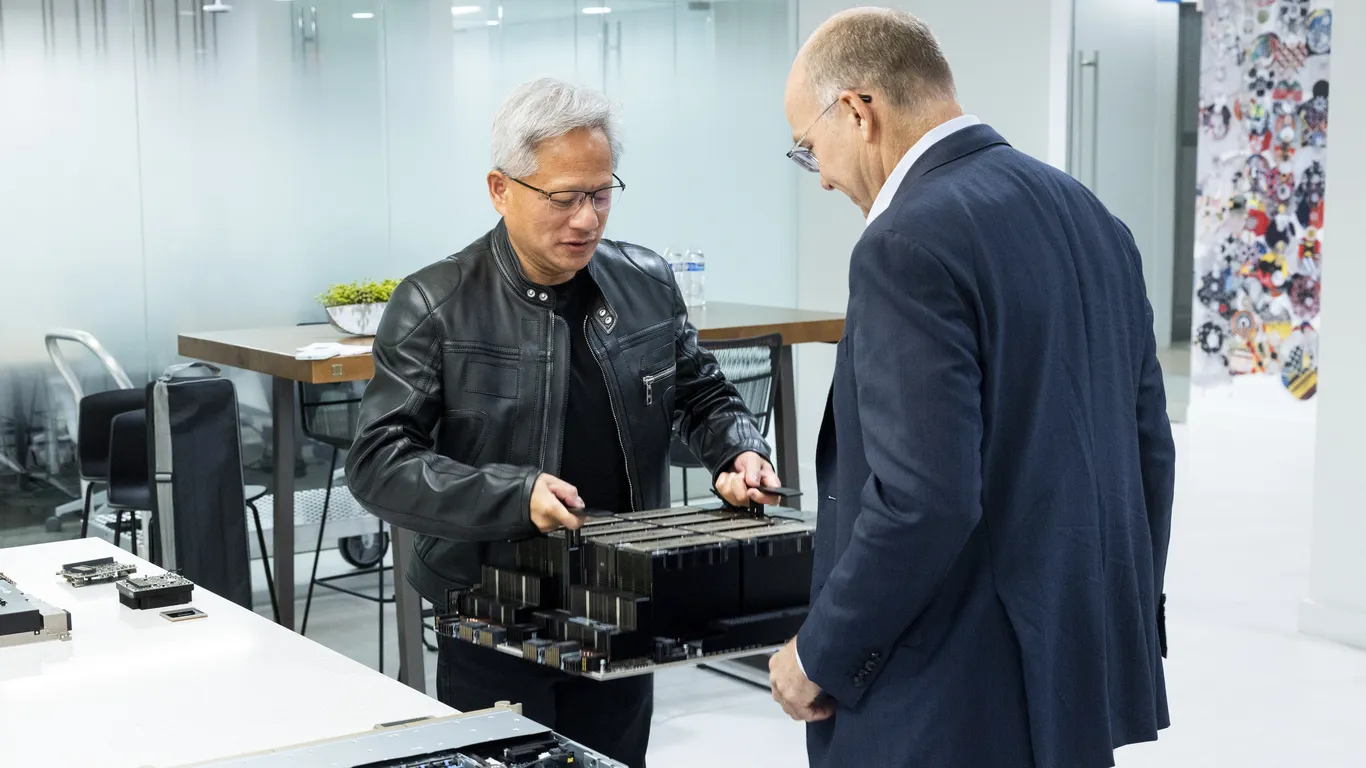
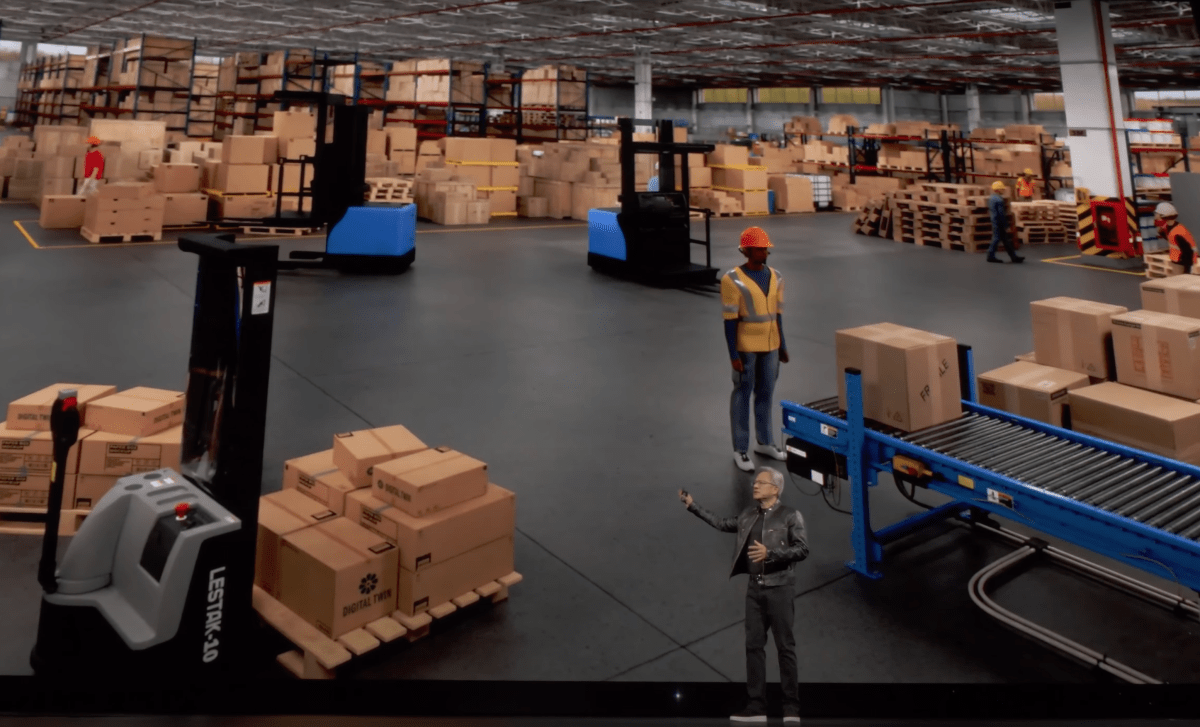
Nvidia CEO Jensen Huang advocates for a shift in mindset from viewing data centers as cost centers to seeing them as "AI factories" that generate value through the transformation of data and electricity into valuable tokens. He compares this to the Industrial Revolution and emphasizes the potential for companies to profit from the new world of generative AI. This perspective aligns with Nvidia's interests in promoting the adoption of AI tools and technologies.
CNBC's Jim Cramer believes that Nvidia will lead the next industrial revolution with its enterprise-focused technology, despite its less apparent market value compared to consumer-oriented tech giants. Cramer emphasized the company's potential to speed up processes, drive innovation, and reduce costs across various sectors. He expressed confidence in Nvidia's CEO and the transformative power of AI, likening it to past revolutionary technologies.
Despite the flexibility and design possibilities in The Legend of Zelda: Tears of the Kingdom, the game's building mechanics have limitations that prevent the realization of a full-scale "industrial revolution" in Hyrule. Players have showcased impressive machines and structures on TikTok, but they still face restrictions such as object positioning and component limits. The game's hardware capabilities and memory limitations also pose challenges. In comparison, sandbox games like Minecraft offer more freedom and fewer restrictions for complex builds. The developers of Tears of the Kingdom prioritized simplicity and accessibility, aiming to provide players with options and freedom without overwhelming complexity. While the game may not fulfill the expectations of an industrial revolution, it still offers enjoyable building experiences within its defined boundaries.
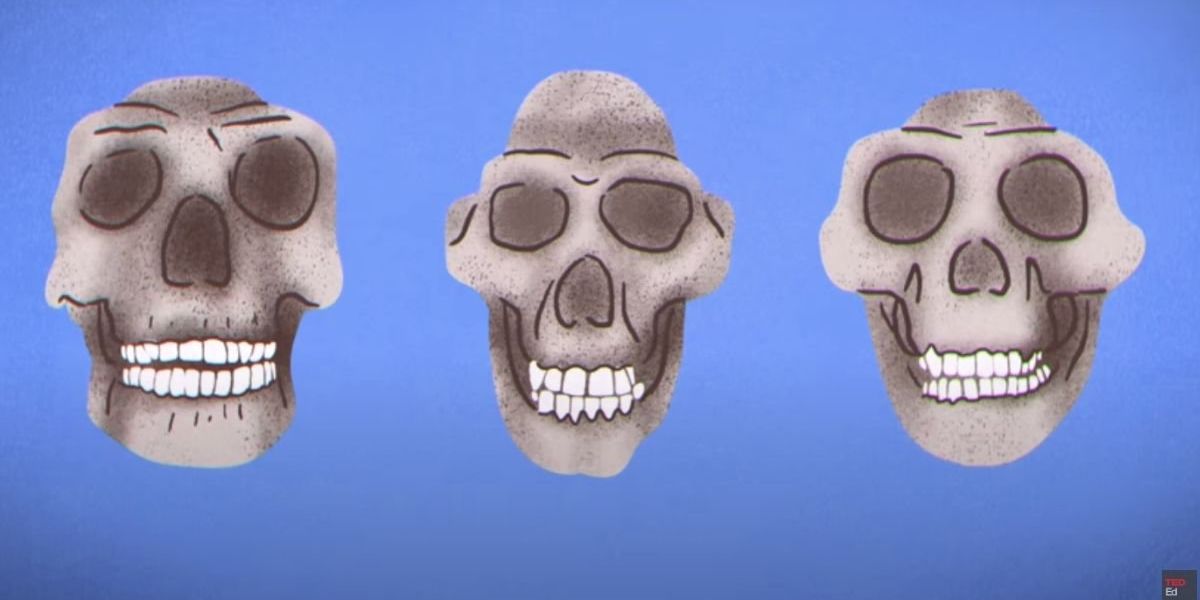
A video from Ted-Ed explains why early humans had naturally straight teeth and we don't. The prevailing theory is that millions of years ago, when humans were hunter-gatherers, their teeth had to work extra hard to grind down seeds, fruit, meat, etc., and make them digestible. When humans began incorporating tools, food was broken down before it even entered the mouth. It only became more refined and easier to chew with the introduction of agriculture, followed by the innovations of the Industrial Revolution. Over time, jaws have reduced in size much more quickly than our teeth have, leading to overcrowding and some unique dental arrangements.