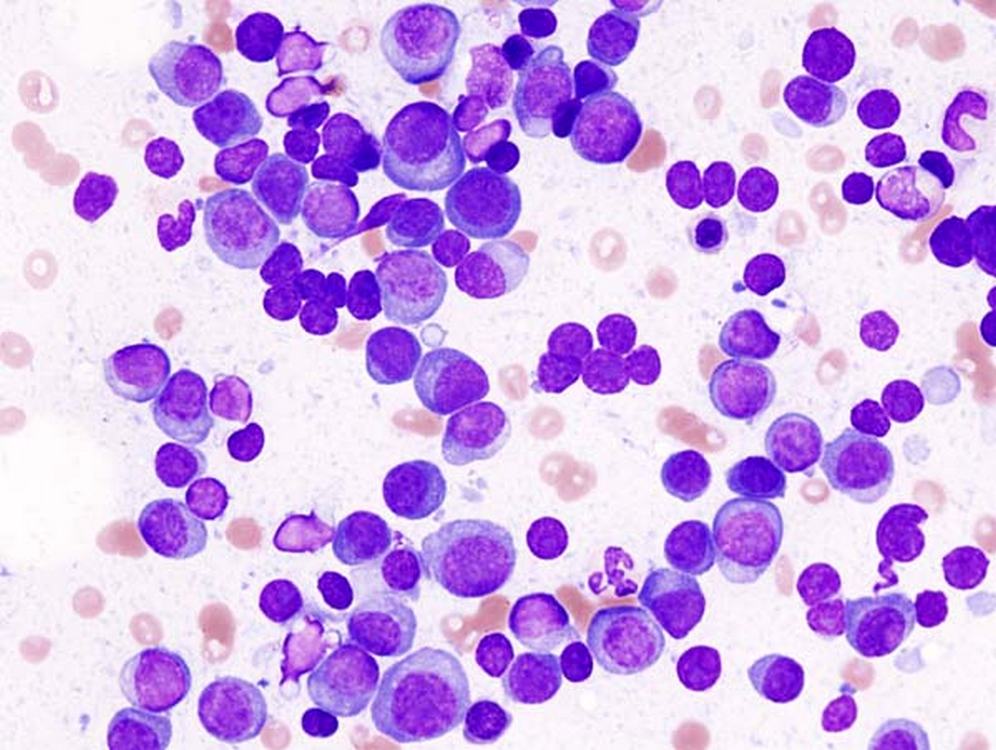
Scientists have successfully engineered cancer-fighting T-cells inside patients' bodies for the first time, potentially making CAR T-cell therapy faster, cheaper, and more accessible for treating multiple myeloma, with promising early results and manageable side effects.
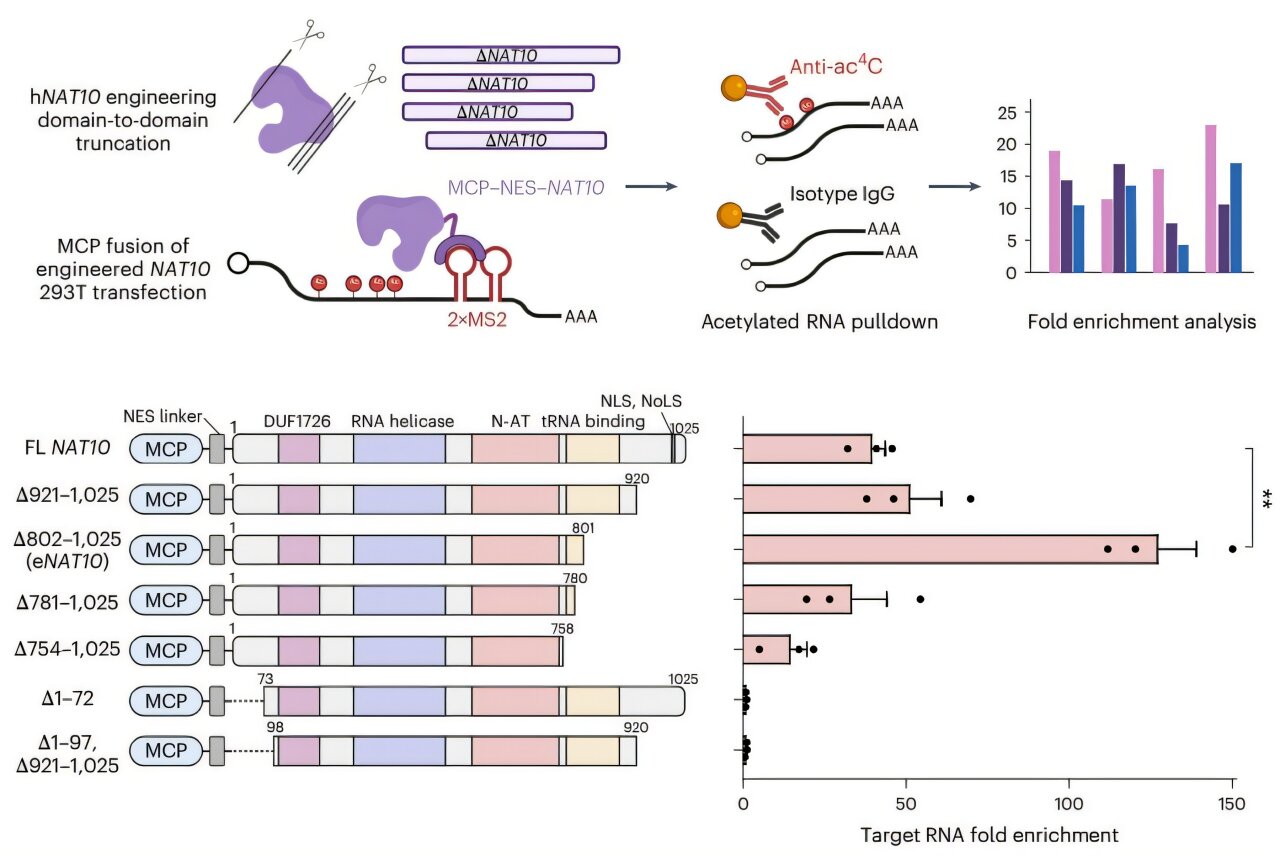
KAIST researchers developed a precise RNA modification technology using CRISPR-Cas13 and a hyperactive NAT10 variant, enabling targeted acetylation of specific RNAs in living cells and animals, which could advance RNA-based therapies and gene regulation research.
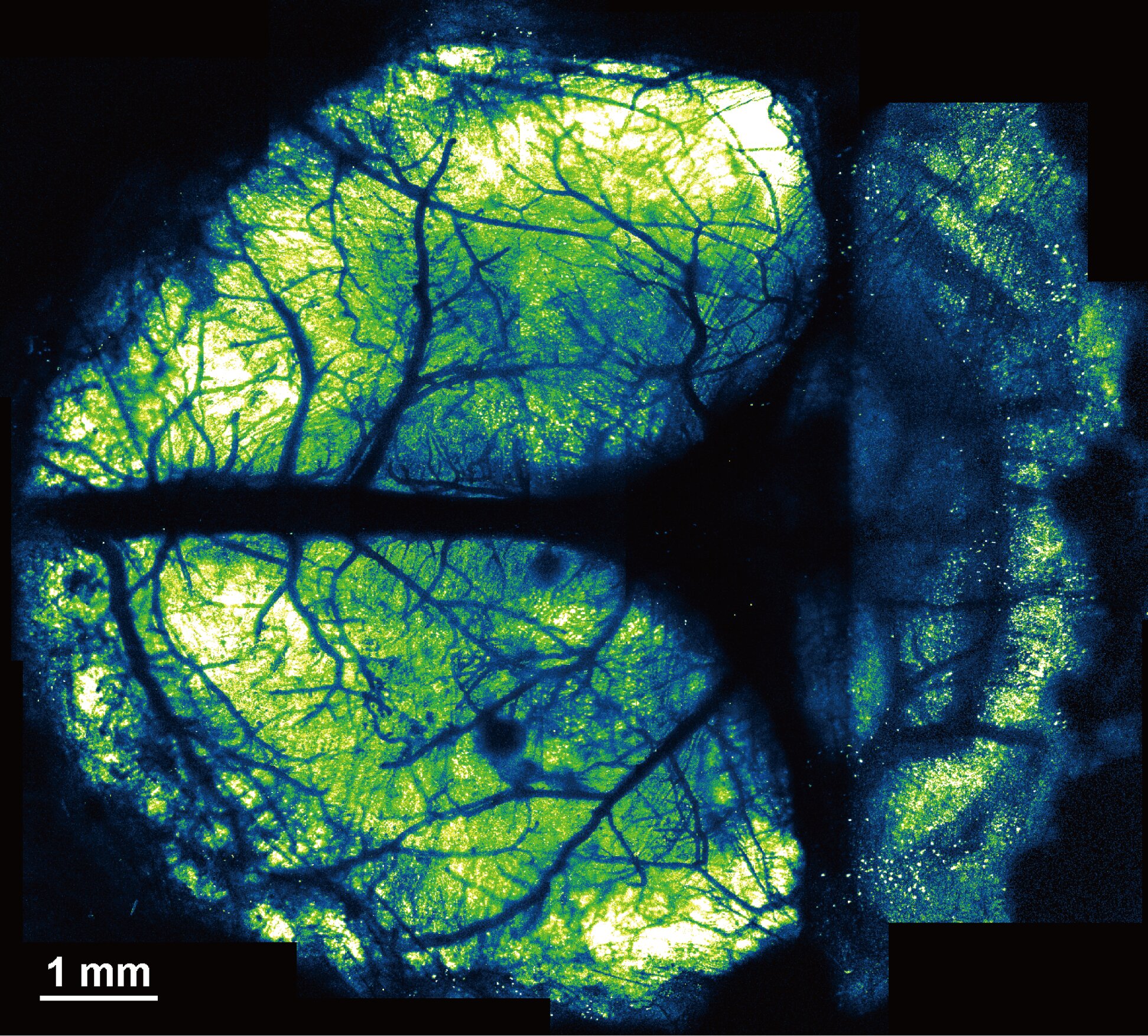
Researchers have developed a new method called the "nanosheet incorporated into light-curable resin" (NIRE) method for in vivo brain imaging, allowing for large-scale and long-term observation of neuronal structures and activities in awake mice. This method utilizes fluoropolymer nanosheets covered with light-curable resin to create larger cranial windows, enabling high-resolution imaging with sub-micrometer resolution and minimal impact on transparency for over 6 months. The NIRE method provides a powerful tool for investigating neural processes associated with growth, development, learning, and neurological disorders, offering new opportunities to enhance our understanding of the brain's complexity and function.
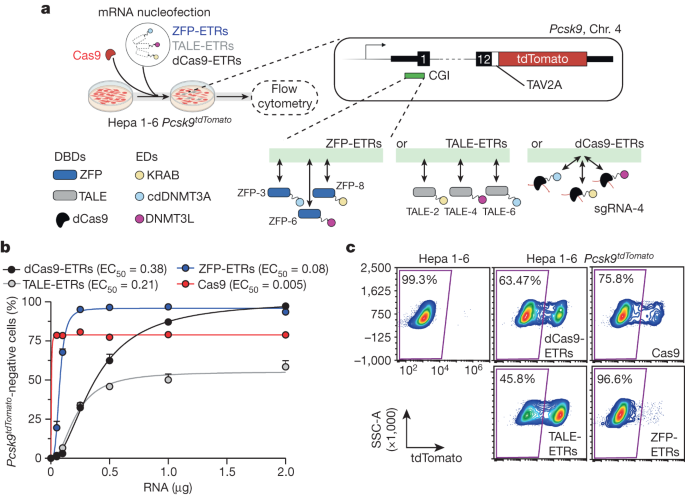
Researchers have developed a hit-and-run epigenome editing strategy for durable and efficient gene silencing in vivo, using ZFP-based engineered transcriptional repressors (ETRs) to target the Pcsk9 gene in mice. The ZFP-based ETRs induced stable and specific epi-silencing of Pcsk9, resulting in reduced circulating levels of PCSK9 and LDL-associated cholesterol. The study also demonstrated the durability of epigenetic silencing even after active cell replication, paving the way for potential clinical applications of the epi-silencing technology.
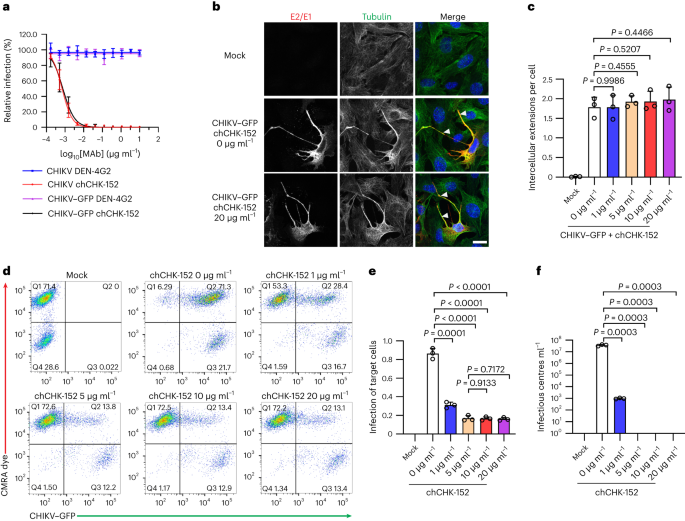
A study has found that the Chikungunya virus can be transmitted between cells through intercellular extensions, both in laboratory settings and in living organisms. These extensions, which physically connect infected and uninfected cells, facilitate the spread of the virus. The findings provide insights into the mechanisms of Chikungunya virus transmission and could potentially inform the development of intervention strategies.
Researchers have demonstrated high-efficiency, therapeutically-relevant prime editing in vivo in mice with a dual-AAV system, demonstrating prime editing in the mouse brain and liver by installing putative protective mutations in vivo for Alzheimer’s disease in astrocytes and for coronary artery disease in hepatocytes, respectively. The study opens the door to creating a wide variety of prime editing therapies, which will allow a much larger number of diseases and groups of patients to be addressed than has been before with editing technologies.