
Base editing reverses CHD3-linked neurodevelopmental defects in mice
TL;DR Summary
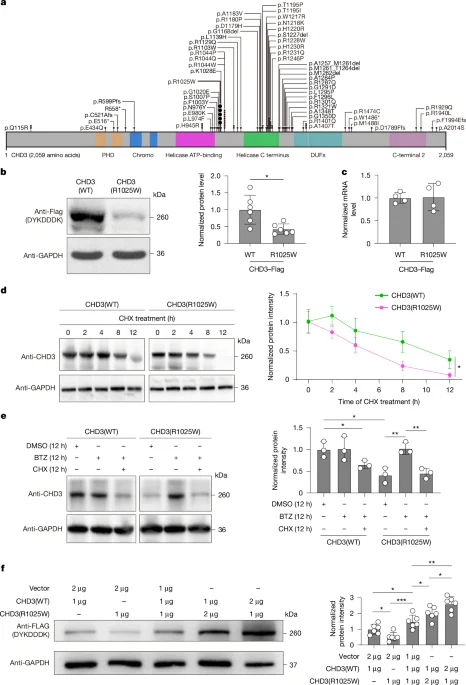
Researchers created a humanized CHD3 R1025W mouse model of SNIBCPS and used a TadA-embedded adenine base editor delivered by dual AAVs to correct the pathogenic A•T base pair in the brain, restoring CHD3 protein levels and rescuing social, cognitive, and motor deficits; supplementary nonhuman primate work showed widespread neuronal transduction, supporting translational potential for CHD3-related neurodevelopmental disorders.
Reading Insights
Total Reads
0
Unique Readers
0
Time Saved
91 min
vs 92 min read
Condensed
100%
18,204 → 57 words
Want the full story? Read the original article
Read on Nature