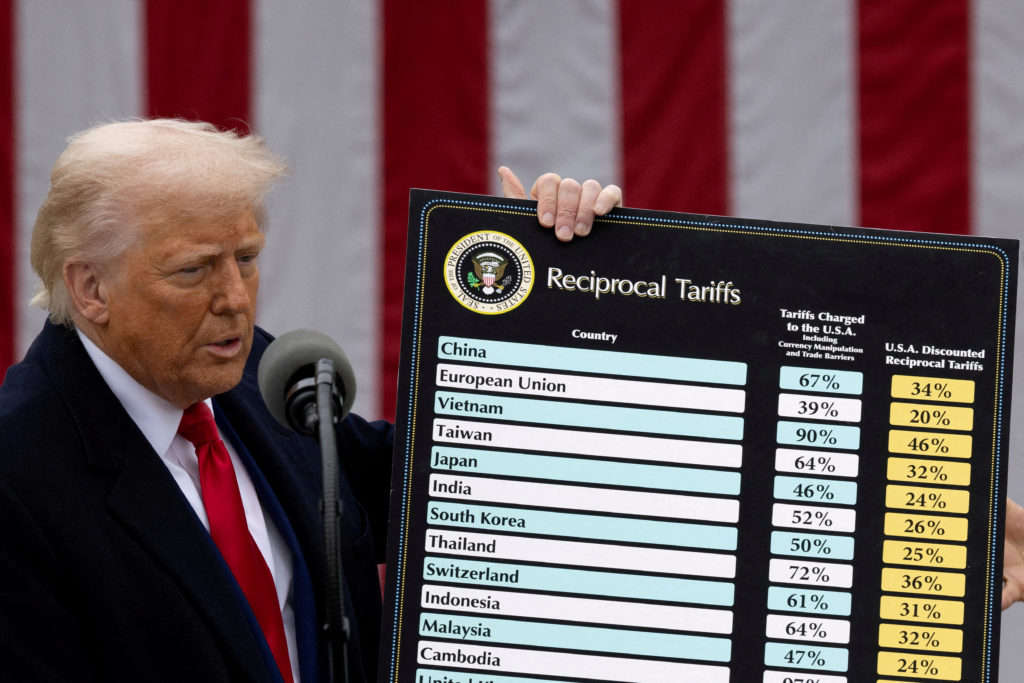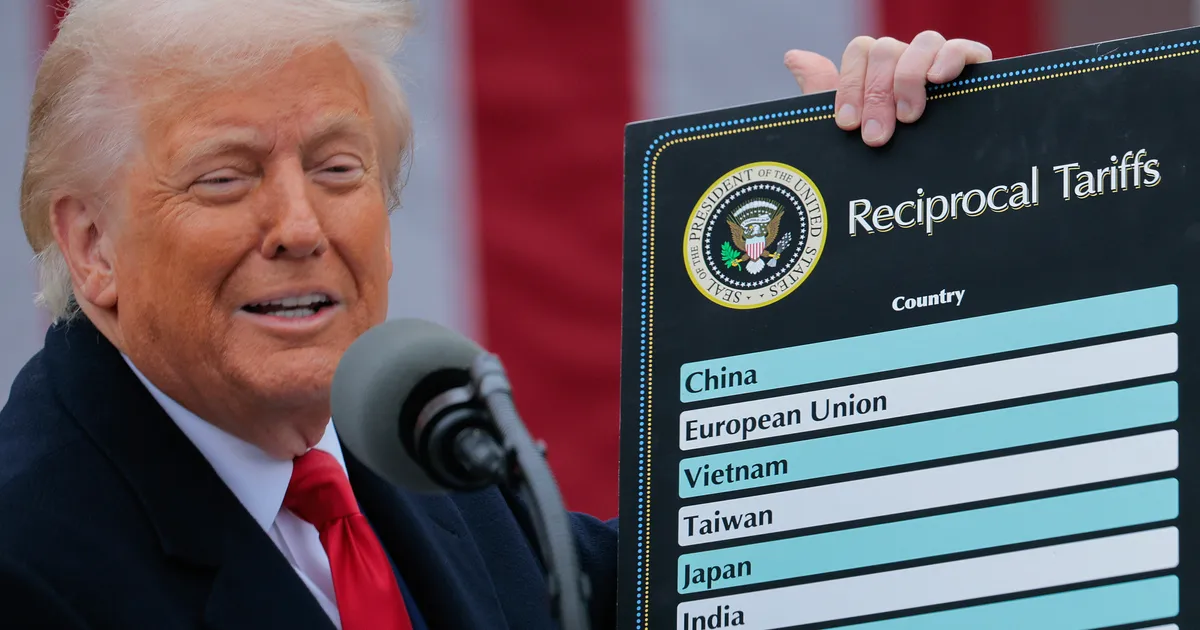
A small business owner in Pittsburgh describes how recent tariffs, especially on fabric imports, have dramatically increased costs, created uncertainty, and threatened the viability of her shop, highlighting the broader impact of trade policies on small retailers and local communities.

US tariffs have unevenly affected holiday prices and shopping behaviors, with some categories like toys and decor seeing price increases due to higher import costs, while consumer confidence and spending have declined amid inflation and economic uncertainty.
US tariffs have unevenly affected holiday prices and shopping behaviors, with some categories like toys and decorations seeing price increases due to higher import costs, while consumer confidence and spending have declined amid inflation and economic uncertainty.
US consumers are experiencing increased costs and logistical challenges due to new tariffs and shipping issues with UPS, especially after the end of a tariff exemption loophole, leading to delays, unexpected bills, and confusion over import regulations.
U.S. companies and consumers are bearing the costs of Trump's new import tariffs, with prices for imported goods rising more than domestic ones, contradicting claims that foreign exporters would pay the price. The tariffs have led to a 4% increase in import prices and a 2% rise in domestic product prices, with foreign exporters passing on some costs due to currency depreciation, impacting inflation and trade dynamics.
Since President Trump's announcement of import tariffs in April, prices for popular goods like toys, TVs, jewelry, coffee, and bananas have increased significantly, contributing to a 2.9% rise in consumer prices by August, with tariffs on imports from China, Switzerland, Brazil, and other countries driving these costs up.
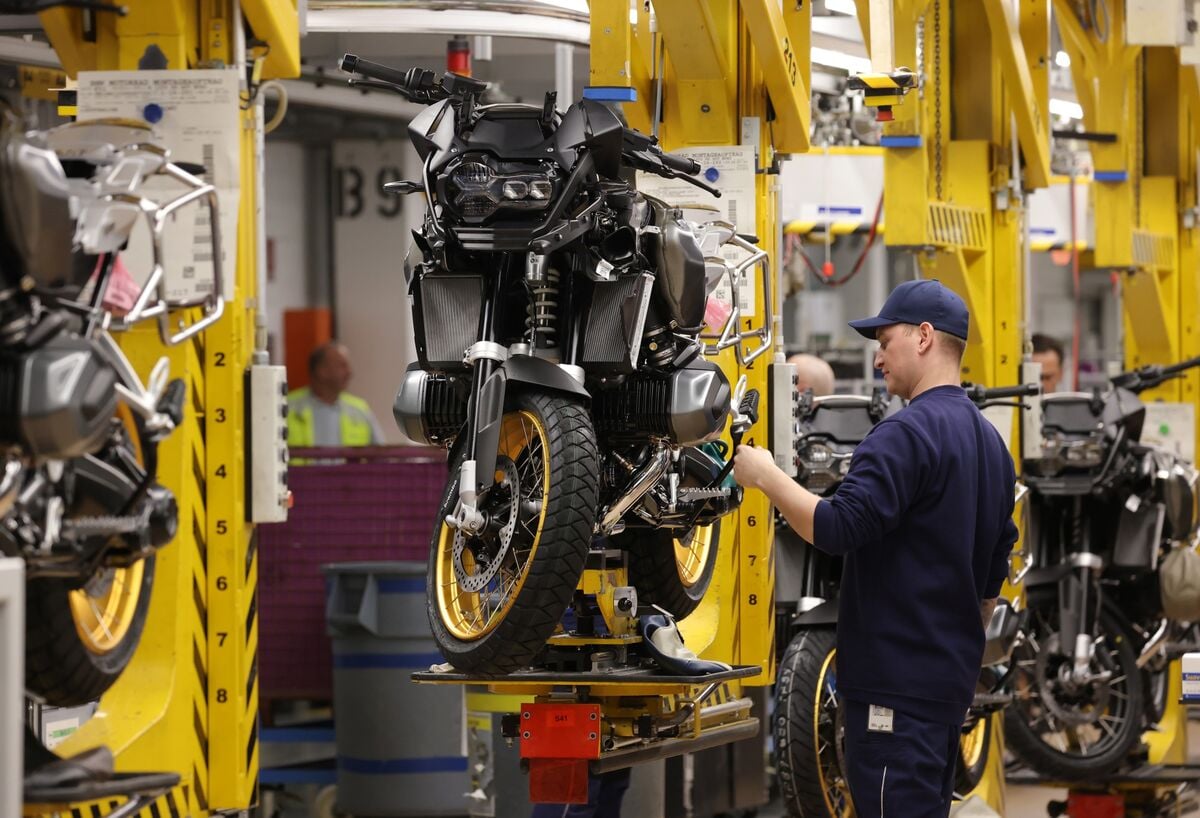
President Trump expanded steel and aluminum tariffs to include over 400 consumer items like motorcycles and tableware, causing surprise and confusion among importers due to short notice and unclear guidance, significantly increasing compliance costs and broadening the scope of trade restrictions.
U.S. wholesale inflation surged in July, driven by Trump’s tariffs increasing import costs, with producer prices rising 0.9% from June and 3.3% year-over-year, signaling potential future increases in consumer prices as businesses may pass on higher costs.
Small US firms face a $202 billion annual tariff burden due to new Trump tariffs, struggling with increased import costs and compliance challenges, which threaten their financial stability and overall economic contribution.
Small US companies are facing a $202 billion annual hit due to new tariffs, struggling with increased costs and red tape, which threaten their viability amid operational uncertainties and economic disruptions.
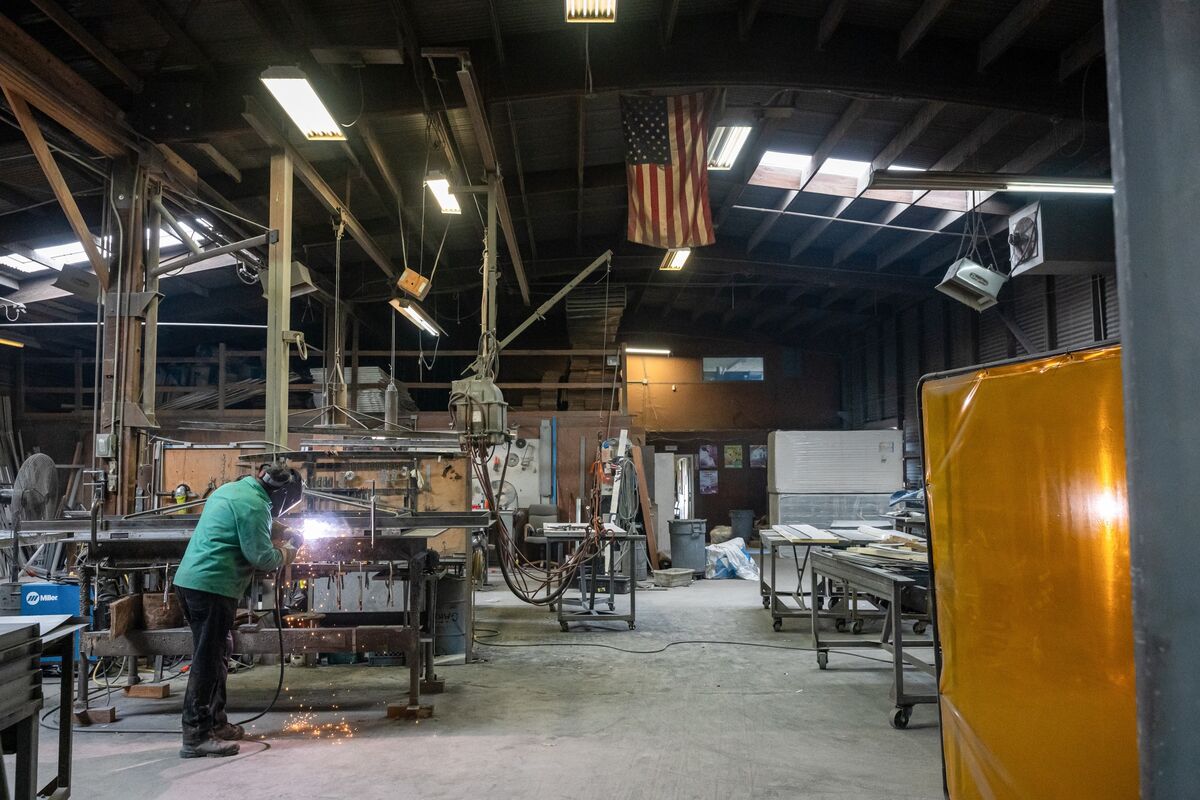
Heritage Steel, a small cookware manufacturer in Tennessee, faces significant tariff costs on imported materials, leading to a 15% price increase on its products. Despite the higher costs, the company remains optimistic about its market position, leveraging its U.S.-based manufacturing and importing only raw materials. The tariffs have prompted the company to explore options for a fully U.S.-based supply chain, amid broader concerns about trade policy impacts.
GM reports a $1.1 billion loss due to tariffs, highlighting that American consumers are bearing the costs of Trump's import taxes as auto companies struggle with increased expenses, leading to higher car prices and reduced incentives.
An analysis by JPMorganChase Institute estimates that President Trump's current tariff plans could cost U.S. employers between $82.3 billion and $187.6 billion, potentially leading to higher prices, layoffs, and profit margin reductions, especially affecting retail and wholesale sectors reliant on imports from China, India, and Thailand.
A JPMorganChase Institute analysis estimates that U.S. companies with $10 million to $1 billion in revenue face $82.3 billion in direct costs from Trump's tariffs, leading to potential price hikes, layoffs, or profit margin reductions, with ongoing trade negotiations and uncertain tariff impacts.
Most U.S. businesses affected by recent tariffs have passed on at least some of the increased import costs to their customers, with many raising prices quickly and adjusting sourcing and inventories, though there is significant uncertainty about future tariff changes.