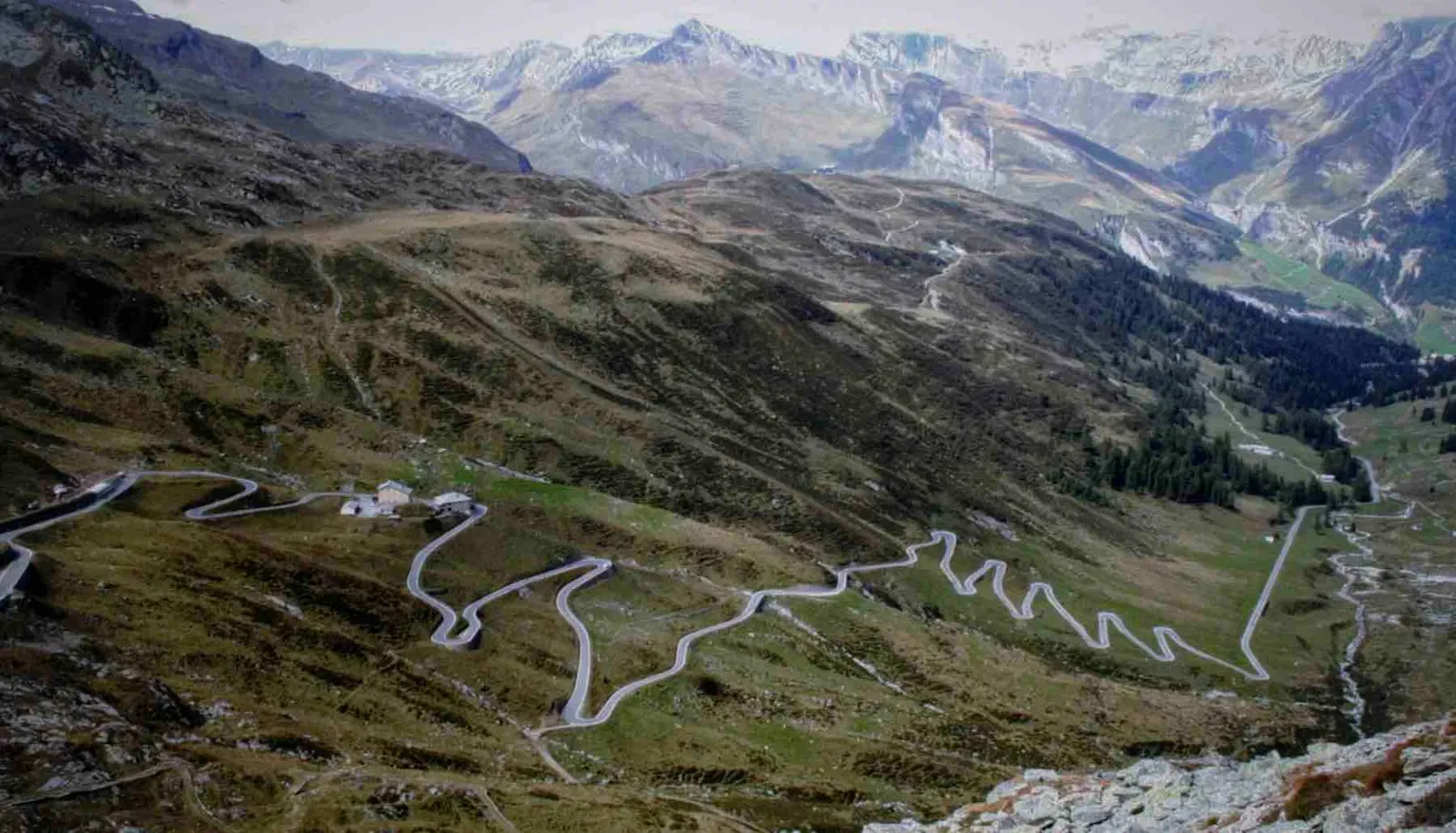
A mysterious 20th-century two-wheeled vehicle made of bamboo has emerged from melting ice in the Swiss Alps, prompting investigations and public speculation about its origin and purpose, with historical artifacts previously recovered from receding glaciers in the region.
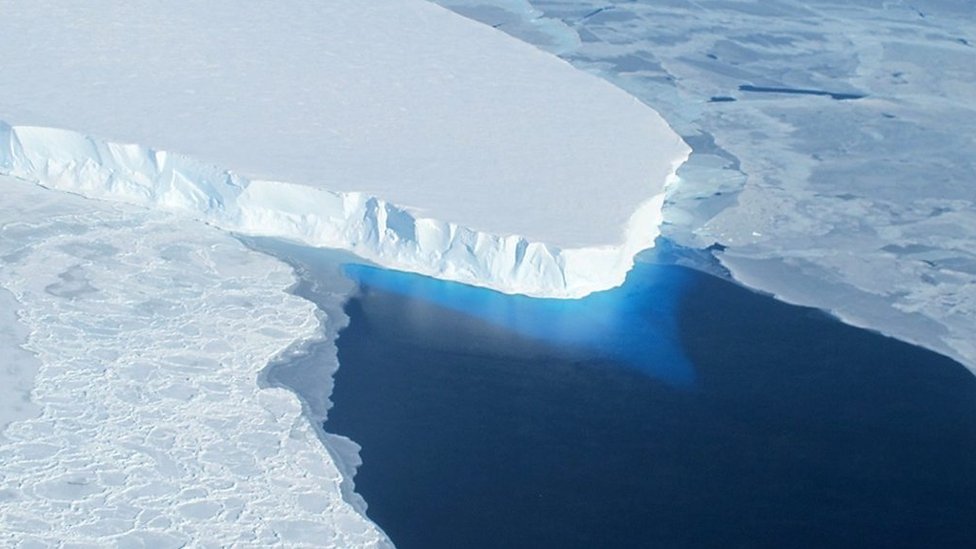
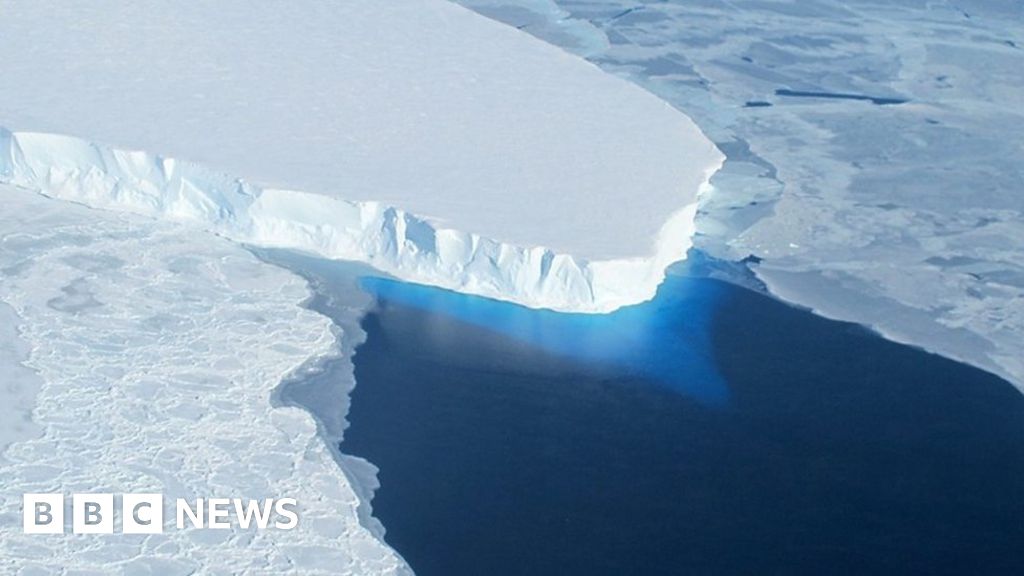
Scientists have used the changing shapes of "ice bumps" on the Antarctic ice surface to track the melting of glaciers anchored in place, revealing that more than a third of these pinning points have reduced in size since 2000. This acceleration in melting underscores the increasing contribution of Antarctic ice losses to future global sea-level rise. The study, published in Nature, focused on the ice shelves that fringe 75% of Antarctica's coastline, highlighting the vulnerability of these floating fronts of glaciers to warm water and thinning. By analyzing decades of satellite images, researchers gained a deeper understanding of when and where ice loss began, emphasizing the importance of these pinning points in providing structural support to the ice sheet.
Scientists have used images from America's Landsat spacecraft to track the changing shapes of bumps on the Antarctic ice surface, which mark locations where glaciers are anchored. They found that more than a third of these "pinning points" have reduced in size since 2000, indicating an acceleration in melting. This research, published in the journal Nature, highlights the increasing contribution of Antarctic ice losses to future global sea-level rise and provides a deeper historical understanding of where and when ice loss began. The study underscores the vulnerability of ice shelves to warm water and emphasizes their role as a key braking mechanism for slowing the movement of ice off the continent.
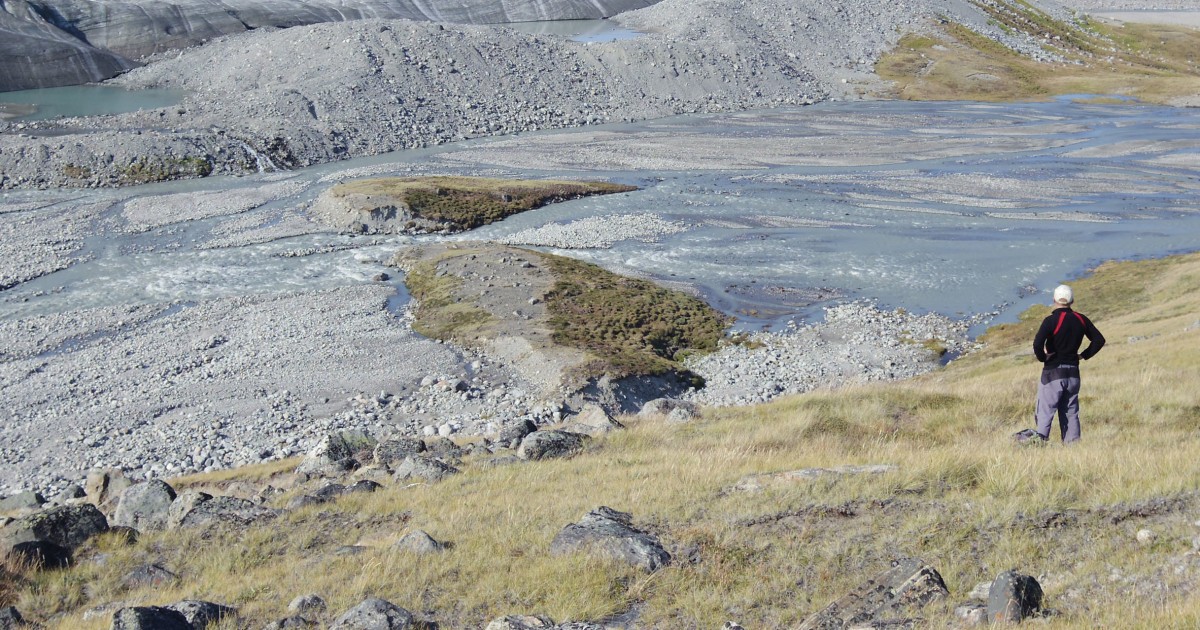
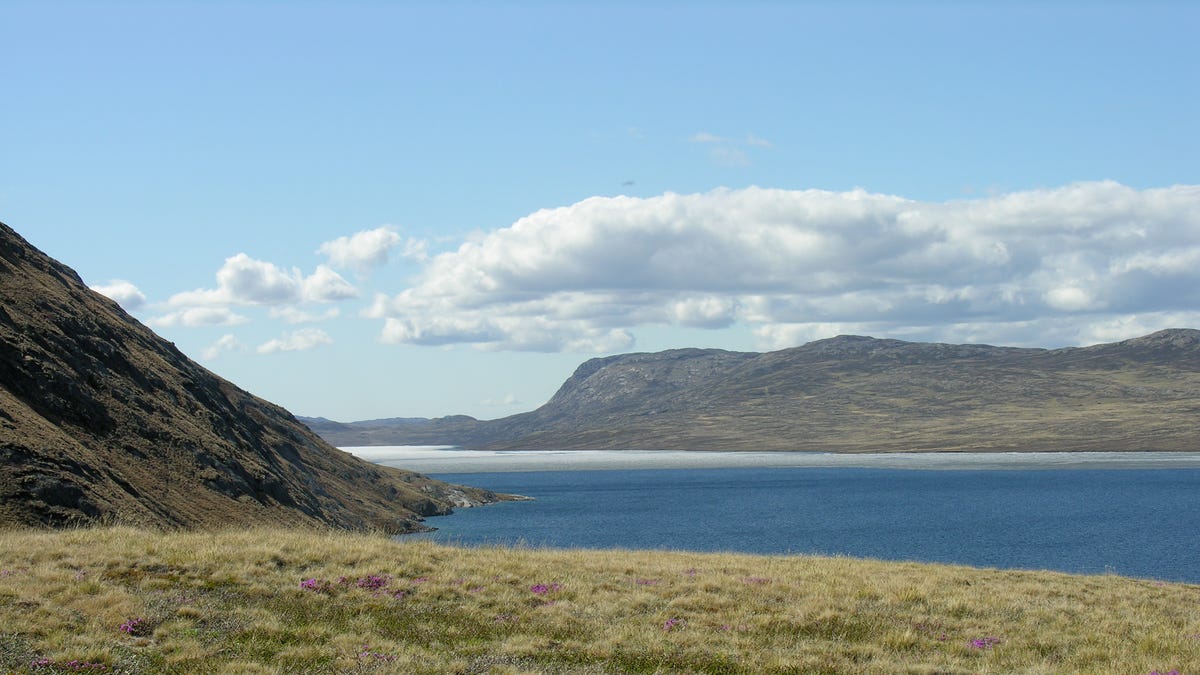
A new study using satellite images has revealed that parts of Greenland's ice sheet and glaciers have melted over the past 30 years, leading to the growth of wetlands, shrub vegetation, and barren rock. The expansion of vegetation and wetlands, particularly in the southwest and northeast, raises concerns about the stability of the landscape, rising sea levels, and increased greenhouse gas emissions. The loss of ice also contributes to global warming by exposing bare rock and vegetation that absorb more sunlight, while wetlands become significant sources of methane emissions. These changes have cultural implications for indigenous populations and pose significant challenges for global sea level rise.
Due to global warming, Greenland's ice sheet is melting rapidly, leading to the resurgence of vegetation in areas that were once covered in ice and snow. The melting ice has resulted in the loss of approximately 11,000 square miles of ice sheet and glaciers over the past three decades, contributing to global sea level rise. If all the ice on Greenland were to melt, global seas would rise by about 23 feet, impacting climate and weather patterns worldwide. The study suggests that Greenland will continue to become greener as ice diminishes further, promoting vegetation expansion.
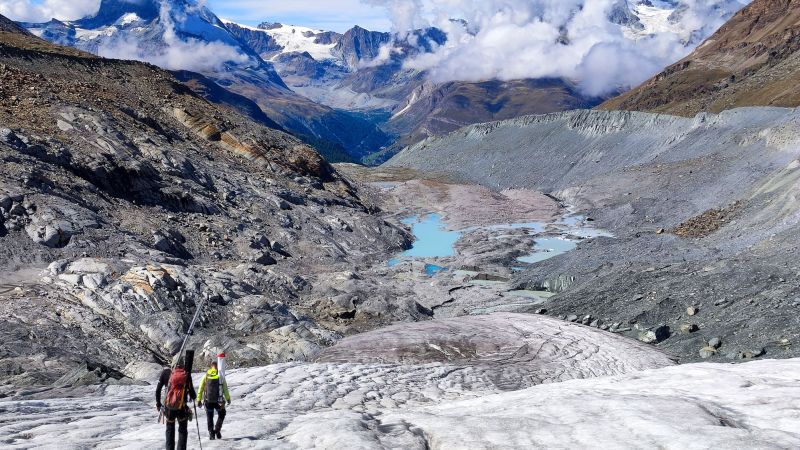
Glaciers in Switzerland have lost a staggering 10% of their ice volume in just two years due to low snowfall and soaring temperatures, causing unprecedented melting. The ice loss in 2022 and 2023 is second only to the record set in 2022, and Swiss glaciers have lost as much ice in these two years as they did in the three decades between 1960 and 1990. The accelerated melting is attributed to climate change. The shrinking glaciers have led to collapsing glacier tongues, disappearing small glaciers, and dangerous conditions with unstable rock threatening rockslides. While the water runoff from the melting glaciers has temporarily relieved drought conditions and filled hydropower reservoirs, it will aggravate water scarcity during heatwaves in the future. The long-term outlook for Switzerland's glaciers is alarming, with experts predicting massive shrinkage and retreat to the highest mountain peaks.
A new study published in the journal Nature Climate Change reveals that solar geoengineering, a method of spraying sun-reflecting particles into the atmosphere to cool the Earth's surface temperature, would have limited impact on delaying the melting of ice in Antarctica. The research highlights that rapid decarbonization is still the most effective approach to prevent the worst impacts of global warming. The study also warns that even if greenhouse gas emissions are reduced, geoengineering could have unforeseen consequences and negative effects on weather patterns.
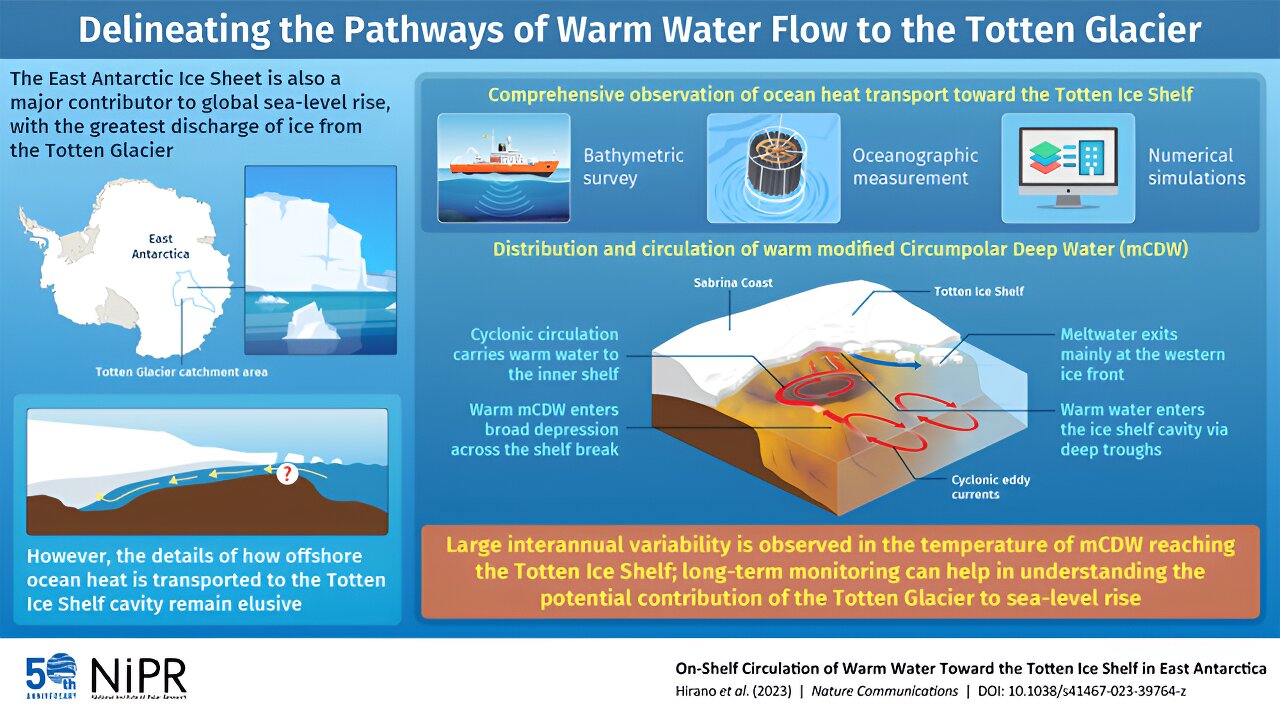
A multinational team of researchers has used data from multiple sources to map the pathways of warm water that reaches the cavity of East Antarctica's Totten Glacier. The study provides valuable insights into the physical processes controlling the melting of the glacier and highlights the importance of bathymetry and regional circulation in regulating ocean heat transport. The findings can help improve modeling and understanding of the glacier's contribution to global sea-level rise.