Tag

Ice Deposits

All articles tagged with #ice deposits

science2 months ago

Martian Volcanoes and Ice Deposits: Unveiling the Red Planet's Climate History

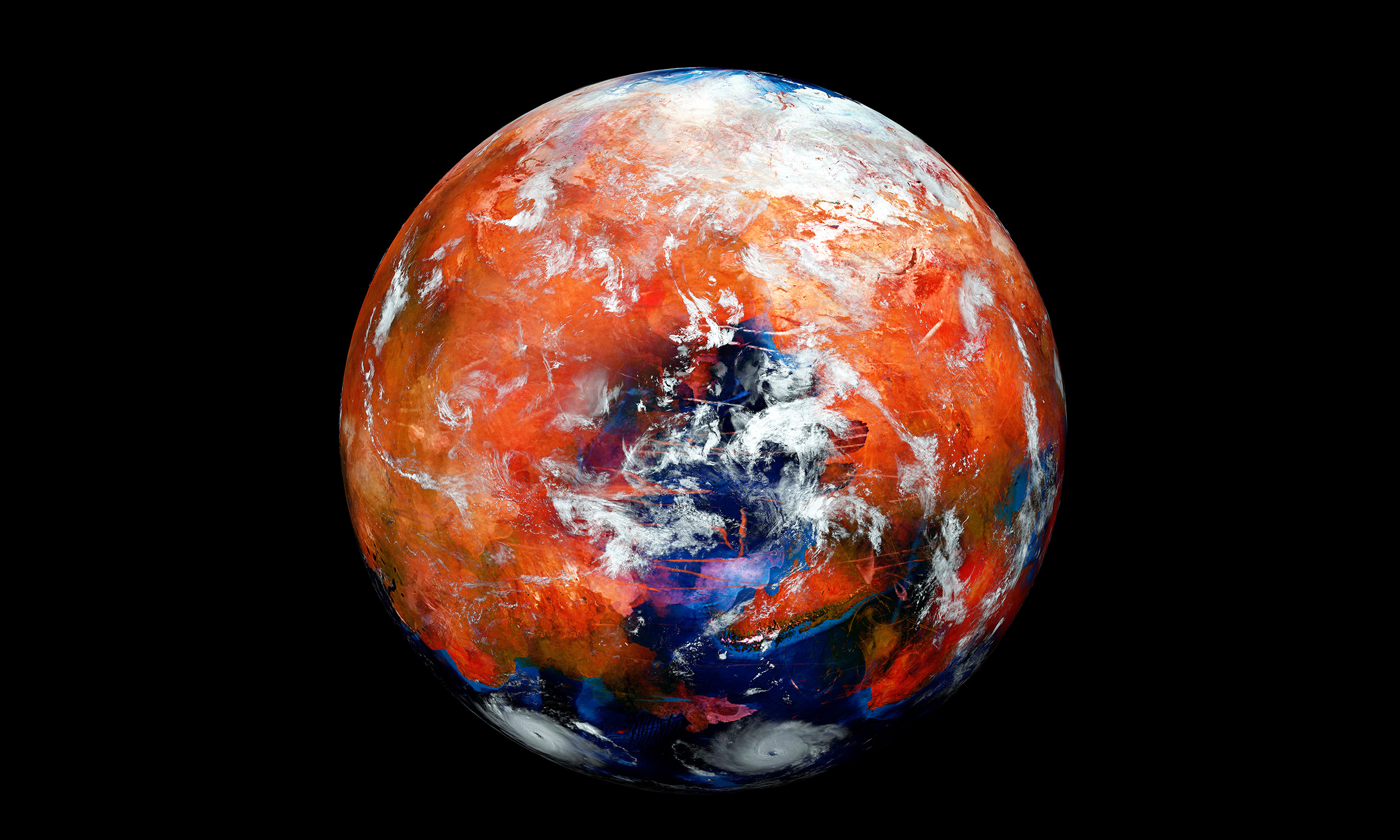
Ancient volcanic eruptions on Mars may have released water vapor that froze into ice, potentially creating significant underground ice deposits near the equator, which could be valuable for future human exploration. The study suggests repeated eruptions over millions of years could have contributed to these ice deposits, although further research is needed to confirm their presence and composition.
astronomy1 year ago

Uncovering the Origins of Ceres' Young Cold Traps

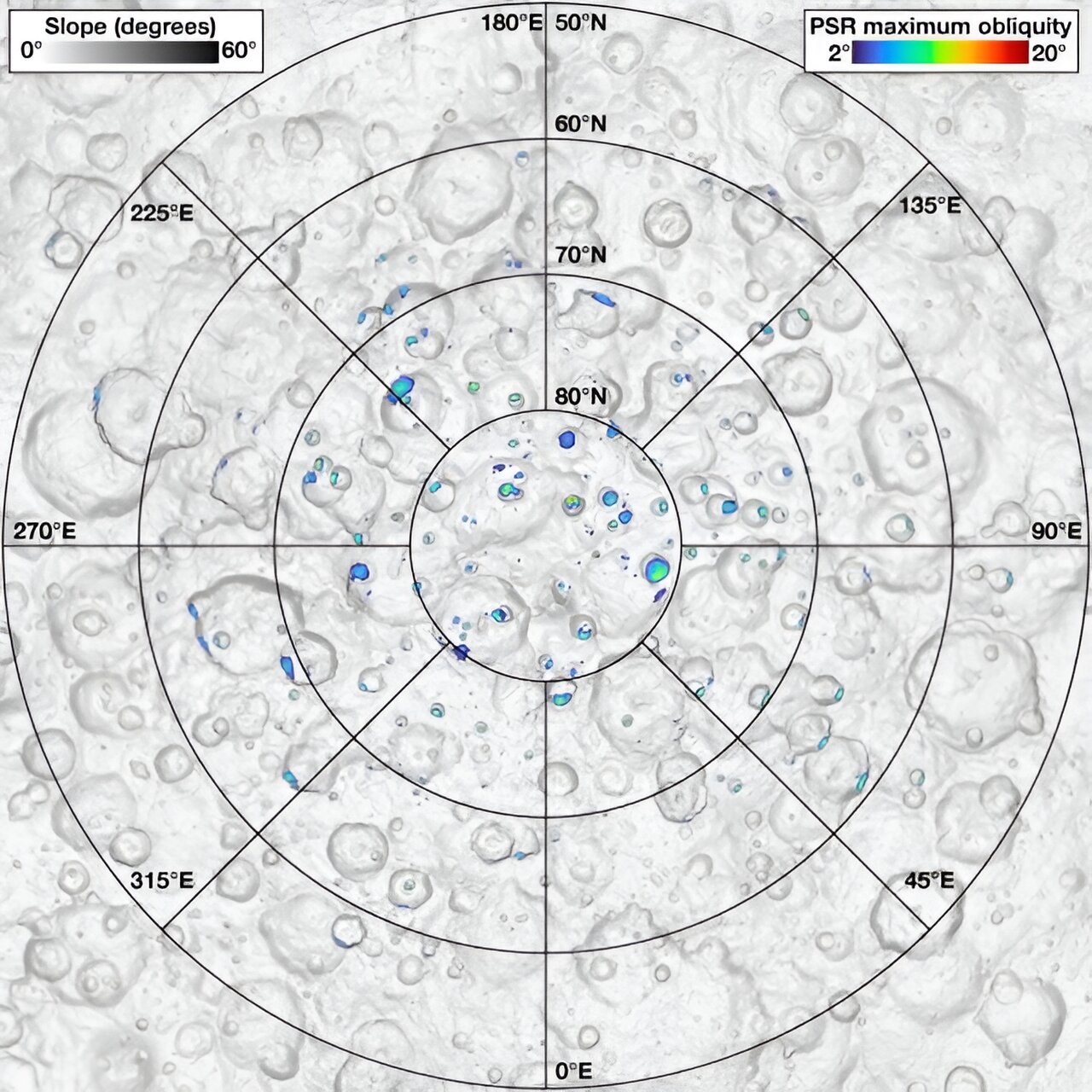
Scientists have discovered extremely young ice deposits in permanently shadowed craters near the poles of the asteroid Ceres, shedding light on its history. Research suggests that these ice deposits formed within the last 6,000 years, making them remarkably young compared to Ceres's age of over 4 billion years. The study also explores the possibility of other types of ices being trapped in these craters and reveals that Ceres's polar craters are cold enough to retain water ice but too warm to retain other common types of ice.

space-science2 years ago

"Mars' Massive Water Reservoir: A Game-Changer for Space Exploration"

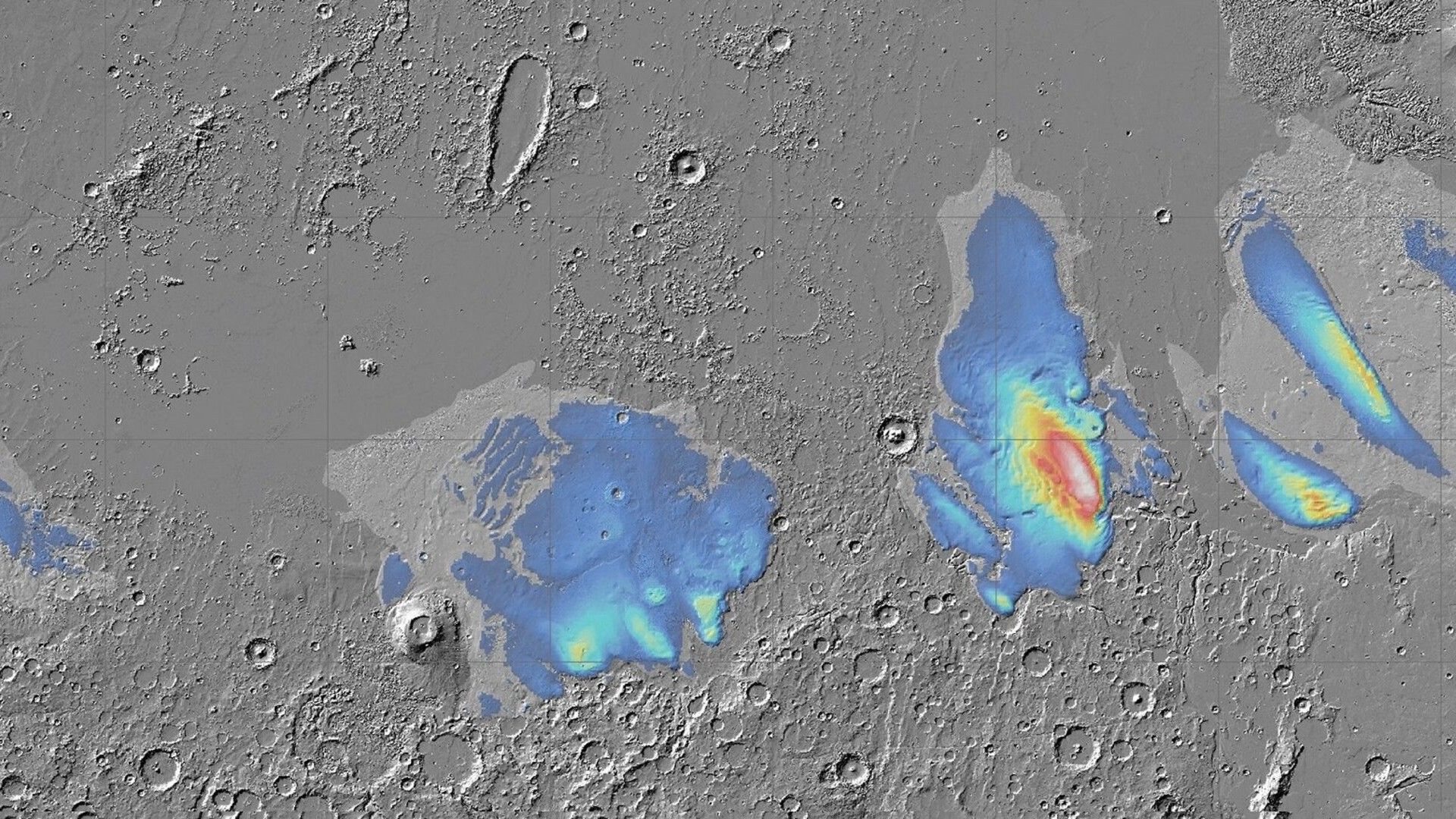
The Mars Express mission has discovered a massive water reservoir, up to 3.7 km thick, within Mars's Medusae Fossae Formation, holding enough water to fill Earth's Red Sea. This finding challenges previous theories and suggests a water-rich past for Mars, with implications for future exploration. The discovery of extensive ice deposits near Mars's equator enriches our understanding of the planet and its potential for human exploration, offering promising prospects for scientific discovery.

space2 years ago

"NASA's Moon Rover: On the Hunt for Ice"

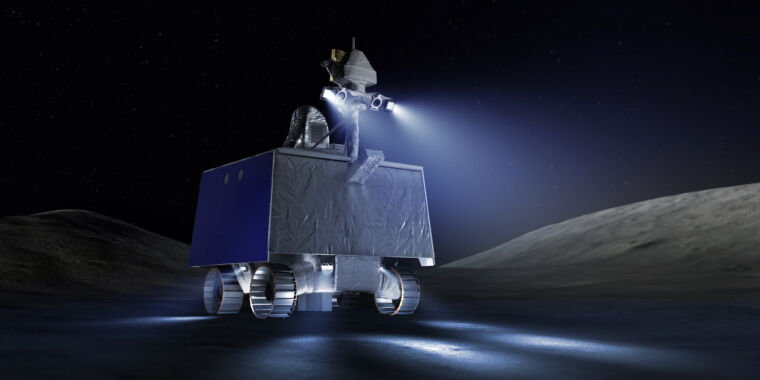
NASA is assembling a golf cart-size rover called VIPER to search for ice deposits at the Moon's poles. The rover, scheduled to launch in November 2024, will explore dark polar craters where water ice is believed to be present. VIPER is designed with headlights to navigate these shadowed areas and will be operated in real-time, allowing scientists to control it like a drone. The rover will rely on battery power during its daring trips into the dark craters and will go into hibernation during periods when the Moon's south pole is out of view from Earth. The mission aims to determine the location and accessibility of water ice, which could be used for various purposes in future lunar exploration.