Tag

Equator

All articles tagged with #equator

science2 months ago

Martian Volcanoes and Ice Deposits: Unveiling the Red Planet's Climate History

Ancient volcanic eruptions on Mars may have released water vapor that froze into ice, potentially creating significant underground ice deposits near the equator, which could be valuable for future human exploration. The study suggests repeated eruptions over millions of years could have contributed to these ice deposits, although further research is needed to confirm their presence and composition.
space-exploration1 year ago

"Vast Water Ice Reservoir Found Near Mars' Equator"

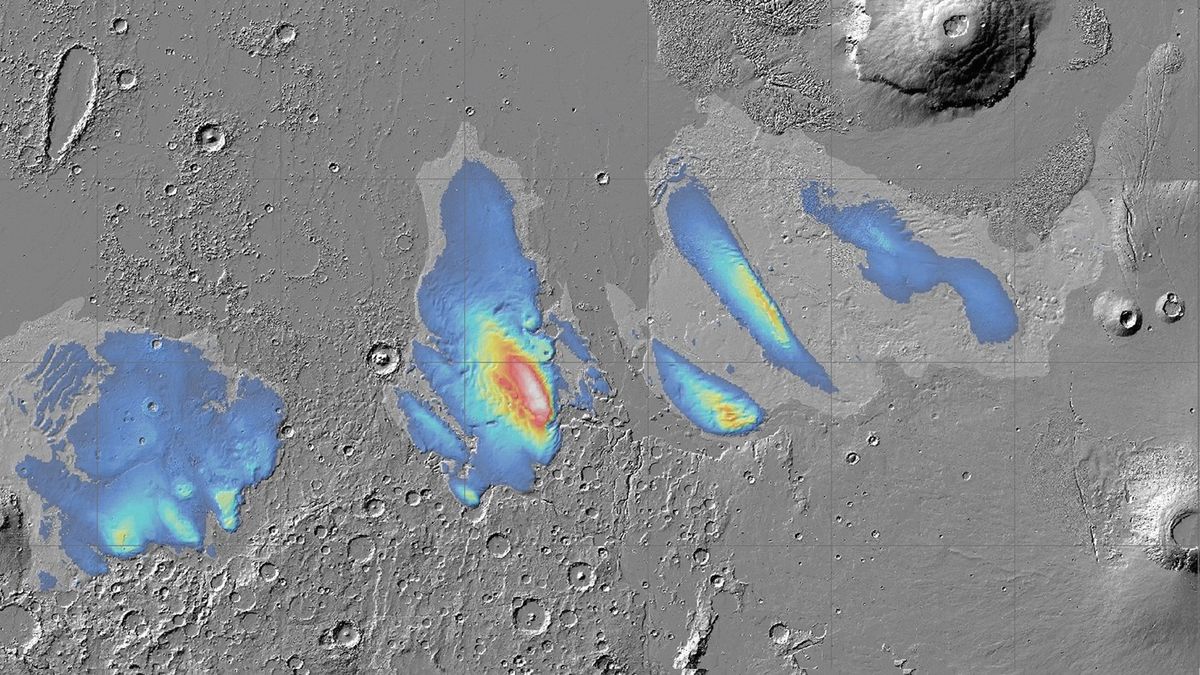
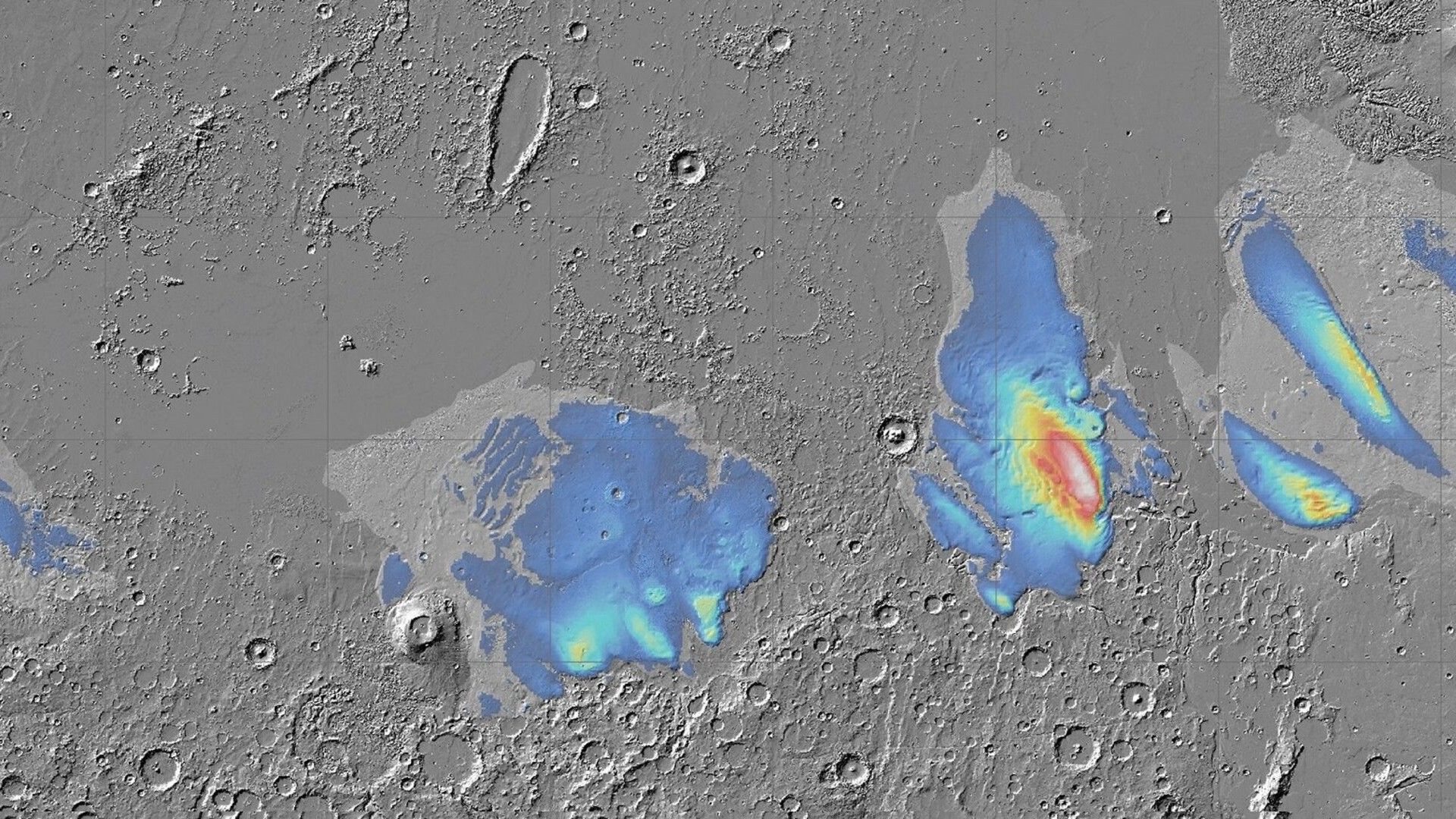
Data collected by the Mars Express orbiter suggests the presence of a large water ice deposit near Mars' equator, potentially indicating that the planet may have once supported life. The discovery was made using the orbiter's MARSIS instrument, which detected thick ice deposits extending up to 3.7 kilometers below the surface. The findings, published in Geophysical Research Letters, raise questions about Mars' climate history and could make the area near the equator an ideal landing spot for future exploration missions.

space-exploration2 years ago

"Discovery of Vast Equatorial Ice Reserves Redefines Understanding of Martian Water"

The European Space Agency's Mars Express spacecraft has discovered a massive reserve of frozen water ice beneath Mars' equator, with enough water to cover the entire planet in an ocean at least 5 feet deep. The ice deposit, some 2.3 miles thick, is heavily contaminated by dust and topped by a crust of hardened ash and dry dust, but its low density and transparency indicate the presence of frozen water. This finding suggests that large quantities of water ice may have formed along the equator billions of years ago before being buried by volcanic ash, potentially offering a valuable resource for future human missions to Mars.

space2 years ago

"Massive 2-Mile Thick Water Ice Deposit Discovered at Mars' Equator"

The European Space Agency's Mars Express mission has discovered a substantial amount of water ice buried beneath Mars' equator, measuring up to 2.3 miles thick and extending 3000m underground. This finding challenges previous assumptions about the planet's geology and climate history, suggesting that Mars may have had a different climate in the past due to variations in its axial tilt. The ice, heavily contaminated by dust, is difficult to access but could provide valuable resources for future crewed missions.

science2 years ago

The Equator's Role in Hurricane Formation.

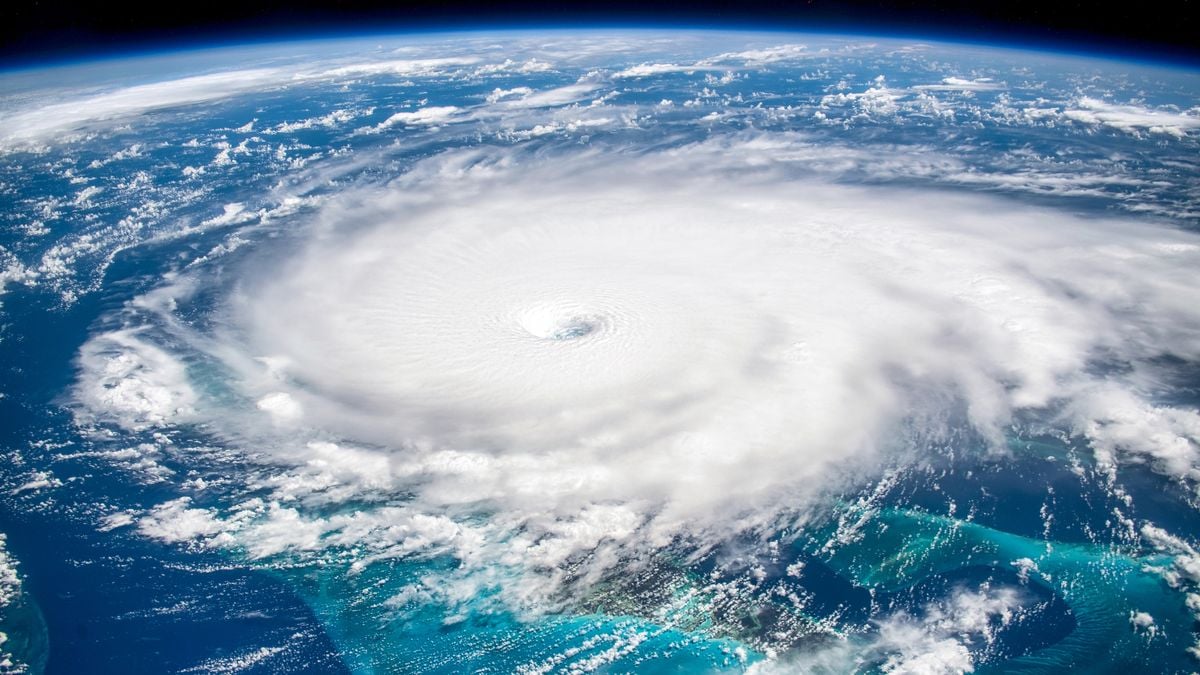
Hurricanes almost never form at the equator due to the Coriolis effect, which controls the direction in which tropical cyclones spin. The Coriolis effect is weak near the equator but becomes stronger as latitude increases. Higher latitudes have faster-spinning winds to help drive tropical cyclone growth. Climate change does not significantly affect the rotation of the Earth, so it won't directly impact the chances of a hurricane crossing the equator.

space2 years ago

Equatorial Glacier Found on Mars Raises Hope for Human Exploration

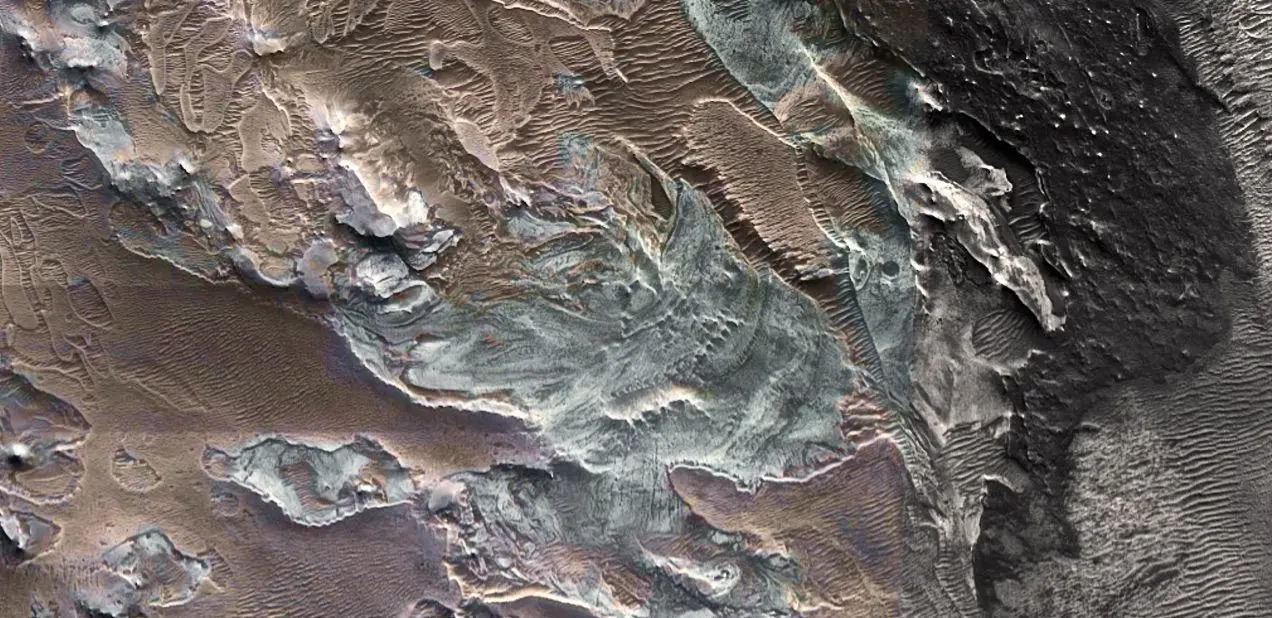
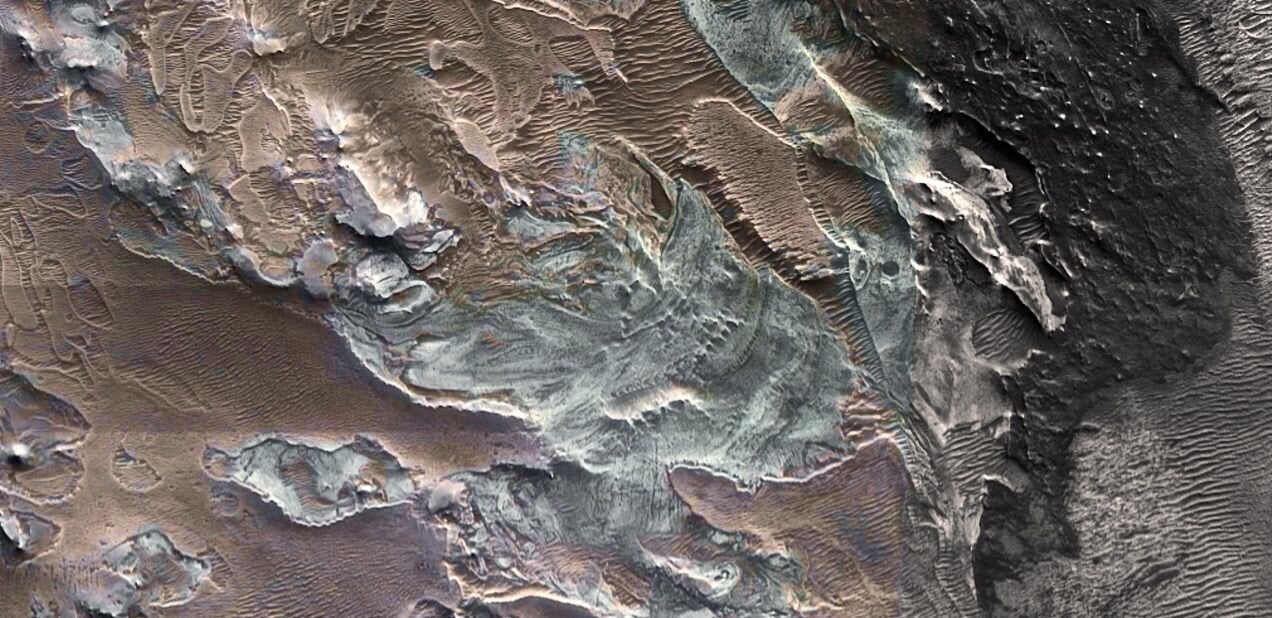
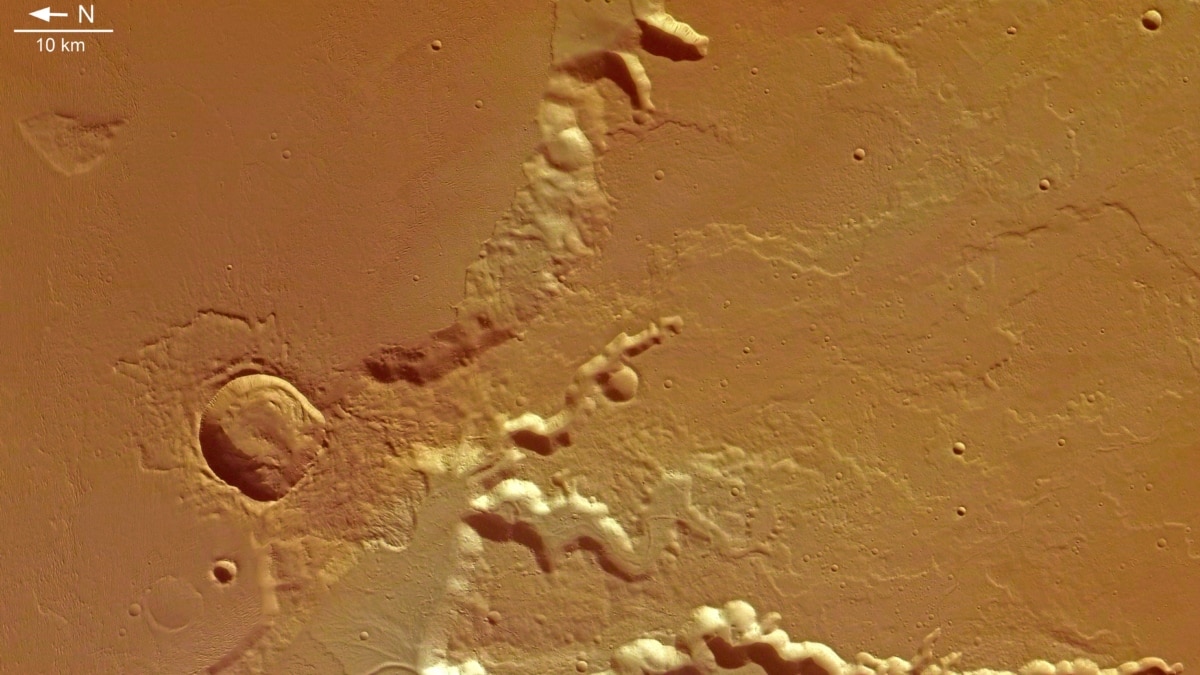
Scientists have discovered a relict glacier near the equator of Mars, indicating the presence of surface water ice on the planet in recent history. The glacier is estimated to be 6 kilometers long and up to 4 kilometers wide, with a surface elevation ranging from +1.3 to +1.7 kilometers. The discovery suggests the potential existence of ice at shallow depths in the region, which could have crucial implications for future human exploration. The glacier's fine-scale features, its associated sulfate salts deposit, and the overlying volcanic materials are all very sparsely cratered by impacts and must be geologically young, likely Amazonian in age, the latest geologic period which includes modern Mars.

space2 years ago

Possible Water Ice at Low Latitudes on Mars Explained by Modern Glacier Discovery

Scientists have discovered a relict glacier near the equator of Mars, suggesting the presence of surface water ice on the planet in recent times. The glacier is estimated to be 6 kilometers long and up to 4 kilometers wide, with a surface elevation ranging from +1.3 to +1.7 kilometers. The discovery raises the possibility that ice may still exist at shallow depths in the area, which could have significant implications for future human exploration.