Tag

Hypervelocity Stars

All articles tagged with #hypervelocity stars

science-and-space1 year ago

Hypervelocity Star Zooms Through Milky Way at Record Speed

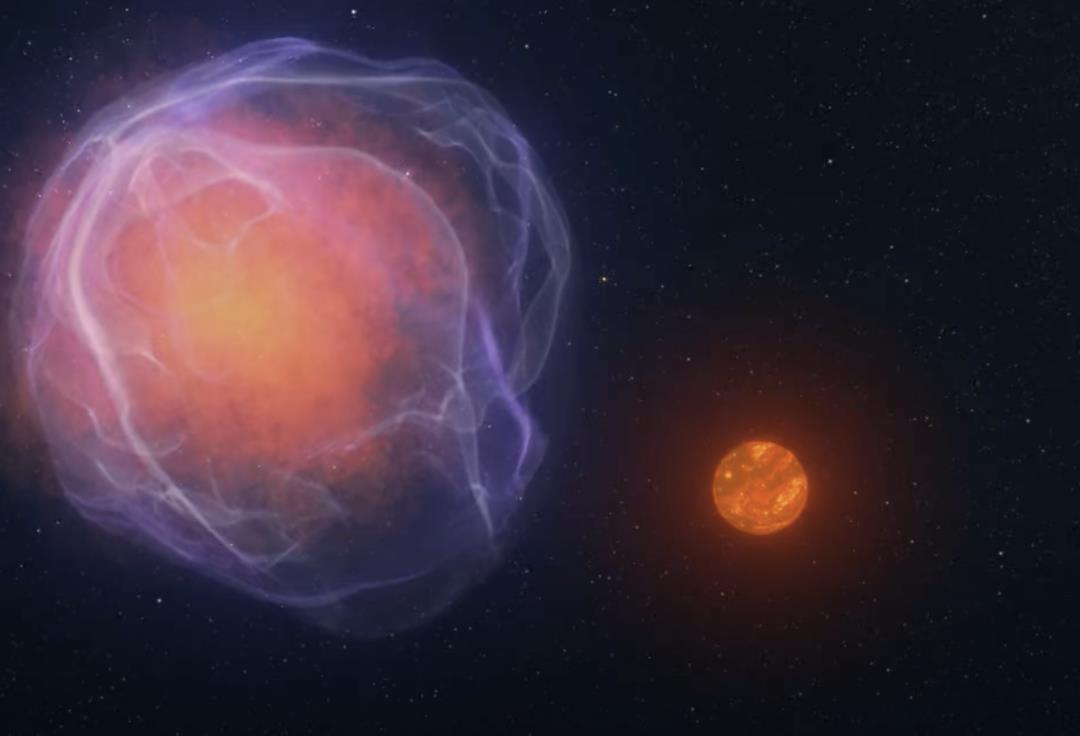
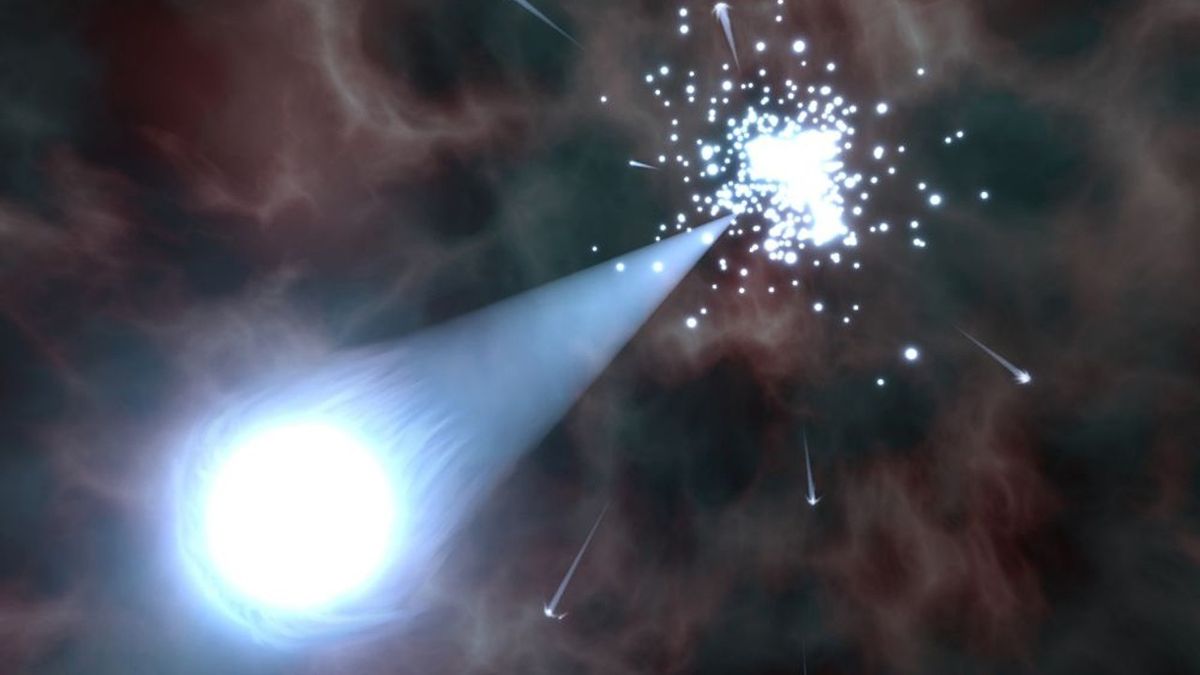
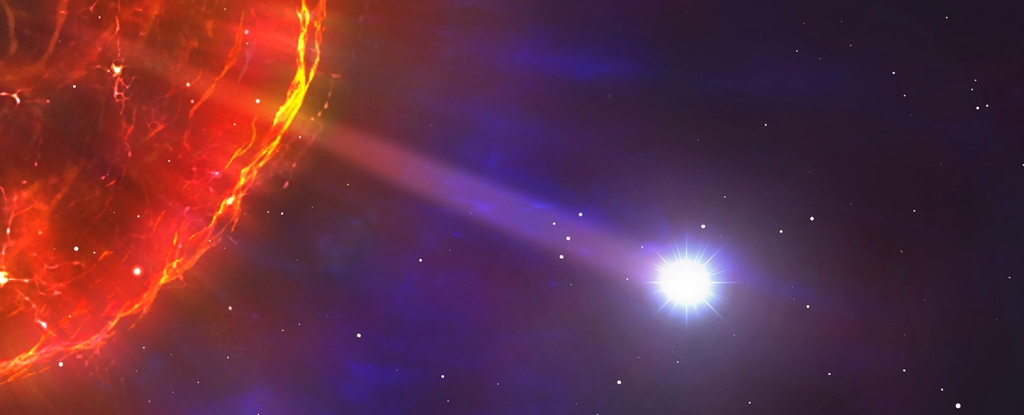
The runaway star J1249+36 is speeding through our galaxy at a million miles an hour, fast enough to escape its gravitational pull. Theories suggest it was either ejected by a supernova explosion of a white dwarf or by the dynamics of a black hole binary in a globular cluster. Researchers aim to study its elemental composition to determine its origin.

astronomy1 year ago

"Galactic Fugitives: Stars on the Run to Our Galaxy"

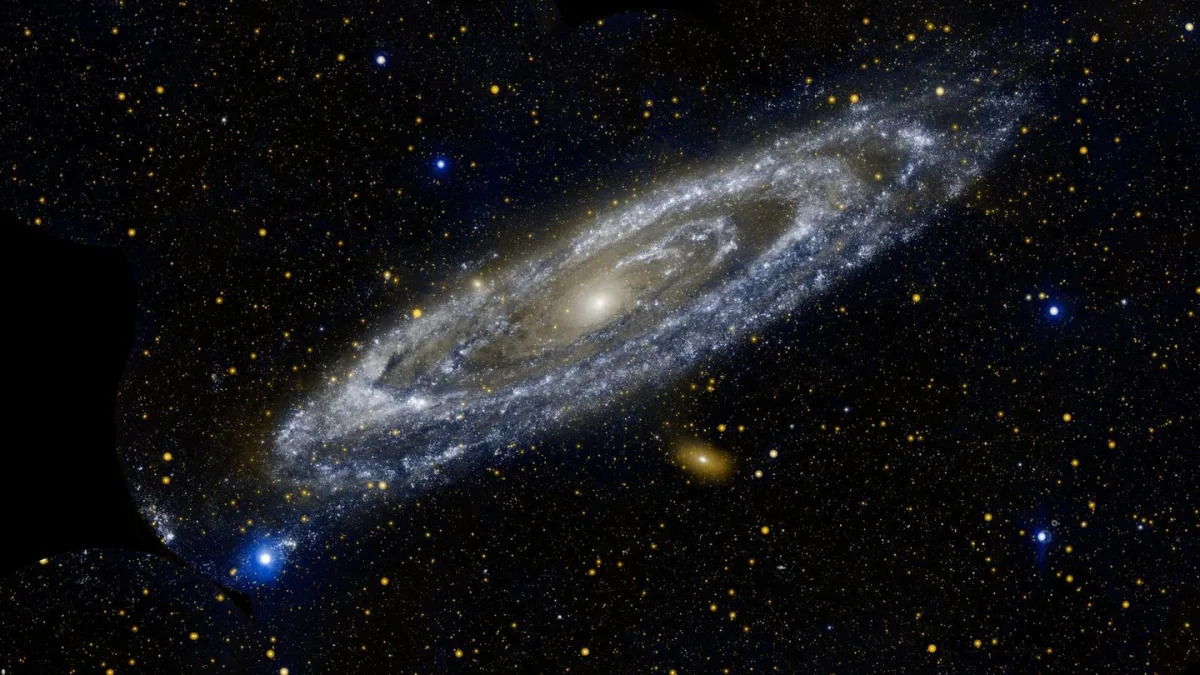
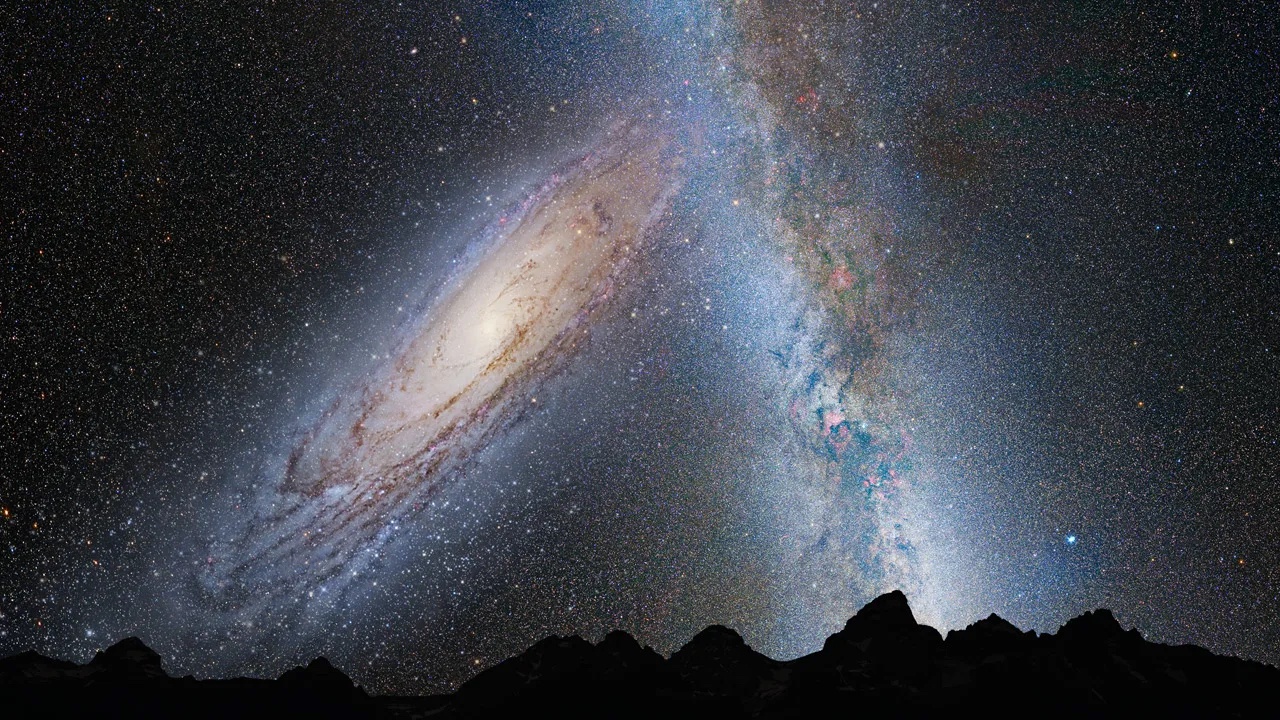
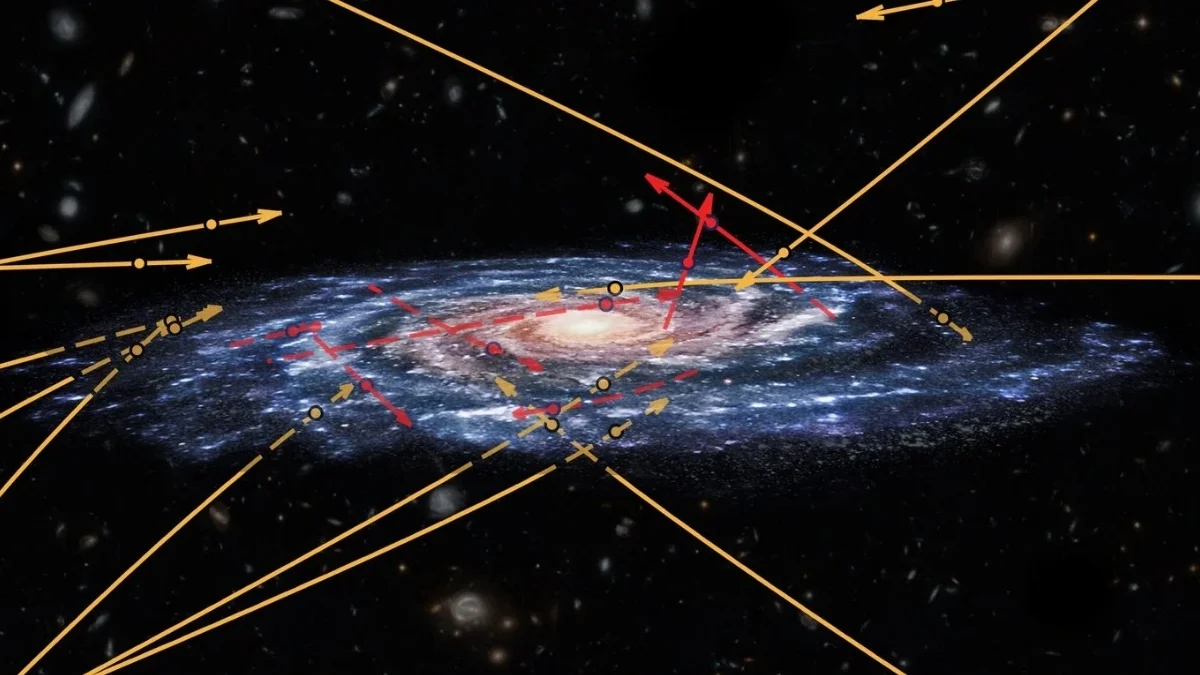
Hypervelocity stars, capable of traveling at speeds exceeding 1,000 kilometers per second, may be escaping from the Milky Way and heading towards the Andromeda galaxy. This intergalactic exchange of stars is a prelude to the eventual collision between the Milky Way and Andromeda, which is predicted to occur in roughly 5 billion years. The study suggests that some hypervelocity stars originating from Andromeda may already be migrating towards the Milky Way, potentially altering our galaxy's composition in the distant future.

astronomy1 year ago

"Stellar Exchange: Andromeda and the Milky Way"

A recent study suggests that the Andromeda and Milky Way galaxies may already be exchanging stars, with hypervelocity stars (HVSs) potentially migrating from Andromeda to the Milky Way. These HVSs, among the fastest objects in the Galaxy, are believed to be ejected due to gravitational interactions between binary stars and black holes. The study calculated the trajectories of 18 million HVSs and found that a small percentage are now within a radius of 50kpc around the Milky Way center. The team's simulations suggest that it is highly likely for HVSs from Andromeda to migrate to the Milky Way, and further studies are needed to detect them based on stellar velocity and trajectories.

science2 years ago

Runaway Star Discovered Racing Out of Milky Way

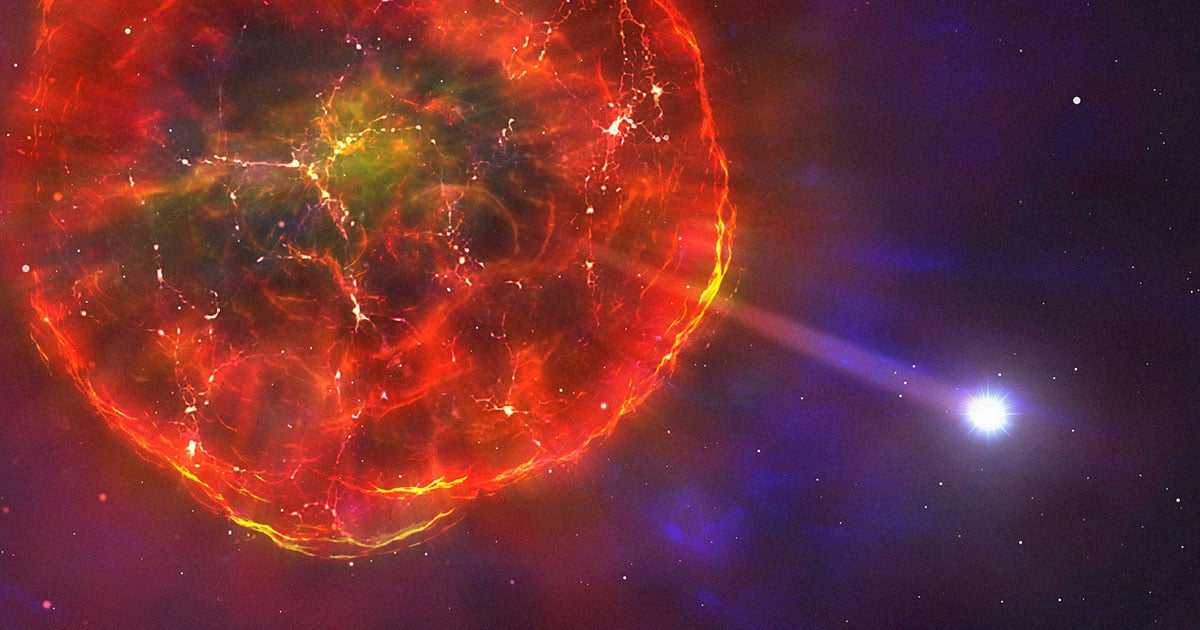
Researchers have identified six new runaway stars in the Milky Way, including the fastest known star to have ever escaped the galaxy, which was propelled by a massive thermonuclear blast. Four of the stars were likely pushed out as a result of Type Ia supernovae, which occur in binary star systems where one star is a white dwarf. These hypervelocity stars could help researchers calculate the birth rates of stars and discover more runaway stars.

astronomy2 years ago

"Milky Way's Fastest Runaway Star Breaks Records at 5 Million MPH"

Six new runaway stars have been discovered racing through the Milky Way, with two of them moving faster than any object of this type ever seen. These record-breaking stars are traveling at an incredible 5.1 million miles per hour and 3.8 million miles per hour, respectively. The team behind the discovery thinks that the incredible velocity of these four stars could be the result of them being launched by a particular type of cosmic explosion called a Type Ia supernova.

astronomy2 years ago

Milky Way's Fastest Runaway Star Detected by Scientists

Scientists have discovered six more runaway stars in the Milky Way, including the fastest object of this type yet detected in the galaxy. Four of the newly measured objects are hypervelocity stars, traveling at speeds that exceed the escape velocity of the Milky Way, and all four are likely the result of spectacular Type Ia supernovae. The discovery has allowed for a new calculation of the rate at which these stars are born, and found that it is consistent with the estimated rate of Type Ia supernovae.

astronomy2 years ago

Unraveling the Mystery of the Missing Stars in the Milky Way's Center.

Observations by the Keck Observatory in Hawaii have shown that stars orbiting the supermassive black hole at the center of our Milky Way galaxy are mysteriously missing their binary companions. A team led by Devin Chu of the University of California, Los Angeles, analyzed 10 years' worth of observations tracking 28 stars orbiting our galaxy's central supermassive black hole, which is known as Sagittarius A* and has a mass 4.1 million times that of the sun. None of the S-stars are binaries, confounding expectations that massive stars usually form in binary or even triplet systems.