Private equity firms are struggling with a backlog of over 31,000 investments worth $3.7 trillion due to poor returns, difficulty selling assets, and lower fundraising, leading to industry consolidation and cautious outlook despite some recent IPO successes.

Fiserv's unexpected slowdown, driven by over-reliance on Argentine growth and weakening US and Canadian core businesses, led to a 43% drop in market value and a significant revision of its full-year outlook, highlighting challenges in its overseas expansion and competitive pressures.
Florida's housing market is experiencing a slowdown with homes sitting longer on the market and increased competition, offering lessons for sellers nationwide to focus on home presentation, understanding market dynamics, and strategic pricing to succeed in a slower market.
Many outdoor and sporting goods retailers, including REI, are closing multiple stores due to market slowdown, economic challenges, and changing consumer habits, with notable closures in flagship locations and a decline in overall outdoor retail sales.
US stock indexes experienced a slight decline as the recent rally on Wall Street paused, with concerns over high stock valuations and expectations for Federal Reserve rate cuts. Despite some strong earnings reports and sector gains, major indices remain near all-time highs amid mixed international markets and rising Treasury yields.
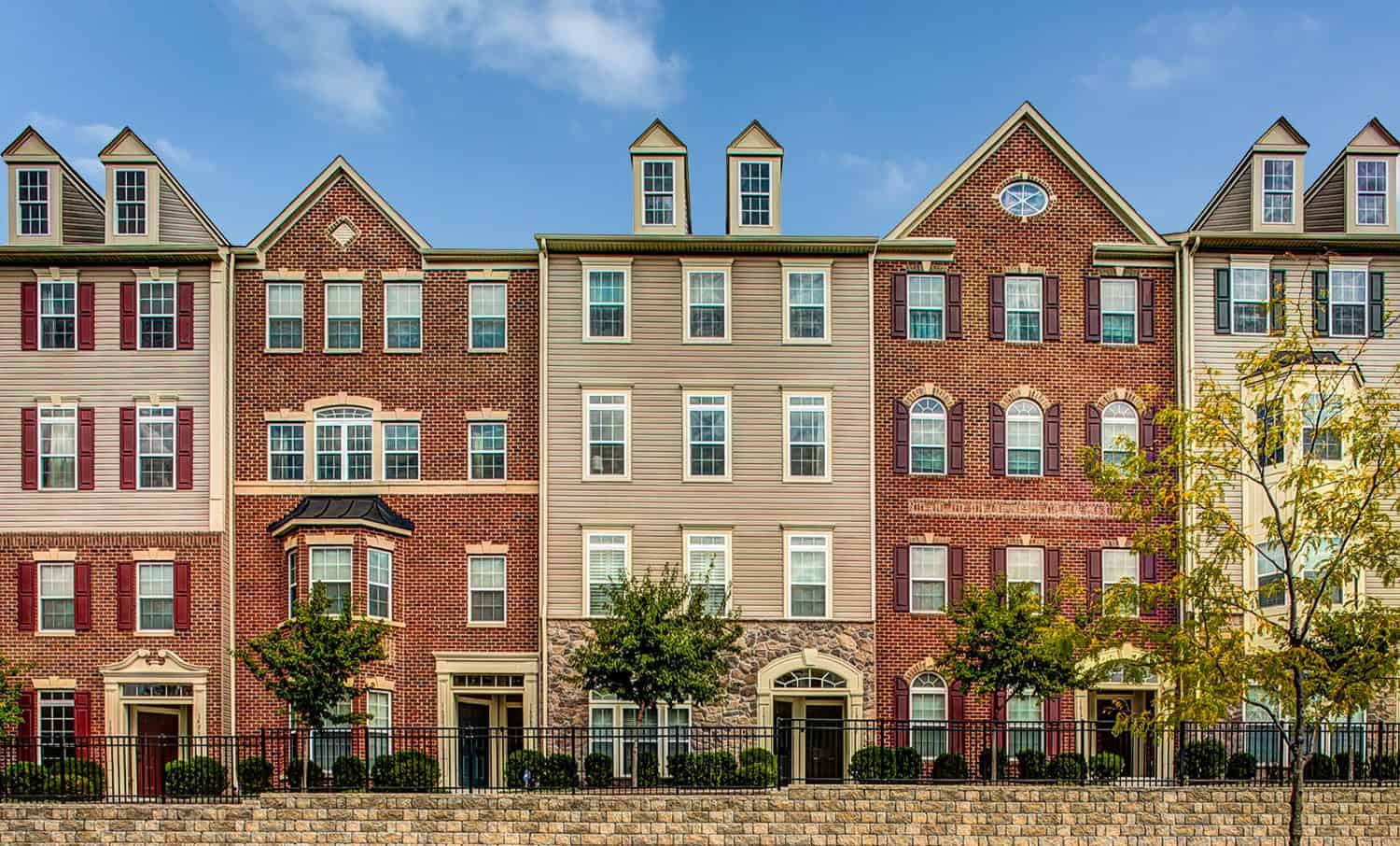
Single-family home rent growth has slowed in July 2025, with a 2.3% increase year-over-year, down from previous rates and below the 10-year average, signaling a potential cooling in the housing rental market amid broader economic struggles and shifting demand across major metropolitan areas.
Private equity firms are facing significant challenges after a period of rapid growth, including difficulties in fundraising, slower asset sales, and declining returns, prompting industry leaders to focus on returning capital and diversifying investment strategies amid a tougher market environment.
Goldman Sachs warns that a slowdown in AI investment by major tech companies could reduce the S&P 500's valuation multiple by up to 20%, but currently, valuations remain below bubble levels, with analysts expecting a deceleration around 2025-2026. The market remains strong, with record highs and global indices up, despite concerns over future AI spending impacts.
Home price gains are expected to slow down nationally, with regional variations showing some markets experiencing declines, especially in the South and West, while others in the Midwest and Northeast see significant increases. The overall trend suggests a slowdown in price growth through 2024, influenced heavily by mortgage rates and regional market conditions.
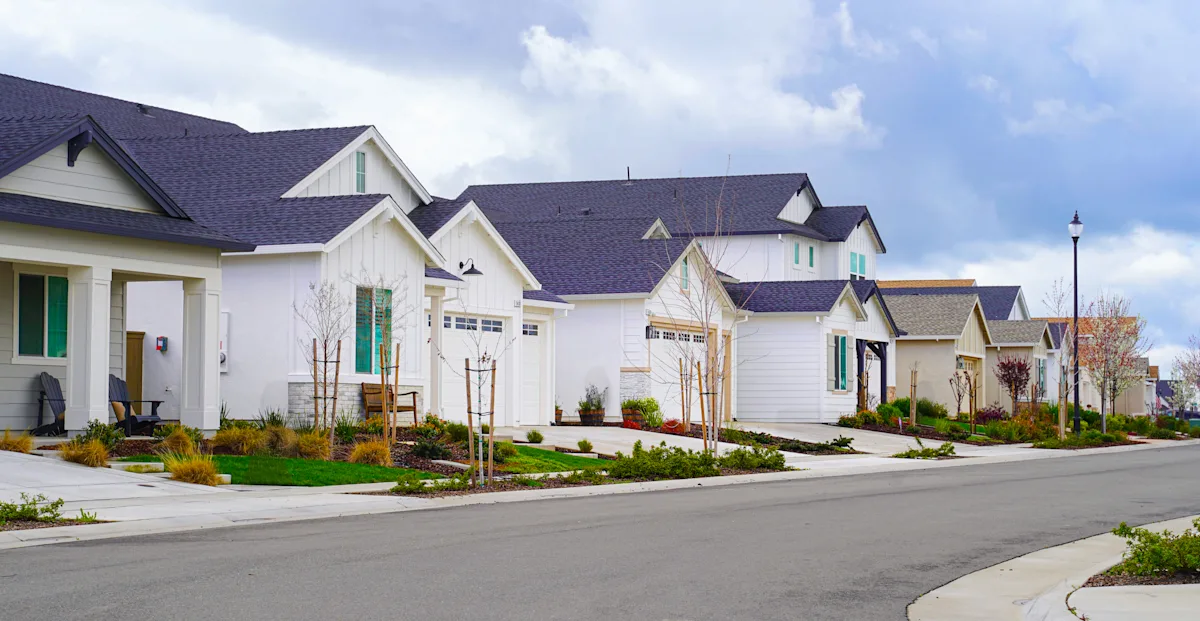
The U.S. new home market is experiencing a slowdown with declining sales, rising inventory, and falling prices, driven by high mortgage rates and economic uncertainty, leading to a buyer's market with increased negotiating power for purchasers.
Originally Published 6 months ago — by Wolf Street
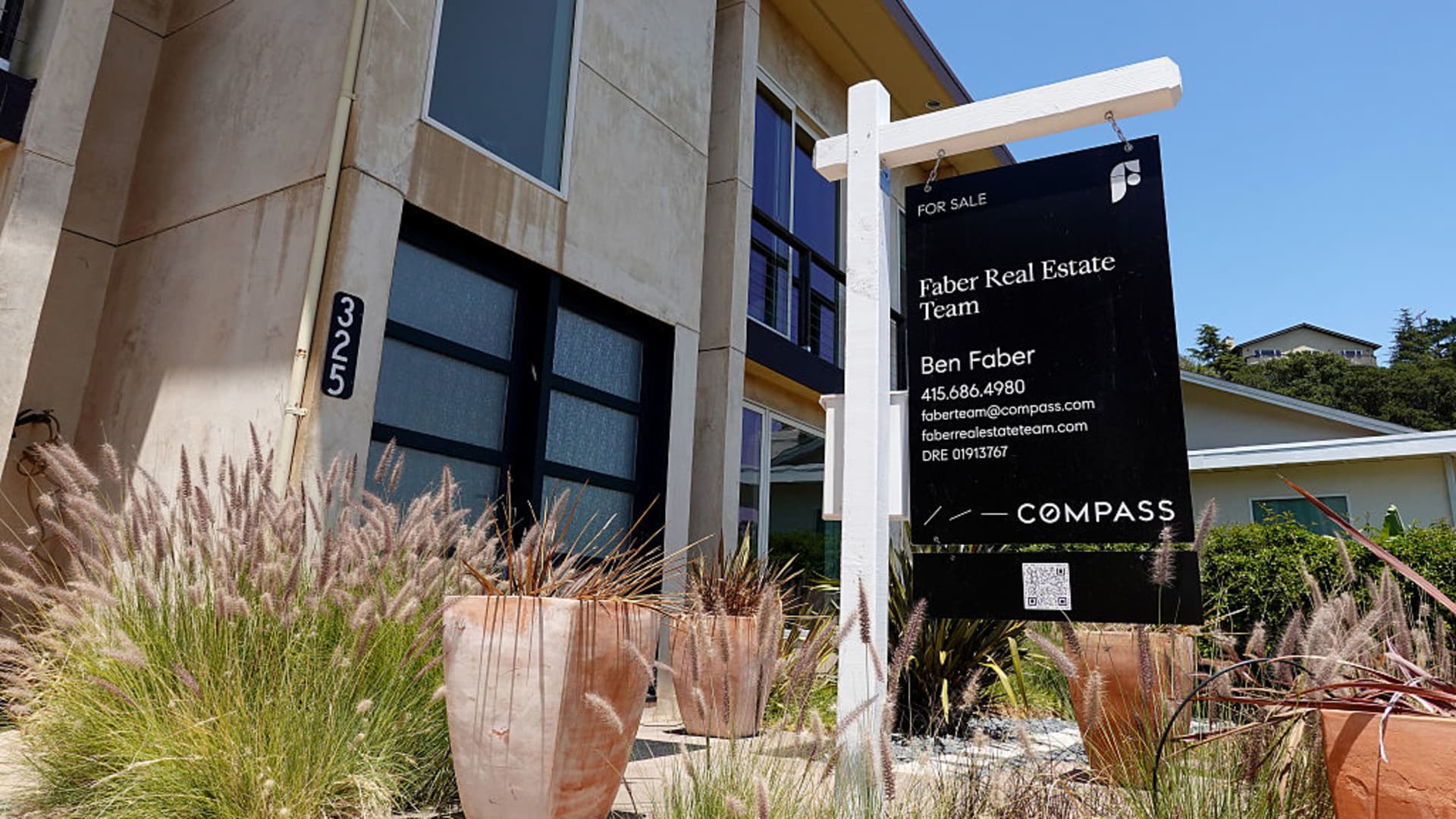
In major California markets, home inventories have surged to their highest levels since 2016, with active listings increasing significantly across regions like Los Angeles, San Francisco, and Orange County. Despite the rising supply, demand has sharply declined, evidenced by longer days on market and a 38% drop in pending sales, driven by high prices that have suppressed buyer interest and led to increased seller frustration and delistings.
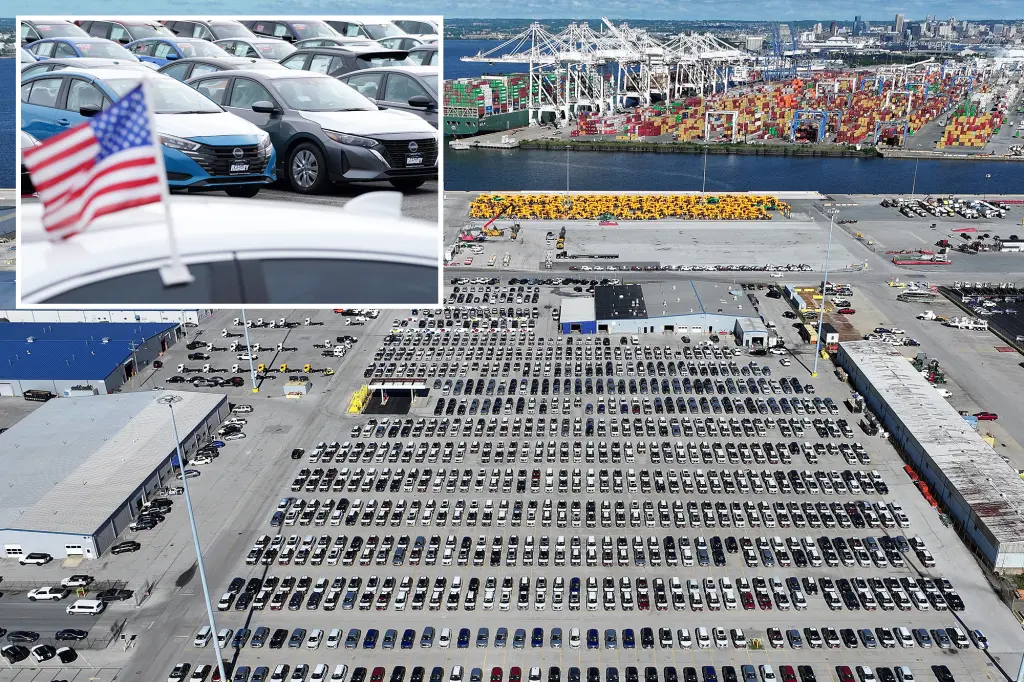
US auto sales declined sharply in June after a brief surge earlier in the year due to consumers rushing to buy cars before tariffs increased prices. Rising tariffs, inflation, and economic uncertainty have led to higher vehicle costs and reduced consumer demand, with analysts predicting continued slowdown and higher prices in the coming months.
Home prices in the US are cooling faster than expected due to rising supply and declining demand, with a notable slowdown in price increases across many markets, driven by higher mortgage rates and a constrained housing supply, though prices remain above pre-pandemic levels and major declines are unlikely.
The US housing market remains sluggish despite the peak buying season, due to high mortgage rates, persistent high home prices outpacing wage growth, and a rate lock-in effect where homeowners with low rates are reluctant to sell. This has led to decreased contract activity and a standstill in market momentum, with little expectation of rate reductions soon.
U.S. home sellers are holding nearly $700 billion worth of listings, a record high, due to increased inventory, slowing demand, and rising prices, leading to longer market times and a significant amount of stale inventory, which may push home prices down by year-end.