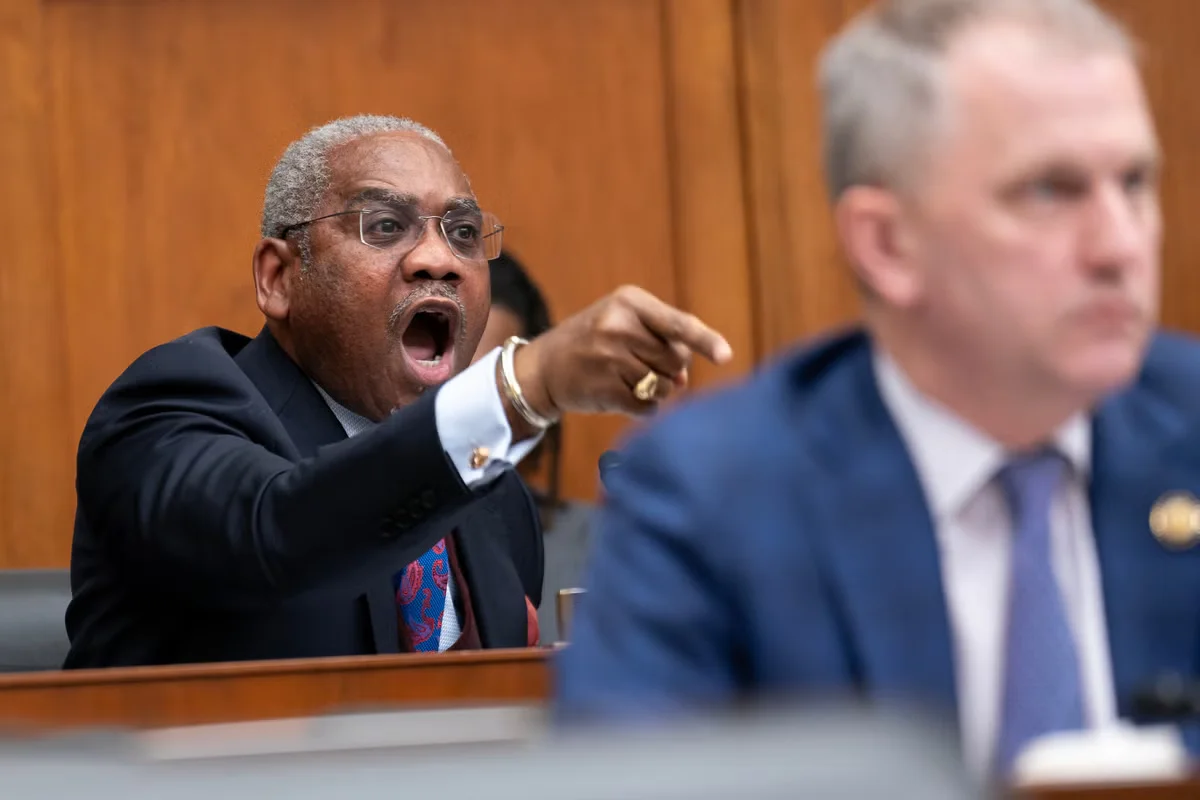
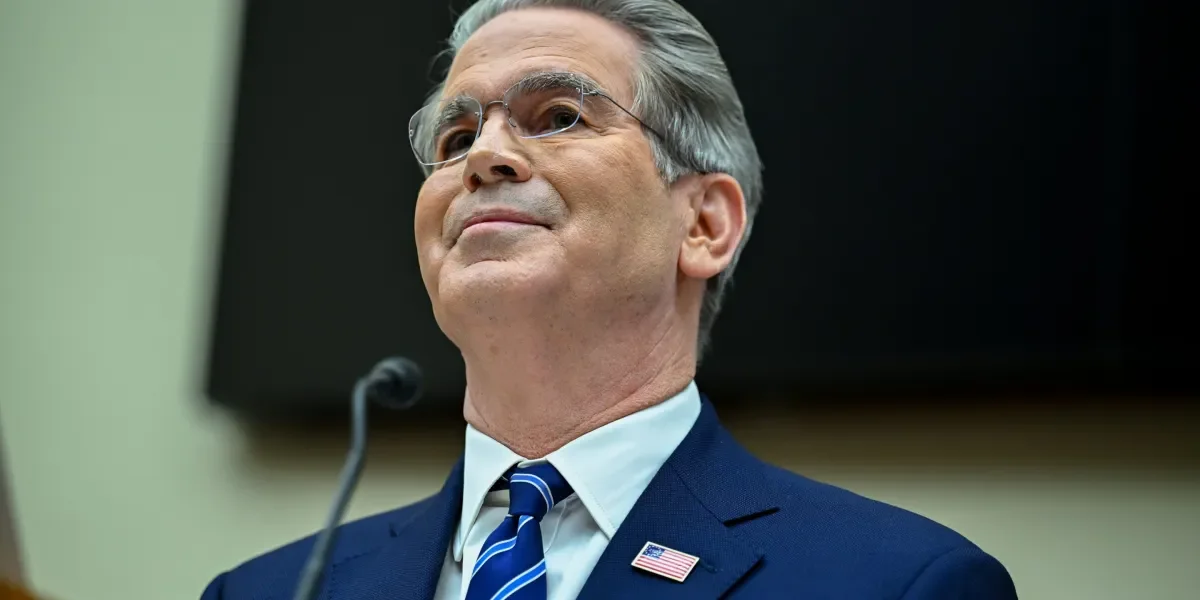
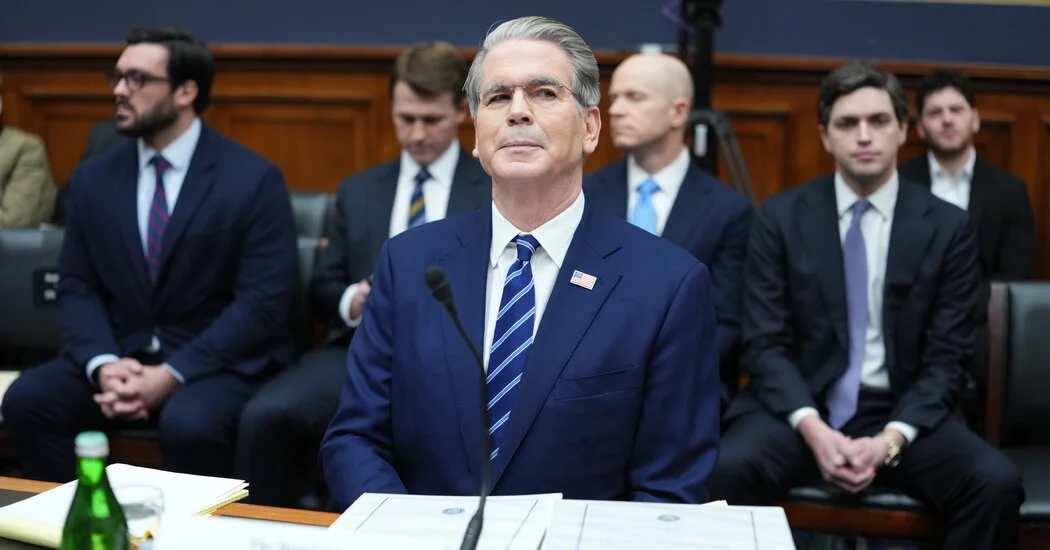
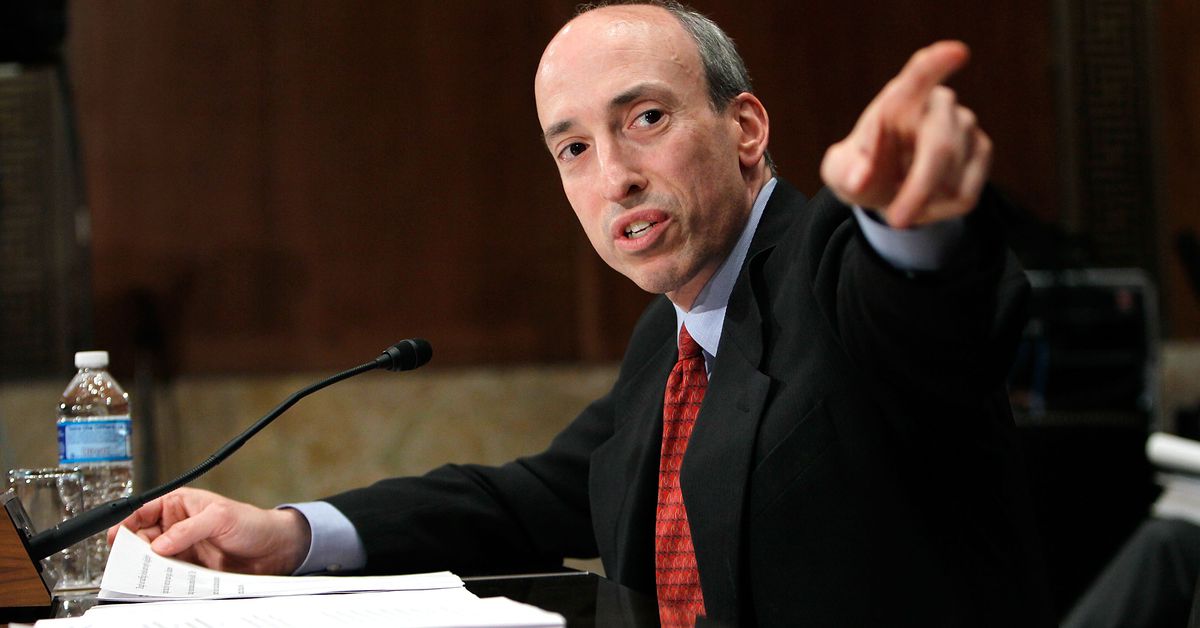
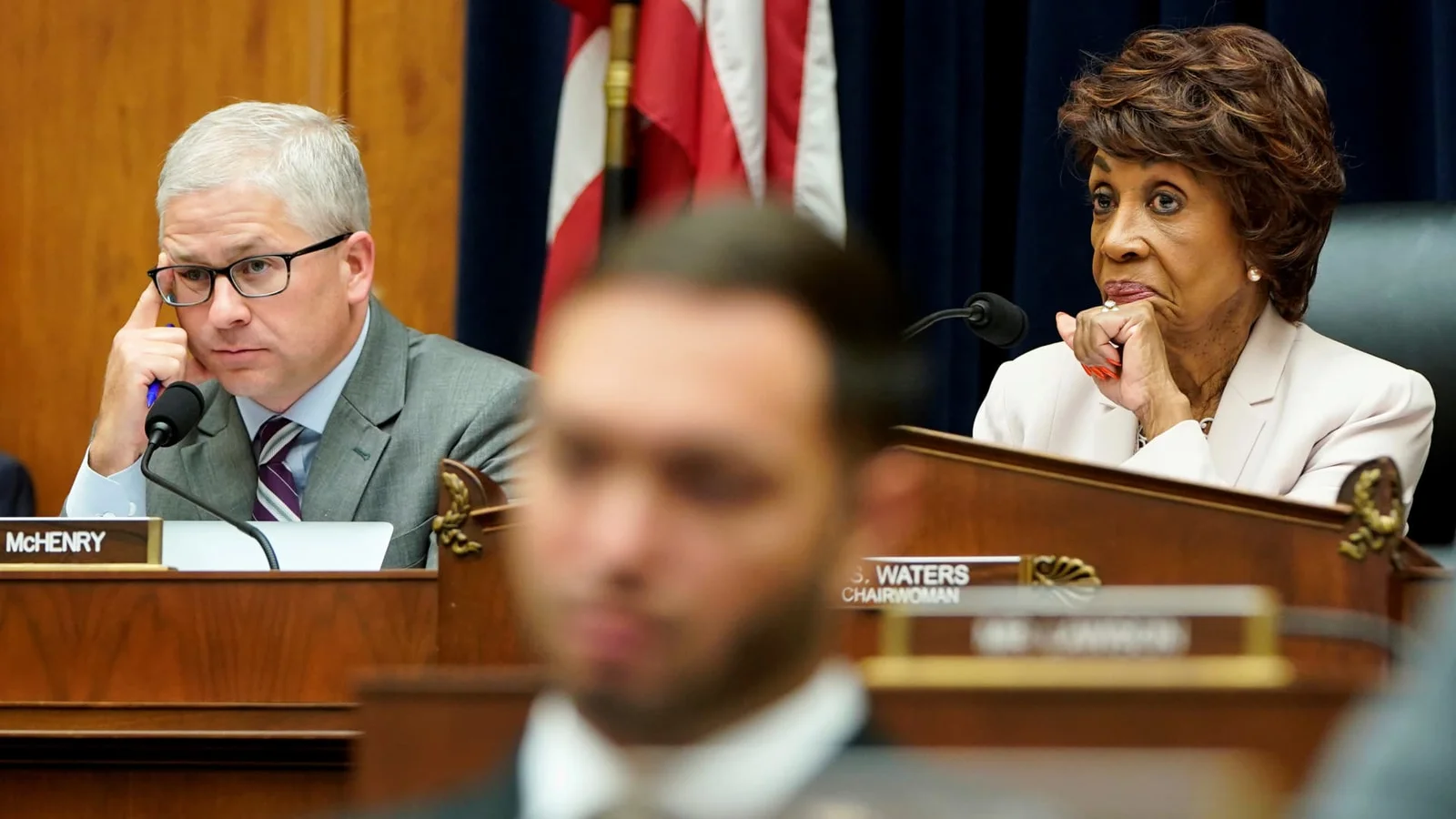
During a House Financial Services Committee hearing, Democratic lawmakers pressed Treasury Secretary Scott Bessent on oversight of the U.S. financial system, with heated exchanges and interruptions that underscored partisan tensions.
At a House Financial Services Committee hearing, Treasury Secretary Scott Bessent clashed with Maxine Waters over tariffs inflationary impact, with Waters pressing about a claimed warning that tariffs are inflationary and Bessent denying that wording while arguing tariffs inflation effect is modest; the exchange highlights the ongoing debate over tariffs price effects on housing and consumers.
In a House Financial Services Committee hearing, Treasury Secretary Scott Bessent called for greater Federal Reserve accountability and said the central bank has lost public trust amid high inflation and the Fed’s costly headquarters renovation, while defending its independence. He declined to state whether the president can fire a Fed governor or chair, noted political and legal scrutiny surrounding Chair Jerome Powell and the Warsh nomination, and highlighted debates over how the Fed is funded and its influence on monetary policy.
The U.S. Securities and Exchange Commission (SEC) is facing pressure from lawmakers to ease its oversight of the crypto industry, with criticism mounting over the enactment of Staff Accounting Bill 121 and the SEC's authority over crypto firms. The House Financial Services Committee voted to appeal SAB 121, which has been used to prevent banks from acting as custodians of digital assets, while eleven state attorneys general filed a joint brief challenging the SEC's authority in a lawsuit against crypto exchange Kraken's parent company. SEC Commissioner Hester Peirce also acknowledged the regulator's "enforcement-only mode," expressing the need for clearer rules to alleviate developers' concerns about legal repercussions.
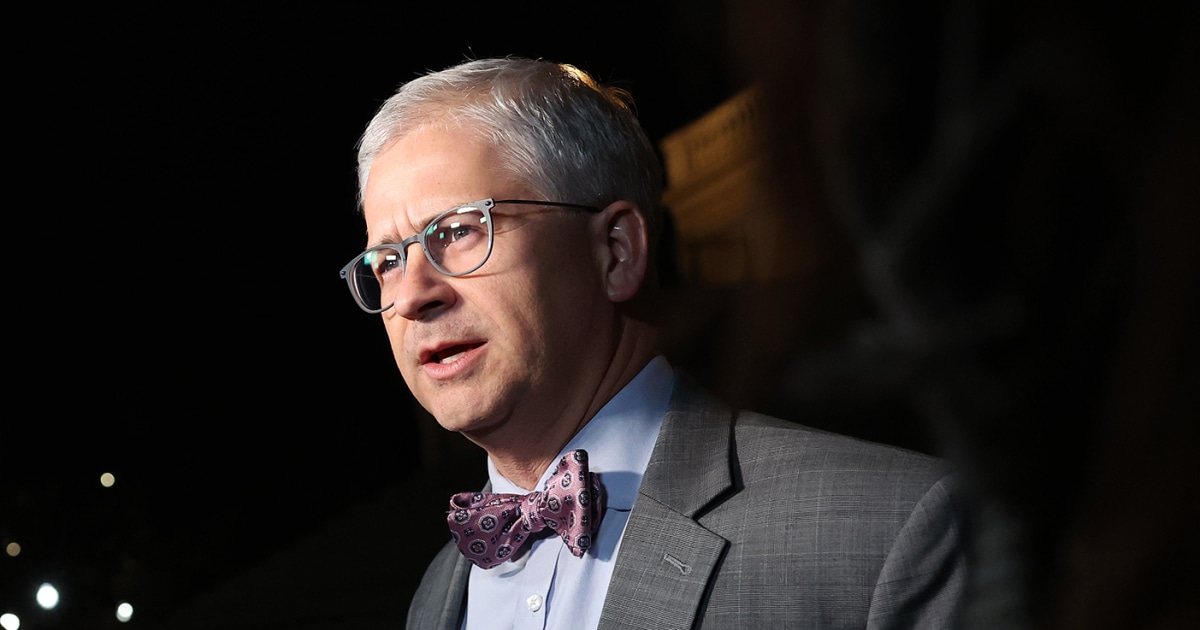
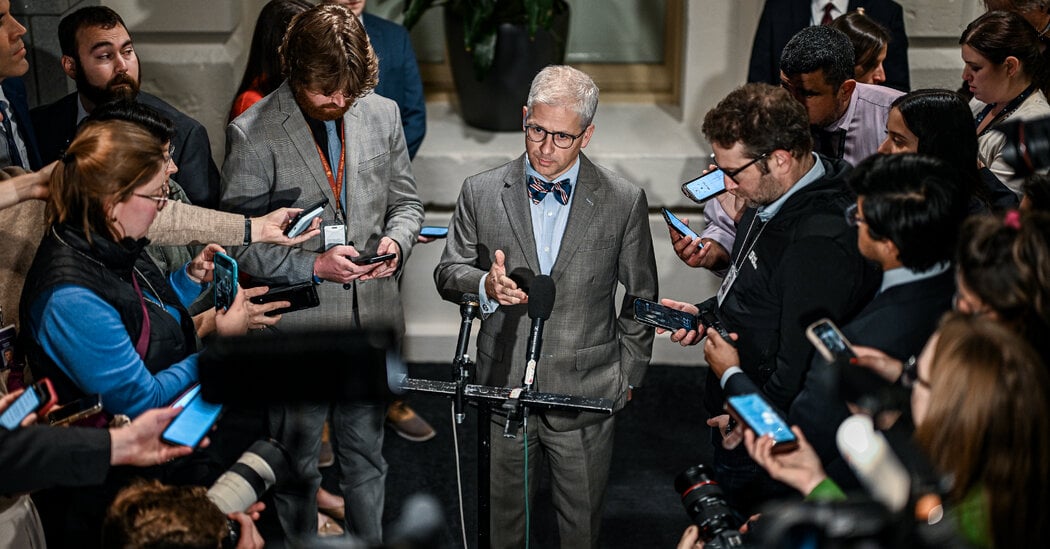
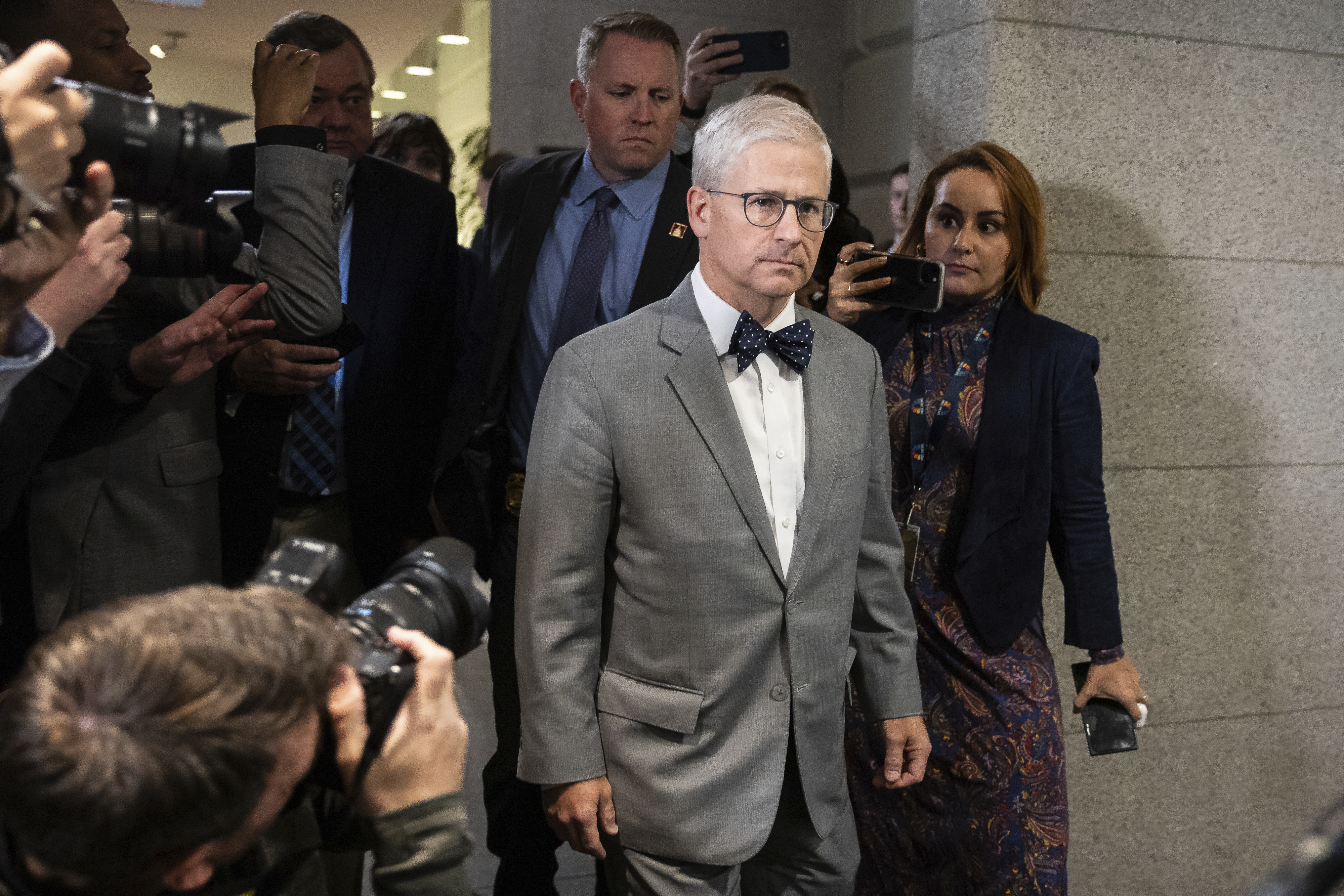
Rep. Patrick McHenry, a Republican congressman from North Carolina, has announced that he will not seek re-election in 2024. McHenry, who served as the temporary House Speaker pro tempore in October, is known for his conservative positions but is respected for his pragmatism and ability to work across party lines. His decision adds to the growing trend of moderate and institutionalist Republicans leaving Congress, and comes as former President Donald Trump leads the GOP primary polls for a potential comeback bid. McHenry expressed confidence in the future of the institution and the emergence of new leaders.
Representative Patrick T. McHenry of North Carolina, former interim speaker of the House, announced that he will be leaving Congress at the end of his term. McHenry, who chairs the House Financial Services Committee, joins a growing number of lawmakers exiting Congress due to the intense dysfunction in Capitol Hill. His departure is not expected to have a significant impact on the race for control of the House, as his successor is likely to be another Republican.
Rep. Patrick McHenry expressed frustration and uncertainty about the House GOP's ability to maintain unity after his three-week stint as caretaker speaker. He revealed his initial anger upon assuming the role and discussed his efforts to hold the House together. McHenry emphasized the need for Republicans and Democrats to come together on issues such as appropriations and international conflicts. He also announced his reelection campaign and highlighted his focus on his role as chair of the House Financial Services Committee, particularly in passing cryptocurrency regulation bills.
Congress made progress on regulating the crypto industry before their August recess. The House Financial Services Committee advanced a bill to establish a regulatory framework for payment stablecoins, allowing new stablecoin issuers under certain conditions. The committee also approved a framework for crypto regulation, defining when a digital asset is a commodity or security. However, the Senate passed a defense funding bill that includes measures opposed by the crypto industry, such as establishing examination standards to prevent illicit use of cryptocurrencies and conducting a study on countering anonymous crypto transactions. The Senate bill will need to be reconciled with the House version in the fall.
Rep. Maxine Waters is urging the House Financial Services Committee to hold a hearing on the implications of big tech's foray into artificial intelligence (AI) for the housing and financial services industry. Waters warns that if AI’s growth is not monitored closely, it could inflict large-scale societal and economic harm, including the potential for exposing consumers’ data, creating inaccurate financial assessments, and spreading misinformation, posing risks to financial stability. Waters spearheaded a task force last congress on financial technologies and AI, which raised ethical and legal concerns about bias and discrimination by algorithms.
Republicans on the House Financial Services Committee have released a new draft of legislation to regulate stablecoin issuers, which focuses on rules governing the registration and approval process for individual prospective stablecoin issuers. The bill contains many of the features of a version that was negotiated last year, such as the requirement that payment stablecoin issuers be approved and regulated by either a "federal payment stablecoin regulator" or "a registered State qualified payment stablecoin issuer." The new draft envisions a larger role in the market for state regulators, despite the fact that the vast majority of states do not have a stablecoin regulatory framework in place yet.
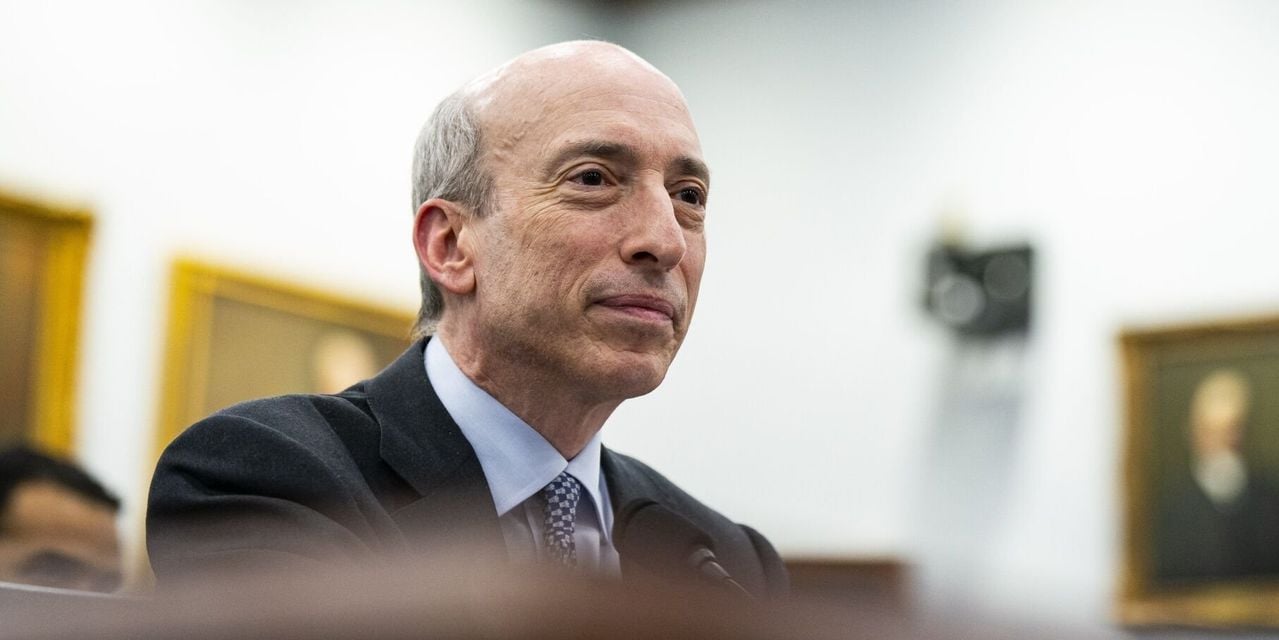
SEC Chair Gary Gensler defended his agency's crackdown on cryptocurrency markets, stating that he had never seen an industry so routinely break securities laws. During a five-hour hearing before the House Financial Services Committee, Gensler said that he had been around finance for 40 years and had never seen a field that is so noncompliant with laws written by Congress and confirmed over and over again by the courts.
Republicans on the House Financial Services Committee criticized SEC Chair Gary Gensler's approach to crypto companies ahead of a congressional hearing, arguing that his approach was not "compatible" with existing law. They claimed that national securities exchange regulations are a poor fit for digital assets because cryptocurrencies can be used for noninvestment purposes. Gensler is set to testify before the committee on Tuesday, and a subcommittee will hold a more crypto-specific hearing on stablecoins on Wednesday.
The House Financial Services Committee has scheduled its first hearing on the failures of Silicon Valley Bank and Signature Bank, with FDIC Chairman Martin J. Gruenberg and Federal Reserve Vice Chair Michael S. Barr set to testify. The hearing follows President Joe Biden's request to Congress to allow financial regulators more authority to claw back compensation from executives at failed banks. The Federal Deposit Insurance Corporation seized SVB's deposits on March 10, hours after the bank's executives received bonuses.
The House Financial Services Committee will hold a bipartisan hearing with federal financial regulators on March 29, 2023, in response to the failures of Silicon Valley Bank and Signature Bank. The Committee aims to understand why and how these banks failed and will conduct the hearing without fear or favor to deliver answers to the American people and protect depositors, promote the safety and soundness of America’s banks, and strengthen the financial system.