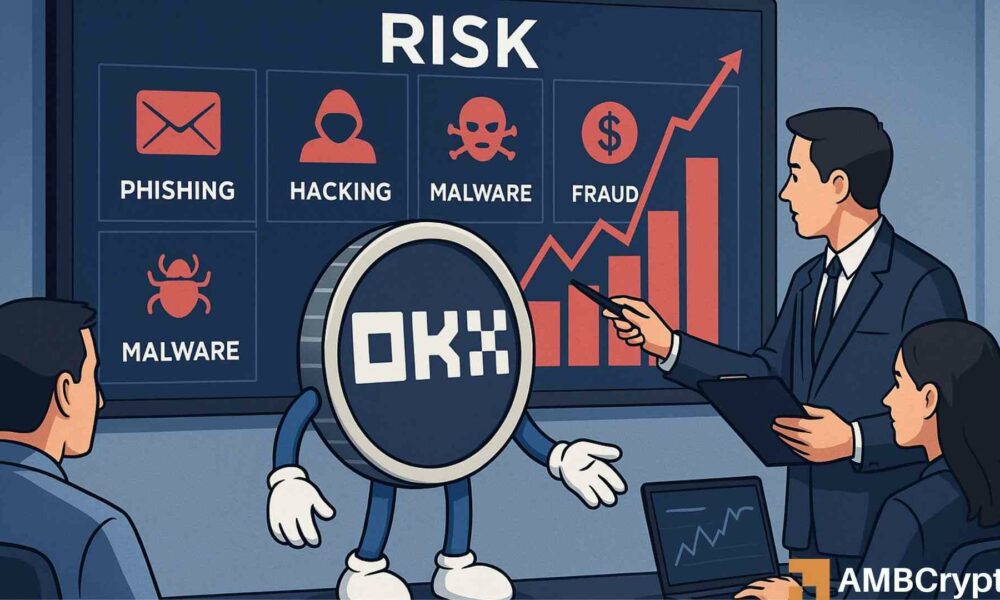
OKX, a major crypto exchange, faces user complaints over account freezes and strict compliance measures, with its CEO acknowledging high false-positive rates in its risk control system. The company is under increased regulatory scrutiny, especially in the U.S., and is working to improve user experience while maintaining compliance.
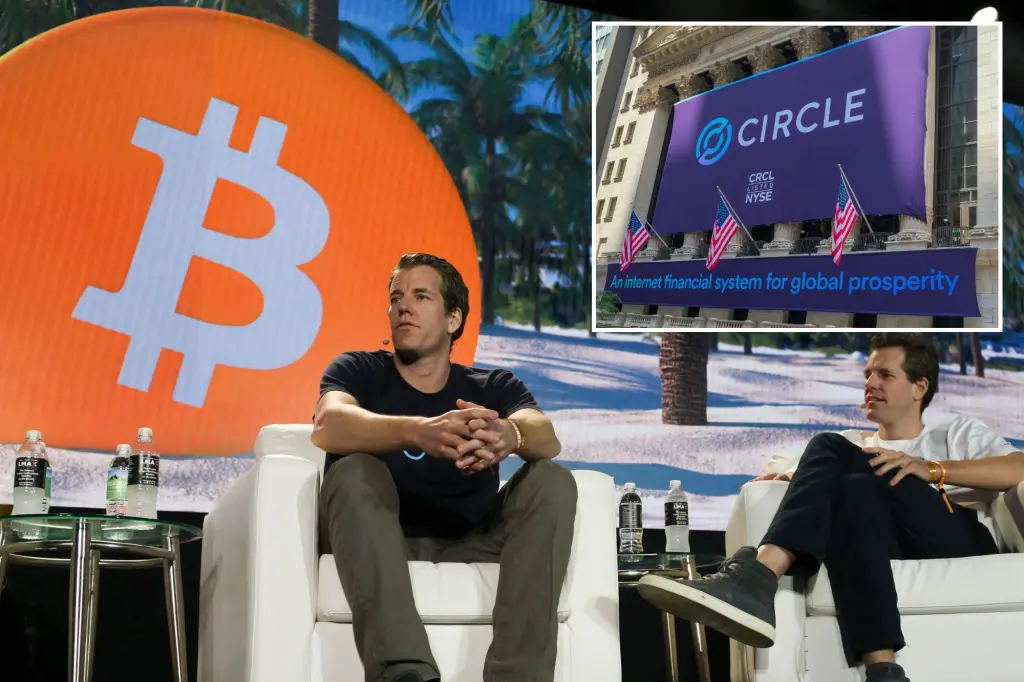
Gemini, the crypto exchange founded by the Winklevoss twins, has confidentially filed for an IPO amid renewed market enthusiasm following successful listings like Circle's debut on the NYSE, signaling increased confidence and mainstream acceptance in the digital asset industry, despite ongoing regulatory challenges.
U.S. federal prosecutors have charged crypto exchange KuCoin and its founders with violating anti-money laundering laws, alleging that the exchange operated in the U.S. without registering or implementing proper KYC and AML programs. The indictment claims KuCoin facilitated money laundering and received over $5 billion in suspicious and criminal funds. Additionally, the CFTC filed a suit against KuCoin for not registering as a futures commission merchant and failing to implement a KYC program. KuCoin's native token (KCS) dropped 5% following the announcement, and Bitcoin's price also experienced volatility.
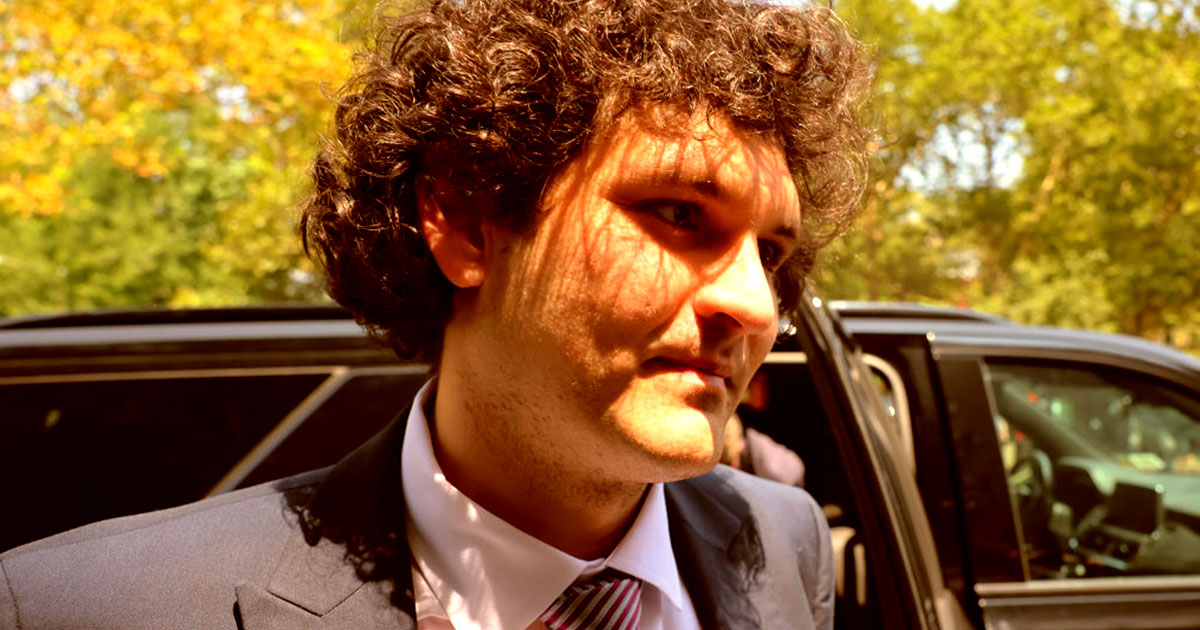
FTX's new CEO, John Ray, has criticized his predecessor, Sam Bankman-Fried, for making false claims in an attempt to reduce his potential 40-to-50-year prison sentence. Bankman-Fried's assertions that the harm to FTX customers was "zero" were refuted by Ray, who highlighted the billions of dollars stolen and mishandled funds. The collapse of FTX led to a drawn-out trial, with negotiations to revive the exchange facing challenges. Ray emphasized that Bankman-Fried remains culpable and that customers are seeking compensation in the form of their coins, which have surged in value. With sentencing approaching, it's unlikely that Bankman-Fried will receive a lenient ruling.
The U.S. Securities and Exchange Commission (SEC) is facing pressure from lawmakers to ease its oversight of the crypto industry, with criticism mounting over the enactment of Staff Accounting Bill 121 and the SEC's authority over crypto firms. The House Financial Services Committee voted to appeal SAB 121, which has been used to prevent banks from acting as custodians of digital assets, while eleven state attorneys general filed a joint brief challenging the SEC's authority in a lawsuit against crypto exchange Kraken's parent company. SEC Commissioner Hester Peirce also acknowledged the regulator's "enforcement-only mode," expressing the need for clearer rules to alleviate developers' concerns about legal repercussions.
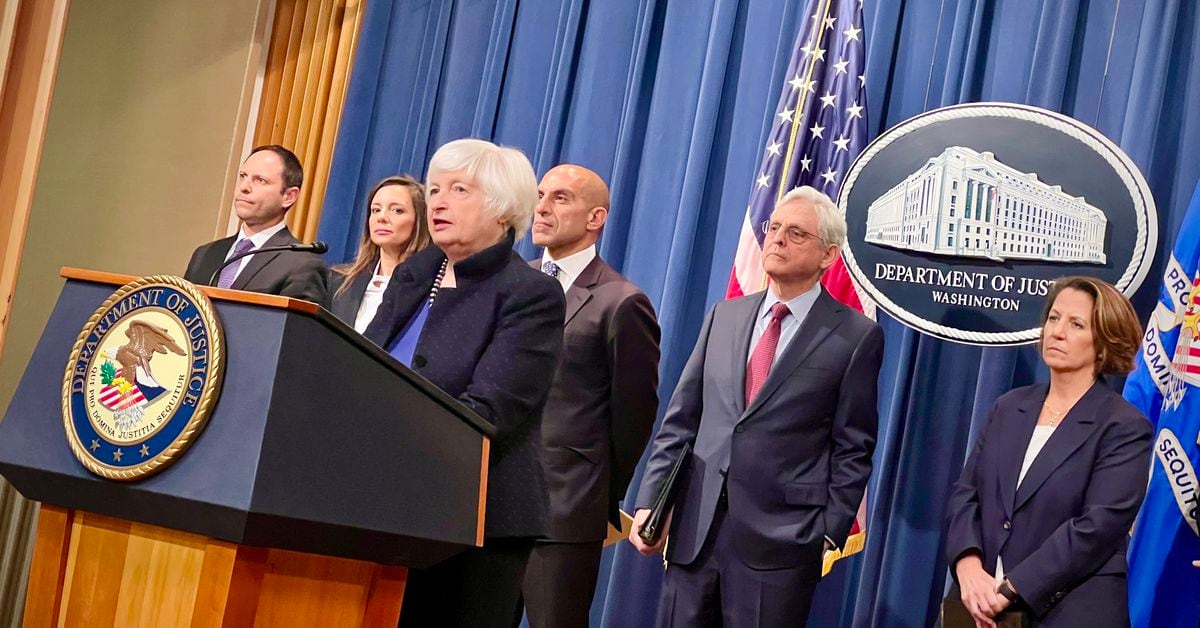
A federal judge has approved Binance's $4.3 billion plea deal with the U.S. Department of Justice, settling allegations of violating sanctions and anti-money-laundering laws. The deal includes a fine, appointment of an independent compliance monitor, and the resignation of Binance's CEO at the time, Changpeng Zhao. Binance has stated that it has improved its compliance efforts and looks to set the industry standard for compliance, security, and transparency.
The U.S. federal government has charged three individuals with a phone hacking conspiracy, alleging their involvement in the theft of $400 million from FTX during the crypto exchange's collapse. The trio is accused of operating a SIM swapping ring and targeting fifty victims between March 2021 and April 2023, with the most notable heist being the siphoning of funds from FTX in November 2022. This development sheds light on the mystery surrounding the disappearance of hundreds of millions of dollars in crypto from the exchange during its bankruptcy protection filing.
Hong Kong-based crypto exchange HashKey Group has nearly reached its $100 million fundraising target, giving it a valuation of $1.2 billion and unicorn status. The fundraising round was announced in August after the firm obtained a license from Hong Kong’s security regulator. Despite a recent industry downturn, the dynamic rally of bitcoin and other major digital assets in the fourth quarter of 2023, along with the approval of the bitcoin ETF, has brought a sense of optimism for many funds going into 2024.
KuCoin, a crypto exchange based in Seychelles, has agreed to pay over $22 million to settle a lawsuit with the New York Attorney General (NYAG) over the illegal sale of securities and commodities. As part of the settlement, KuCoin will cease all operations in New York and pay refunds to New York-based users. While KuCoin admitted to operating a crypto exchange where users can buy or sell securities or commodities, it did not specifically acknowledge Ethereum as a security, which was the NYAG's initial aim. This settlement highlights the need for crypto companies to comply with regulations, and it follows New York's history of having strict crypto policies.
Binance founder Changpeng "CZ" Zhao is currently unable to leave the U.S. as a federal judge considers a motion by the U.S. Department of Justice. Zhao recently pleaded guilty to violating the Bank Secrecy Act and resigned as CEO of Binance. The exchange itself pleaded guilty to charges of violating sanctions and money transmission laws, agreeing to pay a $4.3 billion fine. Zhao's release on a $175 million bond was granted, allowing him to return to the UAE, but the DOJ argues he could be a flight risk and wants him to remain in the U.S. until his sentencing in early 2024.
Changpeng Zhao, the CEO of Binance, has stepped down and pleaded guilty to breaking U.S. anti-money laundering laws as part of a $4.3 billion settlement with the Justice Department. The settlement resolves criminal charges against Binance for conducting an unlicensed money transmitter business, conspiracy, and breaching sanctions regulations. Zhao will personally pay $50 million and is barred from all involvement with Binance. He could face a prison sentence of 10 to 18 months, with prosecutors seeking an 18-month term. Richard Teng, a senior Binance executive, has been appointed as the new CEO.
Cryptocurrency exchange Bullish, led by former NYSE President Tom Farley, has acquired CoinDesk in an all-cash deal from Digital Currency Group. CoinDesk will operate as an independent subsidiary of Bullish, with its current management team remaining in place. An editorial committee, chaired by former Wall Street Journal Editor-in-Chief Matt Murray, will also be formed. Financial terms of the deal were not disclosed.
Former FTX general counsel Can Sun and former Alameda Research software developer Armani Ferrante are launching a new crypto exchange called Trek Labs, based in Dubai. Trek Labs recently obtained a license from the Virtual Assets Regulatory Authority and plans to allow users to self-custody their funds. The exchange, which received funding from FTX's venture arm, is looking to sell a 10% stake and aims to launch in beta later this month.
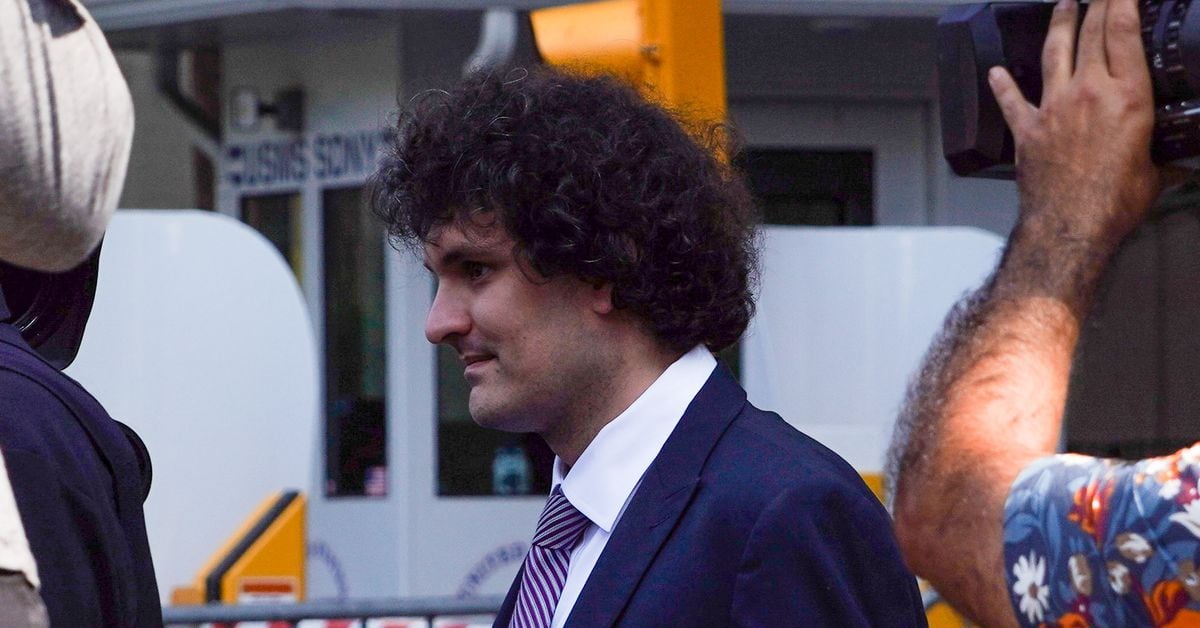
Sam Bankman-Fried, the founder of FTX, has been convicted by a New York federal jury of stealing billions of dollars from customers in what prosecutors have called one of the largest financial frauds in U.S. history. The verdict marks a significant downfall for Bankman-Fried, who was once considered a crypto king and had built FTX into a prominent trading platform with high-profile sponsorships and celebrity endorsements.
The jury has begun deliberations in the trial of Sam Bankman-Fried, the founder of FTX, who is facing charges of fraud and conspiracy following the collapse of his cryptocurrency empire. The jurors will decide whether Bankman-Fried is guilty of the crimes that contributed to the downfall of the crypto exchange.