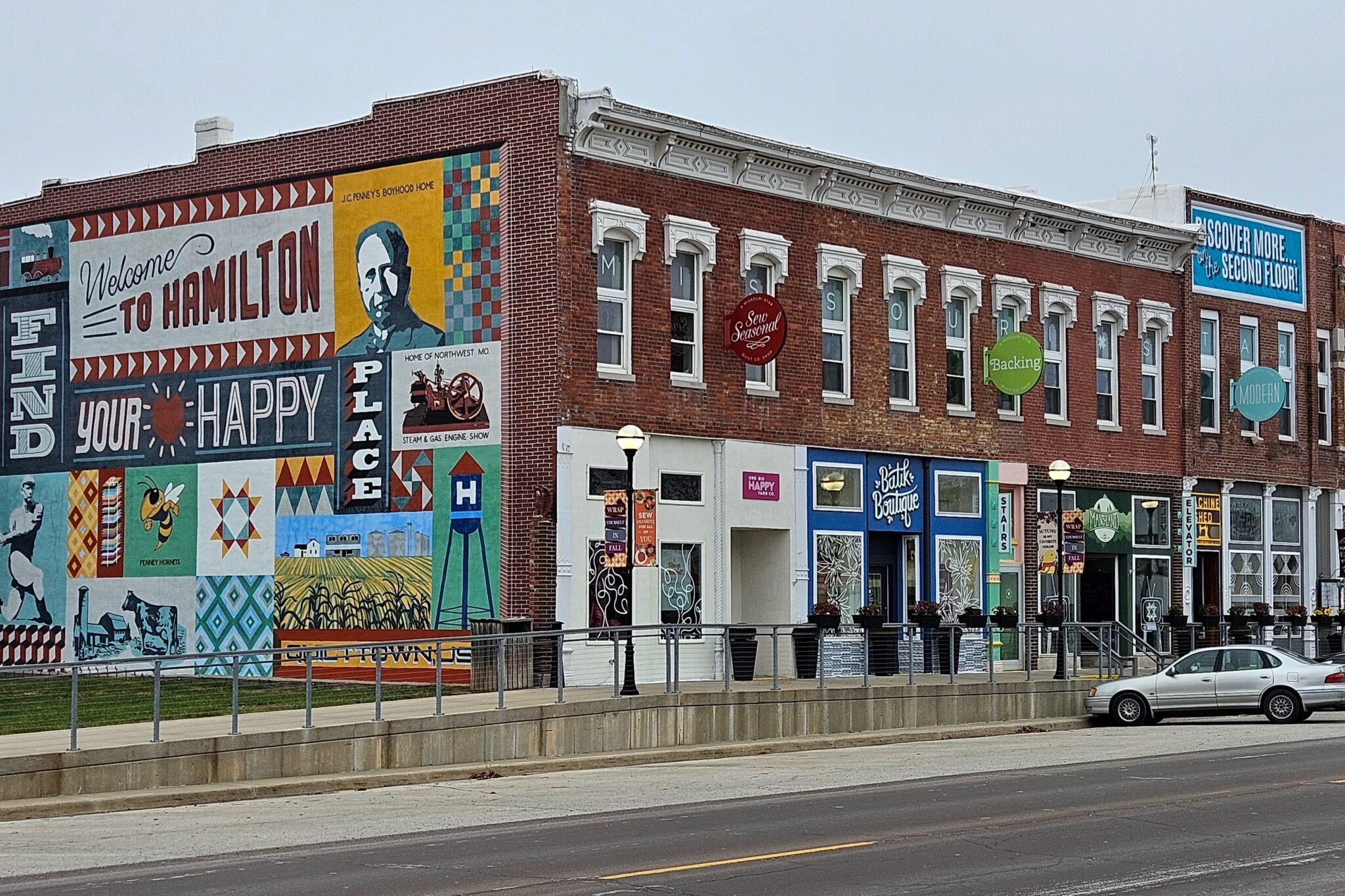
Missouri property owners, especially in Hamilton, face significantly higher tax bills due to reassessment practices that increase property values faster than the overall market, with proposed reforms like separate tax rates for different property classes to address inequities. The current system dilutes the effect of tax caps, leading to shifting burdens among property types, and efforts are underway to improve assessment fairness and transparency.
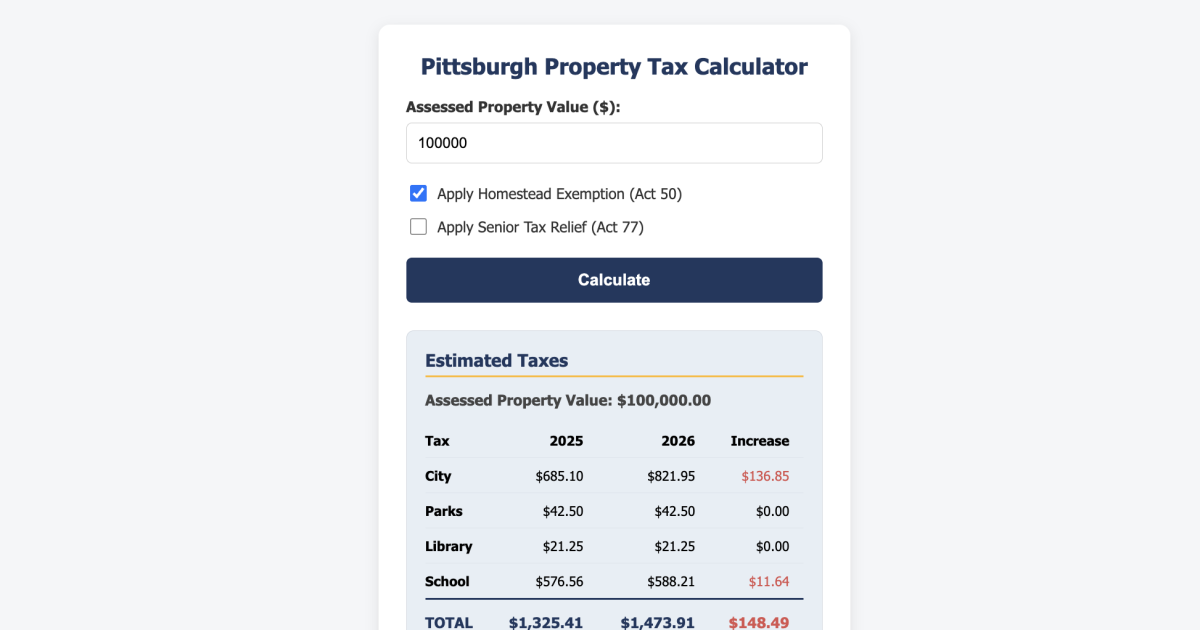
Pittsburgh City Council approved a 20% property tax increase for 2026, with the final decision pending mayoral review. The increase affects city, school, parks, and library taxes, and residents can estimate their new taxes using an online calculator that considers assessed property values, exemptions, and discounts.
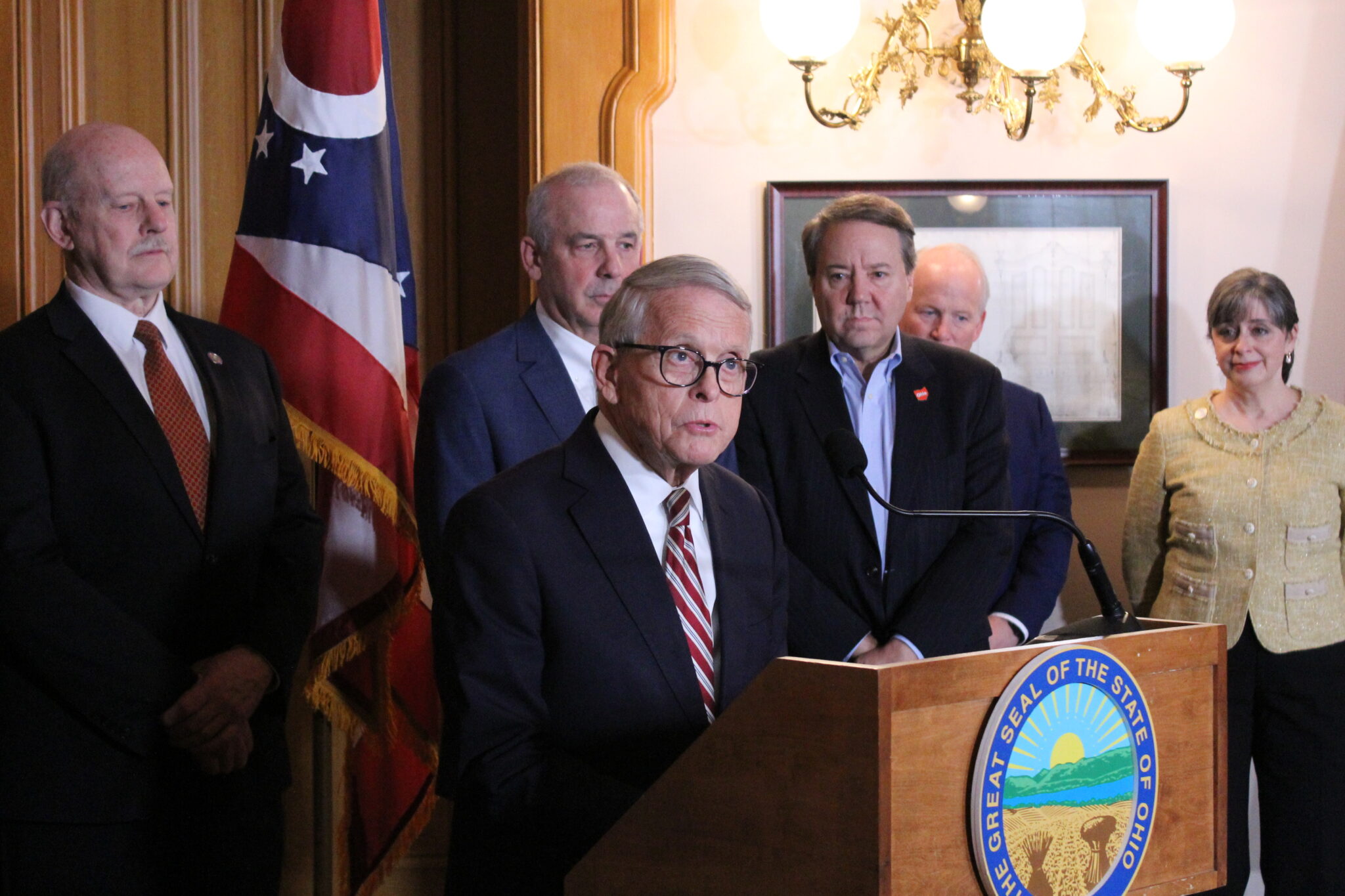
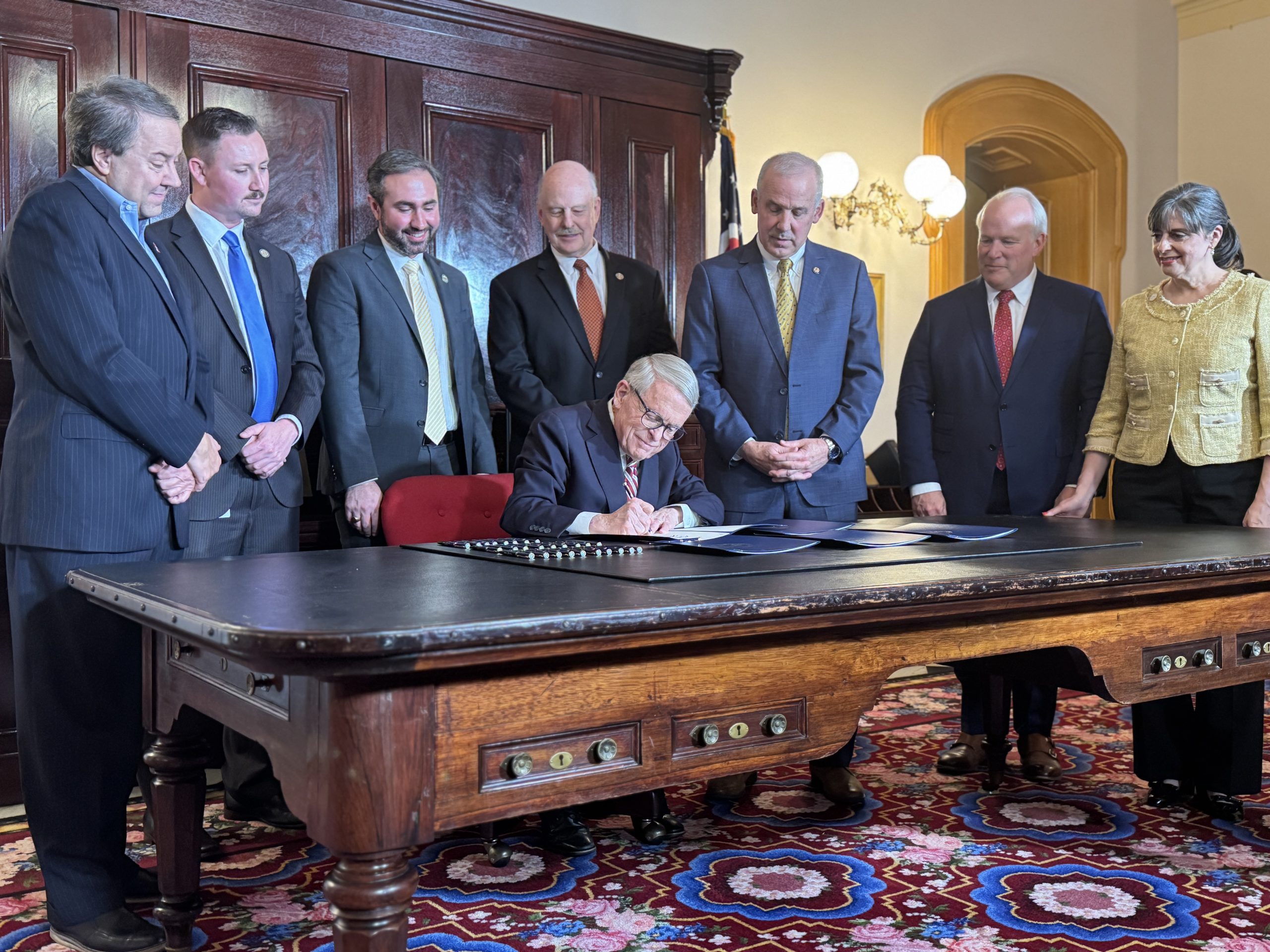
Ohio Governor Mike DeWine signed legislation including property tax measures and Avery's Law, despite concerns over voting restrictions and property tax initiatives, aiming to provide tax relief and enhance dog attack protections, amid ongoing debates over election laws and tax policies.
Governor DeWine signed five bills overhauling Ohio's property tax system, primarily capping future increases and providing billions in tax relief, though at the cost of reduced revenue for schools and local governments, amid ongoing debates and a grassroots effort to abolish property taxes entirely.
Wisconsin homeowners are facing the highest property tax increases since 2018, driven by stagnant state support, increased school funding needs, and voter-approved referendums, leading to significant hikes in local taxes and raising concerns about housing affordability.
In 2024, the cost of homeownership in Texas increased despite efforts to reduce property taxes, with homeowners facing higher expenses for insurance and utilities, and rent prices remaining above pre-pandemic levels, while incomes have only modestly grown.
States like Rhode Island and Montana are implementing new taxes on luxury and second homes owned by the wealthy, including a notable 'Taylor Swift Tax' in Rhode Island, aiming to increase revenue but facing criticism for potentially discouraging high-net-worth individuals from owning or purchasing property in these areas, which could impact local economies and housing markets.
The Kosters moved from Salt Lake City to Justin, Texas, seeking a slower pace and new career opportunities, despite higher property taxes and cultural differences. They enjoy their new home, the small-town vibe, and the warmer weather, though they miss Utah's mountains and their friends.
Retirees are increasingly choosing West Virginia and South Carolina as their new hotspots due to their low property taxes and affordability, with West Virginia ranking highly for its scenic living and cultural scene, making these states attractive options for those looking to manage costs and inflation in retirement.
Texas lawmakers have filed a series of bills for the 2025 session focusing on reducing property taxes, expanding abortion access, and implementing school choice programs. Proposals include eliminating property taxes, using surplus revenue for tax relief, and increasing homestead exemptions. On abortion, bills aim to expand legal circumstances for the procedure, while others seek to tighten restrictions. Education bills propose school vouchers and curriculum changes, including ethnic studies and restrictions on teaching gender identity. Additionally, legislation addresses border security, higher education, and gun rights, reflecting ongoing partisan divides.
Gov. Jim Pillen's plan to raise sales taxes to reduce local property taxes, known as Legislative Bill 388, suffered a stunning defeat on the final day of the 2024 state legislative session. The bill faced opposition for doing little to relieve property taxes and containing likely unconstitutional clauses. The defeat likely ensures a special session on taxes, as Pillen has vowed to keep senators in session until Christmas if necessary to achieve a 40% reduction in local property taxes. The bill faced criticism for hurried assembly and last-minute amendments, and opponents are now discussing alternative paths to lower property taxes, such as legalizing marijuana and online gaming.
Property taxes vary widely by location, with New Jersey, Connecticut, New York, New Hampshire, and Massachusetts having the highest median property tax bills for single-family homes in 2023, while West Virginia had the lowest. The amount of property taxes paid is influenced by home values and individual state property tax rates, with hyperlocal variations within states. Homeowners in the greater New York City area, including surrounding cities and suburbs, faced the highest property tax bills, with Westchester County, New York, having the highest median value of $15,373.
As Tax Day approaches in the US, a study by WalletHub has ranked the 50 states by their total tax burden, which includes individual income taxes, property taxes, and sales and excise taxes. New York State has the highest tax burden, over 12 percent, followed by Hawaii, Vermont, Maine, and California. On the other end, Alaska has the lowest tax burden at less than 5 percent. Maine, Vermont, and New Jersey were found to have the highest property taxes, while Washington, Nevada, and Hawaii had the highest combined sales and excise taxes.
Milwaukee voters narrowly approved a referendum to increase property taxes for Milwaukee Public Schools, with unofficial results showing 51% in favor and 49% against. The measure is projected to raise about $140 million for the next school year, with support from top Democrats and various organizations. The referendum faced opposition from business interests and critics who argued for more budget cuts before seeking additional funding. Without the referendum, MPS projected a $200 million budget shortfall and planned significant staff cuts.
Arpit Gupta, associate professor of finance at NYU Stern School of Business, discusses the potential "financial urban doom loop" caused by the collapse in office real estate and its impact on big cities like New York and San Francisco. He highlights the role of property taxes in driving this cycle and explores the challenges facing urban areas in the future, including the lag in data and the unique recovery challenges for cities like San Francisco.