Replacing high-fructose corn syrup with cane sugar in sodas does not significantly impact health, as both are similar in calories and metabolic effects; overall sugar intake is the key factor in health outcomes.
Starting this fall, Coca-Cola will offer a version sweetened with domestic cane sugar instead of high-fructose corn syrup in the U.S., a move praised by some officials but debated by health experts who note that cane sugar is not necessarily healthier. Both sweeteners are ultra-processed and linked to health risks like obesity and diabetes, with current high sugar consumption in the U.S. remaining a major concern. Experts emphasize that reducing overall processed food intake and sugar consumption should be the priority for improving public health.
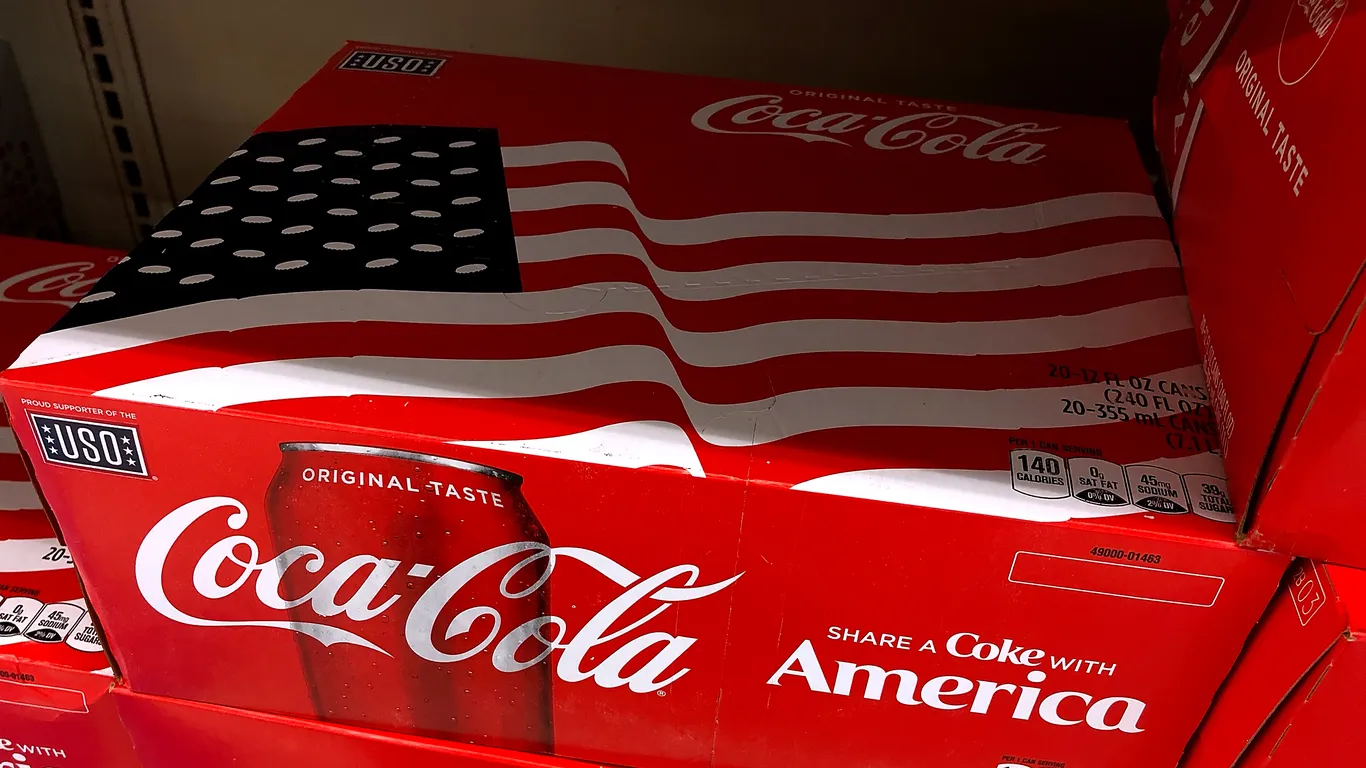
Coca-Cola plans to introduce a US product made with cane sugar later this year, following claims by Donald Trump that the company would switch from high-fructose corn syrup to cane sugar, aiming to offer consumers more choices without replacing its existing formula.
Coca-Cola announced it will launch a new version made with cane sugar in the fall, following President Trump's claim that he persuaded the company to replace high-fructose corn syrup, though the flagship recipe will remain unchanged. The new product aims to offer more choices, but health experts continue to warn about the risks of excessive sugar consumption.
President Trump announced Coca-Cola will switch from high-fructose corn syrup to cane sugar in the U.S., but experts say the health differences are minimal and excessive consumption of either sweetener is unhealthy. Both sweeteners can contribute to metabolic issues if consumed in excess, and the switch may not significantly improve health outcomes.
President Trump announced that Coca-Cola might replace high-fructose corn syrup with cane sugar in US products, but health experts agree that switching types of sugar doesn't make soda healthier, as excessive sugar consumption is harmful regardless of the source. The debate involves economic and trade considerations, with health advocates emphasizing reducing overall sugar intake for better health.
President Trump claimed Coca-Cola is switching to cane sugar, which alarmed corn syrup lobbyists who warn that this change could threaten thousands of jobs and harm American corn farmers, though Coca-Cola has not yet confirmed the switch.
President Trump claimed to have persuaded Coca-Cola to replace high-fructose corn syrup with cane sugar in the U.S. version of its flagship drink, prompting discussions about the impact on the corn industry and the differences between sugar and corn syrup. Coca-Cola has not confirmed the change but indicated that new product options are forthcoming.
President Trump suggested Coca-Cola might switch to cane sugar, which could lead to significant economic impacts including job losses in the corn industry and increased costs for Coca-Cola, sparking political and economic debates.
President Trump announced that Coca-Cola will start using cane sugar in its US products, moving away from high-fructose corn syrup, though details on the extent of the transition are yet to be disclosed. The change is part of a broader discussion on health and trade impacts, with industry and political reactions highlighting economic and nutritional considerations.
Donald Trump announced that Coca-Cola will start using cane sugar in its US-produced Coke, marking a shift from the long-standing use of high fructose corn syrup, which could impact farmers, the beverage industry, and health debates.
New research suggests that fructose, a sugar prevalent in high-fructose corn syrup, may accelerate cancer growth by being converted into lipids that cancer cells consume. Unlike glucose, fructose is metabolized only in the small intestine and liver, where it is transformed into compounds that support tumor growth. The study, published in Nature, highlights the potential impact of dietary fructose on cancer progression and suggests that reducing fructose intake could be beneficial for cancer patients. However, avoiding fructose is challenging due to its widespread presence in many foods.
Dr. Jen Gunter, a prominent gynecologist, refutes claims made by a chiropractor that high fructose corn syrup (HFCS) is harmful, stating that it is as healthy as honey. Studies show that HFCS is not significantly different from other sweeteners like sucrose and honey in terms of composition and metabolism. Experts emphasize that excessive consumption of any sugar, including HFCS, can lead to weight gain, but there is no evidence to suggest that HFCS is uniquely harmful. The FDA and other credible sources also maintain that there is no safety difference between HFCS and other nutritive sweeteners.
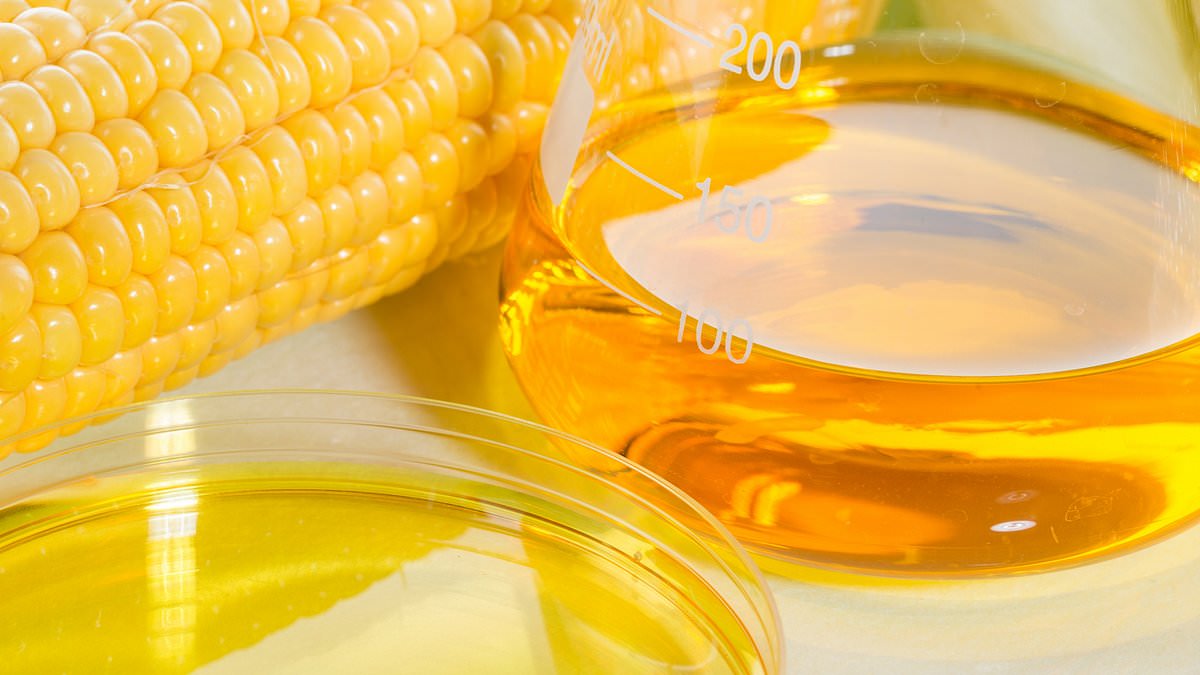
Corn syrup, particularly the high-fructose variety, is a common ingredient found in numerous processed foods and beverages. While it enhances flavor and extends shelf life, overconsumption of corn syrup has been linked to health issues such as heart disease, type 2 diabetes, and obesity. Corn syrup is high in sugar and calories, and excess fructose can be converted into fat storage. It may also have negative effects on the liver and increase the risk of inflammatory-related conditions. The Dietary Guidelines for Americans recommend limiting all added sugars, including high fructose corn syrup, to no more than 50 grams per day. It is important to read food labels and be mindful of the amount of corn syrup and other added sugars consumed.
Food scientists share the ingredients they personally avoid, including artificial dyes, high-fructose corn syrup, sugar alcohols, and tara flour. They caution against the potential health risks associated with these ingredients, such as hyperactivity in children, increased liver fat, and the formation of potentially carcinogenic compounds. They also emphasize the importance of reading food labels and making informed choices about what we consume.