Researchers discovered that gut immune cells, specifically B cells, migrate to the brains of mice with Alzheimer's disease, influenced by inflammatory signals, and that a high-fiber diet can restore gut immune balance and improve quality of life, suggesting a new therapeutic target for Alzheimer's.

A new study suggests that a high-fiber, plant-based diet may help prevent the progression of monoclonal gammopathy of undetermined significance (MGUS) to multiple myeloma, a common form of blood cancer. Conducted on 20 MGUS patients, the research found that dietary changes led to weight loss, improved insulin resistance, and a healthier gut microbiome, all contributing to a slowdown in disease progression. The findings, presented at the American Society of Hematology meeting, highlight the potential of nutrition in cancer prevention, with a larger study planned to further explore these results.
A 7-day high-fiber meal plan designed by a dietitian aims to lower triglyceride levels and improve heart health. The plan includes at least 31 grams of fiber daily, with modifications for different calorie needs (1,500, 1,800, and 2,000 calories). It features a variety of heart-healthy foods like fruits, vegetables, legumes, nuts, seeds, whole grains, and fish, and provides ample protein. The plan is flexible, allowing for meal substitutions and adjustments based on individual preferences and nutritional goals.
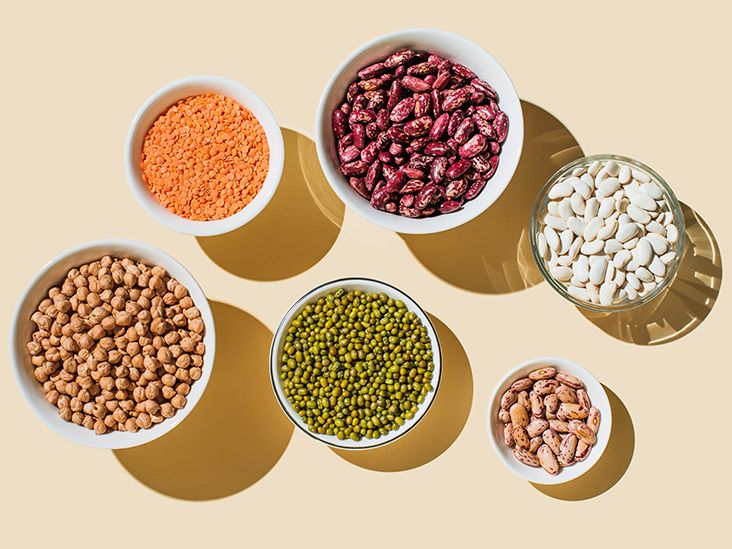
A high fiber diet is important for overall health, with benefits including improved gut health, reduced inflammation, better weight management, and lower risk of cardiovascular disease and colon cancer. Recommended daily fiber intake varies by age and gender, with most adults not meeting the recommended amounts. Foods high in fiber include lentils, oats, black beans, kidney beans, chickpeas, avocados, chia seeds, and raspberries. It's not necessary to eliminate other foods from your diet, but incorporating more high fiber foods can help meet daily fiber goals and improve overall nutrition.
A high-fiber diet can be beneficial for individuals with diabetes, as it helps regulate blood sugar levels, insulin levels, and cholesterol. This 7-day meal plan focuses on whole grains, fruits, vegetables, beans, and legumes to provide at least 35 grams of fiber per day. The plan also eliminates added sugars and provides options for different calorie needs. Foods such as oats, fruits, nuts, and dark leafy greens are recommended for their high fiber content. Following this meal plan can help individuals with diabetes manage their condition and improve overall health.