Tag

Herbicide

All articles tagged with #herbicide

health1 year ago

Herbicide Exposure Tied to Brain Inflammation and Alzheimer's Risk

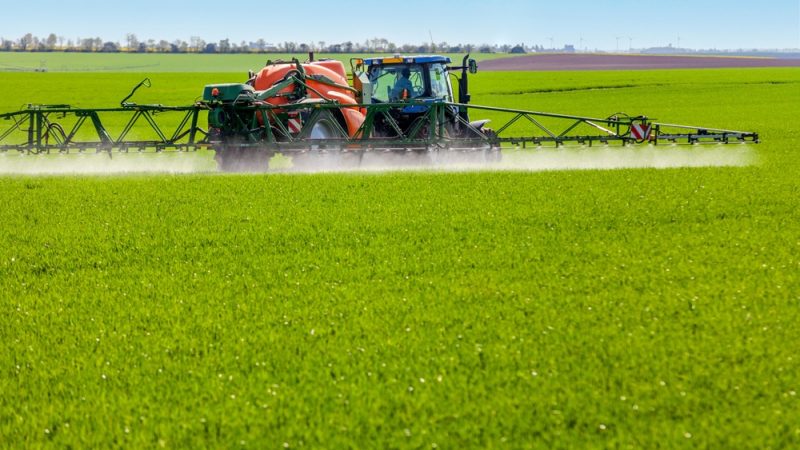
A study from Arizona State University reveals that glyphosate, a common herbicide, can cause long-term brain inflammation and accelerate Alzheimer's-like symptoms in mice, even after short-term exposure. The research highlights the accumulation of glyphosate's metabolite in brain tissue, raising concerns about its safety for humans and its potential role in neurodegenerative diseases. These findings challenge the perceived safety of glyphosate and underscore the need for further investigation into its health impacts.

agriculture1 year ago

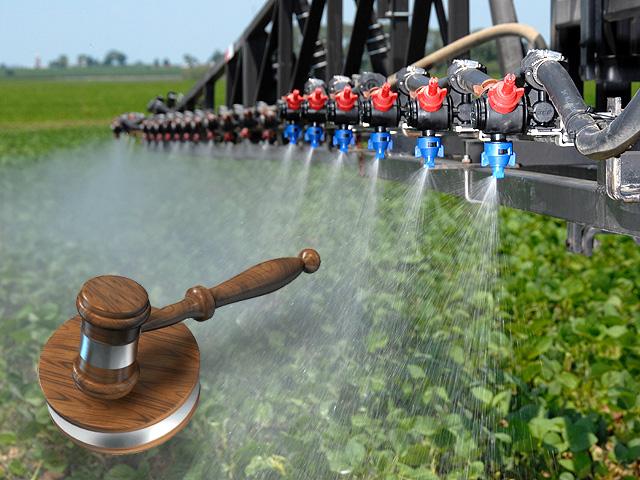
"US Court Ruling Shakes Up Dicamba Availability and EPA Approval Process"

A federal court in Arizona has vacated the 2020 registrations of three dicamba products, including XtendiMax, Engenia, and Tavium, previously approved by the EPA for over-the-top applications on cotton and soybeans. This ruling leaves farmers without dicamba products for the upcoming growing season, pending action by the EPA. The court found the EPA to be in violation of the Federal Insecticide, Fungicide, and Rodenticide Act, and the Administrative Procedure Act. The decision has raised concerns among farmers and industry stakeholders, as they await guidance from the EPA on the next steps.

environment2 years ago

EU Commission Extends Glyphosate Use for 10 Years Despite Environmental Concerns

The European Union has decided to extend the authorization of glyphosate, the controversial active ingredient in Bayer AG's Roundup weedkiller, for 10 years, despite the lack of agreement among member states. While the World Health Organization's cancer research agency concluded in 2015 that glyphosate was probably carcinogenic to humans, other agencies, including the US Environmental Protection Agency and EU agencies, have classified it as non-carcinogenic. The decision has been condemned by environmental groups, such as Greenpeace, who argue that glyphosate has negative effects on human health and the environment.

environment2 years ago

EU Commission proposes 10-year extension for controversial glyphosate use in farming

The European Commission has proposed to renew the approval of glyphosate, a controversial herbicide, for 10 years with certain restrictions. The proposal is based on scientific information and can be reconsidered if necessary. The EU countries will vote on the draft regulation in October, and if approved, glyphosate will continue to be used in plant protection across the EU. The proposal has faced criticism from NGOs and Green lawmakers who argue that it puts the health of EU citizens at risk.

agriculture2 years ago

"Failed antibiotic repurposed as potent weed killer for agriculture"

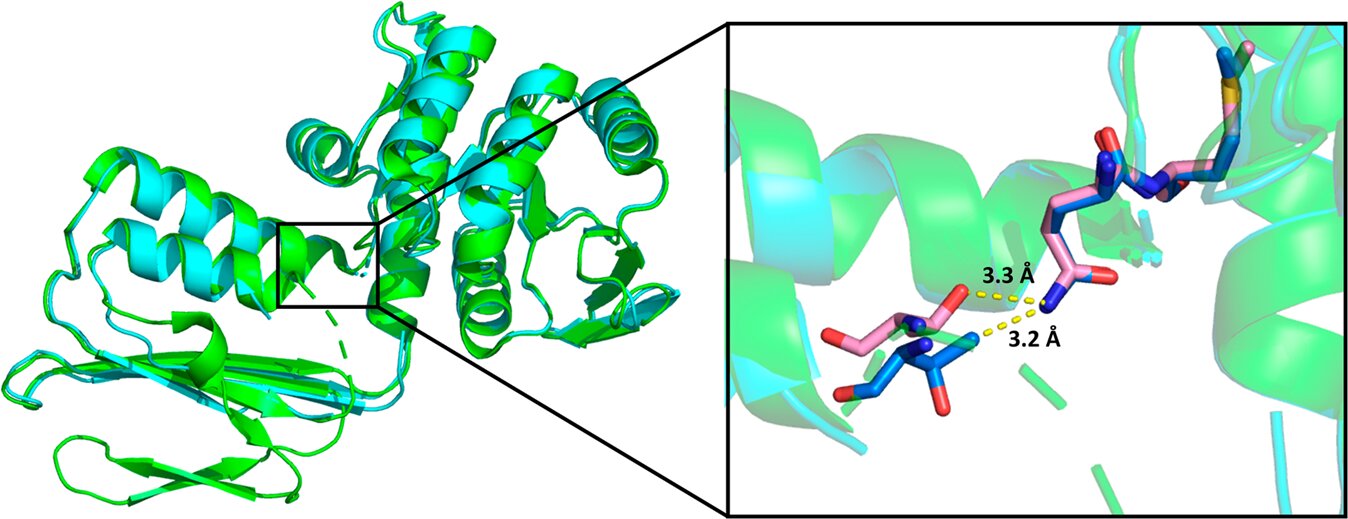
A molecule that was initially developed to treat tuberculosis but failed to progress out of the lab as an antibiotic is now showing promise as a powerful foe for weeds that invade our gardens and cost farmers billions of dollars each year. Scientists at the University of Adelaide discovered that by tweaking its structure, the molecule became effective at killing two of the most problematic weeds in Australia, annual ryegrass and wild radish, without harming bacterial and human cells. This discovery could expedite the commercialization of much-needed new herbicides and lead to the development of new weed killers to target pesky weeds growing in our backyards and driveways.

science2 years ago

How to Identify and Remove Nostoc Commune from Your Yard

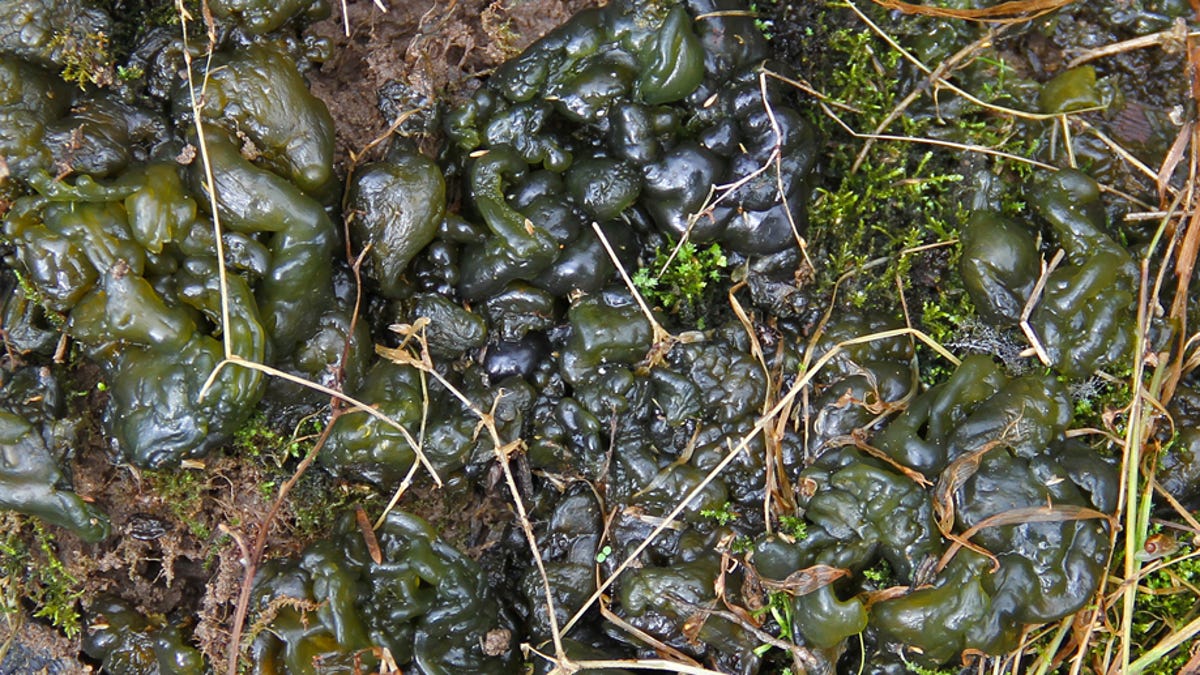
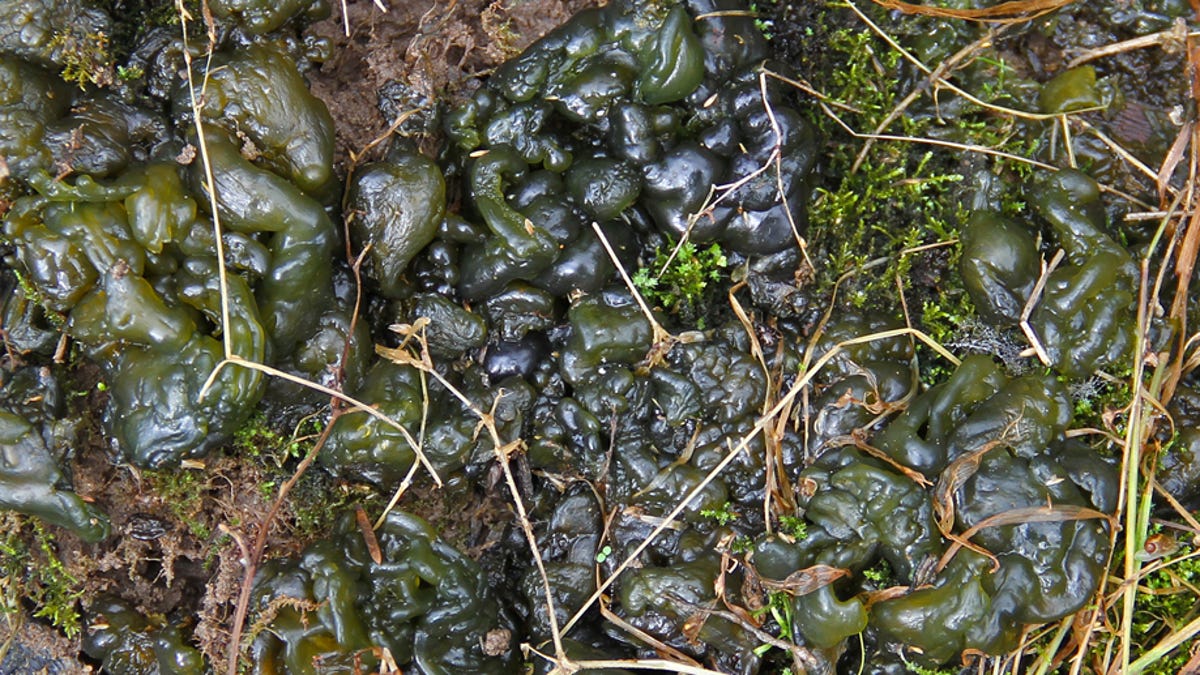
Nostoc commune, a gelatinous bacteria that can grow on soil, gravel, and cement, is commonly mistaken for algae and can appear in dark green, rubbery blobs. It is not harmful to plants, animals, or lawns, but can be slippery to walk on. To prevent it, maintain drainage in wet areas and eliminate phosphorus fertilizers. Scythe, a herbicide, has also been found to be effective in killing the bacteria.

science2 years ago

Star Jelly: The Mysterious Green Blobs in Your Garden

Nostoc commune, a gelatinous, green bacteria that thrives in moisture, is not toxic but can be slippery to walk on. It can grow on soil, gravel, and cement and is commonly seen in nursery and greenhouse walkways. To get rid of it, maintain drainage in wet areas and use Scythe, a herbicide effective in killing the bacteria, according to field trials conducted by Oregon State University.