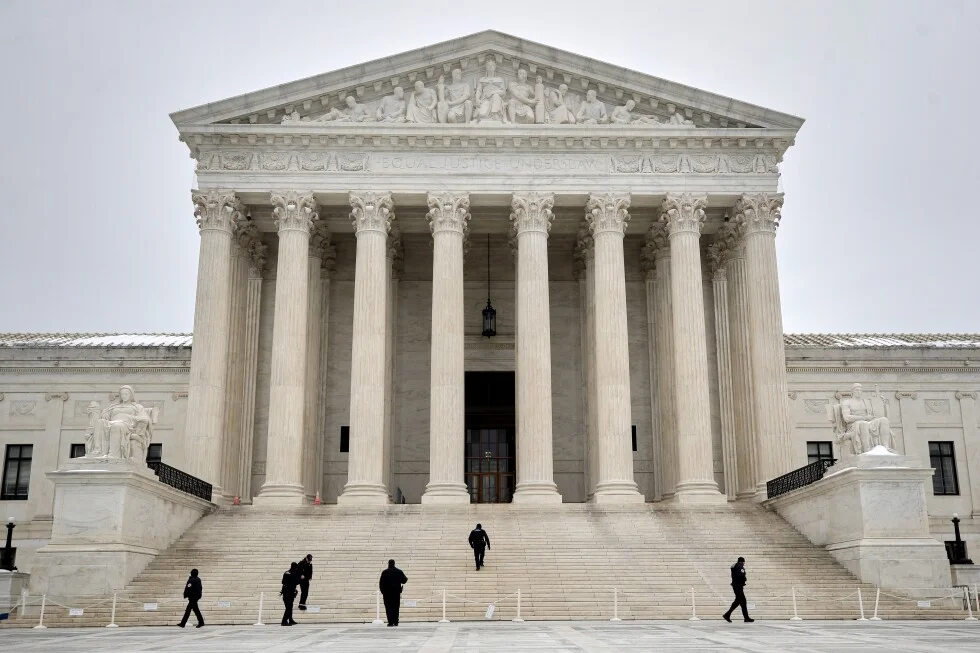
The U.S. Supreme Court ruled against a private prison company in a forced-work lawsuit brought by immigration detainees, a decision that limits the company's potential liability in this case.
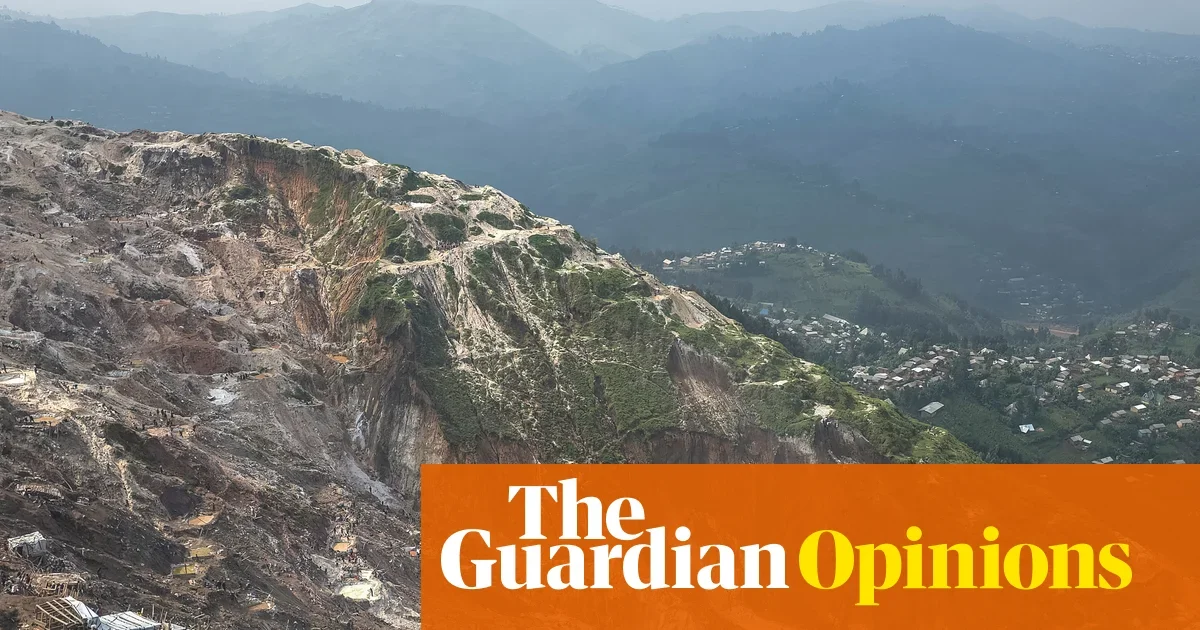
Global powers race to secure critical minerals to outflank rivals, but the DRC’s vast resources are linked to violence and suffering. The Guardian argues that deals and strategic reserves risk entrenching the country’s dependence, bypassing processing capacity and sovereignty, while artisanal miners are killed and communities bear environmental and social costs. It calls for stronger governance, transparency, and genuinely equitable partnerships to ensure energy transition goals do not come at the expense of people’s rights and stability.
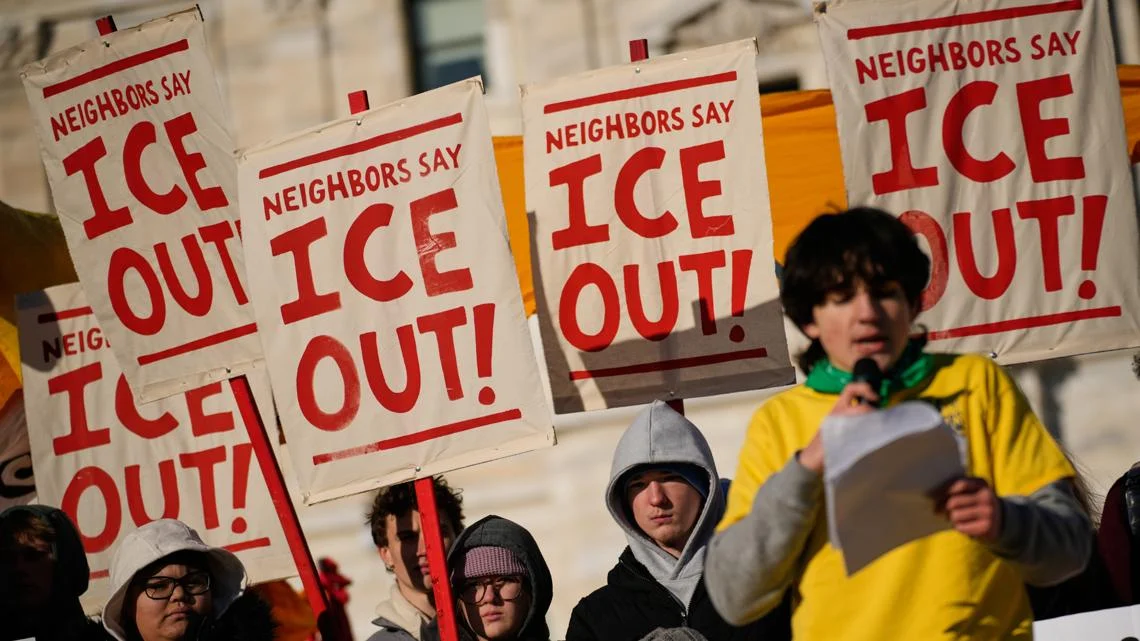
Organized by Women’s March, the Free America Walkout calls for nationwide walkouts on Jan. 20 at 2 p.m. local time, urging people to leave work, school and stores to demonstrate collective power; events are planned in cities like Washington, D.C., Houston and Oklahoma City, with alternatives for those who can’t risk disciplinary action. The protests mark the one-year anniversary of Trump’s return to the White House and come as the administration faces scrutiny following a Minneapolis shooting by a federal immigration agent.
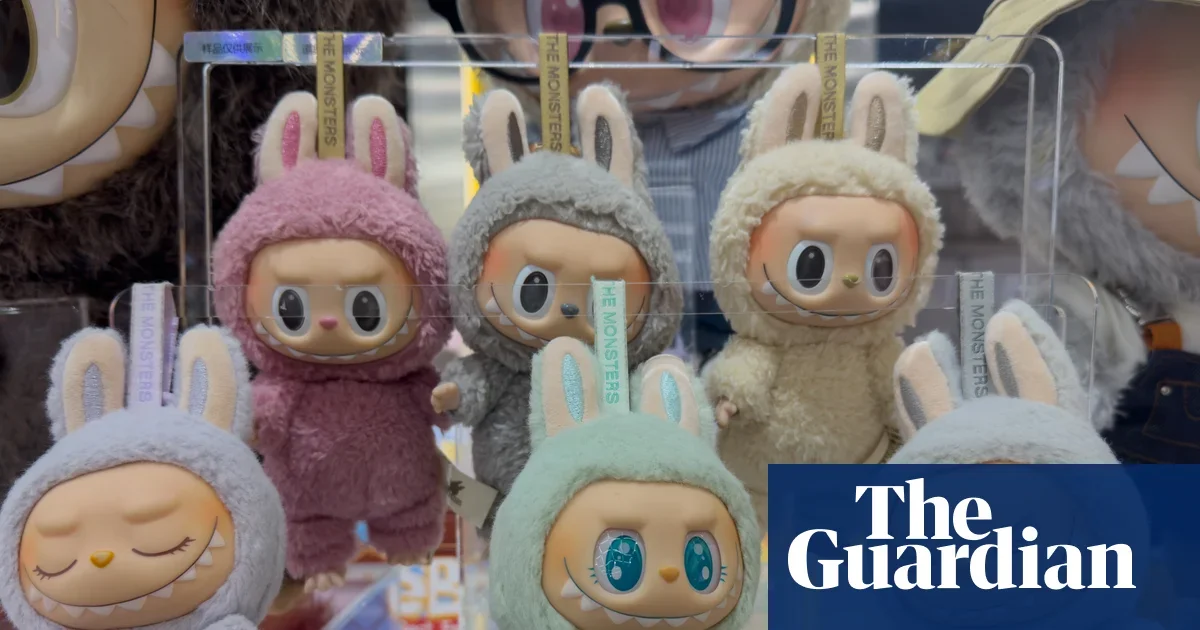
An investigation by China Labor Watch found that Shunjia Toys, a Labubu supplier in Jiangxi, employed 16- and 17-year-olds with blank contracts, provided insufficient health and safety training, and imposed unrealistic production targets leading to excessive overtime. The findings illustrate broader labor-rights challenges in China’s manufacturing amid rising Labubu demand; Pop Mart says it is investigating and will strengthen audits, while Shunjia could not comment.
California has enacted a law empowering its labor board to regulate working conditions and union rights amid federal inaction, but the law faces legal challenges from the Trump administration and the NLRB, which argue it oversteps federal authority. Experts believe courts are unlikely to uphold the law due to preemption, potentially leaving workers without effective union protections if the law is overturned.
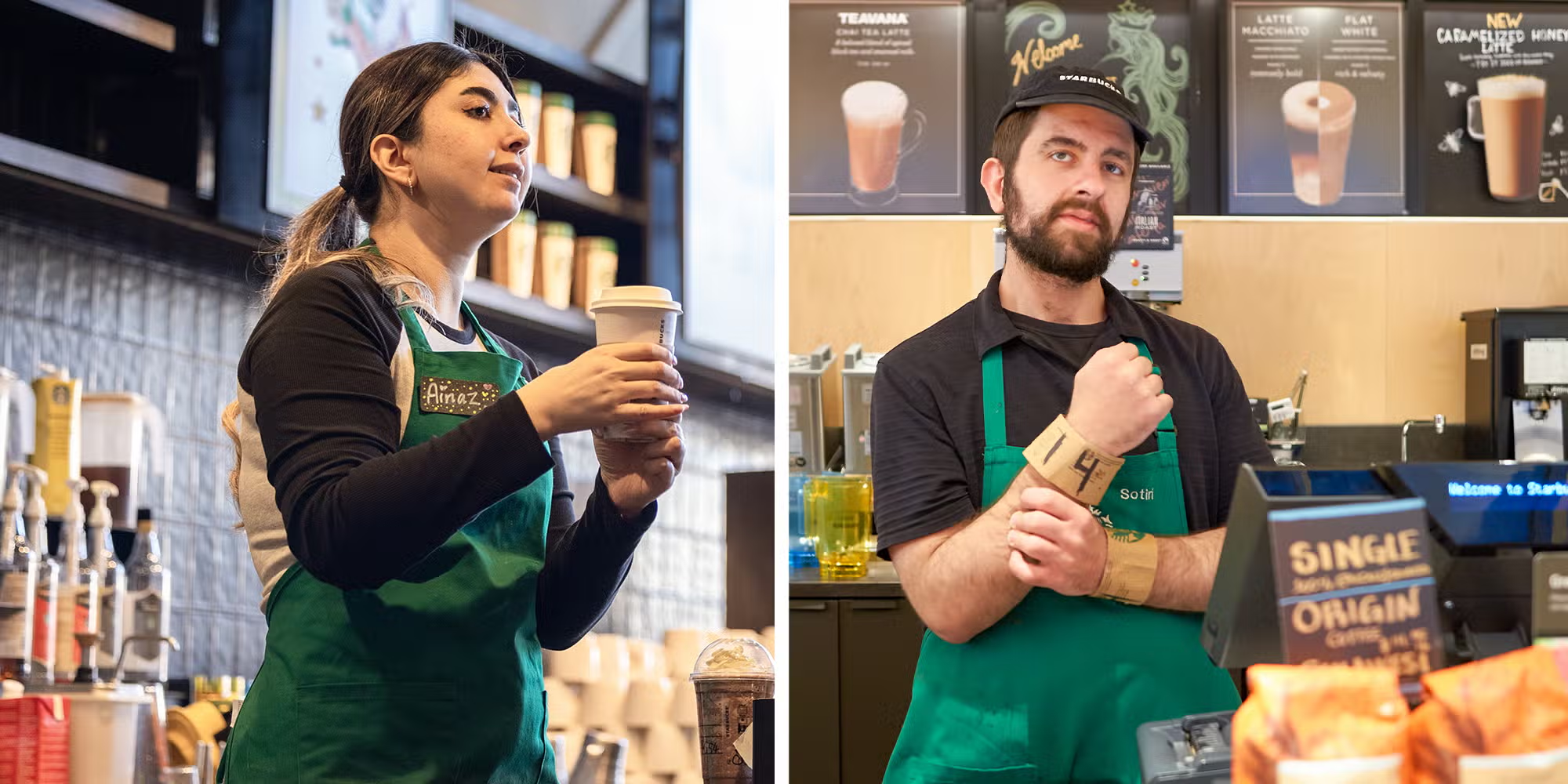
Starbucks employees in multiple states have filed lawsuits against the company, claiming that the new dress code requires them to purchase clothing at their own expense without reimbursement, violating labor laws. The employees also allege issues with unreimbursed phone and vehicle expenses. Starbucks defends its policies, citing low turnover and high employee satisfaction.
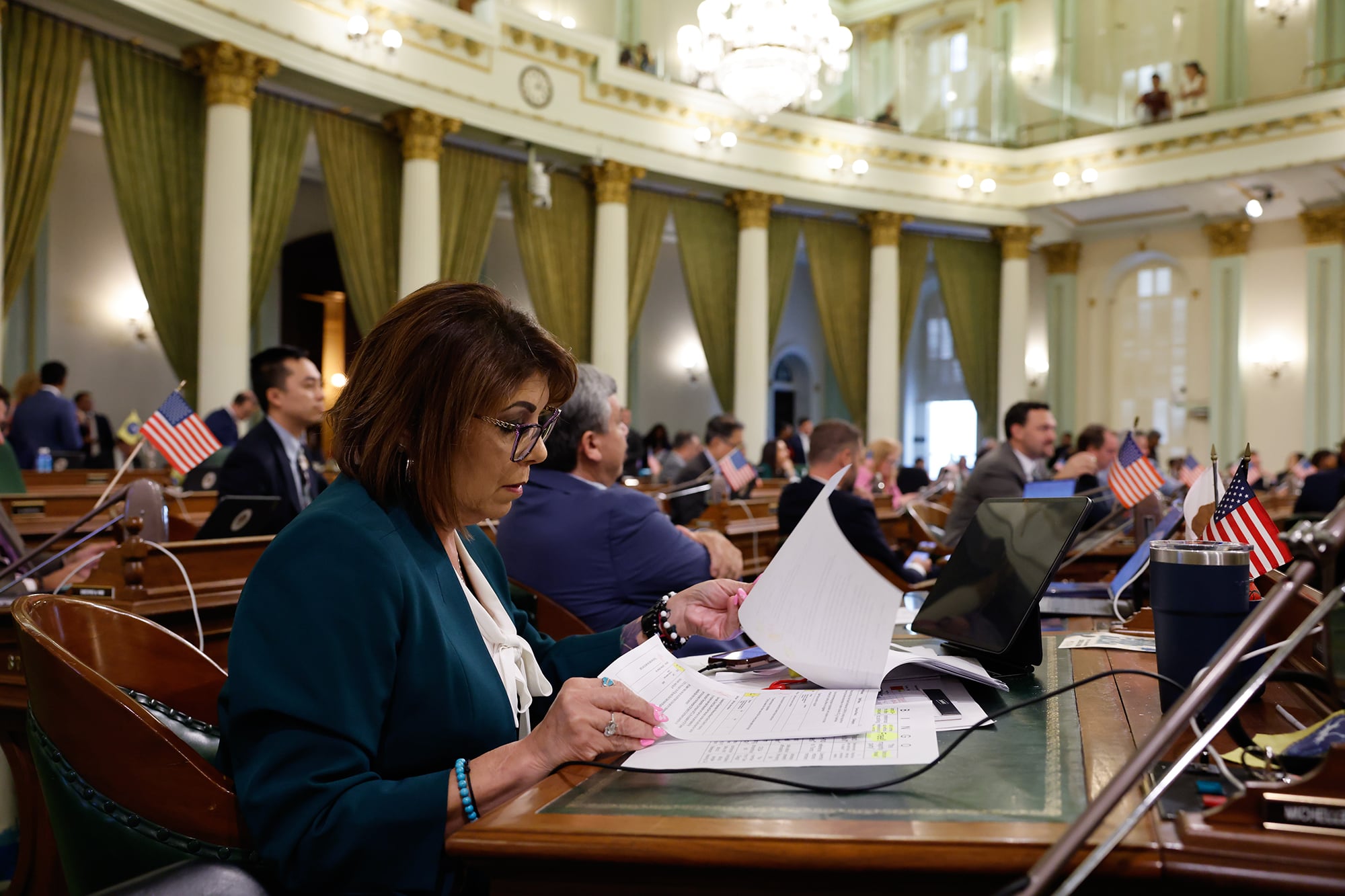
California's legislative session concluded with significant Democratic wins on climate, housing, and labor, despite last-minute deals and frustrations over process and unresolved issues like property tax caps and environmental reviews. Key measures include climate and energy policies, housing near transit, union rights for gig workers, and funding for local news, with ongoing debates on antisemitism and AI oversight.
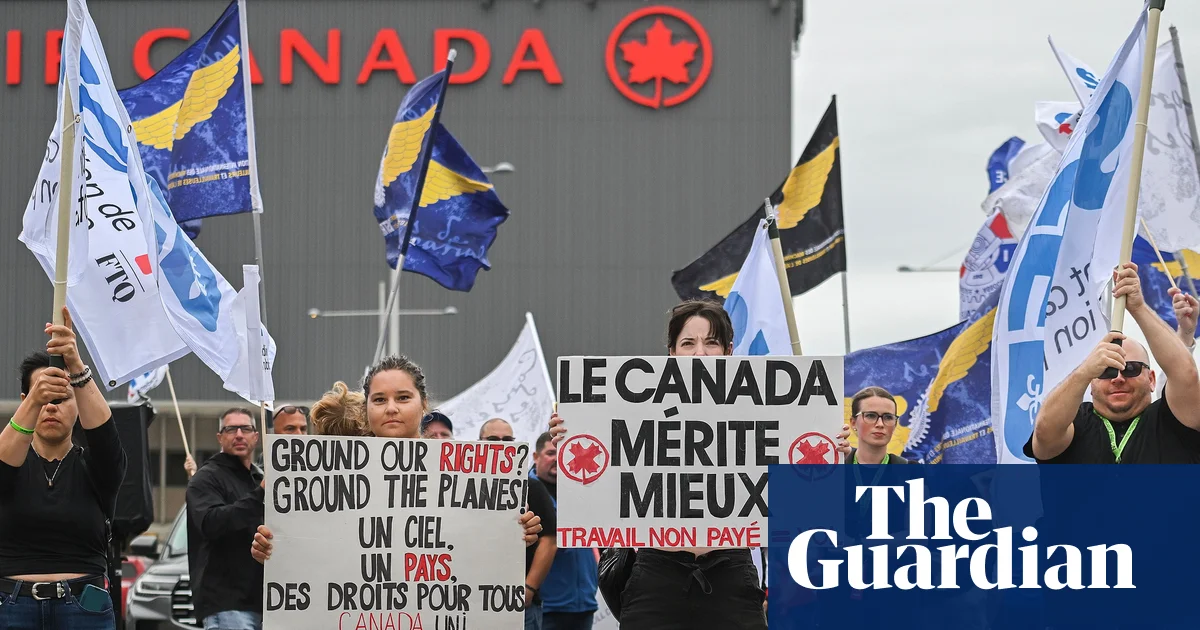
Union leaders representing 10,000 Air Canada flight attendants are prepared to face jail rather than comply with a government-ordered return to work, as the strike over wages continues amidst government-imposed arbitration and legal battles, significantly disrupting flights and costing the airline millions.
Nobel laureate economist Claudia Goldin has joined the WNBA Players' Association as an advisor during their contract negotiations, bringing her expertise on women's labor economics to advocate for fair revenue sharing and equity in women's basketball, marking a significant shift in the league's approach to labor disputes.
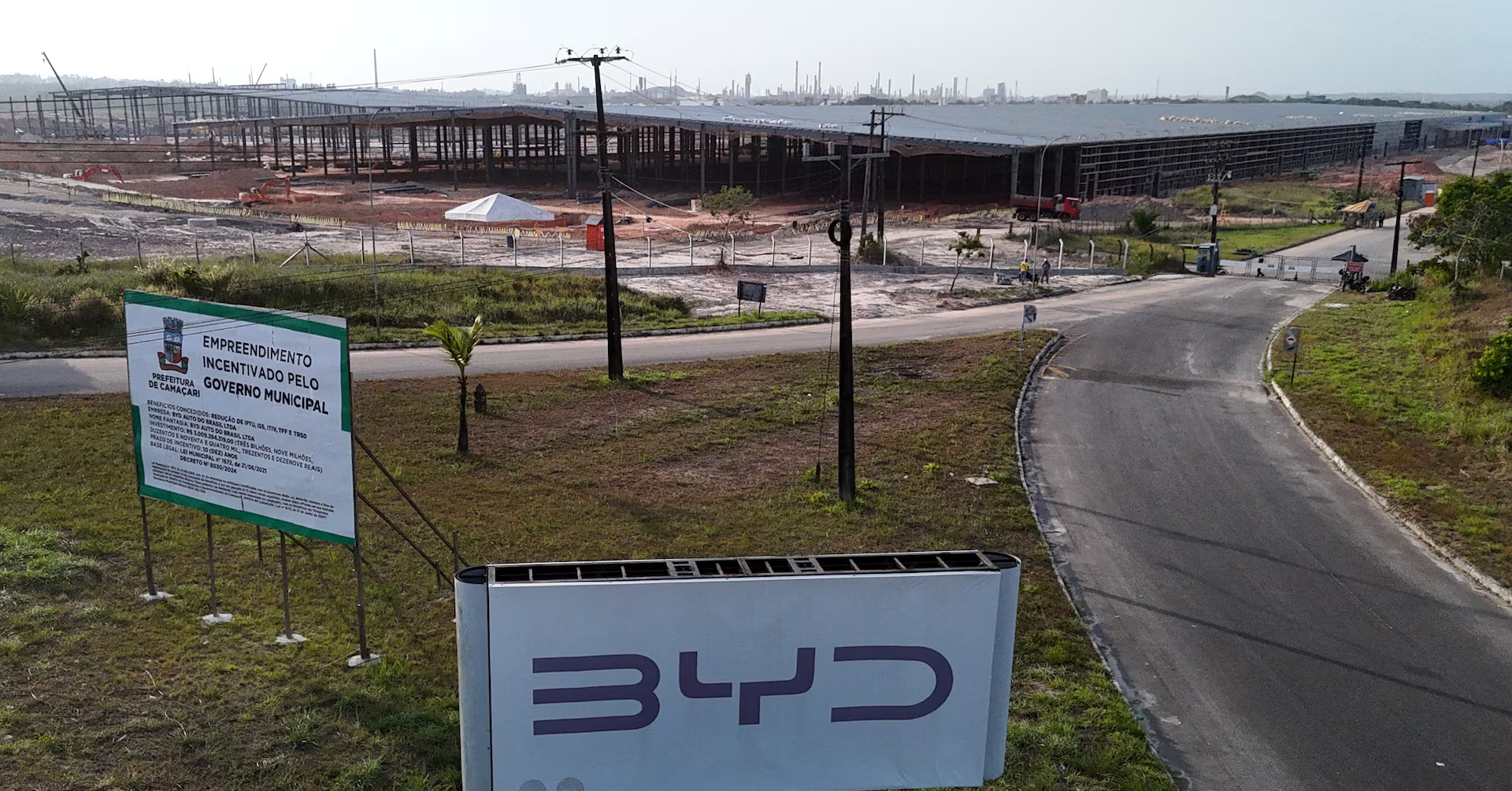
Brazilian labor prosecutors sued Chinese carmaker BYD for allegedly involving human trafficking and slavery-like conditions at a factory in Brazil, seeking $45 million in damages and compliance with labor laws. BYD stated it is committed to human rights and is cooperating with authorities. The case follows reports of Chinese workers being brought illegally to Brazil under false promises of good working conditions.
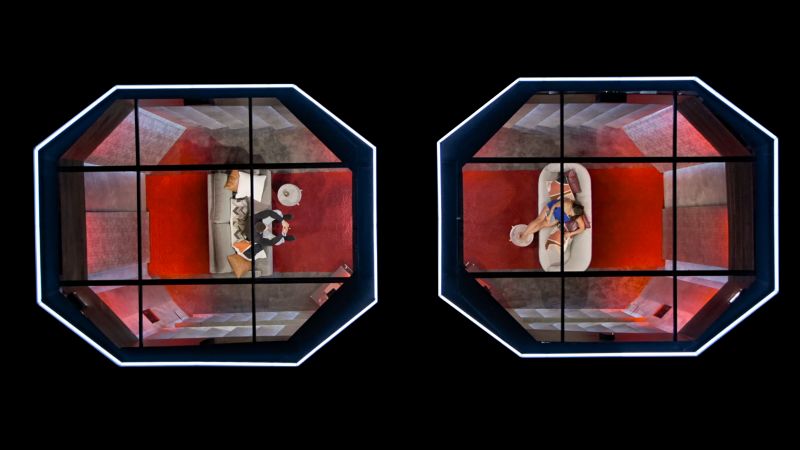
The National Labor Relations Board (NLRB) has filed a complaint against the producers of the reality TV show "Love Is Blind," arguing that contestants should be classified as employees, which would entitle them to worker protections. This marks the first time the NLRB has taken such action regarding reality show participants. The complaint follows charges by former contestants alleging unfair labor practices, including unlawful contract provisions and poor working conditions. The case could potentially lead to significant changes in the reality TV industry, including the possibility of unionization for contestants.
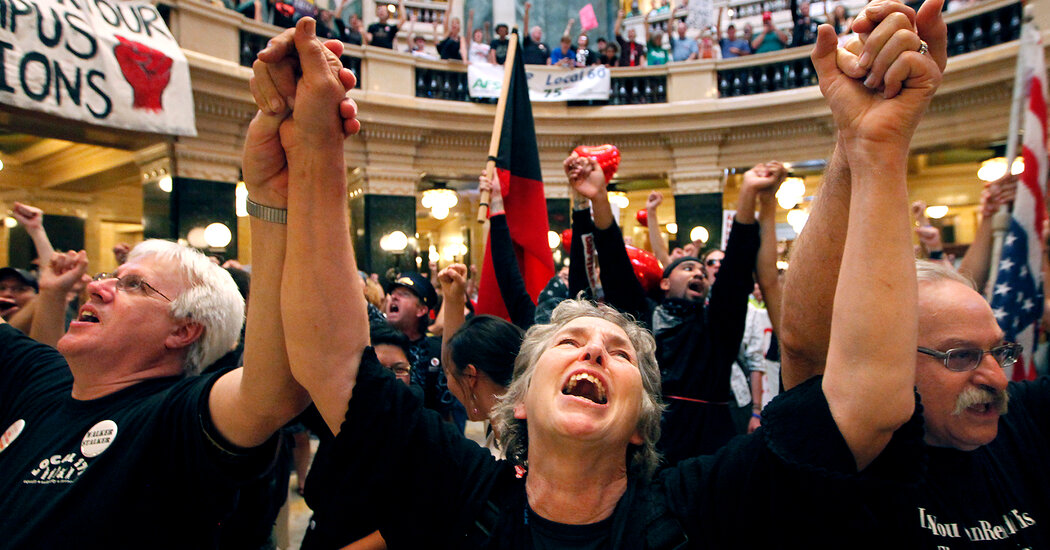
A Wisconsin judge has struck down key parts of a law that limited the power of public sector unions, a significant legal decision that challenges the legacy of former Governor Scott Walker's controversial 2011 legislation. The ruling could restore collective bargaining rights to thousands of public employees in the state.
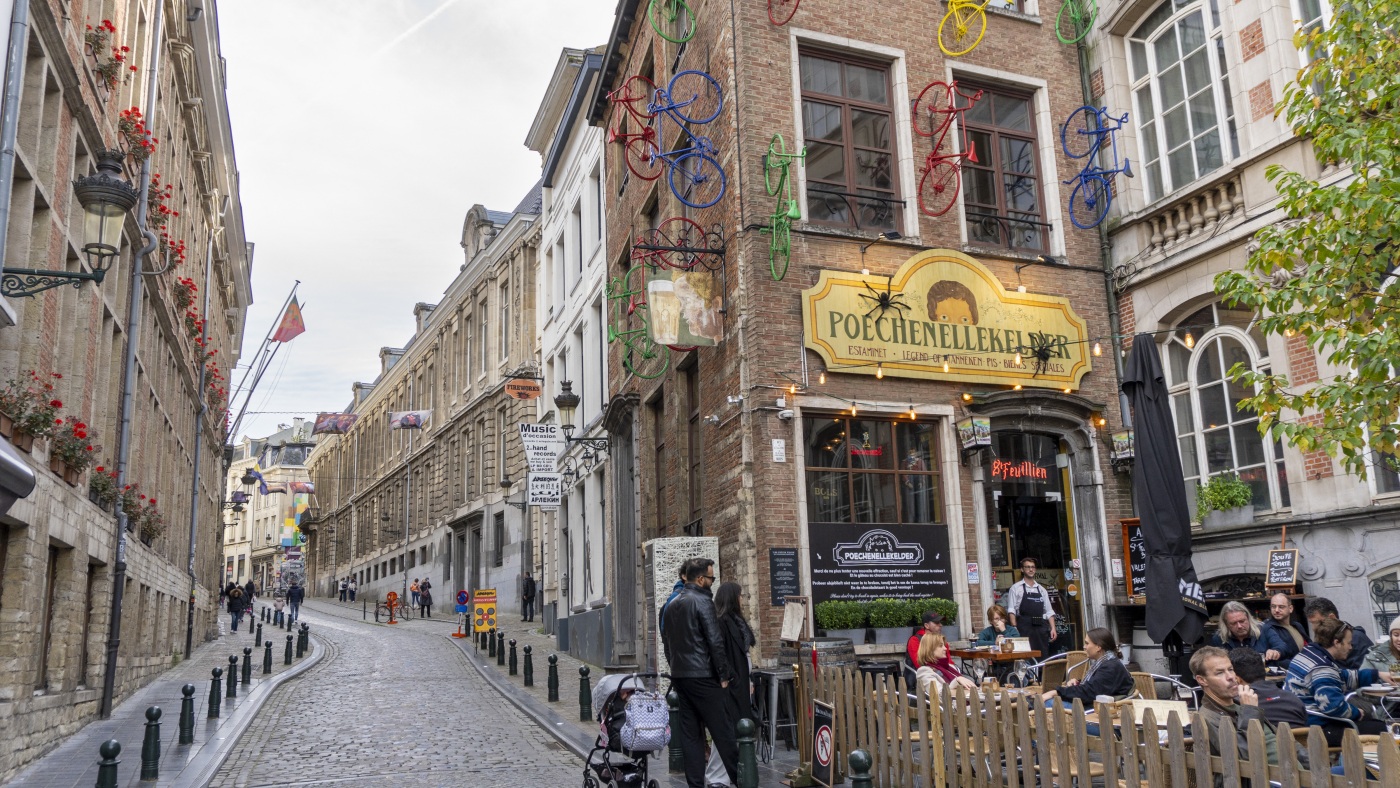
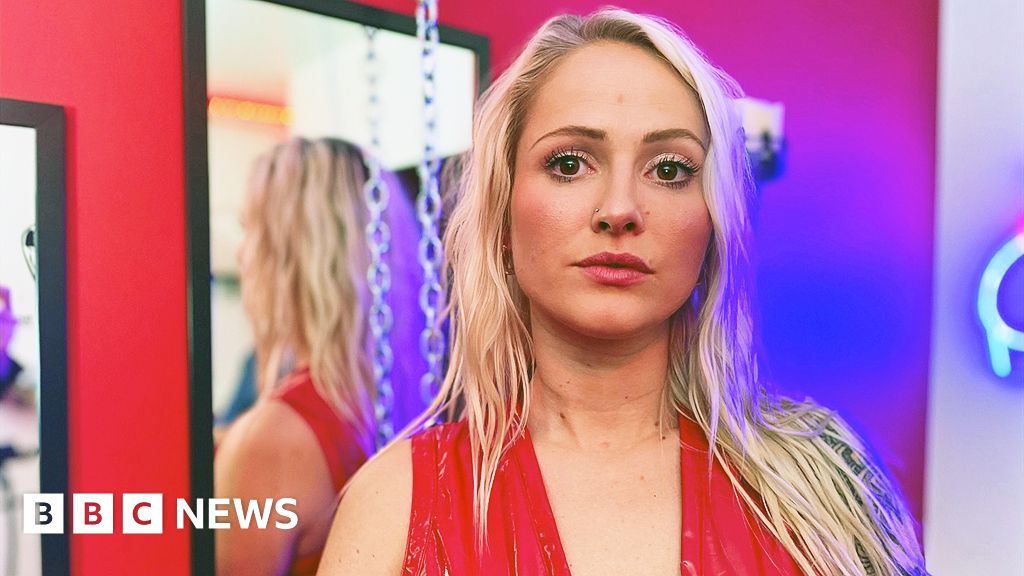
Belgium has become the first country to grant sex workers the right to formal employment contracts, providing them with labor protections such as sick leave, maternity pay, and pensions. The new law, effective from Sunday, also ensures sex workers can refuse clients and set conditions for their work. This move follows Belgium's 2022 decision to decriminalize sex work and redefine pimping laws, aiming to protect sex workers from exploitation and discrimination. However, these protections apply only to those with employment contracts, excluding self-employed sex workers and those in pornography or striptease.
Belgium has enacted a groundbreaking law granting sex workers official employment rights, including maternity leave, health insurance, and pensions, marking a global first. This legislation aims to improve the safety and working conditions for sex workers, treating their profession like any other job. While some view this as a positive step towards recognizing sex workers' rights, critics argue it could normalize exploitation. The law also imposes strict regulations on employers, potentially reducing their power over workers. This move follows protests for better labor laws during the COVID-19 pandemic.
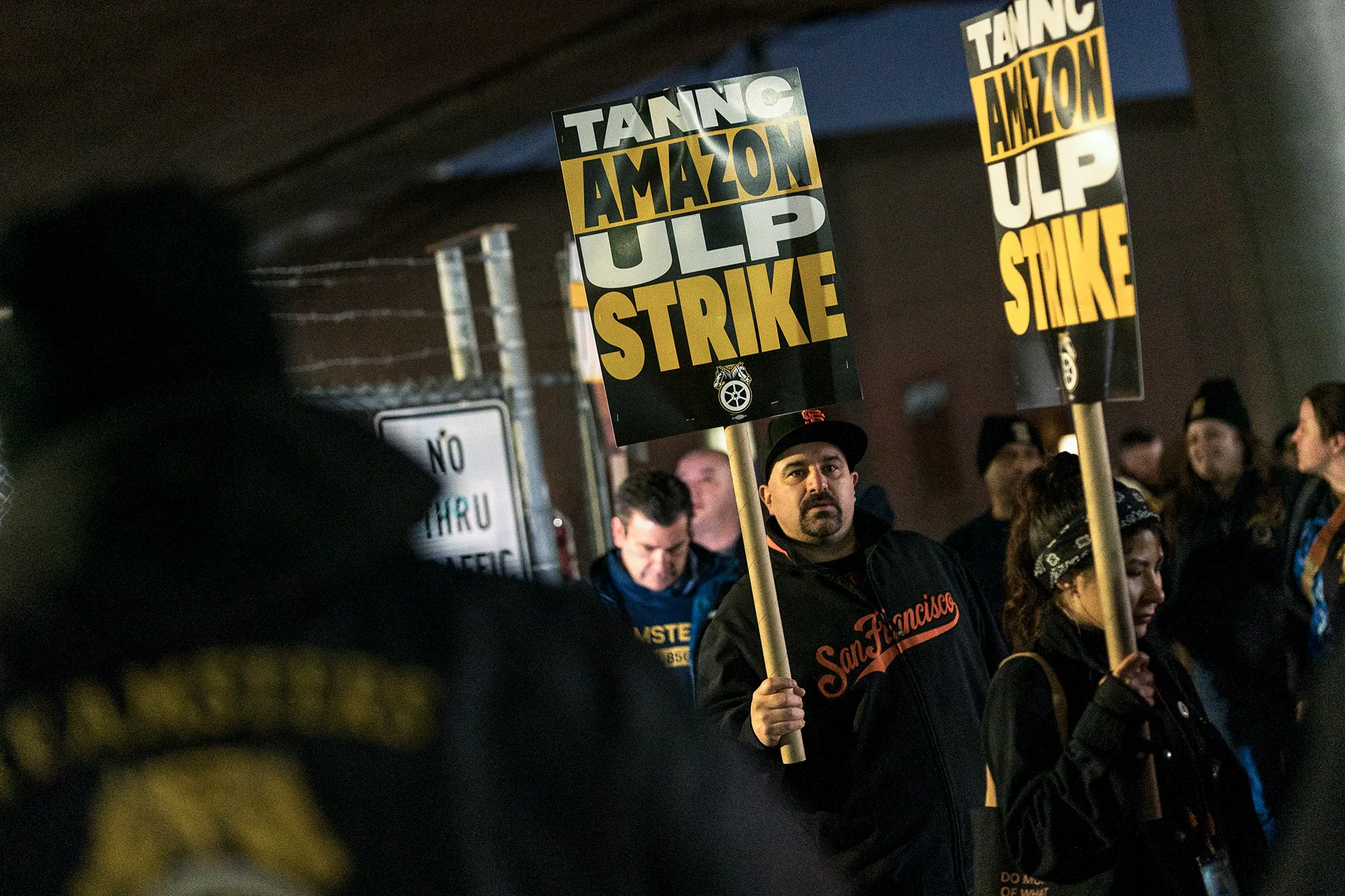
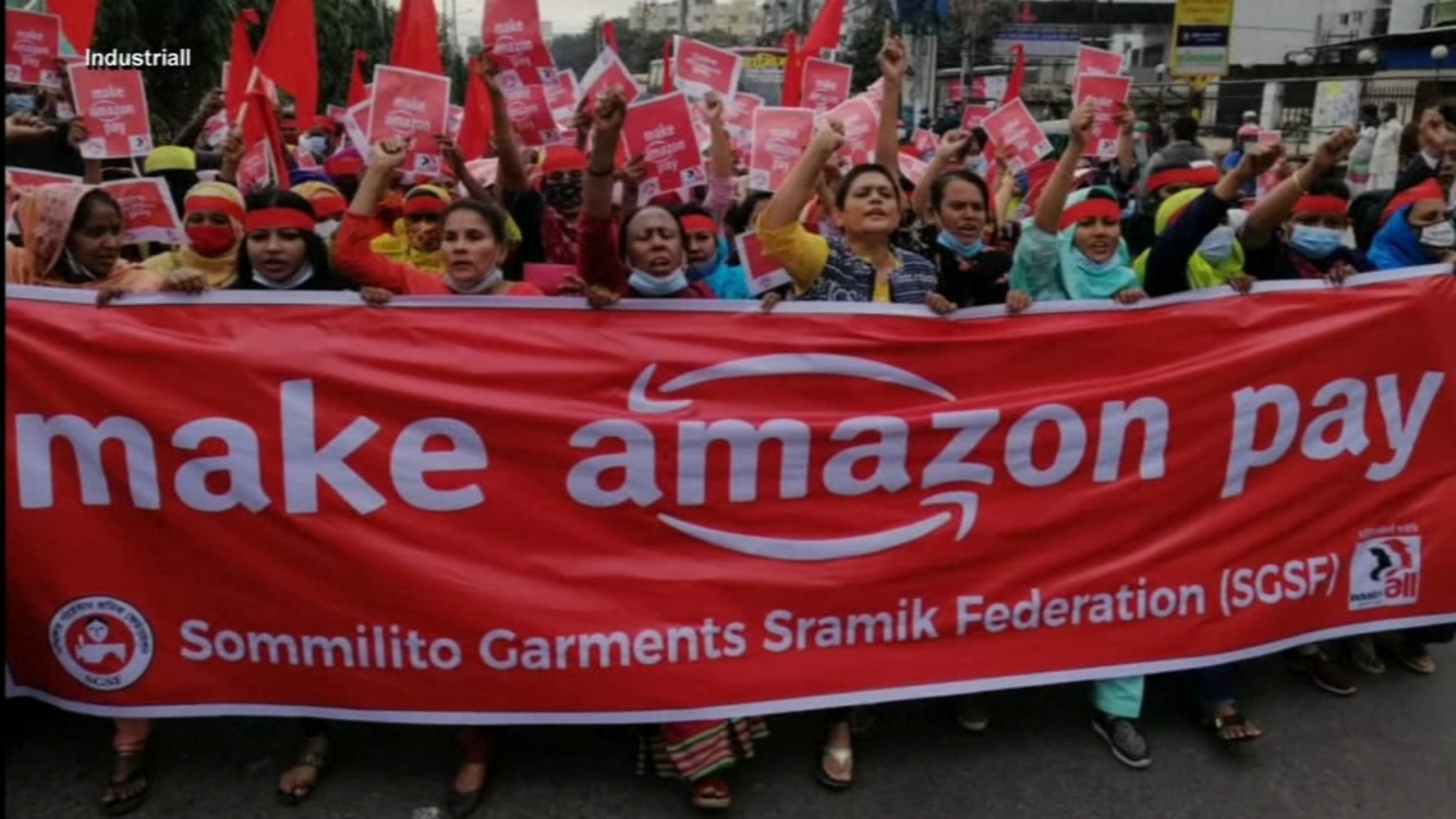
Amazon workers in 20 countries plan to strike from Black Friday through Cyber Monday, protesting labor abuses, environmental issues, and threats to democracy. The "Make Amazon Pay" movement, organized by UNI Global Union and Progressive International, demands higher wages and the right to unionize. The strike could disrupt holiday deliveries, with significant participation expected in Germany, India, France, and Bangladesh. Amazon defends its labor practices, citing competitive pay and benefits, but faces ongoing criticism and unionization efforts globally.