Tag

Environmentalimpact

All articles tagged with #environmentalimpact

The Hidden Impact of Soil on Antibiotic Resistance

Originally Published 1 year ago — by Earth.com

Featured image for The Hidden Impact of Soil on Antibiotic Resistance
Source: Earth.com

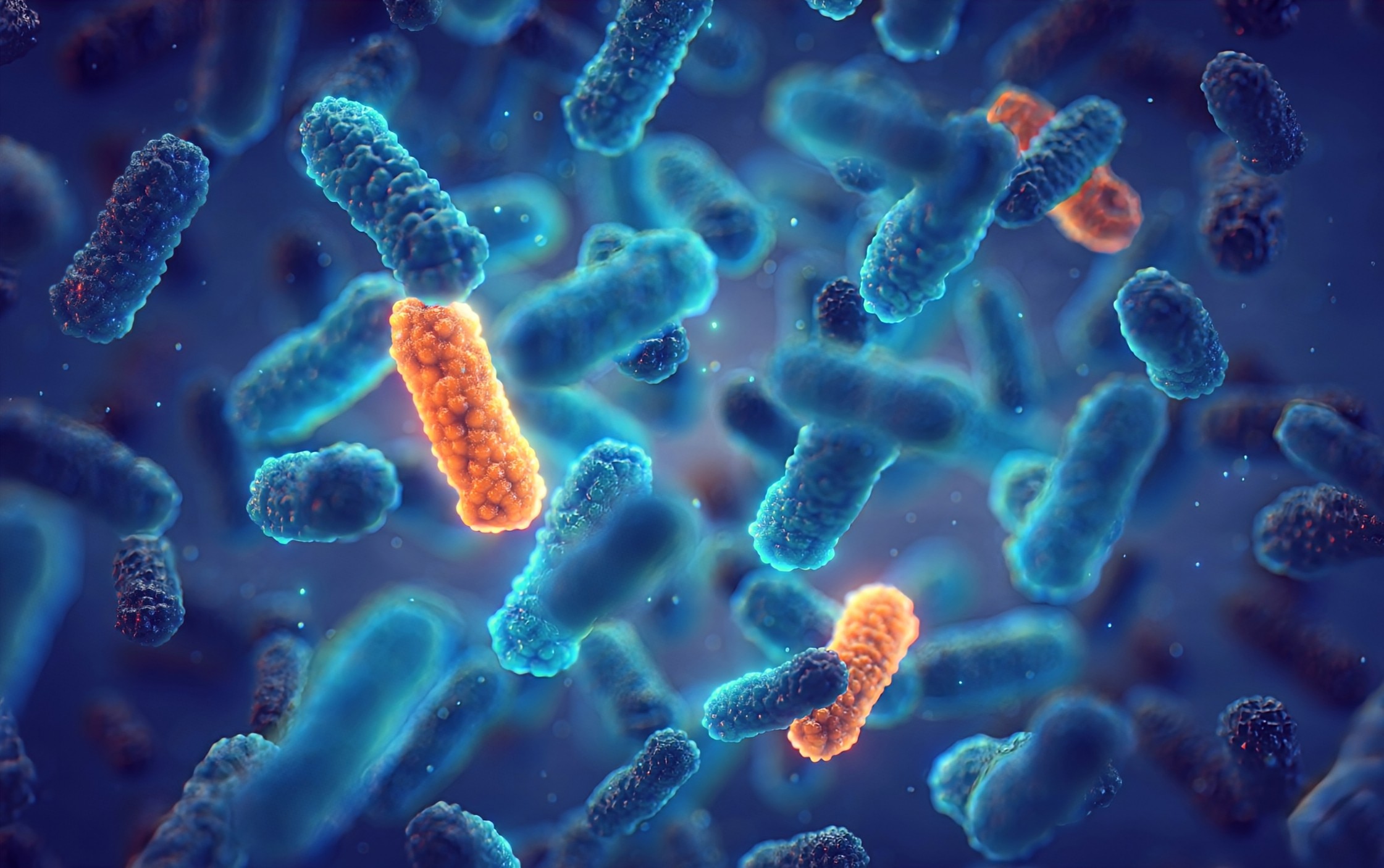
A new study led by Jingqiu Liao highlights the role of soil as a reservoir for antibiotic resistance genes (ARGs), which can spread to pathogenic bacteria, exacerbating the global antibiotic resistance crisis. Human activities like pollution and land-use changes facilitate this gene transfer, posing a significant public health threat. The research, using listeria as a model organism, explores how soil properties and environmental factors influence ARG dynamics, emphasizing the need for strategies to control ARG spread and protect antibiotic efficacy. The study is published in Nature Communications.

Is Pacific Mining a Strategic Move or a Risky Gamble?

Originally Published 1 year ago — by BBC.com

Featured image for Is Pacific Mining a Strategic Move or a Risky Gamble?
Source: BBC.com

The Cook Islands' plans to mine polymetallic nodules from the seabed have sparked debate over potential economic benefits versus environmental risks. While proponents, including Prime Minister Mark Brown, argue that mining could bring prosperity and help transition to renewable energy, critics worry about the unknown impacts on marine ecosystems. Activists call for more research before proceeding, highlighting the tension between economic development and environmental preservation in a region vulnerable to climate change.

Lead Exposure Tied to 150 Million Mental Health Cases in the U.S.

Originally Published 1 year ago — by Gizmodo

Featured image for Lead Exposure Tied to 150 Million Mental Health Cases in the U.S.
Source: Gizmodo

A study by Duke and Florida State University researchers reveals that lead exposure in the 20th century significantly contributed to mental health issues in the U.S., with an estimated 151 million additional cases of psychiatric disorders. The research highlights the impact of leaded gasoline, which peaked in the 1960s, on increasing vulnerability to conditions like anxiety, depression, and ADHD. Despite reduced lead levels today, the study underscores the lasting effects of past exposure and ongoing risks in certain areas.

Polar Ice Sheets: Key to Understanding and Mitigating Climate Tipping Points

Originally Published 1 year ago — by Earth.com

Featured image for Polar Ice Sheets: Key to Understanding and Mitigating Climate Tipping Points
Source: Earth.com

A recent study highlights the escalating financial and logistical costs of reversing climate change once tipping points are crossed. These critical thresholds, such as melting polar ice, lead to irreversible changes and significantly higher intervention costs compared to preventive measures. The research emphasizes the importance of proactive action to mitigate long-term environmental and economic repercussions, as waiting until after a tipping point is crossed not only increases damage but also the complexity and expense of corrective efforts.

British Man Battles to Recover $700M Bitcoin Buried in Landfill

Originally Published 1 year ago — by Fortune

Featured image for British Man Battles to Recover $700M Bitcoin Buried in Landfill
Source: Fortune

James Howells, an early Bitcoin miner from Wales, is suing Newport City Council to gain access to a landfill where he believes a hard drive containing 8,000 Bitcoins, worth over $749 million, was accidentally discarded. Despite offering a portion of the drive's value for community projects, the council has repeatedly denied his requests due to environmental concerns. Howells argues he has property rights over the drive and is prepared to pursue legal action for damages if access is not granted.

Europe's Space Ambitions and Protein Study Breakthroughs

Originally Published 1 year ago — by European Space Agency

Featured image for Europe's Space Ambitions and Protein Study Breakthroughs
Source: European Space Agency

The European Space Agency (ESA) has selected ArianeGroup and Rocket Factory Augsburg to develop designs for a super heavy-lift rocket capable of frequent, cost-effective, and environmentally friendly launches. The Protein study explored the feasibility of such rockets for future space-based projects like solar power generators and data centers. The study concluded that developing these rockets within a decade is possible but requires immediate technological advancements, particularly in high-thrust staged-combustion engines. The rockets must be at least semi-reusable and use low-carbon fuels to meet environmental and cost goals.

"Mardi Gras Beads: Fun or Environmental Hazard?"

Originally Published 1 year ago — by NPR

Featured image for "Mardi Gras Beads: Fun or Environmental Hazard?"
Source: NPR

Mardi Gras celebrations in New Orleans are contributing to a significant environmental concern due to the massive amounts of plastic beads and trinkets thrown during parades. These nonbiodegradable items end up as litter, clog drainage systems, and pose a threat to wildlife in the area. Efforts to address this issue include recycling programs, collection points for beads, and a push for parade riders to use sustainable, nonplastic items. Organizations are advocating for the adoption of biodegradable alternatives to reduce the environmental impact of this beloved tradition.

"Greening Mardi Gras: Sustainable Alternatives and Recycling Initiatives for Beads"

Originally Published 1 year ago — by ABC News

Featured image for "Greening Mardi Gras: Sustainable Alternatives and Recycling Initiatives for Beads"
Source: ABC News

Mardi Gras celebrations in New Orleans are contributing to a plastic pollution problem as tons of nonbiodegradable beads end up in the city's drainage system and waterways. Efforts to address this issue include recycling and promoting the use of sustainable alternatives such as paper beads, acai seed beads, and locally-made consumable items. Organizations are collecting and repackaging beads for resale, while a nonprofit is marketing nonplastic, sustainable items for parade riders to throw. Advocates hope these initiatives will help mitigate the environmental impact of the beloved tradition.

Taylor Swift's Stylish Night Out with Brittany Mahomes Featuring New Favorite Eats and Treats

Originally Published 2 years ago — by Daily Mail

Featured image for Taylor Swift's Stylish Night Out with Brittany Mahomes Featuring New Favorite Eats and Treats
Source: Daily Mail

Taylor Swift enjoyed a girls' night out in Beverly Hills with friends Brittany Mahomes and Lindsay Bell, looking chic in a black mini dress and thigh-high boots. However, her use of a private jet has sparked backlash among her fans, who are concerned about the environmental impact. An Instagram page tracking her flights claims she has emitted 138 tons of CO2 in three months, leading to criticism despite her previous defense by fans. Swift's team has responded by stating that her jet is often loaned out to others, suggesting she is not solely responsible for the emissions.

The Unintended Consequences of Paper Straws

Originally Published 2 years ago — by ScienceAlert

Featured image for The Unintended Consequences of Paper Straws
Source: ScienceAlert

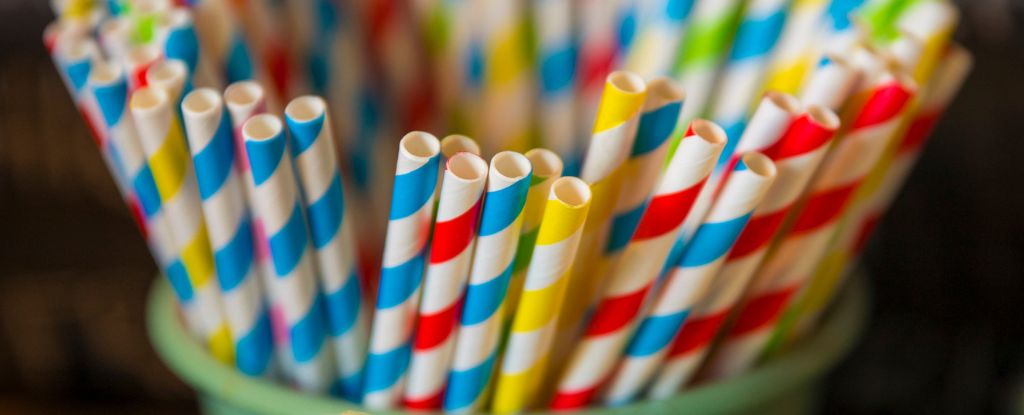
Recent research has revealed that paper straws, once thought to be an eco-friendly alternative to plastic, may contain harmful 'forever chemicals' known as PFAS, which are not easily biodegradable and could pose health and environmental risks. The study conducted by the University of Antwerp found PFAS in various straw materials, with stainless steel being the exception. These findings suggest that even eco-friendly products can contribute to pollution if they contain PFAS. The researchers recommend using stainless steel straws or avoiding straws altogether to minimize potential harm.

"Unpacking the Stanley Tumbler Frenzy: From Target Campouts to TikTok Trends"

Originally Published 2 years ago — by Boing Boing

Featured image for "Unpacking the Stanley Tumbler Frenzy: From Target Campouts to TikTok Trends"
Source: Boing Boing

The Stanley water bottle craze has taken America by storm, with viral TikTok videos showing people clamoring for the latest color drops at Target, sometimes paying over 200% of retail price on secondary markets. This trend reflects a broader history of bottled water and reusable water bottles in the U.S., where despite the rise of reusable bottles suggesting an eco-friendly shift, bottled water sales have also surged to record highs. Critics argue that the trend is less about environmentalism and more about fashion and identity, as consumers collect bottles as accessories that communicate health, lifestyle, and status. The trend's environmental benefits are questioned as many of these bottles may eventually contribute to landfill waste.

"Breakthrough in Propylene Epoxidation: Safer, Greener Process with Dual Catalysts"

Originally Published 2 years ago — by Phys.org

Featured image for "Breakthrough in Propylene Epoxidation: Safer, Greener Process with Dual Catalysts"
Source: Phys.org

Researchers at Caltech have developed a new method for producing propylene oxide, a common chemical feedstock, using a combination of platinum oxide and palladium oxide catalysts. This method utilizes water as a reactant, avoiding the use of toxic chemicals and producing hydrogen gas as the only byproduct. The new catalyst mixture not only makes the production process safer and more environmentally friendly but also increases the production rate by 10 times and efficiency by 13 percent. The study, published in Science, marks a significant step towards cleaner chemical manufacturing and the team is now looking to adapt this laboratory success for industrial applications.

"Eco-Friendly Cleaner Myth Busted: Woman Achieves Streak-Free Windows"

Originally Published 2 years ago — by Yahoo Life

Featured image for "Eco-Friendly Cleaner Myth Busted: Woman Achieves Streak-Free Windows"
Source: Yahoo Life

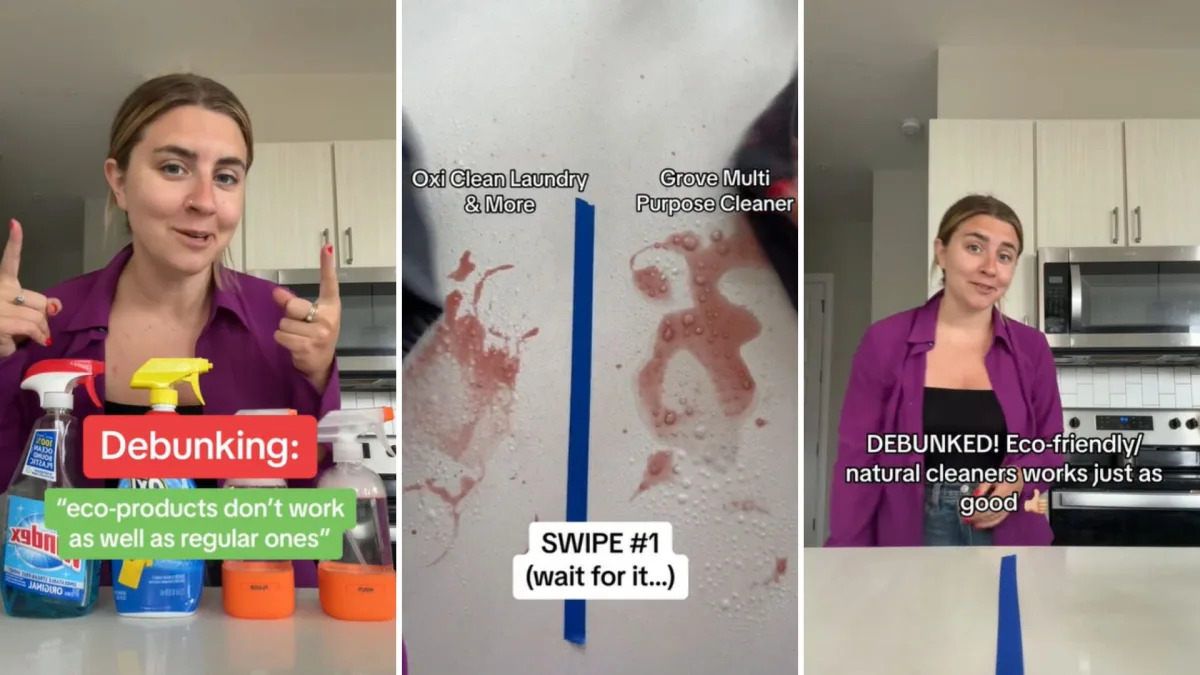
A woman on TikTok, known as Happy Earth Habits (@skysaba), has demonstrated through a side-by-side comparison that eco-friendly cleaners can be just as effective as conventional chemical cleaners. By using two sprays of each on juice stains, she showed that the eco-friendly option cleaned the counter thoroughly. This supports the idea that switching to natural, biodegradable cleaning products is not only better for health by reducing exposure to toxins but also benefits the environment by decreasing pollution. Commenters on social media have expressed support for the eco-friendly cleaning method, with some even sharing their own positive experiences with homemade cleaners.

"When Meat Turns Risky: A Doctor's Guide to Safe Consumption"

Originally Published 2 years ago — by Yahoo Life

Featured image for "When Meat Turns Risky: A Doctor's Guide to Safe Consumption"
Source: Yahoo Life

UCLA scientist Catherine Carpenter, Ph.D., warns that grilling meat at high temperatures can increase cancer risk due to the formation of carcinogenic chemicals like HCAs and PAHs when fat burns and meat chars. Long-term exposure to these chemicals is associated with higher risks of prostate, colon, and pancreatic cancers. The practice of grilling is prevalent in the U.S., particularly among men and middle-aged individuals. To reduce health risks, Carpenter recommends cooking with indirect heat, frequent turning of meat, trimming charred parts, and using citrus-based marinades. Additionally, the beef industry contributes significantly to climate change, and reducing meat consumption can benefit both health and the environment.

Starbucks Nationwide Initiative Allows Personal Reusable Cups at Drive-Thrus to Reduce Waste

Originally Published 2 years ago — by The Verge

Featured image for Starbucks Nationwide Initiative Allows Personal Reusable Cups at Drive-Thrus to Reduce Waste
Source: The Verge

Starbucks has expanded its reusable cup program to include drive-thru and mobile orders across the US and Canada, making it the first national coffee retailer to do so. Customers using their own cups will receive a $0.10 discount, as part of the company's efforts to reduce waste from disposable cups. This initiative is part of Starbucks' broader commitment to environmental sustainability, aiming to reduce waste and carbon emissions by 50% by 2030. However, the environmental benefit is debated due to potential increased tailpipe emissions from waiting in drive-thrus. The company is also currently involved in controversies regarding labor practices and its response to the Israel-Hamas conflict.