Efforts are underway to prevent a government shutdown this year, with both parties engaging in constructive negotiations and the White House maintaining a low profile, learning from the previous year's political fallout, while key figures like Trump continue to push for the elimination of the filibuster to facilitate legislative action.
Senators from both parties are seeking a deal on expiring Obamacare subsidies, with discussions highlighting the challenges of reaching a bipartisan agreement amid differing proposals and political tensions, while other political developments include leadership struggles and legal investigations.
Congress is facing deadlock over extending health care subsidies, risking sharp premium increases for millions starting January 1, with Democrats and Republicans unable to agree on terms due to partisan disagreements and issues like abortion funding, leading to uncertainty about legislative action.
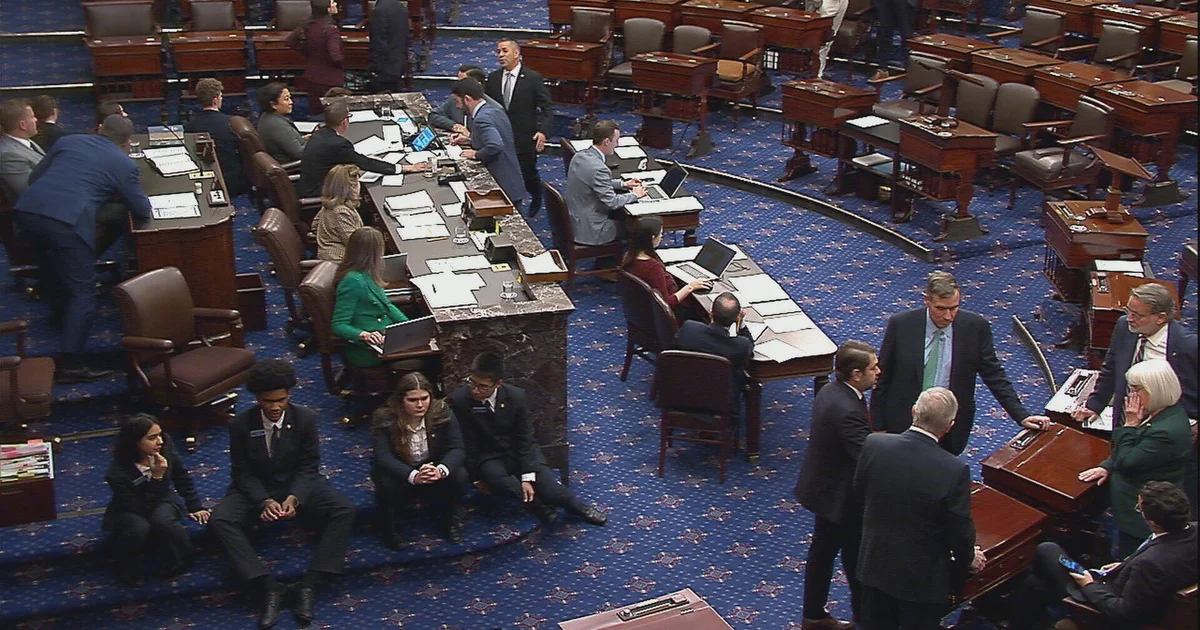
The US government shutdown has entered its 40th day with ongoing negotiations in the Senate, where Republicans and Democrats are debating measures to reopen the government and extend healthcare subsidies, amid President Trump's push to abolish the filibuster and Republican efforts to pass new funding bills. The situation remains uncertain as both sides negotiate terms, with potential votes on legislation imminent.
Bipartisan negotiations in the U.S. Senate have shown promising progress towards ending the 39-day government shutdown, with lawmakers working on short-term funding measures and longer-term bills for various agencies, though disagreements remain over health insurance subsidies and SNAP benefits.
Senate is working through the weekend to resolve the 39-day government shutdown, with ongoing bipartisan negotiations and no immediate breakthrough. Discussions include funding measures, healthcare tax credits, and SNAP payments, amid political disagreements and recent Supreme Court intervention. President Trump also called for ending Obamacare funding.
The ongoing US government shutdown is causing significant economic losses, estimated between $7 billion and $16 billion per week, with the White House's Council of Economic Advisers projecting a $15 billion weekly impact, and experts warn that even a short-term shutdown could lead to lasting economic damage.
The Senate is struggling to find a solution to avoid a government shutdown, with Democrats proposing a compromise on ACA subsidies that Republicans dismiss, leading to ongoing negotiations and uncertainty about a resolution.
The U.S. Senate is set to vote on a House-passed measure to end the 38-day government shutdown, with a new Republican strategy aiming to include long-term appropriations and extend funding beyond November 21, though support from Democrats remains uncertain amid ongoing negotiations and election impacts. Meanwhile, discussions about changing Senate filibuster rules to facilitate government funding are also underway but unlikely to be adopted.
Senate Democrats and House Republicans are negotiating a bipartisan plan to extend expiring Obamacare subsidies amid ongoing government shutdown talks, with various procedural options and political maneuvers being considered to pass the legislation and resolve the shutdown.
Signs of a potential resolution to the record-long government shutdown are emerging as Senate leaders from both parties engage in behind-the-scenes negotiations to reopen the government, address expiring healthcare subsidies, and prevent further disruptions, amid political tensions and ongoing debates over funding priorities.
The U.S. Senate is voting on a continuing resolution to fund the government amid ongoing negotiations, with discussions about extending funding into January and concerns over air travel disruptions due to staffing issues. President Trump announced SNAP benefits would be delayed until the shutdown ends, adding to the uncertainty. Senators are optimistic about resolving the shutdown this week, which has become one of the longest in history.
Democrats are divided as the government shutdown nears a record, with some pushing to negotiate an end while others insist on extending healthcare subsidies; bipartisan talks are ongoing, and both parties face internal disagreements on the timing and conditions of a potential resolution.
Senate shows signs of progress toward ending the government shutdown amid bipartisan talks, while issues like SNAP funding, Obamacare subsidies, and election outcomes remain key points of focus. President Trump continues to push for ending the filibuster, and upcoming elections in Virginia, New Jersey, and New York are closely watched for potential political shifts.
The Senate is showing signs of progress in ending the government shutdown through bipartisan talks, while debates over ending the filibuster continue, Trump pressures Republicans on this issue, and upcoming elections in Virginia, New Jersey, and New York are closely watched for their political implications.