Marijuana use among Americans aged 65 and older has surged nearly 46% from 2021 to 2023, driven by changing laws and social acceptance, with concerns raised by geriatricians about health risks and the need for more research on its effects on older adults.
The shortage of geriatricians in the United States is leaving many older patients without specialized care, leading to misdiagnoses and overprescribing of medications. With only 7,300 board-certified geriatricians in the country, experts are calling for increased financial incentives and exposure to the field to attract more doctors. Medicare funding for residencies and fellowships could require basic competency in geriatrics, and student loan forgiveness programs for geriatric specialists are being suggested. The growing number of older patients highlights the urgent need for more doctors who are trained to understand the unique healthcare needs of seniors.
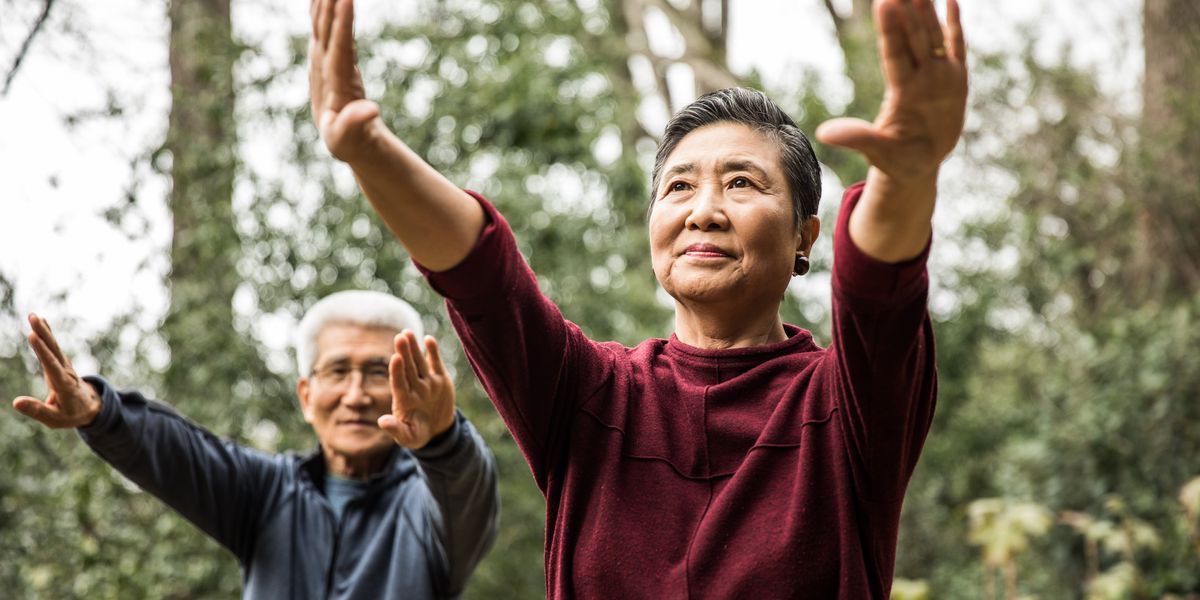
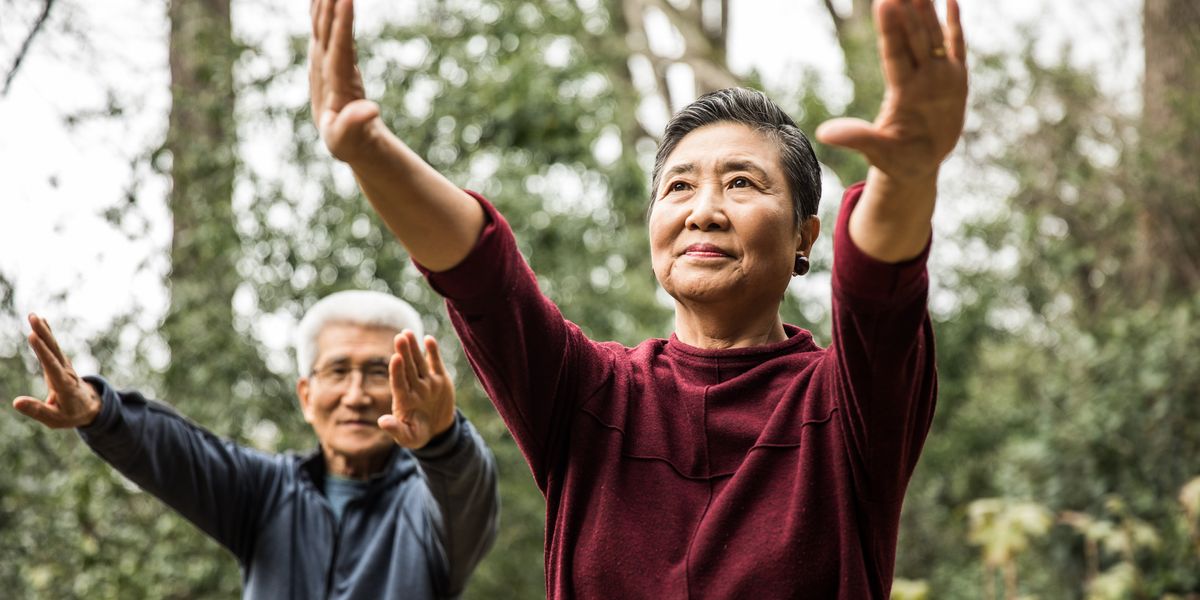
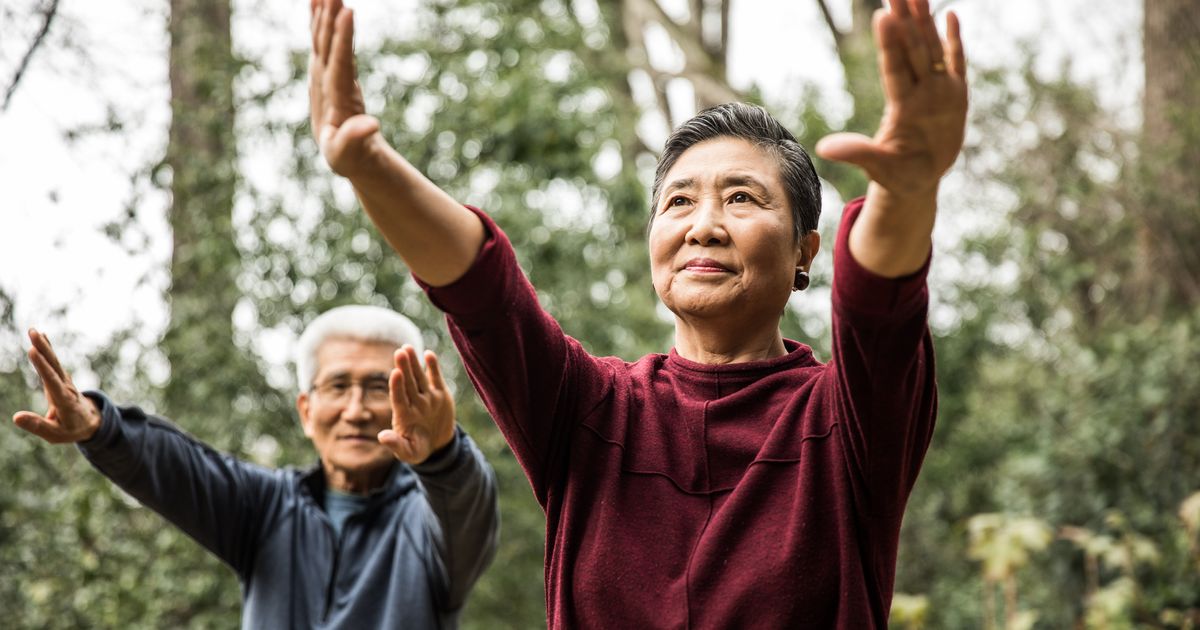
Geriatricians emphasize that aging well involves physical well-being, emotional connection, and mental support. To age well, individuals should engage in activities that stimulate the brain, speak up about their needs, socialize with others, maintain physical health through exercise and a healthy diet, do activities they enjoy, review their medications regularly to avoid adverse interactions, and have a plan in place for future healthcare decisions. These factors contribute to a healthy and fulfilling life in older adults.
Geriatricians emphasize that aging well involves taking care of physical, emotional, and mental health. Signs of aging well include continuously learning new things, being honest about needs and seeking support, maintaining social connections, prioritizing physical health through exercise and a healthy diet, engaging in enjoyable activities, discussing medications with doctors, and planning for the future. It is important to start focusing on these behaviors early in life and not solely focus on chronological age. Prioritizing relationships, physical and mental health, and future plans can lead to a fulfilling and healthy life regardless of age.
Geriatricians emphasize that aging well involves taking care of physical, emotional, and mental health. Signs of aging well include continuously learning new things, being honest about needs and seeking support, maintaining social connections, prioritizing physical health through exercise and a healthy diet, engaging in enjoyable activities, discussing medications with doctors, and planning for the future. It is important to start focusing on these behaviors early in life and not solely focus on chronological age. Prioritizing relationships, physical and mental health, and future plans can lead to a fulfilling and healthy life regardless of age.
Geriatricians emphasize that aging well involves physical health, emotional connection, and mental support. Signs of aging well include continuously learning new things, being honest about your needs, having a community, prioritizing physical health through exercise and a healthy diet, engaging in activities you enjoy, discussing medications with your doctor, and planning for the future. It's important to start focusing on these behaviors early in life and prioritize relationships, physical and mental health, and future plans to feel good as you age.