
Advancements in Sickle Cell Therapies: Promising Breakthroughs and Accessibility Challenges
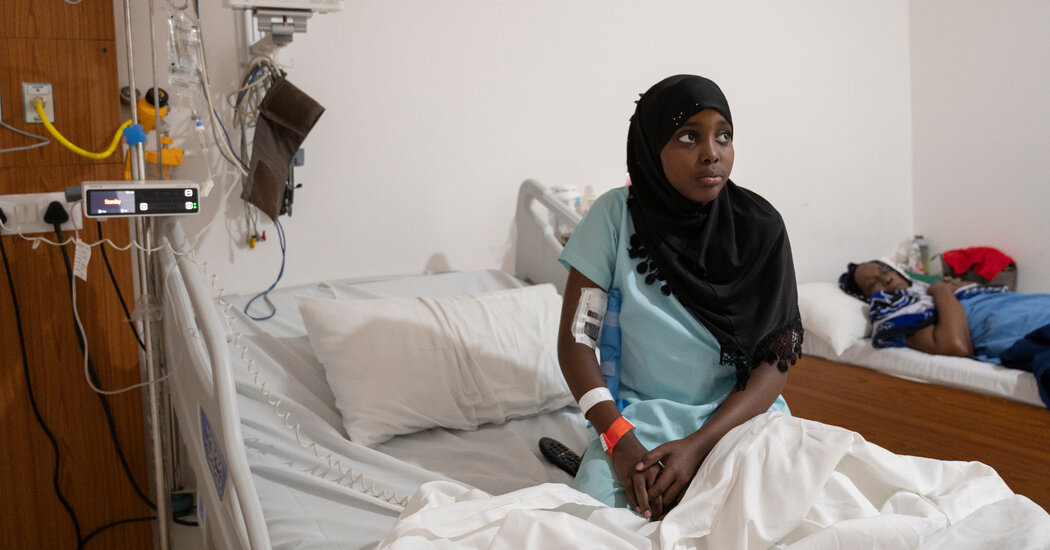
The recent approval of two groundbreaking gene therapy treatments for sickle cell disease by the FDA has brought hope to patients, but there are significant barriers to accessing these treatments in the countries where the majority of sickle cell patients live, particularly in sub-Saharan Africa. The high price tags of the therapies, reaching millions of dollars, make them unaffordable for governments with limited healthcare resources. Additionally, the complex and resource-intensive process of administering the treatments, including stem cell transplants and gene editing, requires medical infrastructure that is lacking in many African countries. The lack of routine screening, limited access to basic medications, and the high cost of existing treatments further exacerbate healthcare disparities for sickle cell patients in Africa. Efforts are being made to develop cheaper and easier approaches to treat sickle cell globally, but widespread access to gene therapies remains a challenge.
- New Sickle Cell Therapies Will Be Out of Reach Where They Are Needed Most The New York Times
- Gene editing could be a game changer for patients with sickle cell disease CBS Mornings
- F.D.A. Approves 2 Sickle Cell Treatments, One Using CRISPR Gene Editing The New York Times
- A Sickle Cell Breakthrough Is Here. Now the Hard Part. Bloomberg
- The Download: inside the first CRISPR treatment, and smarter robots MIT Technology Review
Reading Insights
0
1
9 min
vs 10 min read
93%
1,958 → 143 words
Want the full story? Read the original article
Read on The New York Times