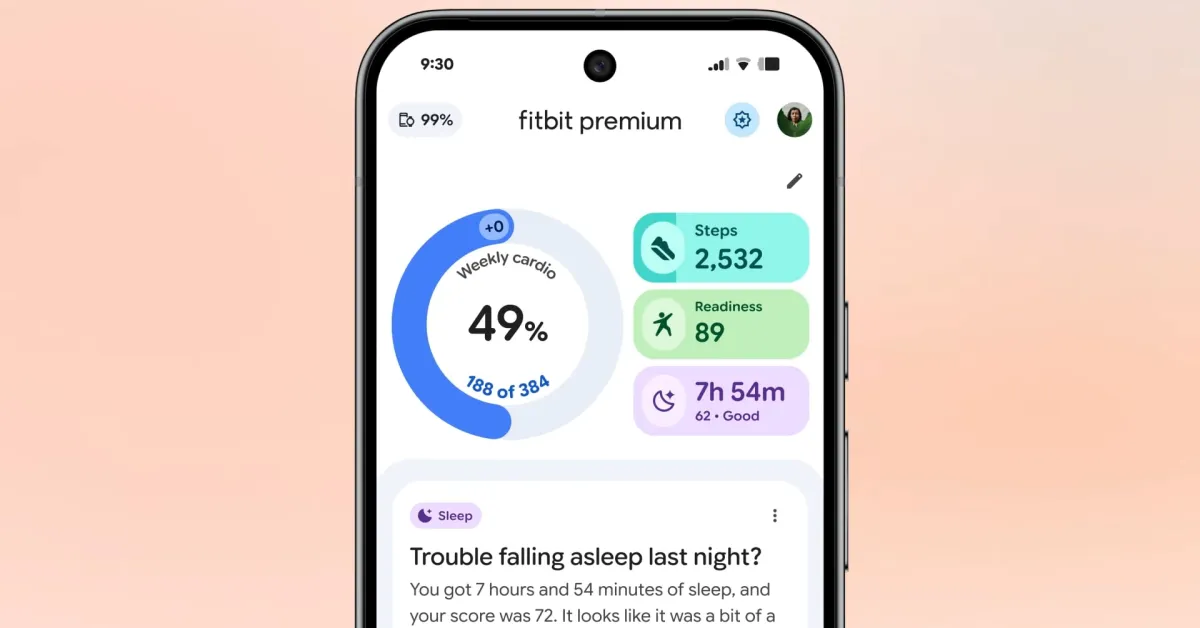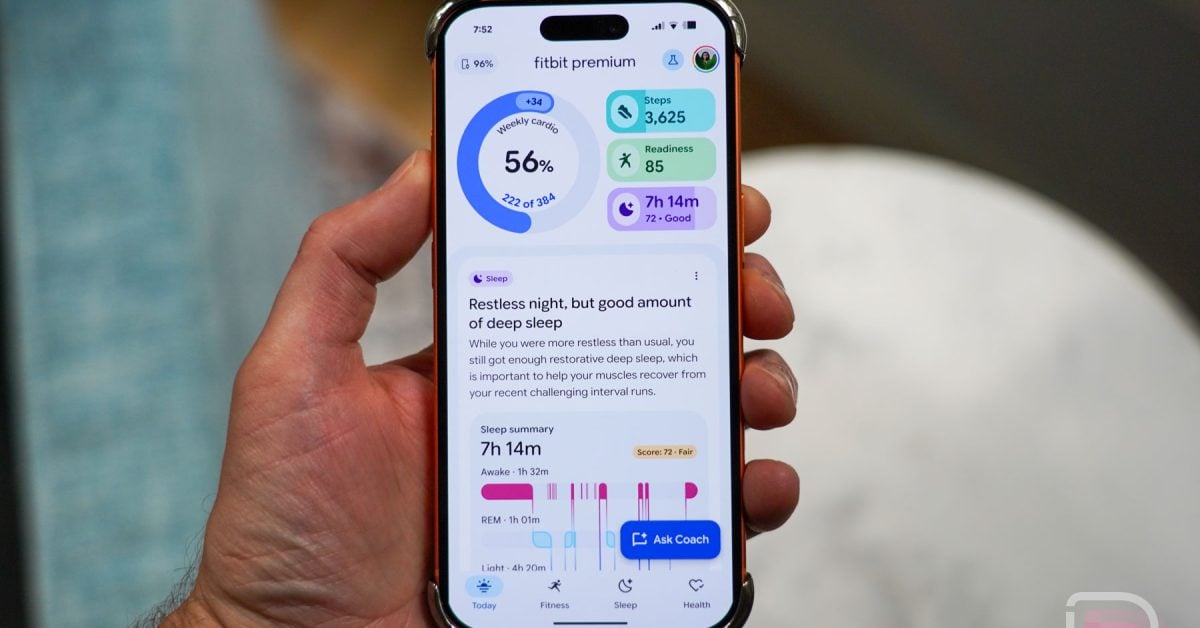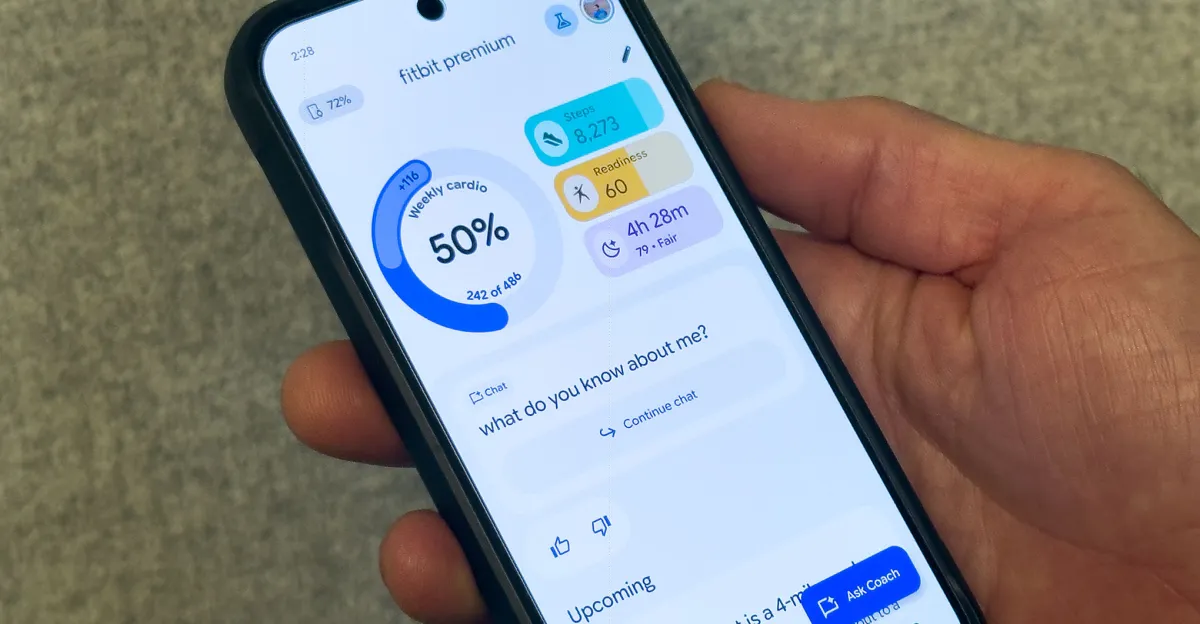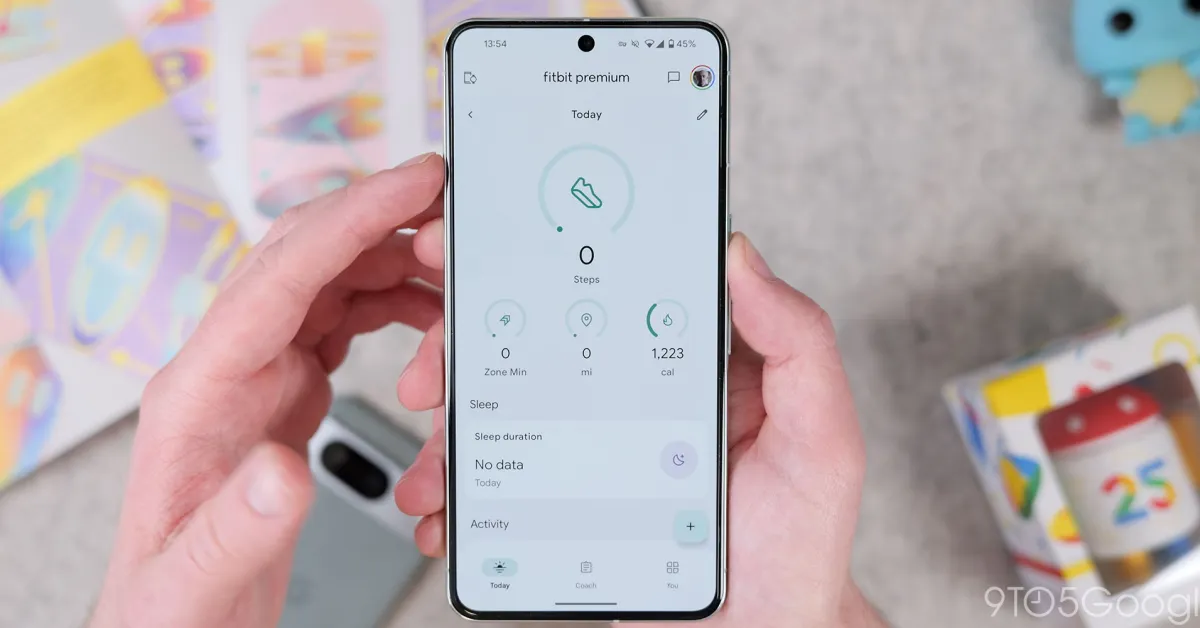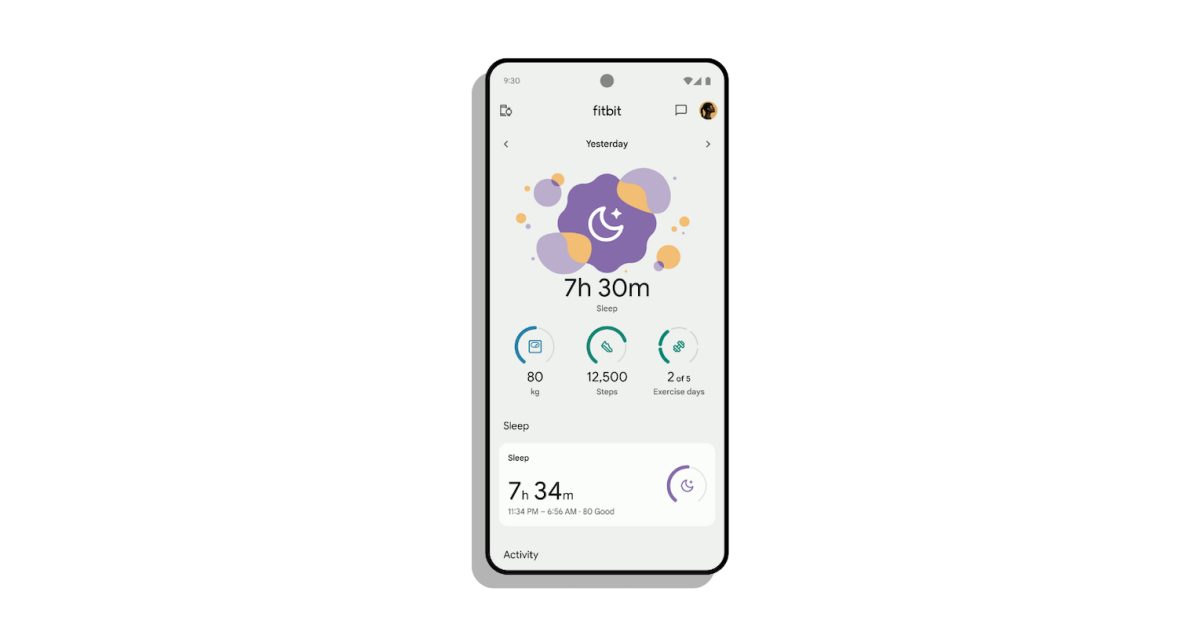
Fitbit has introduced a significant redesign of its app, incorporating Google's Material 3 Expressive design language with new shapes, fluid motion, and a streamlined interface, alongside an AI-powered health coach, with the update launching next year in the US.
Google has announced plans to launch new Fitbit-branded devices next year, marking a return to Fitbit hardware after a period of no new releases since 2024, coinciding with updates to the Fitbit app and AI coaching features.
Fitbit's new app, currently in public preview for Android Premium users, introduces a redesigned UI and an AI coach but lacks several key features such as menstrual, nutrition, blood glucose tracking, and advanced exercise metrics. Users can toggle between the new and old app versions to access missing features, with Google planning to add more over time.
Fitbit is launching a new Gemini-powered AI health coach as part of a completely redesigned app, initially available to US Android Premium users, offering personalized fitness plans and interactive health guidance, with plans to expand to iOS later this year.
Fitbit has rolled out a dark mode feature for its Android app, enhancing user comfort and battery life, along with other updates like improved workout machine support and new health report features, responding to user requests and enhancing the app's functionality.
Fitbit experienced a major outage affecting its mobile app and Web API, leading to widespread reports of service issues. The company acknowledged the outage, which peaked with over 2,200 reports, but has since reported that functionality is returning to normal, and reports have decreased significantly, indicating the outage is resolving.
The Fitbit app experienced a widespread outage causing syncing issues and data loss for users, but services have now been fully restored as of late morning, according to Google.
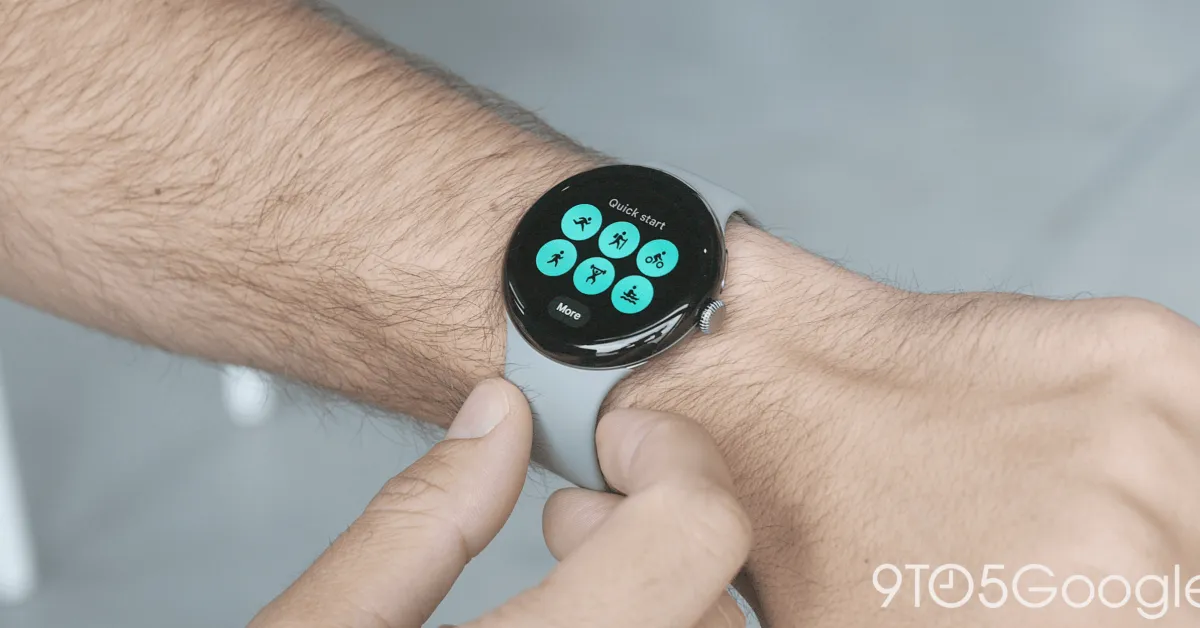
Fitbit has redesigned its app's device settings page for Fitbit OS devices, inspired by the Pixel Watch app, featuring a modern interface with device preview, status info, and streamlined management options, as part of ongoing app updates and a broader move towards a Material 3 design aesthetic. The update enhances user experience across smartwatches and trackers, with further improvements expected with Google's upcoming app redesign.
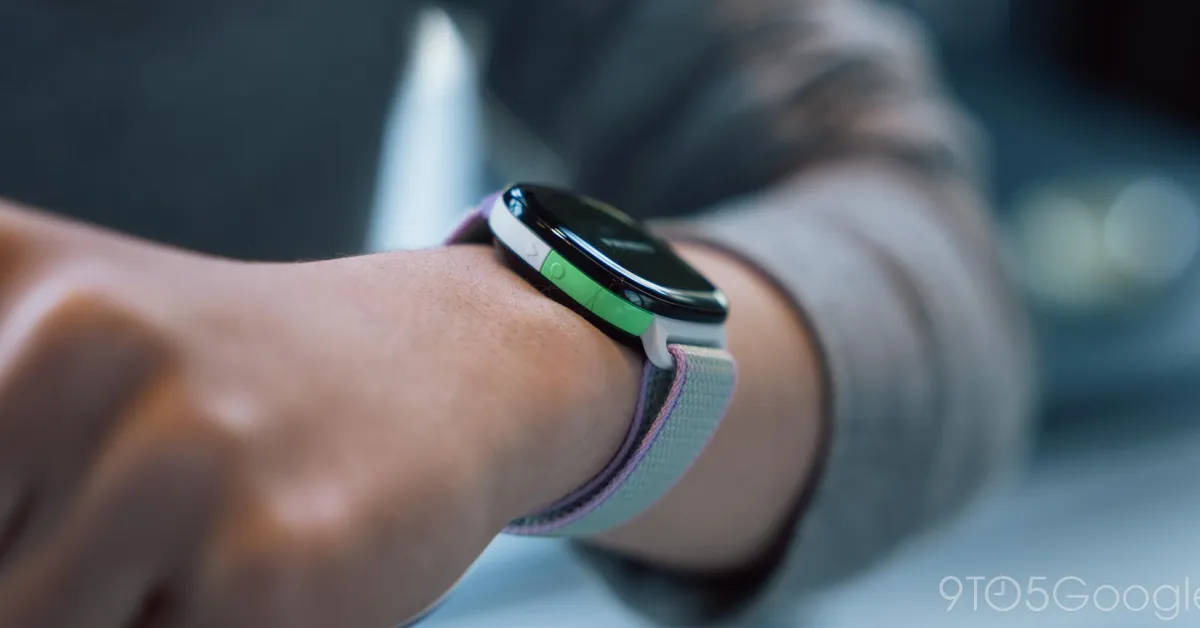
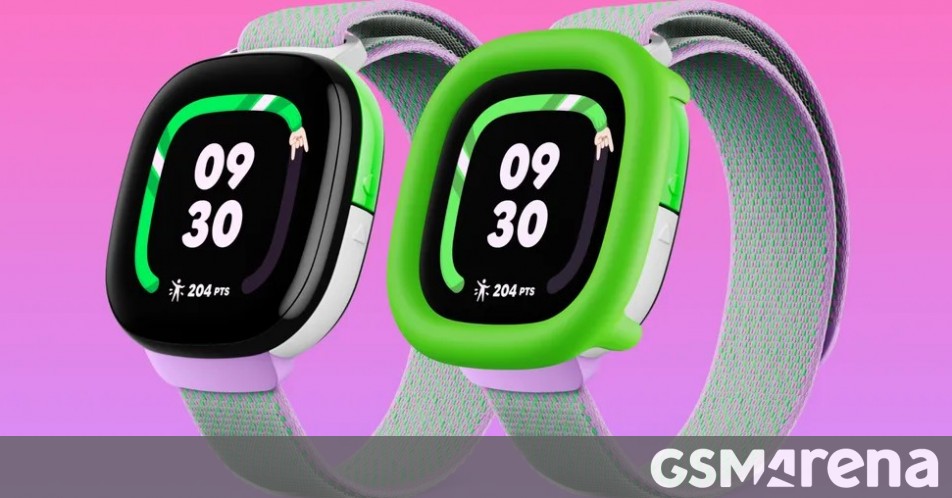
The Fitbit Ace LTE is now prominently featured on Amazon's US homepage and available for pre-order exclusively on Amazon and the Google Store, with immediate purchase options at four physical Google Store locations. The device will ship from these retailers on June 5th.
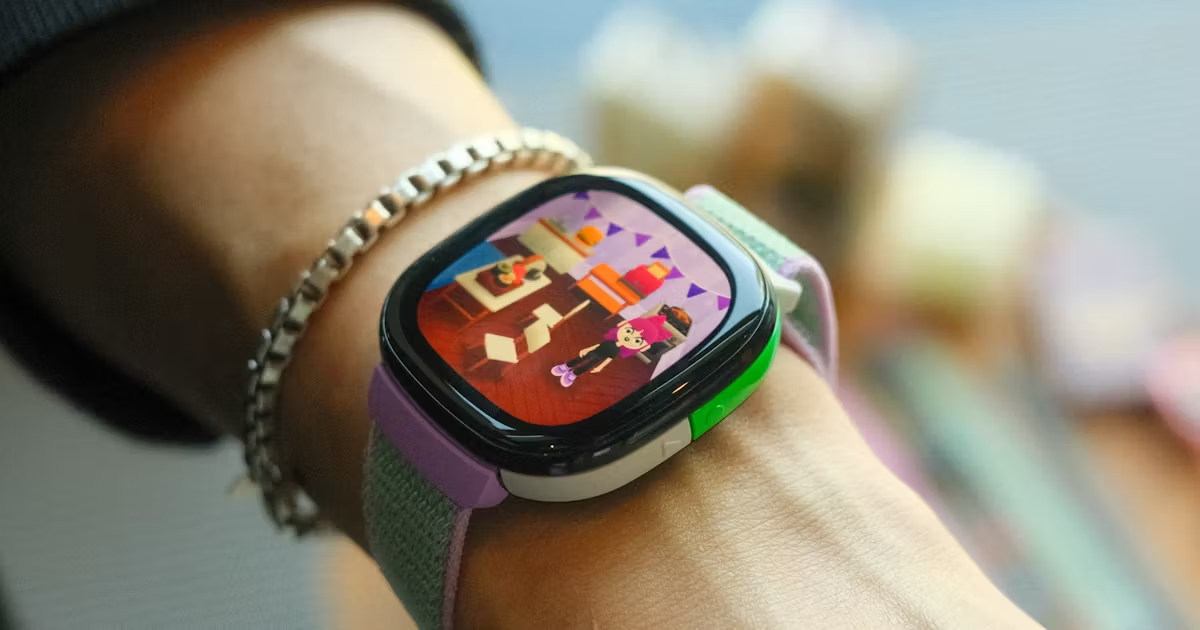
Google's Fitbit has announced the Ace LTE smartwatch for kids aged 7+, featuring interactive 3D games, activity tracking, and safety features like reliable calling, messaging, and location sharing with parents. The device, which emphasizes privacy and excludes ads and third-party apps, will be available on June 5 for $229.95, with a subscription plan for additional features.
Google is launching the Fitbit Ace LTE, a $230 Android-powered smartwatch for kids aged 7 and up, on June 5. Inspired by Nintendo and Tamagotchi, the device features gamified fitness activities to encourage physical activity. It includes rugged hardware, a heart rate monitor, and a unique band mechanism called "the cartridge." The watch also offers collectible bands that unlock new avatars and items. Despite its engaging features, the overall cost, including a $10 monthly subscription for additional games and LTE connectivity, may be a concern for parents.
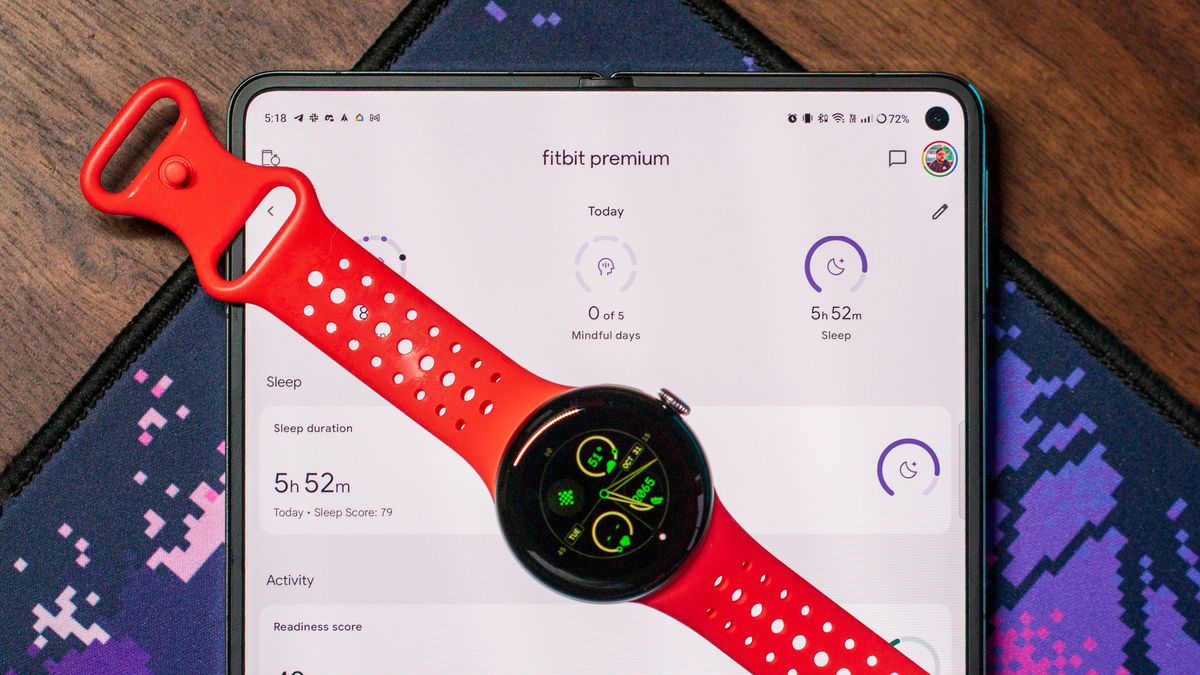
The Fitbit app is undergoing a major redesign of its Sleep stats page, with a new layout featuring tabs for Day, Week, Month, and Year, making it easier to view sleep information at a glance. The update is rolling out on Android and iOS, providing users with a more streamlined and comprehensive view of their sleep data, including sleep duration, score, and additional details such as oxygen variation, sleep heart rate, and more.
Google has been revamping the Fitbit app to align with its Material You design language since acquiring the company in 2021. The ongoing effort, detailed by the Fitbit UX team, began two years ago and emphasizes personalization and user-centric design. The app now features light backgrounds, rich colors, and softer tones, reflecting a focus on holistic health experiences. In addition to design, the team aims to provide easily digestible health and fitness metrics, with a focus on actionable insights. The integration of Google's smartwatch expertise and Fitbit's health experience is evident in the Pixel Watch 2, making it a compelling choice for Fitbit enthusiasts.
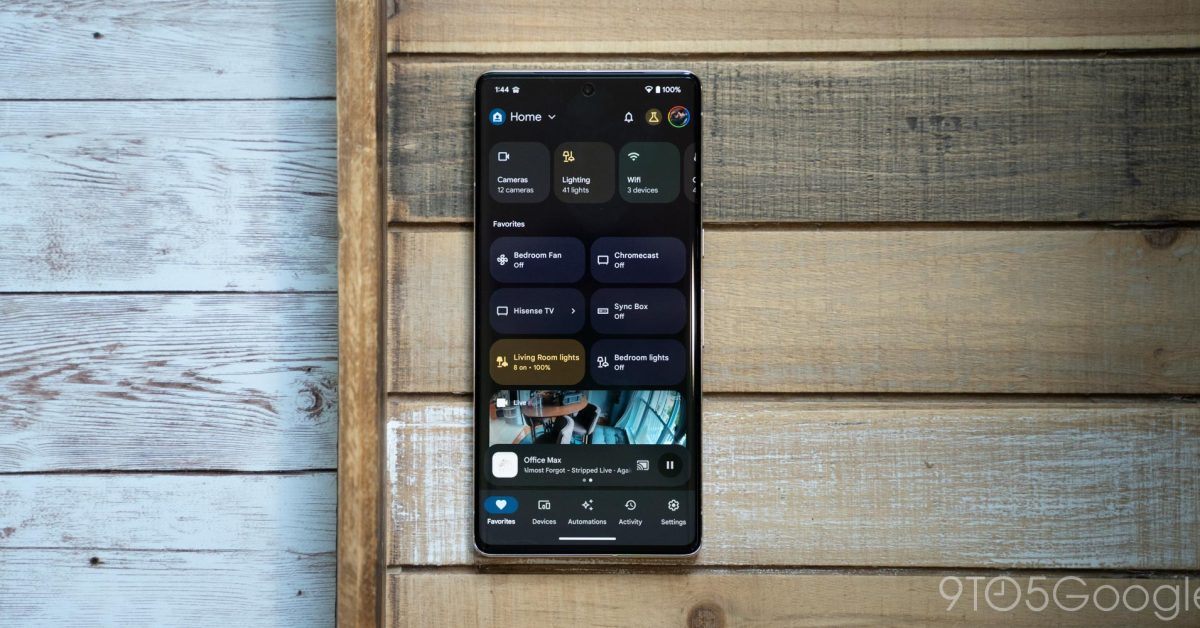
The Google Home app now allows users to include Fitbit stats in their routines, providing options to read out activity and sleep data such as step count, distance traveled, calories burned, days exercised, hours slept, and sleep start time. This feature is available through Google Home's "Personal Routines" and offers integration with Google Fit or Fitbit, enhancing the user experience for those who want to incorporate wellness information into their daily routines.
This article provides recommendations for the best smartwatches and fitness trackers, including the Fitbit Charge 6 as the best overall choice, the Apple Watch Series 9 for iPhone users, and the budget-friendly Amazfit Band 7. It discusses the features and pricing of each option, catering to different preferences and needs for tracking health and fitness.