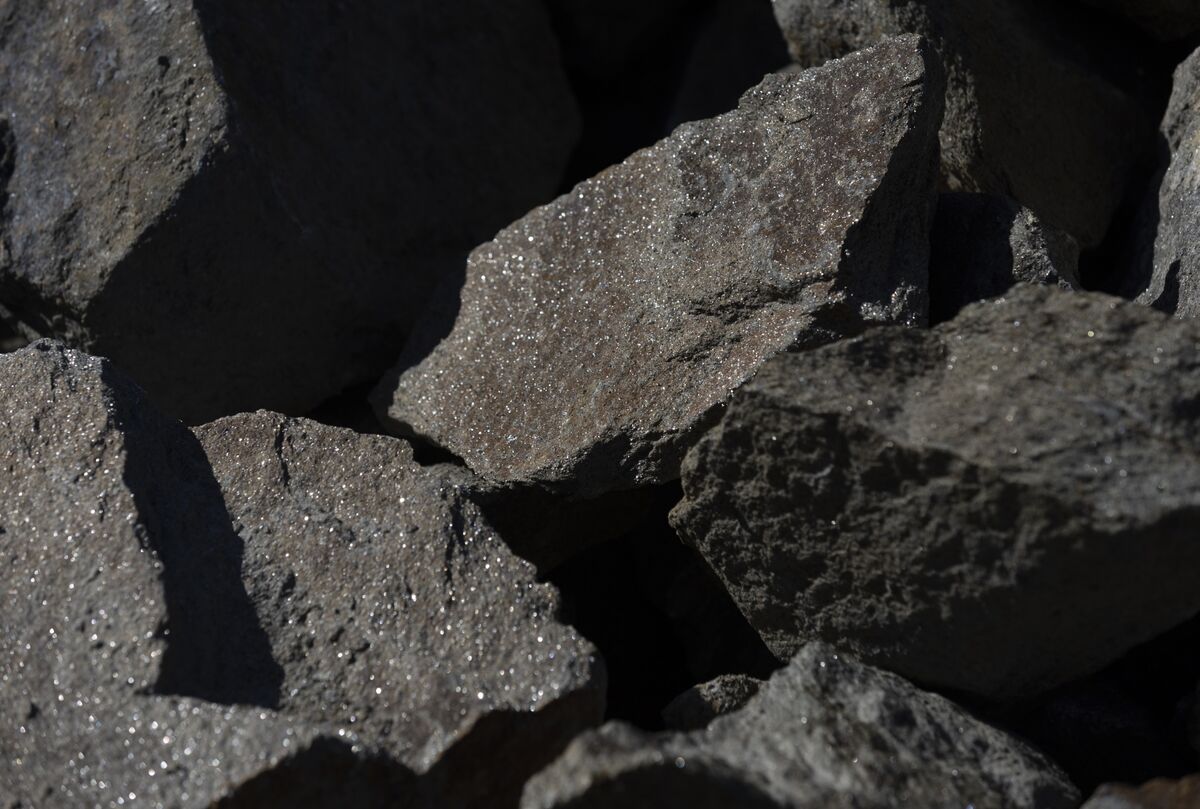
The US Commerce Department has imposed a preliminary 93.5% anti-dumping duty on Chinese graphite imports, which could increase to 160%, aiming to protect domestic producers but potentially raising costs for EV battery manufacturers and impacting the global supply chain. The move is part of ongoing trade tensions and efforts to boost US graphite production, with significant implications for the EV and renewable energy industries.
The U.S. Department of Energy has allocated over $131 million for projects aimed at advancing electric vehicle (EV) battery technology and charging systems, as well as establishing a sustainable domestic battery supply chain. The funding will support research and development efforts to lower EV technology costs, increase driving range, and promote a clean energy future, aligning with President Biden’s Investing in America agenda. The selected projects will focus on developing innovative and equitable clean mobility options, alleviating supply chain concerns for EV batteries, and increasing EV drive range, while the Advanced Battery R&D Consortium will prioritize pre-competitive, vehicle-related advanced battery R&D to address critical priorities for widescale EV commercialization.
China has criticized the Biden administration's plans to limit Chinese content in batteries eligible for electric vehicle (EV) tax credits, stating that it violates international trade norms and disrupts global supply chains. The plans would make investors in the US EV supply chain ineligible for tax credits if they use critical materials from China or other countries deemed a "Foreign Entity of Concern." China's dominant position in the global battery supply chain has raised concerns among US and European officials, leading to investigations into unfair state subsidies. Analysts question whether the US and EU measures match the scale of the risk posed by China's position in global battery supply chains.
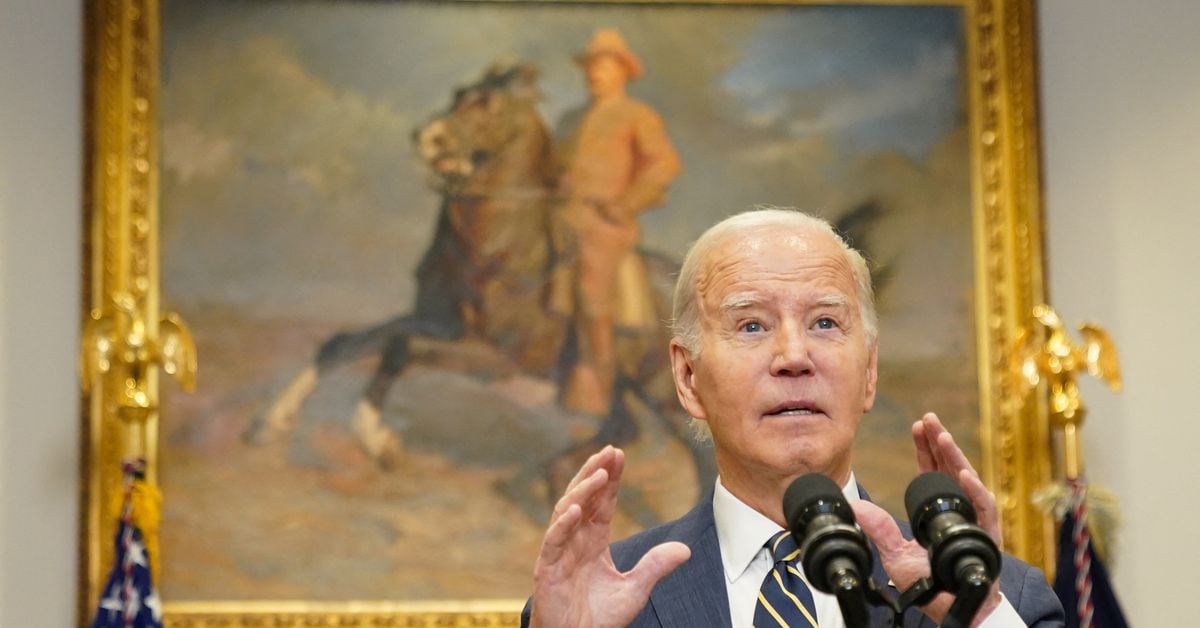
The Biden administration plans to exclude Chinese entities from receiving tax credits for investing in the US electric vehicle (EV) supply chain. The exclusion applies to the Bipartisan Infrastructure Law and the Inflation Reduction Act, and the term "Foreign Entity Of Concern" (FEOC) includes China, Russia, North Korea, and Iran. The new rules could have significant consequences for critical mineral producers globally, as China currently dominates the global battery supply chain. The proposed rules aim to incentivize the development of a domestic mine-to-battery supply chain and reduce US automakers' dependence on China. However, this poses challenges for countries and companies that have partnered with Chinese entities for battery inputs.
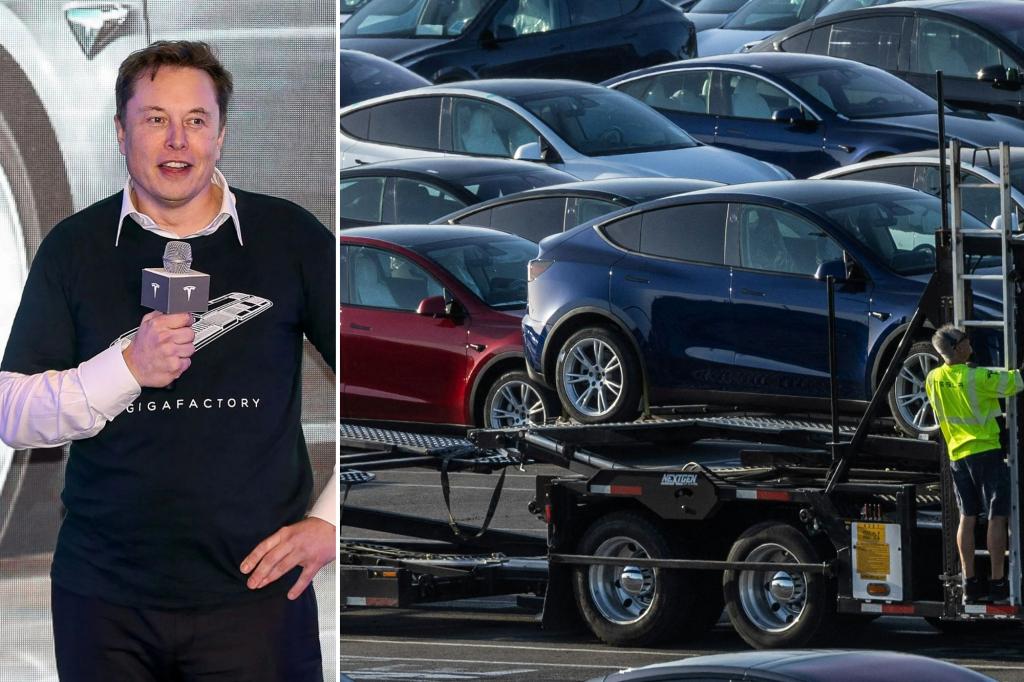
Tesla's market value has increased by almost $240B over a 13-day winning streak, with shares more than doubling in 2023. Positive catalysts such as Elon Musk's positive updates on models and charging deals with Ford and GM have contributed to the surge. Tesla's recent changes to its battery supply chain have also allowed some of its vehicles to qualify for federal US credits, with the Model 3 now eligible for $7,500 in electric vehicle consumer tax credits.
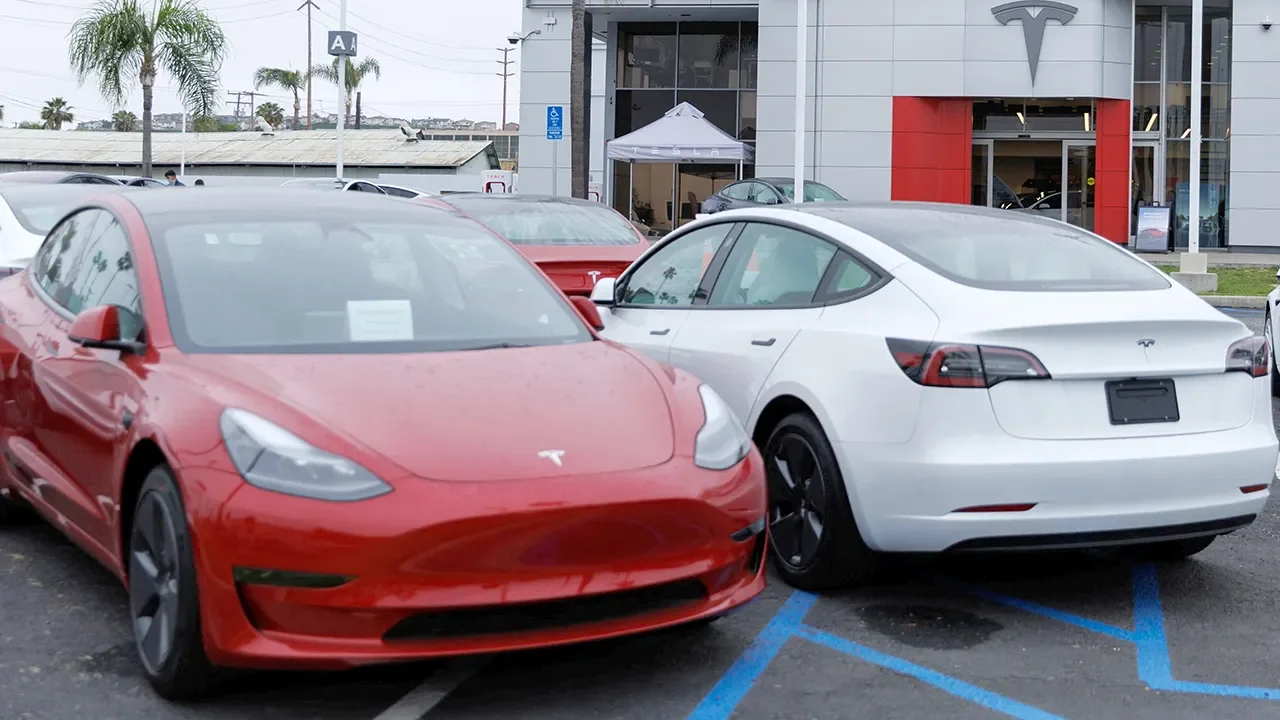
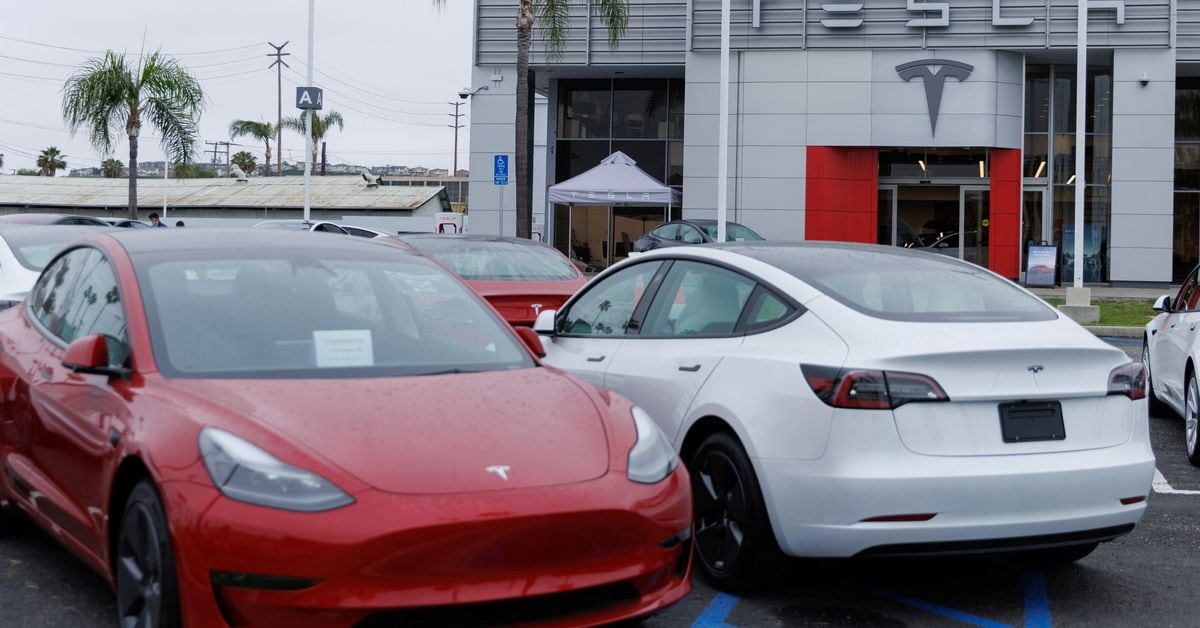
Tesla's Model 3 vehicles now qualify for the full $7,500 electric vehicle consumer tax credit, according to the Biden administration. The change comes after Tesla made changes to its battery supply chain that brought some of its vehicles within the guidelines for the credit. The Model 3's price may fall to less than that of a Toyota Camry with the tax credit and California rebate. The sourcing requirements for critical minerals and battery components were outlined in March to ensure eligibility for the full credit.
All versions of Tesla's Model 3 now qualify for the full $7,500 federal tax credit, making it cheaper than a Toyota Camry. Analysts suggest that Tesla may have adjusted its battery supply chain to meet federal subsidy requirements. The company may have dropped CATL in favor of Panasonic for US-made Model 3 Rear Wheel Drive, the cheapest version. Panasonic plans to expand production of electric vehicle batteries at the Nevada factory jointly operated with Tesla by 10% within three years.
Tesla's Model 3 vehicles now qualify for $7,500 electric vehicle consumer tax credits, making them cheaper than Toyota's Camry in California. Analysts suggest that Tesla may have adjusted its battery supply chain to meet federal subsidy requirements. The price of a Model 3 could fall to $25,240 when the $7,500 federal tax credit and another $7,500 from the California tax rebate kick in, depending on income and other requirements.